
Sony Bravia 8 II vs Panasonic Z95B: OLED Showdown!
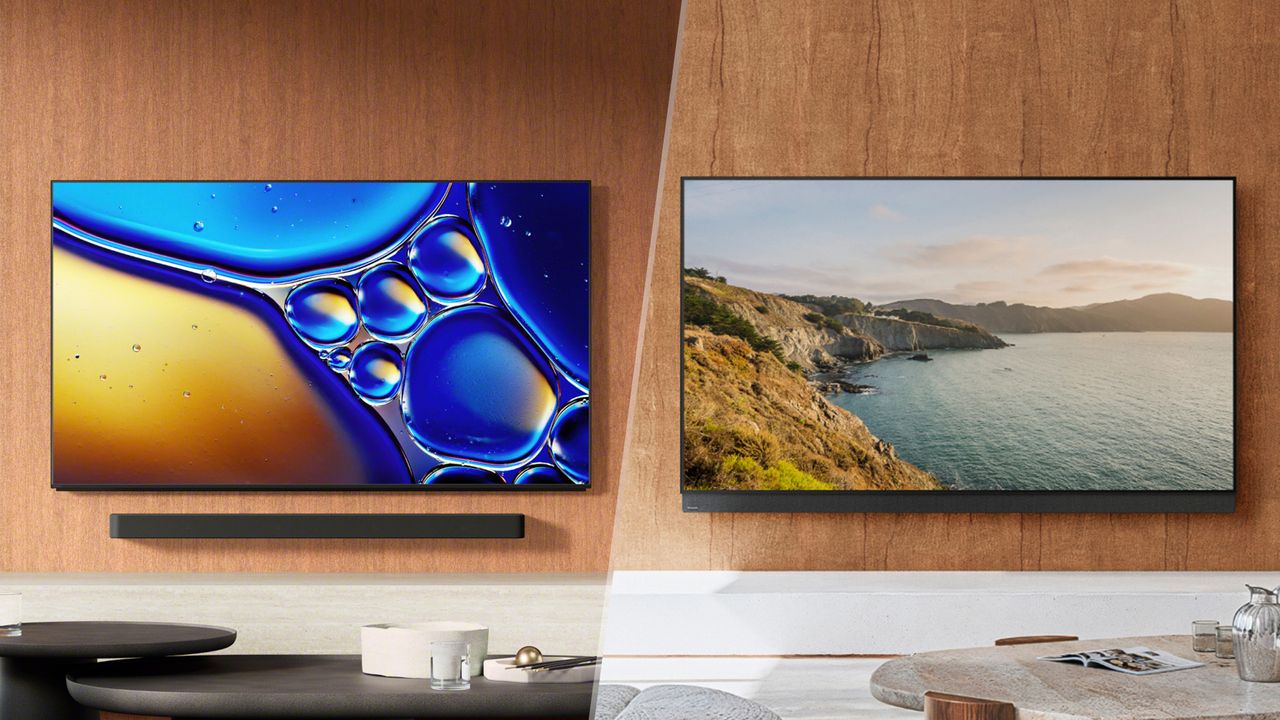
Sony Bravia 8 II vs Panasonic Z95B: A Comparison of Flagship OLED TVs
The evolution of television technology has brought forth some of the most advanced models in recent years, with both Sony and Panasonic leading the charge. The Sony Bravia 8 II and the Panasonic Z95B are two of the top contenders in the OLED TV market, each offering unique features and performance capabilities.
Specifications Compared
Both the Sony Bravia 8 II and the Panasonic Z95B come in various sizes, including 55-inch, 65-inch, and larger options for the Z95B. They both support a range of HDR formats such as Dolby Vision, HDR10, HDR10+, and HLG. However, there are notable differences in their ports and refresh rates. The Bravia 8 II comes with 2x HDMI 2.1 ports, while the Z95B offers 2x HDMI 2.0 ports. In terms of refresh rate, the Z95B supports 144Hz, which is higher than the Bravia 8 II's 120Hz.
In terms of smart TV software, the Bravia 8 II runs on Google TV, while the Z95B uses Fire TV. Both models support ATSC 3.0, making them suitable for watching 4K broadcasts via Nextgen TV. The processors used in these TVs also differ, with the Bravia 8 II featuring an a9 AI Processor 4K Gen8 and the Z95B using an HCX Pro AI Processor MK II.
Design and Build
Design-wise, both TVs are sleek, but they have distinct features. The Bravia 8 II has a thinner profile compared to the Z95B, with a more subtle bezel design. The Z95B, on the other hand, includes a robust speaker system that offers a 5.1.2-channel array, providing an immersive audio experience. While the Bravia 8 II’s speakers are not as sophisticated, they still deliver a compelling soundstage through features like Acoustic Surface Audio+.
In terms of internal design, the Z95B incorporates several new technologies, including a revamped airflow system inspired by Formula 1 cars. This system helps keep the screen cool, reducing the risk of overheating. Additionally, the Z95B uses LG's Primary RGB Tandem technology, which enhances color volume and brightness.
Performance Metrics
When it comes to performance, the Z95B outperforms the Bravia 8 II in several areas. The Z95B has better color accuracy, with a Delta-E score of 1.3 compared to the Bravia 8 II's 3.5. It also has higher HDR brightness, reaching up to 1,859 nits, compared to the Bravia 8 II's 1,633 nits. In Filmmaker mode, the Z95B can achieve even higher luminance, hitting 2,262 nits.
Despite this, the Bravia 8 II covers 100% of the UHDA-P3 gamut, which is impressive. However, its color accuracy is a significant drawback, especially when it comes to HDR content. The Z95B, while slightly behind in gamut coverage, offers more accurate and natural colors.
Smart Platform and Features
The smart platform of each TV also plays a role in the user experience. Google TV on the Bravia 8 II offers ease of use and extensive search functionality, along with personalized recommendations. However, it does include ads and raises privacy concerns. Fire TV on the Z95B provides personal recommendations and access to cloud gaming services like Xbox Game Pass and GeForce Now, though it tends to favor Prime Video content.
Both TVs support the full range of HDR formats and ATSC 3.0 tuners, making them versatile for different viewing needs. The choice between them may come down to personal preference for the smart interface and available streaming services.
Verdict and Final Score
In terms of overall performance, the Z95B edges out the Bravia 8 II, scoring higher in specs, design, performance, and features. The Z95B’s superior color accuracy, brightness, and audio capabilities make it a strong contender for the best OLED TV of 2025. While the Bravia 8 II offers a cinematic picture quality, it falls short in key areas like color accuracy and feature set.
Ultimately, the Panasonic Z95B stands out as a more advanced and well-rounded option, making it a top choice for those looking for a premium OLED TV.

Post a Comment for "Sony Bravia 8 II vs Panasonic Z95B: OLED Showdown!"
Post a Comment