
Suzy Welch Fears Gen Z Is 'Unemployable'—Leaders Step In to Teach Essential Skills
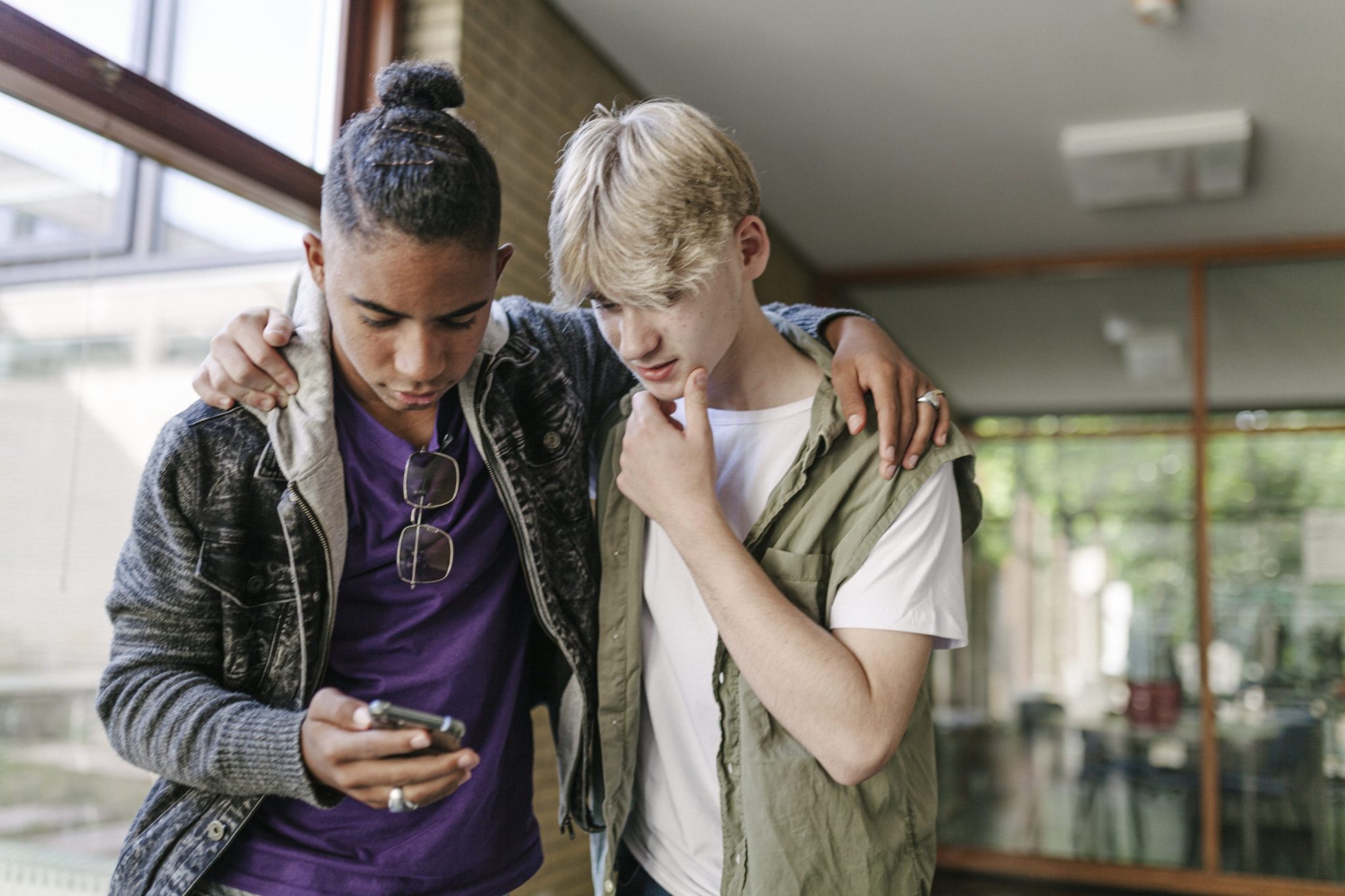
The Debate Over Gen Z’s Preparedness for the Workplace
Suzy Welch, a professor at New York University and a prominent business journalist, has made headlines with her bold assertion that Generation Z is “unemployable.” This claim has ignited a significant debate in corporate America, leading to a surge of efforts by both companies and educational institutions to equip young adults with essential life and professional skills. The critique stems from research and observations on generational values and readiness, but it now faces the reality of the modern workplace, where managers and educators are working to bridge the gap between what Gen Z expects and what employers demand.
Welch's argument, which gained widespread attention through an op-ed in The Wall Street Journal, highlights a perceived disconnect between the values of hiring managers—such as achievement, learning, and a strong work ethic—and those of Gen Z students. According to surveys, only about 2% of Gen Z students prioritize these traditional work values. Instead, many place greater emphasis on self-care, authenticity, and community service. This mismatch, according to Welch and others, leaves many Gen Z individuals appearing unprepared or unwilling to adapt to conventional professional expectations. A 2024 survey of business leaders revealed that one in six expressed reluctance to hire recent graduates, with three-quarters describing their hires as “unsatisfactory.”
Despite the criticism, Welch has also taken steps to engage with Gen Z directly. She created a highly popular course at NYU centered around the concept of purpose, reflecting a desire to meet this generation where they are.
The Challenges Faced by Gen Z in the Modern Workforce
The News Pulse has been covering the struggles of Gen Z throughout 2025, a year marked by anxiety over artificial intelligence, early signs of a shrinking entry-level job market, and a labor market characterized by a “low-hire, low-fire” mentality. Business leaders have noted that as routine tasks become automated, “human skills” are more important than ever. However, many Gen Z workers seem to lack these essential abilities. The “Gen Z stare” phenomenon has gone viral, capturing the frustration of older generations who encounter awkward interactions in professional or service settings.
While Gen Z workers are not necessarily poorer or more unemployed, they are experiencing an unusual quarterlife crisis and a rising sense of despair. Leaders across industries are stepping up to address these challenges, recognizing the need for better communication and training.
Initiatives to Bridge the Gap
Rebecca Adams, the chief people officer at Cohesity, a $1.5 billion AI startup, has taken action to improve how her company interacts with Gen Z employees. As a mother of two Gen Zers, she sent all of her managers to specific training sessions on how to effectively engage with this generation. Similarly, Liz Feld, CEO of Radical Hope, a nonprofit focused on equipping college students with essential communication and emotional intelligence skills, has seen growing demand for her programs. Starting as a pilot at NYU in 2020, Radical Hope has expanded to 75 college campuses.
Adams shared insights from her children, highlighting the need for empathy and additional training for both managers and younger workers. She described situations where interns struggled with basic professional etiquette, such as missing meetings or failing to understand calendar tools. These experiences have led Cohesity to provide explicit guidance on seemingly simple tasks, viewing these interventions as necessary adaptations to a new workplace culture.
Addressing the Need for Communication and Social Skills
Feld’s program focuses on skills that were once learned informally, such as empathy, communication, and conflict resolution. Her approach is peer-led and activity-driven, incorporating role-playing, stress management, and time management. Many Gen Zers, she notes, are afraid of face-to-face interactions and internalize rejections as personal failures. This fear often leads them to avoid small talk, a skill they never had the chance to develop due to technology.
Feld also highlighted concerns about parents accompanying their children to job interviews, a practice she finds alarming. She emphasized the immense pressure Gen Z faces, not only from external sources but also from themselves. Many young adults feel the need to perform perfectly for their parents, creating a cycle of high expectations and anxiety.
The Importance of Adaptation and Understanding
Both Adams and Feld recognize the need for adaptation on both sides. Adams described the intense focus Gen Z places on the future, driven by a desire for career success while balancing personal aspirations. This pressure, she said, is both fascinating and concerning. In contrast, her own experience with college was more about exploration and personal growth rather than career optimization.
While neither Adams nor Feld were familiar with viral Gen Z phrases like “the great lock-in,” they both recognized the behaviors described. Feld observed that many young adults avoid in-person interactions, often using phones to avoid engagement. She noted that some young people even require therapeutic training to learn basic social skills, such as exchanging money at a fast-food restaurant.
Despite the challenges, Feld remains optimistic, noting that Gen Z wants to communicate in person but lacks the skills to do so. With proper guidance, she believes they can develop these essential abilities.

Post a Comment for "Suzy Welch Fears Gen Z Is 'Unemployable'—Leaders Step In to Teach Essential Skills"
Post a Comment