
The 5 Crucial Offseason Fixes That Helped the 49ers Beat Seattle in Week 1
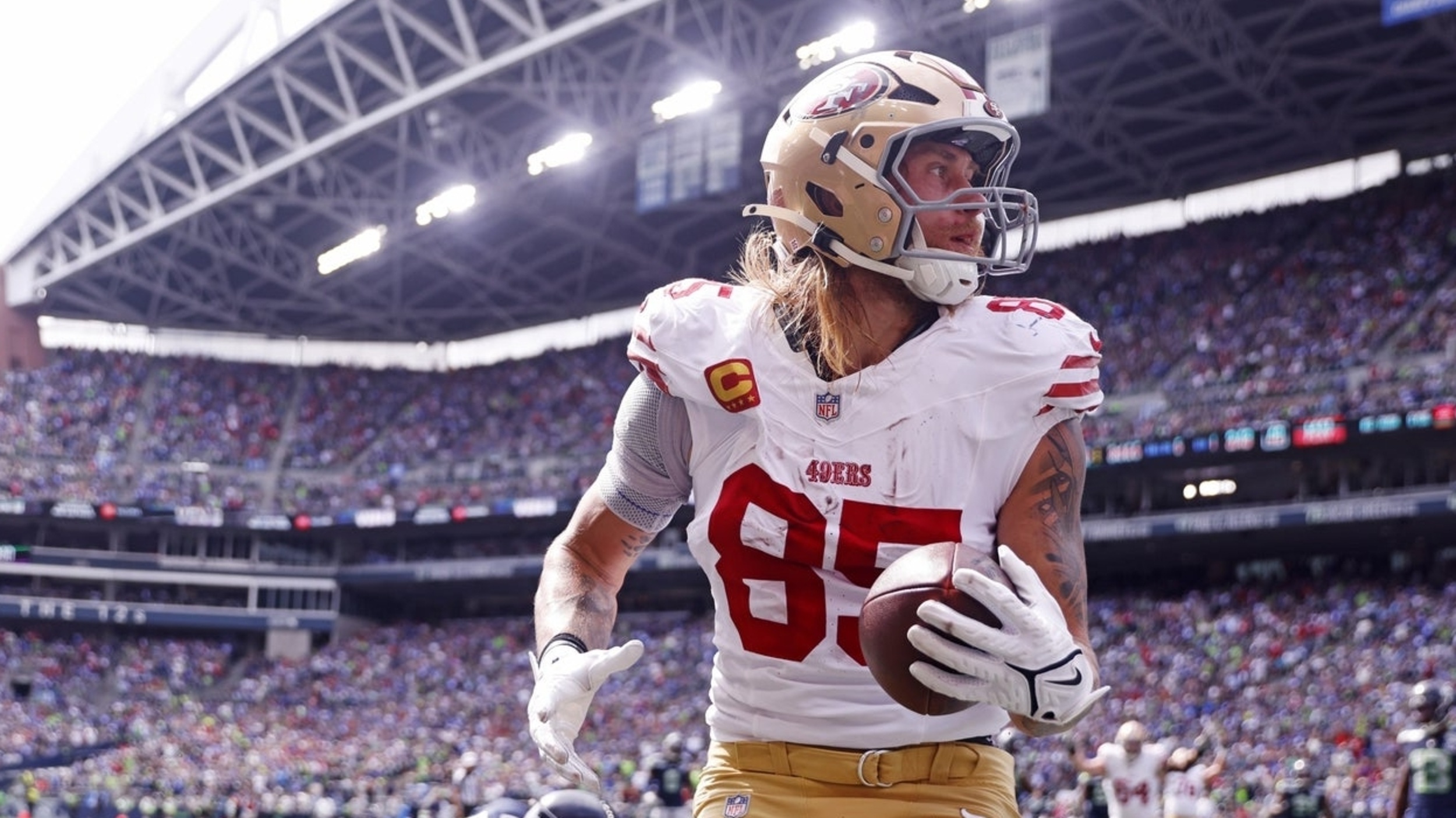
49ers Overcome Challenges in Week 1 Victory
The San Francisco 49ers are back, and this time, they found a way to win. In a hard-fought battle against the Seattle Seahawks at Lumen Field, the 49ers managed to pull off a 17-13 victory. The game was a testament to their resilience, as both teams pushed each other to the limit until the final moments.
The turning point came when Nick Bosa forced and recovered a fumble with less than a minute remaining, sealing the win for San Francisco. This victory marked a shift from Seattle's previous strategy of bending the defense and capitalizing on special teams. With a roster that has seen significant changes this offseason, the 49ers had to prove themselves once again.
Despite the win, the 49ers are not the dominant force they were in recent years. The team underwent a major transformation during the offseason, with key veterans leaving and new players stepping into prominent roles. This change required a complete overhaul of their approach, especially on defense, offense, and special teams.
To understand how the 49ers addressed their biggest challenges, let’s break down the five most critical issues they had to overcome:
1. Injuries
Injuries have been a persistent problem for the 49ers, but this season started with a more optimistic outlook. Most of the team’s stars were healthy heading into Week 1, including Christian McCaffrey, who made a surprise appearance on the injury report. However, the game quickly took a toll, as several key players, including Trent Williams, Fred Warner, George Kittle, CMC, and Jauan Jennings, left the field due to injuries.
While some players returned later in the game, the loss of these high-impact players raises concerns about the team's depth. If they continue to face injury setbacks, it could affect their performance throughout the season. The Niners will need strong contributions from their rookie class to compensate for any potential losses.
2. Run Defense
One of the biggest weaknesses from last season was the 49ers' run defense. This year, the team invested heavily in improving that area. Under the leadership of Robert Saleh, the defense showed signs of progress. They limited Seattle to just 84 yards on 26 carries, averaging 3.23 yards per carry.
Despite early struggles, the defense adapted well and held Seattle to only 34 yards on 10 rushes in the second half. The unit's performance was a positive sign, even though they faced a coordinator familiar with their strengths and weaknesses.
3. Special Teams
Special teams have long been a concern for the 49ers, and this season brought a new coaching staff and a competitive kicking battle. However, the early results were mixed. Jake Moody struggled with accuracy, missing a crucial field goal and having another blocked. His performance raised questions about the team’s confidence in him.
The punt and kickoff units also had issues, with Seattle gaining better field position throughout the game. While there were some positive moments, the overall performance of the special teams unit was a cause for concern.
4. Receiving Depth
With key wide receivers like Brandon Aiyuk and Deebo Samuel either injured or traded, the 49ers turned to their younger players. Ricky Pearsall stepped up, delivering a solid performance with 108 yards on four catches. His efforts provided hope that the receiving corps can hold up while the team waits for reinforcements.
Christian McCaffrey also played a vital role, contributing 73 yards on nine receptions. The team’s ability to move the ball effectively was crucial, as they controlled the ball for over 37 minutes.
5. Finishing Games
Brock Purdy faced scrutiny after a tough start, but he proved his mettle when it mattered most. Despite two interceptions, he led the team to a go-ahead touchdown in the final minutes. His performance highlighted his growth and ability to perform under pressure.
Purdy’s stats show a clear trend: he excels when the 49ers are ahead but struggles when they’re trailing. However, his clutch performance in this game suggests that he may be finding his rhythm. If he continues to improve, the 49ers could once again become a formidable force in the NFC West.
As the 49ers look ahead to their next game, they’ll need to address these challenges while maintaining the momentum they gained in Week 1. With a strong defense, a resilient offense, and a commitment to improvement, the team is poised to make a statement in the coming weeks.

Post a Comment for "The 5 Crucial Offseason Fixes That Helped the 49ers Beat Seattle in Week 1"
Post a Comment