
The Hidden Truths of Princess Diana's Iconic Wedding Dress—From Security to a Major Stain
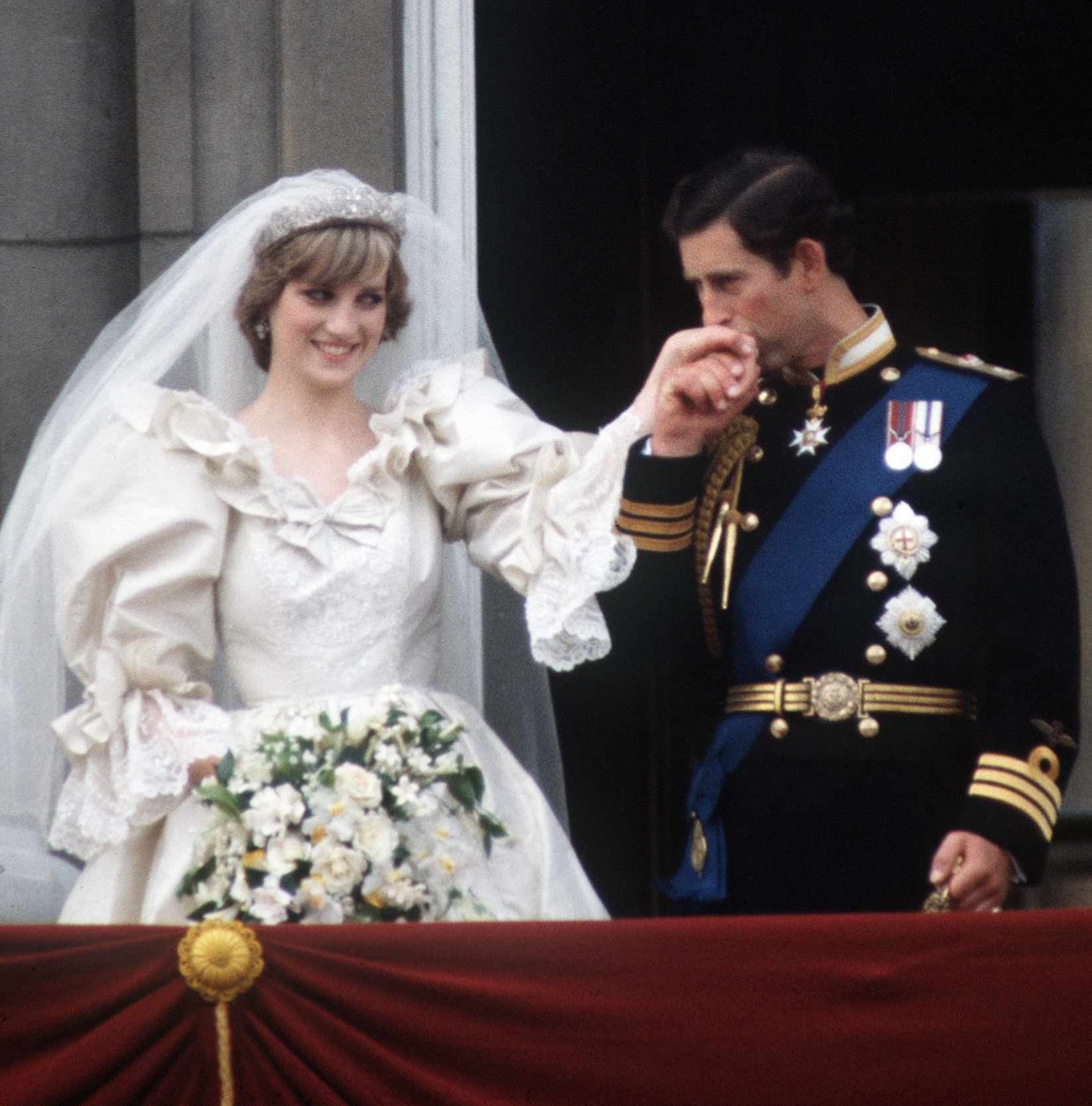
The Story Behind Princess Diana’s Iconic Wedding Gown
Princess Diana, then a 20-year-old Lady Diana Spencer, reached out to Elizabeth Emanuel's small design studio just three months before her wedding to Prince Charles. This meeting marked the beginning of an unforgettable journey that would result in one of the most recognized wedding dresses of the last century. Designed by Elizabeth and her former husband David Emanuel, the gown became a symbol of romance, elegance, and royal tradition.
The dress was not only a masterpiece but also a source of inspiration for countless brides around the world. From its inception, it was shrouded in secrecy, with the public unaware of what the final design would look like. This mystery added to the allure of the garment, making it a subject of fascination for years to come.
A Design That Stands Out
The gown was crafted from silk taffeta and dyed in an ivory hue rather than the traditional white. It featured a frilly neckline, ruffled cuffs, puffed sleeves, a fitted bodice, and a voluminous ballgown skirt. The dress was adorned with delicate lace detailing, intricate embroidery, and 10,000 mother-of-pearl sequins. One of its most striking features was the 25-foot train, which set a record as the longest in royal wedding history.
Elizabeth Emanuel recalled how the idea for the long train came about. She and David had a bit of fun with the concept, aiming to create something that would stand out. They even had to fold the train like a bedsheet to fit it into the carriage. Once at the cathedral, they and the bridesmaids had to work together to straighten it out.
The Veil and Headpiece
In addition to the train, the dress included a veil made of 153 yards of tulle. The headpiece, hand-stitched by Peggy Umpleby, was decorated with 10,000 micro pearls. Emanuel described it as adding a "magical radiance" to the overall look.
Keeping the Secret
Diana insisted that the design remain a secret, and the Emanuels took this request seriously. They employed two security guards, kept the gown locked in a metal cabinet, and even placed fabric scraps in the garbage to mislead journalists. They used a codename, "Deborah Cornwall," when referring to the princess during the design process.
Creative Freedom
Emanuel and David were given complete creative freedom. They wanted the dress to be big and bold, fitting the grand space of St. Paul's Cathedral. They referenced historical designs, such as Queen Victoria's wedding dress, and ultimately created a version that could not be copied.
Challenges and Adjustments
During the 90 days it took to make the dress, Diana lost weight, which required constant adjustments. On the morning of the wedding, they had to sew her into the dress to ensure a perfect fit. The designers didn’t see the dress properly until the ceremony, as their studio was too small to fully extend the train.
Backup Plans
To prepare for any disaster, the Emanuels designed a backup dress. It had a bright white hue, fitted sleeves, and no train, but maintained the original's frilly collar, ruffled cuffs, and other details. However, they never completed it, considering it unlucky. The backup dress eventually disappeared, but Emanuel recreated a replica in 2024 based on photos taken at the time.
The Great Stain
Even with meticulous planning, some mishaps are inevitable. Diana accidentally spilled perfume on her dress, creating a stain that was hidden by holding the spot while walking. Emanuel was unaware of the incident until she read about it later.
Traditional Touches
Diana followed Victorian traditions for her wedding. Her "something old" was a square of Carrickmacross lace, "something new" was the dress itself, "something borrowed" was the Spencer Tiara, and "something blue" was a small blue ribbon and a gold horseshoe trinket sewn into the waist.
Ethereal Accessories
The princess wore a sapphire engagement ring, diamond earrings from her mother, and custom-made Cinderella slippers. She also carried a bouquet of various flowers and a parasol in case of rain.
Legacy and Display
After the wedding, the dress went on a global tour and was eventually passed down to Prince William and Prince Harry. It was displayed publicly as part of the "Royal Style in the Making" exhibition at Kensington Palace. The gown remains a symbol of elegance, history, and the enduring legacy of Princess Diana.

Post a Comment for "The Hidden Truths of Princess Diana's Iconic Wedding Dress—From Security to a Major Stain"
Post a Comment