
The Rise of Lexus Sports Cars: From SC to LFA
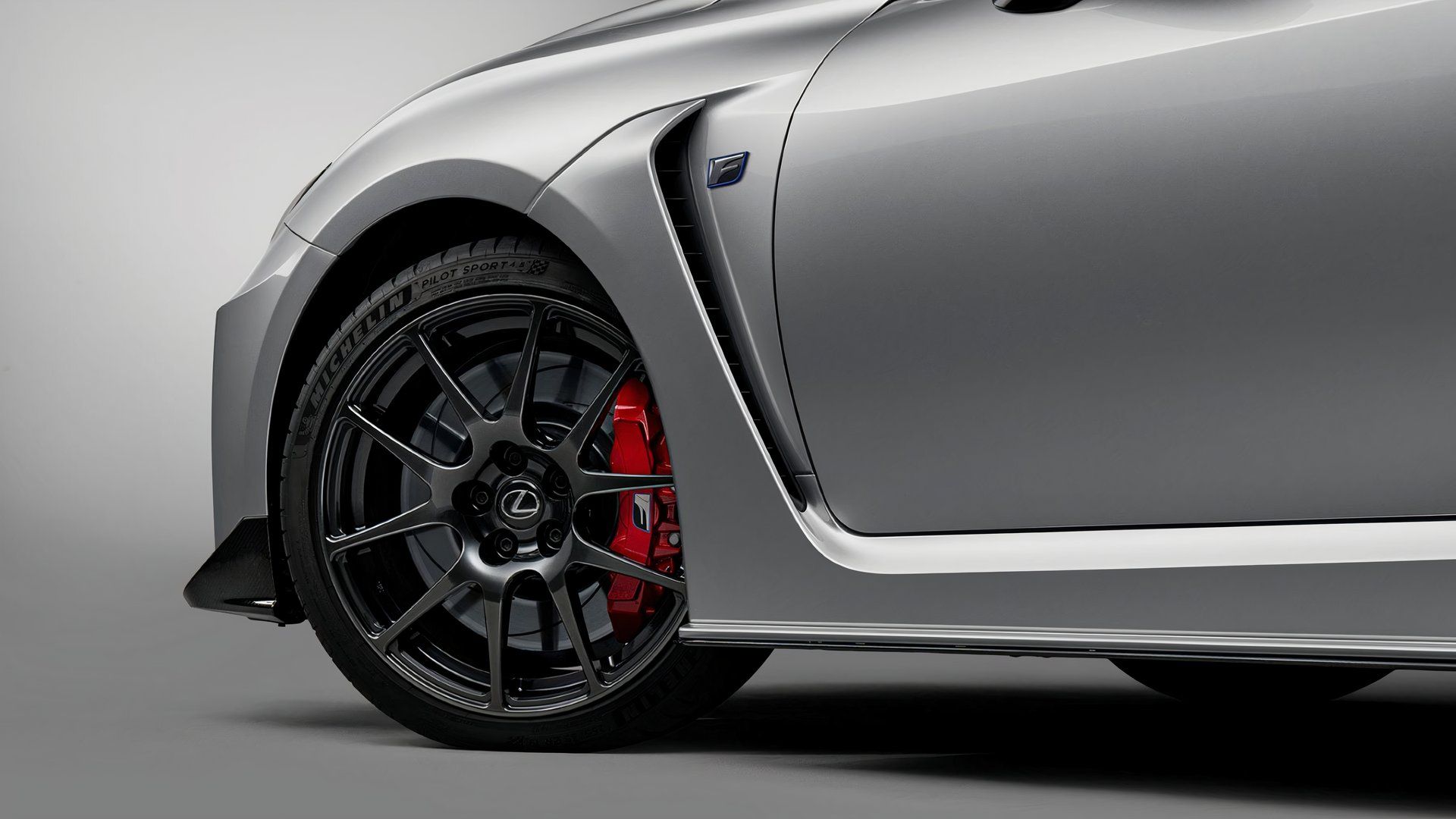
A Legacy of Performance and Luxury: The Evolution of Lexus Sports Cars
Lexus, the Japanese luxury car brand, has long been known for its commitment to producing some of the most luxurious, reliable, and value-packed vehicles on the market. Over the years, they have introduced a wide range of SUVs, sedans, and sports cars that have captured the hearts of drivers worldwide. Among their most impressive creations are the sports cars that have consistently pushed the boundaries of performance and design.
Since their inception in 1983, following a secret meeting with Toyota's top executives, and their debut in the U.S. in 1990 with the Lexus LS 400, the brand has continued to evolve. Their sports cars, in particular, have played a significant role in shaping their identity. From the iconic Lexus SC and LC 500 to the high-performance LFA, Lexus has consistently delivered vehicles that balance power, style, and comfort.
The Early Days: Lexus SC 300 and SC 400
The Lexus SC 300 and SC 400 were among the first models to introduce the brand into the sports car market in the United States. These models, produced from 1992 to 2000, offered a blend of luxury and performance that was rare at the time. The SC 400 featured a 4.0-liter V8 engine producing 250 horsepower, while the SC 300 came with a 3.0-liter inline-six engine delivering 225 horsepower. Both models had rear-wheel drive and offered a manual transmission option, which was a rarity for luxury brands at the time.
By 1997, both models received engine upgrades with VVT-i technology, boosting the SC 400's output to 290 horsepower. These early models laid the foundation for Lexus' future sports cars, showing that the brand could deliver both comfort and performance.
The Evolution Continues: Lexus SC 430
In 2001, the Lexus SC 430 replaced the earlier SC models, bringing a more modern design and improved performance. It featured a 4.3-liter V8 engine producing 288 horsepower, paired with a six-speed automatic transmission. The SC 430 also introduced a retractable aluminum hardtop, transforming it into a convertible. Inside, it maintained the high-quality materials expected from Lexus, including leather upholstery and wood trim.
The SC 430 was more aerodynamic than its predecessors, with a refined suspension system that provided better handling and a quieter cabin. This model marked a shift in how Lexus approached sports cars, moving them into the 21st century.
High-Performance Flagship: Lexus IS F
In 2008, Lexus introduced the IS F, a high-performance variant of the IS sedan. Equipped with a naturally aspirated 2UR-GSE V8 engine, the IS F produced 416 horsepower and 317 pound-feet of torque. It could accelerate from 0 to 60 mph in just 4.6 seconds, making it a formidable competitor in the performance sedan segment.
The IS F was equipped with Brembo brakes, sport-tuned suspension, and a limited-slip differential. By 2011, the model received an upgraded suspension setup and improved cabin technology, making it more refined for everyday use while maintaining its aggressive stance.
The Supercar: Lexus LFA
The Lexus LFA, introduced in 2012, is widely regarded as the pinnacle of the brand’s performance lineup. Only 500 units were ever produced, and today, they command prices upwards of $894,473. The LFA features a 4.8-liter V8 engine producing 552 horsepower and capable of reaching 60 mph in just 3.6 seconds. It also includes carbon-ceramic brakes, a 48:52 weight distribution, and 20-inch BBS wheels.
The LFA’s design, inspired by fighter jets, gives it a distinctive look that sets it apart from other sports cars. Despite its supercar status, the LFA remains a symbol of Lexus’ commitment to performance and innovation.
Modern Performance: Lexus RC 350 and GS F
In 2015, the Lexus RC 350 entered the market, offering a balance of performance and refinement. With a 306-horsepower V6 engine and available rear-wheel drive or all-wheel drive, the RC 350 provided a sporty driving experience at a reasonable price point. Over the years, it has evolved with improved safety systems and updated tech, making it a versatile choice for drivers.
The Lexus GS F, introduced in 2016, positioned itself as a high-performance flagship sedan. Unlike many of its European rivals, it retained a naturally aspirated V8 engine and offered a Torque Vectoring Differential for enhanced handling. While it never outsold its competitors, the GS F showcased Lexus’ ability to build a luxurious yet performance-oriented vehicle.
The Final Chapter: Lexus RC F and IS F 500
The Lexus RC F, introduced in 2018, continued the tradition of high-performance V8 engines. With a 472-horsepower 2UR-GSE engine, it could reach 60 mph in 4.2 seconds and remained a strong contender against German rivals. The final edition of the RC F, released in 2025, was priced at $94,120, reflecting its premium status.
In 2022, the Lexus IS 500 F Sport revived the spirit of the original IS F, featuring a 5.0-liter V8 engine and advanced performance features such as a Torsen limited-slip diff and adaptive dampers. It proved that Lexus could still deliver powerful, luxurious sedans that appeal to modern drivers.
The Future: Lexus LC
The Lexus LC, introduced in 2018, represents the culmination of the brand’s efforts to blend performance, reliability, and innovative technology. The LC 500 features a 5.0-liter V8 engine producing 571 horsepower and can reach 60 mph in 4.4 seconds. The hybrid variant, LC 500h, showcases Lexus’ willingness to explore new technologies while maintaining its commitment to performance.
With a sleek design, advanced tech, and a balanced ride, the LC exemplifies what modern sports cars should be—powerful, luxurious, and enjoyable to drive.

Post a Comment for "The Rise of Lexus Sports Cars: From SC to LFA"
Post a Comment