
The Truth Behind Classic Cars' Whitewall Tires
The Origins of Whitewall Tires
Early Development
The concept of whitewall tires dates back to the late 19th century, when pneumatic tires were first introduced. Initially, these tires were constructed entirely from white rubber, which was the natural color of the material before carbon black was added to improve durability and resistance to wear. White rubber was not only cost-effective but also provided a durable surface for tire construction. The manufacturing process involved layering white rubber on the sidewalls, creating a distinct feature that set these tires apart from others.
In the early 20th century, the introduction of carbon black around 1910 significantly improved the quality of tires by increasing their strength and longevity. However, this material was primarily used in the tread area, leaving the sidewalls untouched and white. This contrast between the black tread and white sidewall became a defining characteristic of whitewall tires, offering both functional benefits and an aesthetic appeal.
Initial Popularity
Whitewall tires gained traction during the 1910s and 1920s, particularly among luxury vehicle manufacturers. Brands like Rolls-Royce and Packard were among the first to adopt these tires, using them as a symbol of elegance and prestige. Their popularity among high-end carmakers set a standard that other manufacturers quickly followed. This period marked the beginning of whitewall tires as a symbol of sophistication and exclusivity.
As more prestigious brands incorporated whitewall tires into their vehicles, the trend spread beyond luxury models. Consumers began to associate these tires with status and quality, leading to increased demand. The visual appeal of the white sidewalls combined with the sleek designs of cars at the time made whitewalls a sought-after feature, reinforcing their place in automotive culture.
Cultural Significance and Style
The Golden Age of Whitewalls
The 1930s through the 1950s are often considered the golden age of whitewall tires. During this time, they became synonymous with elegance and refinement. They were frequently featured in movies and advertisements, often showcased on luxurious cars driving along scenic roads. Hollywood played a key role in promoting the stylish image of whitewall tires, with many film stars seen behind the wheel of vehicles equipped with these iconic features.
As the automotive industry expanded, so did the influence of popular media in shaping public perception. Whitewall tires evolved from mere functional components to style statements. The combination of sleek car designs and the striking appearance of whitewall tires made them a desirable feature, representing a perfect blend of utility and glamour.
Symbol of Status
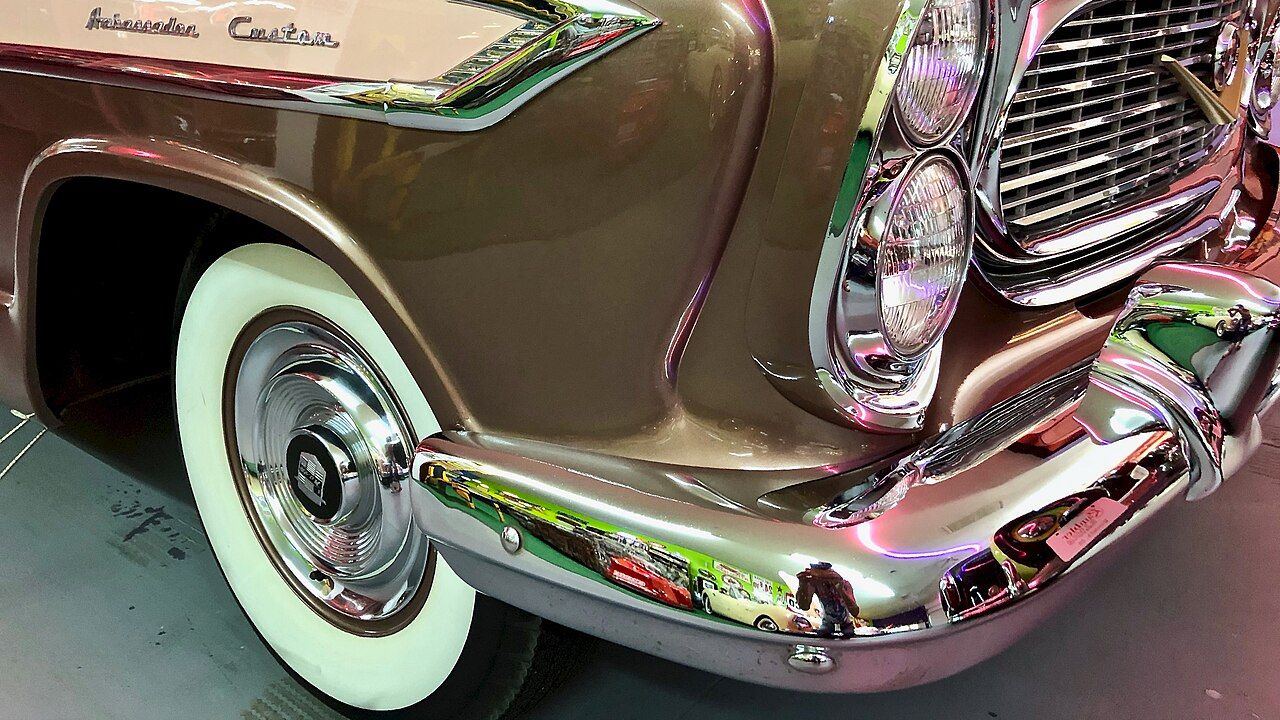
Owning a vehicle with whitewall tires during this era was more than just a choice; it was a declaration of wealth and social standing. These tires were associated with affluent individuals who took pride in their automobiles. The high cost of maintaining the pristine white appearance further enhanced their exclusive appeal. As a result, whitewall tires became a common sight at classic car shows, where collectors and enthusiasts gathered to admire and showcase their prized possessions.
Classic car aficionados continue to value whitewall tires for their historical significance and aesthetic charm. They remain a staple at vintage car exhibitions, celebrated as symbols of a bygone era. The enduring allure of whitewall tires is evident in the continued interest from enthusiasts who seek to preserve the authenticity of their restored vehicles.
Technological and Material Advances
Transition to Radials
The 1960s brought a significant shift in tire technology with the introduction of radial tires. These offered improved performance, better fuel efficiency, and a smoother ride compared to traditional bias-ply tires. This transition had a major impact on the production of whitewall tires, as manufacturers began to focus on the advantages of radial technology. As a result, the once-dominant whitewall tire saw a decline in popularity.
Advancements in tire materials also contributed to the diminishing presence of whitewall tires. As manufacturers experimented with new compounds and construction methods, the emphasis shifted toward creating tires that prioritized performance over aesthetic appeal. Despite these changes, a niche market for whitewall tires persisted, catering to classic car enthusiasts who valued their distinctive appearance.
Modern Manufacturing
Today, the production of whitewall tires continues, albeit on a smaller scale. Companies like Coker Tire specialize in manufacturing these tires for classic and vintage cars, ensuring that these iconic features remain available for those who seek them. The process of creating whitewall tires has evolved, with modern techniques allowing for greater precision and consistency in production.
While the mainstream automotive industry has largely moved away from whitewall tires, their presence in the niche market highlights their enduring appeal. Classic car restorations and custom builds frequently incorporate whitewall tires to achieve an authentic and personalized look. The continued demand for these tires underscores their lasting impact on car culture.
Revival and Nostalgia
The Retro Appeal
In recent years, there has been a resurgence of interest in whitewall tires as part of the vintage and retro car movement. New generations of car enthusiasts are drawn to the nostalgia and charm that these tires evoke. The distinctive style of whitewalls complements the aesthetic of classic cars, enhancing their visual appeal and connecting enthusiasts with a rich automotive heritage.
This renewed interest is evident in the popularity of vintage car events, where whitewall tires are prominently featured. Enthusiasts are embracing the opportunity to relive the glamour of the past by fitting their vehicles with these iconic tires. The retro appeal of whitewalls continues to capture the imagination of those who appreciate the artistry and craftsmanship of classic car design.
Customization and Personalization
Today, whitewall tires serve as a form of personal expression and customization among classic car owners. The availability of these tires for restoration projects and custom builds allows enthusiasts to tailor their vehicles to reflect their unique style and preferences. Whitewall tires are not only a nod to the past but also a canvas for creativity and individuality.
Many car owners choose whitewall tires to enhance the authenticity of their restorations, while others incorporate them into custom designs to create a distinctive look. The versatility of whitewall tires makes them a popular choice for those who wish to stand out and make a statement with their vehicles. This ongoing trend highlights the timeless appeal of whitewalls and their ability to adapt to changing tastes and styles.
The Future of Whitewall Tires
Sustainability and Innovation
As the automotive industry focuses increasingly on sustainability, the production of whitewall tires is being re-evaluated to address environmental concerns. Manufacturers are exploring ways to make the process more eco-friendly, such as using sustainable materials and reducing waste. These efforts aim to ensure that whitewall tires can continue to be enjoyed by future generations without compromising the planet’s health.
Innovation in tire technology could also play a role in reviving whitewall tires for mainstream use. As new materials and manufacturing techniques are developed, there is potential for whitewall tires to be reintroduced with improved performance and durability. These advancements may pave the way for a new era of whitewall tires, blending the classic appeal with modern functionality.
Continued Legacy
The legacy of whitewall tires is a testament to their enduring appeal and significance in automotive history. These tires have left an indelible mark on car culture, symbolizing elegance, style, and innovation. As the automotive landscape continues to evolve, the charm and mystique of whitewall tires remain a source of fascination for enthusiasts and collectors alike.
Speculating about the future, whitewall tires may continue to evolve to meet the demands of car enthusiasts seeking authenticity and style. Whether through sustainable manufacturing practices or innovative designs, the story of whitewall tires is far from over. Their place in automotive history is secure, and they will likely continue to captivate those who appreciate the timeless elegance they represent.

Post a Comment for "The Truth Behind Classic Cars' Whitewall Tires"
Post a Comment