
The World's Mightiest Rocket Prepares for Next Test—Experts Sound Alarms
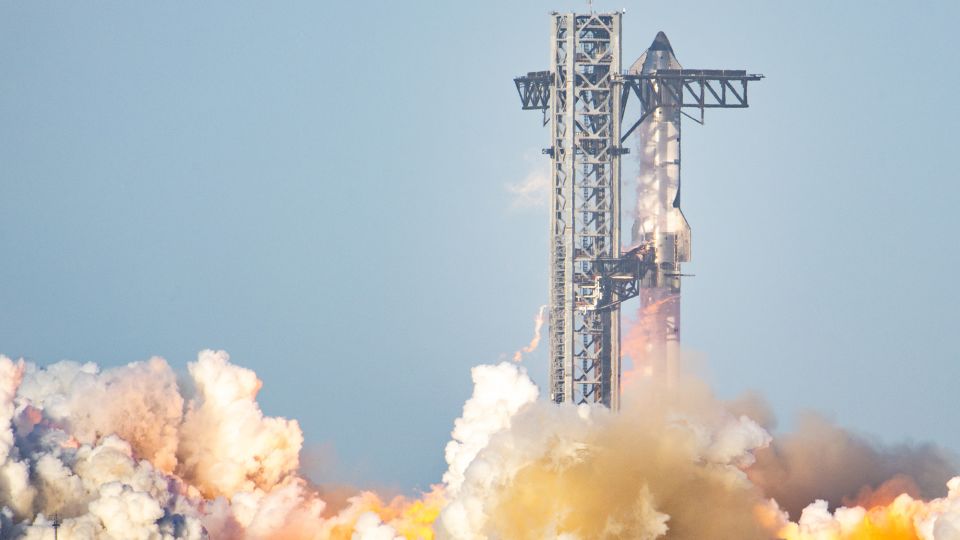
Starship’s Next Test Flight: A High-Stakes Journey
SpaceX is preparing for the next test flight of its Starship megarocket, a vehicle that has become the centerpiece of both innovation and controversy. The uncrewed prototype is expected to launch as early as 7:30 p.m. ET on Sunday, with a webcast beginning 30 minutes prior. This test flight aims to complete objectives left unfulfilled in previous missions, which have ended prematurely due to various technical challenges.
The current generation of Starship vehicles was introduced in January, following a series of successful tests with a slightly smaller version in 2024. However, since its debut, the vehicle has faced multiple setbacks. It has exploded twice over populated islands east of Florida, causing debris to land on roadways in Turks and Caicos and washing up on Bahamian shores. Additionally, during a recent test flight in May, the spacecraft spun out of control while heading toward its landing site in the Indian Ocean.
In June, another incident occurred when a Starship spacecraft exploded at SpaceX's South Texas facilities, damaging infrastructure and scattering shrapnel. These incidents have drawn criticism from various parties, including the Mexican government, which has threatened legal action over reported debris near its shores. The UK government has also expressed concern about the safety of its overseas territories, such as Turks and Caicos.
Despite these challenges, the Federal Aviation Administration (FAA) has approved SpaceX’s plans for the upcoming mission. The FAA stated that there were no reports of public injury or damage to public property, and it accepted the findings of SpaceX’s investigation into the last mishap. The agency noted that SpaceX has identified corrective actions to prevent future issues.
Adjustments and Future Plans
SpaceX has made several modifications to the Starship system, including adjustments to a component called a fuel diffuser, which is believed to have malfunctioned during the last flight. These changes are intended to address the issues that caused the vehicle to spiral out of control.
The company has also announced that the current generation of Starship will soon be retired. According to a company blog post, two more flights remain with the current model, each with test objectives designed to expand the vehicle's capabilities. Elon Musk has already teased plans for larger, more ambitious iterations of the vehicle, which would be even taller and carry more propellant.
Regulatory Support and Growing Stakes
The US government has taken steps to support SpaceX in its efforts to expedite Starship testing. In May, the FAA approved the company’s plans to launch Starship up to 25 times per year from Texas, a significant increase from the five launches previously authorized. Additionally, President Donald Trump issued an executive order aimed at reducing regulatory oversight for private-sector rocket operations, including environmental reviews.
The stakes for Starship are growing with each test flight. SpaceX is racing against the clock to send an uncrewed vehicle to Mars in 2026 and to have NASA astronauts land on the lunar surface by mid-2027 as part of a $2.9 billion contract. Janet Petro, who served as acting NASA administrator until July, expressed full confidence in SpaceX's ability to refine Starship's design and get the vehicle working.
What to Expect from Flight 10
If all goes according to plan, Starship’s next flight, referred to as Flight 10, will see the 400-foot-tall launch system take off from SpaceX’s facilities in South Texas. The Super Heavy booster, which provides the initial thrust, will attempt a controlled splashdown off the Texas coast. Unlike previous missions, the booster will not attempt a "chopsticks" landing but will instead undergo tests to gather real-world performance data.
The upper Starship spacecraft, which will carry only dummy satellites for this mission, will continue flying through space. During the flight, Starship will attempt to deploy eight satellite simulators and relight one of the spacecraft’s rocket engines in space—two milestones that have not been achieved in previous tests.
Even if this V2 Starship prototype faces another setback, SpaceX is likely to frame the test as a success. The company employs a philosophy of "rapid iterative development," emphasizing frequent test flights over extensive ground testing. This approach allows engineers to learn from failures and improve designs quickly.
The Road Ahead
SpaceX’s development approach, while often seen as risky, has proven effective in the past. The company’s human spaceflight track record using Falcon 9 rockets has been spotless. If Starship eventually works, it could revolutionize the space industry by making space travel more affordable.
Garrett Reisman, a former NASA astronaut and SpaceX consultant, acknowledges the uncertainty surrounding Starship’s future. “It’s very, very difficult to predict how this is going to end up,” he said. “It could end up never working, or it could revolutionize our entire future of activities in space—and geopolitics.”
As SpaceX continues its journey with Starship, the world watches closely, hoping for a breakthrough that could reshape the future of space exploration.

Post a Comment for "The World's Mightiest Rocket Prepares for Next Test—Experts Sound Alarms"
Post a Comment