
This Hair Extension Secret Gives Longer, Fuller Locks
Understanding Microlink Hair Extensions
Hair extensions have been a popular way for people to enhance their look, offering added length, volume, and style. Over the years, various types of extensions have emerged, each with its own set of advantages and disadvantages. From crocheted extensions and sew-in weaves to clip-ins and glue-ins, there are countless options available. However, one method that has recently gained significant attention is microlink hair extensions.
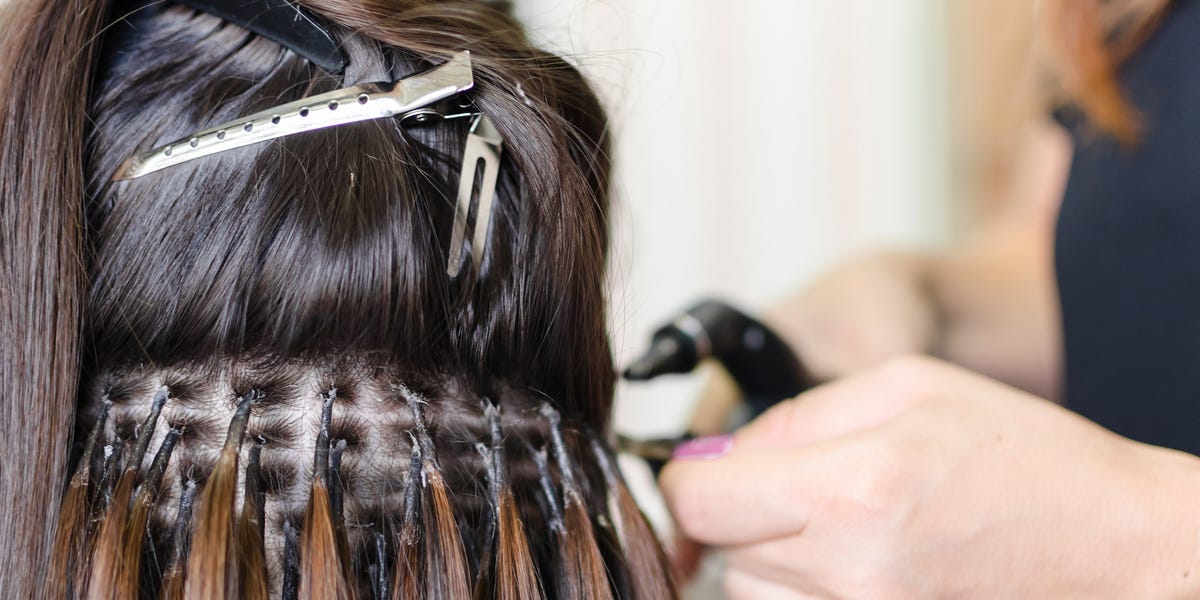
Microlinks, also known as micro loops, micro rings, or micro cylinders, are a type of extension that uses small metal or silicone cylinders—commonly referred to as micro beads—to attach individual batches of hair extensions to clusters of natural hair. This technique allows for a more natural appearance while minimizing the tension on the scalp compared to other methods.
How Microlink Extensions Are Installed
The installation process involves parting the hair into small sections and pulling those sections through the micro beads until the bead is at the root of the hair. Individual wefts of synthetic or human hair extensions are then pulled through the same beads. A specialized plier is used to flatten the bead and clamp the natural hair and extension together. This method ensures that the extensions are securely fastened without causing excessive strain on the hair.
According to LeAna McKnight, a hairstylist and founder of SL Raw Virgin Hair, the weight of each microlink is relatively light, typically ranging from 0.7g to 1g. This means that the installation process can be quite time-consuming, often taking between four to six hours depending on the amount of hair being extended. Some professionals, like Angelo David Pisacreta, estimate the installation time to be closer to two and a half hours, depending on the client's needs.
Who Can Benefit from Microlink Extensions?
While microlink extensions are suitable for many individuals, they may not be ideal for everyone. Pisacreta notes that clients with very fine or thin hair might experience breakage or further thinning due to the weight of the beads. Those with medium to thick hair strands are generally better suited for this method. Additionally, individuals with sensitive scalps who find traditional braiding uncomfortable may find microlinks to be a more comfortable alternative.
However, it’s important to note that microlinks are not a protective style designed to shield hair from damage. If your hair is already damaged, prone to breakage, or requires frequent washing and conditioning, this might not be the best option for you. McKnight advises that if you have a lot of split ends, it could be challenging for your stylist to conceal them during the installation process.
Benefits of Microlink Extensions
One of the primary advantages of microlink extensions is that they are relatively gentle on the hair. Unlike sew-in weaves, which require cornrows, microlinks do not involve braiding down the hair, reducing tension on the scalp and minimizing the risk of issues such as hair breakage or traction alopecia.
Additionally, microlinks offer a natural look since your own hair remains largely visible. This makes them an excellent choice for those looking to blend seamlessly with their natural hair texture and color. As Pisacreta points out, it’s crucial to work with a skilled stylist who can tailor the extensions to match your specific hair type.
Another benefit is that microlinks can last for several weeks to months with proper maintenance. They are also reusable, allowing for reinstallation after removal. However, it’s essential to keep up with regular maintenance appointments to prevent the beads from slipping or twisting, which can lead to tangling and breakage.
Proper Care for Microlink Extensions
Maintaining microlink extensions requires regular visits to your stylist every two to three months. During these appointments, the stylist will open the beads, remove the extensions, clean and condition both the extensions and your natural hair, and then reattach the hair. This process helps ensure that your extensions remain in good condition.
At home, it’s important to shampoo and condition your hair weekly, gently untangling your strands to prevent knots. When applying conditioner, avoid overloading the scalp to prevent the links from slipping. While you can wear any hairstyle with microlinks, keeping your hair down is the safest way to hide the beads. If you prefer to tie your hair up, opt for a loose style to minimize stress on the links. Using a silk or satin bonnet at night can also help reduce tangling and protect the extensions.
Cost Considerations
The cost of microlink extensions varies depending on several factors, including the stylist’s experience, the location, and the quality of the hair used. Installation fees can range from $800 to $2000, while the hair itself can cost anywhere from $2200 to $4000. Maintenance appointments typically cost between $400 and $600 each.
Despite the high price tag, microlinks can be a great investment for those willing to commit to the necessary care and maintenance. For others, the cost and effort may not be worth it, making it essential to weigh the pros and cons before deciding.

Post a Comment for "This Hair Extension Secret Gives Longer, Fuller Locks"
Post a Comment