
Top 10 Baby Sunscreens Trusted by Moms in 2025
Understanding the Importance of Baby Sunscreen
When it comes to protecting your baby’s delicate skin, not just any baby sunscreen will do. Whether you're heading off on a trip, taking a walk in the sun, or simply spending time in the garden, finding the right kids' sunscreen and a good sun hat is essential. The NHS advises keeping babies under six months out of direct sunlight entirely, but for those unavoidable moments outdoors, a gentle, high-quality sunscreen offers an added layer of reassurance. And once your little one is over six months old, daily sunscreen use is recommended in the UK from March through to October.
With so many options on the market, it's important to understand what makes a good baby sunscreen. Here are some key factors to consider when selecting the best product for your child.
What to Look for in a Sunscreen
Baby sun safety is paramount because they have extremely delicate skin with very little melanin, making them especially vulnerable to the sun’s harmful rays. Dr. Jennifer Crawley, a leading pediatric dermatologist and Childs Farm consultant, emphasizes the importance of SPF, or Sun Protection Factor, which measures the amount of UVB protection the sunscreen offers. She recommends choosing a sunscreen with a high SPF (at least 30) to ensure a good level of protection. Involving your child in the application process can make it a fun task that you do together rather than a dreaded battle.
When choosing the best sunscreen for your baby, look for gentle ingredients, water resistance, and an easy-to-apply formula that works for your routine. Protecting your baby's delicate skin from the sun is crucial.
How Mother&Baby Tested the Best Sunscreen for Babies and Toddlers
At Mother&Baby, we know that choosing the right sunscreen for your baby isn't just about SPF numbers; it’s about trust, safety, and finding a product that fits into everyday life. To help you make the most informed choice, we combined real-world parent testing with expert insight and in-depth research.
7 out of the 11 sunscreens were tested over several weeks by parents with babies aged three months to four years during spring and summer, when UV exposure is most intense. Our parent testers assessed how well each product protected delicate skin during outdoor walks, playtime, and holidays abroad, including sunny and cloudy days, which still carry UV risk.
Our testing focused on both objective and subjective factors. We looked at SPF level and UVA/UVB protection, how easy the sunscreen was to apply to wriggly toddlers, and how quickly it absorbed without leaving residue. Our parent testers also scored each product for how their baby’s skin reacted. For this, we used a variety of children with different skin types, such as eczema-prone and sensitive skin.
We considered texture, scent, white cast, stickiness, packaging design (especially for on-the-go use), and whether the formula was mineral-based or chemical. Finally, we assessed the overall value for money.
Where a product hasn’t yet been tested hands-on, it’s only included based on trusted reviews, dermatologist backing, and high ratings from real parents. As we continue our testing programme, we’ll keep this guide updated with even more real-world results.
Choosing the Right Sunscreen for Your Baby
Choosing sun cream for your little one can be a real head-scratcher, but we asked our lovely community on social media to vote for their favorite kid-friendly SPF, and the results are in! Whether you’re packing for a holiday or just prepping for sunny days at the park, here’s how our top picks stacked up:
- Soltan Kids – A clear favorite with 43% of the votes (259 votes). Parents love Boots Soltan for its trusted protection and easy application!
- Childs Farm – Coming in at 30% (176 votes), Childs Farm is a go-to for those with sensitive or eczema-prone skin.
- Nivea – With 24% (140 votes), Nivea is a familiar classic that’s gentle and reliable.
- SunSense – A smaller, but mighty following with 3% (20 votes), perfect if you’re after something a bit different.
Expert Tips for Selecting the Best Sunscreens for Infants and Toddlers
Dr. Laura Geige, a GDC-registered dentist and cosmetic dermatologist, offers expert advice on selecting the best sunscreens for infants and toddlers. She emphasizes the importance of choosing a broad-spectrum sunscreen with an SPF of at least 30, which protects against both UVA and UVB rays. Mineral-based sunscreens containing zinc oxide or titanium dioxide are preferable, as they sit on top of the skin and reflect the sun's rays without being absorbed, reducing the risk of skin irritation or allergic reactions.
Ensure the sunscreen is water-resistant and free from harmful chemicals such as oxybenzone, parabens, and fragrances. It's also important to choose products labeled specifically for infants or sensitive skin, as these are formulated to be extra gentle.
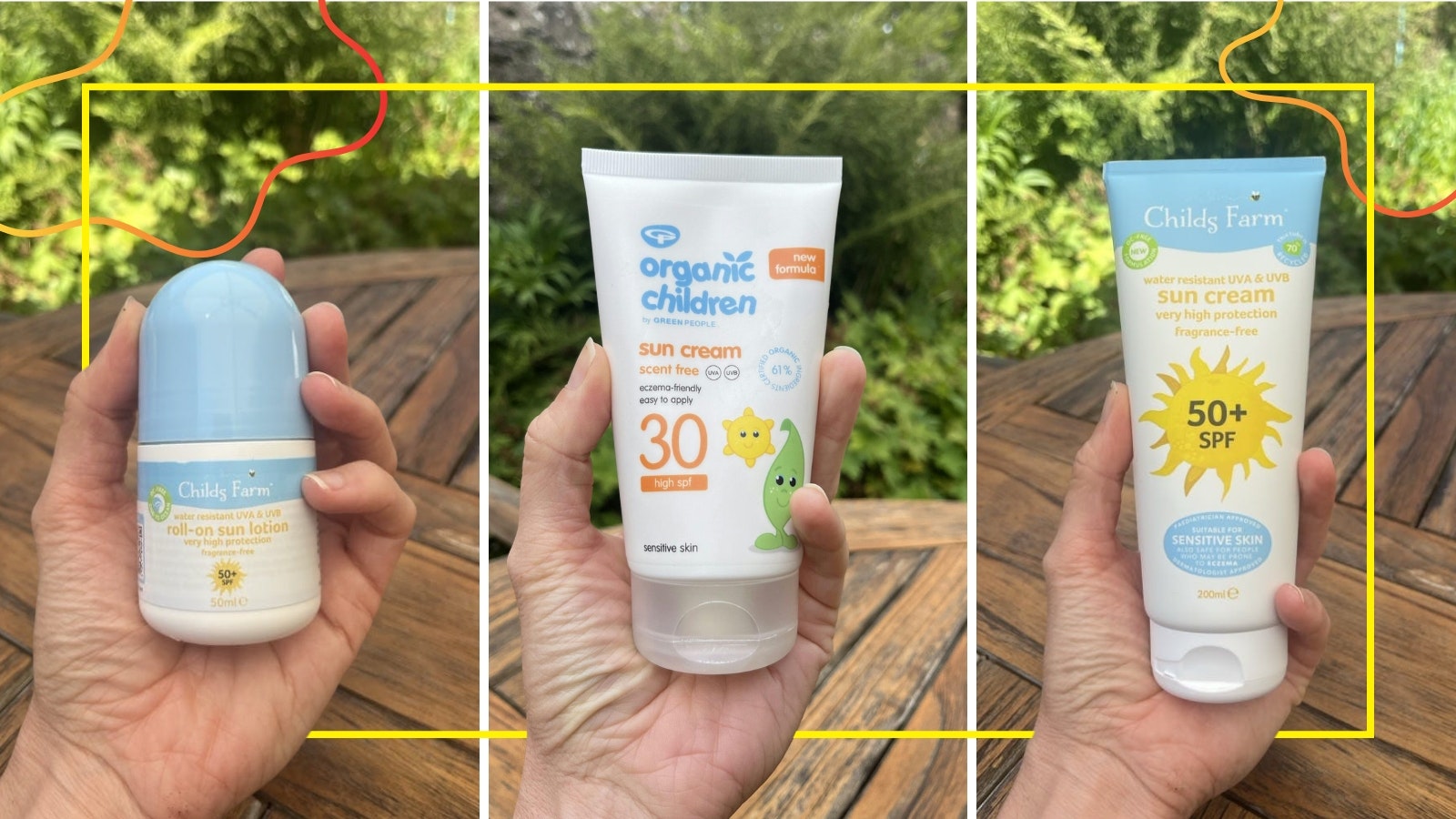
From a practical viewpoint, consider what type of application will best suit your needs. For example, if you have a wriggly baby, a pump-style bottle might be easier. Reluctant toddlers might enjoy getting involved. Roll-on-style products are often considered the best sunscreen for toddlers as they enable little ones to "help" apply the sunscreen to their own bodies.
Applying Sunscreen on Babies and Toddlers
When going out in the sun, every exposed part of their skin should be covered in sunscreen about 15-30 minutes before they actually go outside. This is easier said than done with wriggly little ones. To combat that, you can make it a fun game or pick a formula that's quick and easy to apply.
When applying, make sure you cover their face, ears, arms, hands, legs, feet, shoulders, and behind the neck, moving bits of their clothing like straps and sleeves to get a good amount of coverage.
Dr. Laura Geige adds the following advice: - Proper application is key to ensuring maximum protection. - Apply sunscreen generously to all exposed areas of your child's skin about 15-30 minutes before heading outdoors. - Pay special attention to often-missed spots like the ears, the back of the neck, and the tops of the feet. - For the face, use a sunscreen stick or a mineral sunscreen to avoid the risk of stinging if it gets into the eyes. - Reapply every two hours, and more frequently if your child is swimming or sweating.
She says, "It's essential to make applying sunscreen a part of your regular routine, even on cloudy days, as UV rays can penetrate through clouds."
Can I Use One Sunscreen for the Entire Family?
While it may be convenient to use the same sunscreen for everyone, caution is advised. Sunscreens designed for adults often contain chemicals and fragrances that might irritate a baby's sensitive skin. Opt for a high-quality mineral sunscreen that is safe for all ages if you prefer a single product for the whole family. However, for babies and toddlers, using a sunscreen specifically formulated for their delicate skin is always the best choice.
Why Can't Babies Under 6 Months Use Sunscreen?
Many parents want to know why sunscreen can't be used on babies under 6 months. Babies have delicate and sensitive skin, so when they're over 6 months old, sunscreen can be the answer to protecting them, but before 6 months, it actually isn't. This is because younger infants are more susceptible to the uncomfortable side effects of sunscreen, which could include rashes, so sunscreen won't be the right choice for babies under 6 months.
Dr. Laura Geige explains, "Babies under six months have skin that is thinner and more permeable than that of older children and adults. This makes them more susceptible to the potentially harmful effects of sunscreen ingredients. Their skin's limited barrier function and their higher surface-area-to-body-weight ratio mean they absorb more chemicals relative to their size. Consequently, it's safer to avoid using sunscreen and instead rely on physical barriers like clothing and shade to protect their skin."
How Long Can Babies and Toddlers Spend in the Sun?
When they're under 6 months old, your little one shouldn't be out in the sun, but after that point, with the right protection, they can enjoy sunny days along with the rest of the family. Obviously, with sunscreen, hydration, a good baby or toddler sun hat, and time in the shade, your baby or toddler should be safe in the sun, but make sure it's only for 30-60 minutes at a time.
Dr. Laura Geige says, "Exposure time should be carefully managed to prevent sunburn and overheating." She advises the following: - For babies under six months, avoid direct sunlight as much as possible. - Limit sun exposure to short periods for older babies and toddlers, ensuring they are well-hydrated and their skin is adequately protected. - Even with sunscreen, clothing, and shade, try to keep outdoor playtimes during early morning or late afternoon when the sun is less intense. - Frequent breaks and time spent in the shade can help mitigate the risks associated with sun exposure.
Dr. Geige says, "Protecting your child's skin from the sun is an essential aspect of their overall health and well-being. By choosing the right sunscreen, applying it correctly, and implementing additional protective measures, you can enjoy the outdoors safely. Always prioritize your child's comfort and safety, and consult with your paediatrician if you have any concerns regarding sun protection. Remember, instilling good sun protection habits early on sets the foundation for a lifetime of healthy skin."
Protecting Babies Who Can't Wear Sunscreen
When your baby is under 6 months old, you'll be focusing on keeping them out of the sun. This can be achieved with a parasol or pram sun shade attached to their pram. You can also get sun shades for the car. Also dress them in lightweight clothing and place them in a cool place with shade.
When they pass that 6-month point, similar will apply, but you can also add sunscreen, a sun hat, and even some baby sunglasses to your protective kit. And as with adults, they'll need to stay hydrated and get breaks from the sun. If they do end up a little burnt, don't panic, using some kids' aftersun can really help to soothe the pain.
Dr. Laura Geige offers the following expert guidance: - For infants under six months, sun protection should primarily involve physical barriers. - Keep your baby in the shade as much as possible, using umbrellas, stroller shades, or canopies. - Dress them in lightweight, long-sleeved clothing and wide-brimmed hats to shield their skin from direct sunlight. - Consider clothing with a UPF (Ultraviolet Protection Factor) rating for added protection. - Sunglasses with 100% UV protection can safeguard their sensitive eyes. - Avoid sun exposure during peak UV radiation hours, typically between 10 a.m. and 4 p.m.
About the Experts
Dr. Jennifer Crawley is a leading pediatric dermatologist and consultant for Childs Farm, who has more than 10 years of experience in dermatology, working at the University College Hospital London. She believes a re-education is needed when it comes to sun protection and is urging people to get out of the mindset that suncream is just for holidays abroad or for peak heatwaves.
Dr Laura Geige is a GDC-registered dentist, an aesthetician with a level 7 qualification in medical aesthetics, an assessor, a clinical trainer, a cosmetic dermatologist, and a facial specialist. Driven by a profound understanding of skincare, she has significantly contributed to the development of product portfolios for beauty brands through her adept diagnosis and treatment of various skin conditions.
Stephanie Anthony is the Deputy Digital Editor at Mother&Baby and auntie to four aged 7 to 2 months old. With a particular interest in health, she loves discovering products that make parent’s lives easier.

Post a Comment for "Top 10 Baby Sunscreens Trusted by Moms in 2025"
Post a Comment