
Top Causes of Car Oil Leaks Revealed
Understanding Common Causes of Oil Leaks in Your Vehicle
Your car’s engine, whether it runs on gasoline, diesel, or a hybrid system, needs the right amount of oil to function properly. While too much oil can be harmful, the correct level helps protect the engine during cold starts, reduces friction, and improves fuel efficiency. Regular oil changes are essential for extending your engine’s life, but all that effort is wasted if you have oil leaks. Even minor leaks can escalate over time, and more severe ones can cause your vehicle to consume oil rapidly.
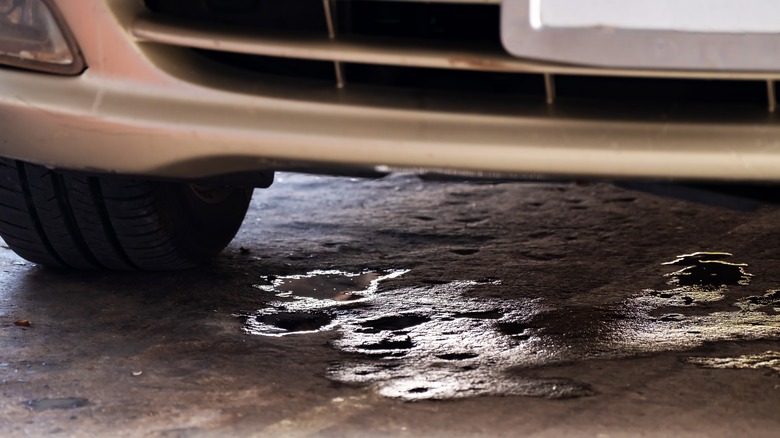
Some oil leaks are easy to spot, like stains or buildup around areas such as the valve covers. Others may be harder to detect, but they often result in visible oil spills on your garage floor, especially under the engine bay. Typically, these issues stem from the age of the vehicle, normal wear and tear, or neglect. Even well-designed engines can experience oil leaks, and newer models aren’t immune either. In some cases, poor engineering or low-quality materials can lead to oil leaks, as seen with certain Jeep models. The reality is that as mileage increases, most engines will eventually develop oil leaks, and understanding the causes can help you address them before they become serious.
Leaky Gaskets: A Common Culprit
Modern engines rely on numerous gaskets to keep everything sealed and prevent unwanted mixing of gases, coolant, and oil. When these gaskets deteriorate, they can allow oil to leak out. For example, the valve cover gasket can wear down over time, leading to oil seeping from the top of the engine. Another potential source of leaks is the oil filler cap, particularly around the oil filler hole. If the cap is damaged or not seated properly, it can let oil escape while the engine is running.
The oil pan gasket, located beneath the engine, is another common point of failure. It prevents oil from leaking out of the crankcase. However, repeated cycles of heating and cooling, along with stress from heavy towing or aggressive driving, can damage this gasket, resulting in oil leaks.
Check the Drain Plug and Oil Filter After an Oil Change
If you recently changed your oil, it’s important to inspect the drain plug and oil filter for any signs of leakage. Many vehicles use a small gasket or rubber washer on the drain plug, which can wear out over time. Experienced mechanics often recommend replacing this gasket with every oil change to prevent leaks.
Some cars feature plastic oil pans with non-reusable drain plugs, meaning you must replace them each time you change the oil. While some drivers attempt to reuse these parts, doing so could void your warranty. Additionally, an improperly installed oil filter can also cause leaks. Always check that the old filter’s gasket has been removed and that the new one is properly seated to maintain a secure seal.
Deteriorated Oil Seals: A Sign of Aging
Oil seals serve a similar purpose to gaskets, helping to keep oil contained within the engine. Over time, these seals can break down due to pressure, heat, and mechanical stress. Crankshaft and camshaft seals, in particular, are prone to failure as the engine ages. This often results in oil dripping from the front or back of the engine, near the timing cover.
A worn timing cover seal can also lead to oil leaks from the top or side of the engine. These issues are typically best handled by a professional mechanic, especially if you’re not confident in your ability to diagnose and repair the problem yourself.
The Role of the PCV Valve in Preventing Leaks
The Positive Crankcase Ventilation (PCV) system plays a crucial role in managing blow-by gases and preventing excessive pressure buildup inside the engine. Over time, the PCV valve can become clogged with oily residue, which disrupts its function. This can lead to increased pressure in the crankcase, causing gaskets and seals to fail prematurely and resulting in oil leaks.
A clogged PCV valve can also cause the engine to burn oil and produce sludge, which can severely damage the engine if left unchecked. To prevent these issues, it’s recommended to clean or replace the PCV valve every 20,000 to 50,000 miles. Signs of a faulty PCV valve include hissing sounds, rough idling, oil leaks, and engine misfires. Regular maintenance and timely replacements can help avoid these problems and keep your engine running smoothly.

Post a Comment for "Top Causes of Car Oil Leaks Revealed"
Post a Comment