
Trump's Bitcoin Obsession and What It Means for American Money
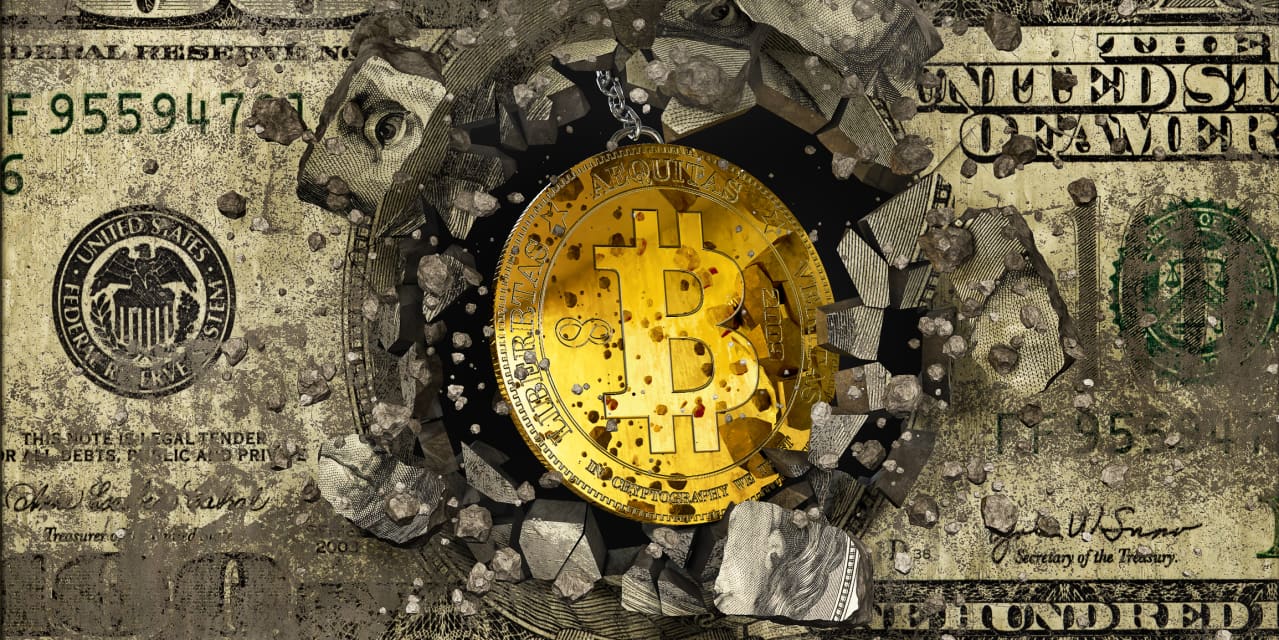
The Strategic Bitcoin Reserve and Its Implications for Investors
Bitcoin isn’t just a speculative asset anymore — it’s now considered worthy of national reserves alongside gold. With the signing of Executive Order 14233 in March 2025, President Donald Trump made history by establishing America’s first Strategic Bitcoin Reserve. This move signals that the U.S. government is officially treating bitcoin as a national reserve asset, alongside gold and other strategic holdings in the federal vault.
This unprecedented action has significant implications for investors, especially those looking to diversify their portfolios and protect their wealth. The most immediate effect for investors is the newfound legitimacy of bitcoin. When the executive order was announced, bitcoin was trading above $90,000, partly fueled by anticipation of this exact policy. As of August, the U.S. government holds nearly 200,000 bitcoin worth roughly $24 billion, making it potentially the world’s largest sovereign bitcoin holder.
The Trump administration referred to bitcoin as “digital gold” due to its fixed supply of 21 million coins and its secure, hack-resistant nature. This official endorsement matters for several reasons. It signals to institutional investors that bitcoin is no longer just a speculative asset. For individual investors, this validation could mean increased corporate adoption as companies follow the government’s lead, potential regulatory clarity that makes cryptocurrency investments less risky from a compliance standpoint, and growing acceptance of bitcoin in traditional financial products, including 401(k) plans and IRAs.
Weakening the Dollar and the Shift in Confidence
Most Americans hold the majority of their wealth in dollar-denominated assets. Perhaps more significant for most Americans is what the bitcoin reserve reveals about the U.S. dollar’s prospects. The timing isn’t coincidental — in 2025, the U.S. dollar index suffered its worst first-half performance in more than 50 years. When your own government starts diversifying into bitcoin, it raises questions about confidence in the dollar’s long-term strength.
This matters enormously for your investments. Most Americans hold the majority of their wealth in bank accounts, bonds, money-market funds, and stocks. While the dollar’s reserve-currency status remains intact, its share of global reserves fell to about 58% in the first quarter of 2025, from 71% in 2000, as central banks diversified into gold and other assets.
For your portfolio, this suggests several potential strategies. International diversification becomes more attractive when your home currency is under pressure. Foreign stocks, international bonds, and commodities could provide a hedge if dollar weakness continues. Real assets such as real-estate investment trusts (REITs) and commodity-focused funds historically perform better during currency debasement periods.
Should You Follow the Government’s Lead?
The most obvious question for investors is whether to have bitcoin exposure now that the Trump administration has blessed the cryptocurrency. The argument for bitcoin investment has several components. Scarcity economics favor bitcoin in the long term — with only 21 million coins ever to be created and millions already in circulation, supply constraints could drive prices higher as adoption grows. The government’s policy removes a major overhang risk (regulatory crackdown) that has historically suppressed bitcoin prices.
Corporate adoption is accelerating, and federal endorsement could encourage more corporate treasury allocation. If large companies start following the government’s example, demand could significantly outstrip the limited supply. However, the risks remain substantial. Bitcoin’s volatility is extreme compared with traditional assets. Even crypto-industry advocates acknowledge that “bitcoin would plunge roughly 70% to 80% from its record high” in previous cycles, with current optimistic projections still expecting “corrections in the range of 30% to 50%.”
For most investors, the prudent approach is measured exposure. Financial advisers generally recommend limiting cryptocurrency to 1%-5% of total portfolio allocation due to volatility risks.
Inflation Protection or False Promise?
The U.S. government’s decision to hold bitcoin suggests official acknowledgment of inflationary risks. One of the most compelling arguments for the bitcoin reserve is its potential as an inflation hedge. With the U.S. money supply (M2) reaching record highs, fears of currency debasement are driving investor interest in alternatives to cash.
Bitcoin proponents argue that its fixed supply makes it immune to the monetary printing that erodes traditional currencies. Unlike fiat money, which central banks can create at will, bitcoin’s algorithmic scarcity theoretically protects against inflation. However, bitcoin’s track record as an inflation hedge is mixed. During recent inflationary periods, bitcoin has at times moved with risky assets rather than providing the stable purchasing power preservation that gold traditionally offers.
Its correlation with stock markets during stress periods suggests it may not provide the portfolio protection that traditional inflation hedges deliver. For investors seeking inflation protection, a diversified approach makes sense. This might include some bitcoin exposure alongside proven inflation hedges such as Treasury inflation-protected securities (TIPS), real estate, commodities, and international assets.
Risk Management: What Could Go Wrong
Concentrating billions of dollars in digital assets creates attractive targets for hackers and nation-state attacks. Critics raise valid concerns about the bitcoin reserve that investors must consider. Prominent economists remain skeptical about federal cryptocurrency reserves, viewing them as speculative rather than prudent fiscal policy. The security risks are real — concentrating billions of dollars in digital assets creates attractive targets for hackers and nation-state attacks.
Political risk is another factor. The bitcoin-reserve policy could be reversed by future U.S. administrations, potentially creating market volatility. If the government ever needs to sell its bitcoin holdings during a crisis, the market impact could be severe given the relatively small size of cryptocurrency markets compared with traditional assets.
For individual investors, these risks suggest maintaining portfolio balance and avoiding overconcentration in any single asset class, including bitcoin. Proper risk management means sizing positions appropriately and maintaining adequate traditional asset allocation even while exploring cryptocurrency opportunities.
Conclusion
The Strategic Bitcoin Reserve represents a historic shift in how the U.S. government views cryptocurrency, with significant implications for all investors. The policy provides unprecedented legitimacy to bitcoin while raising questions about the long-term strength of the dollar. This means that a modest bitcoin allocation may now be justified given government endorsement; international diversification could be more important amid dollar weakness; inflation protection strategies deserve renewed attention; and traditional assumptions about currency stability may need updating.
For investors, the message is clear: The financial landscape is shifting, and portfolio strategies may need to evolve accordingly. Whether bitcoin proves to be digital gold or digital fool’s gold, the U.S. government has made a significant bet — and understanding the implications is crucial for your financial future.

Post a Comment for "Trump's Bitcoin Obsession and What It Means for American Money"
Post a Comment