
Why the Strong Stock Market Could Be Hiding a Deeper Economic Crisis
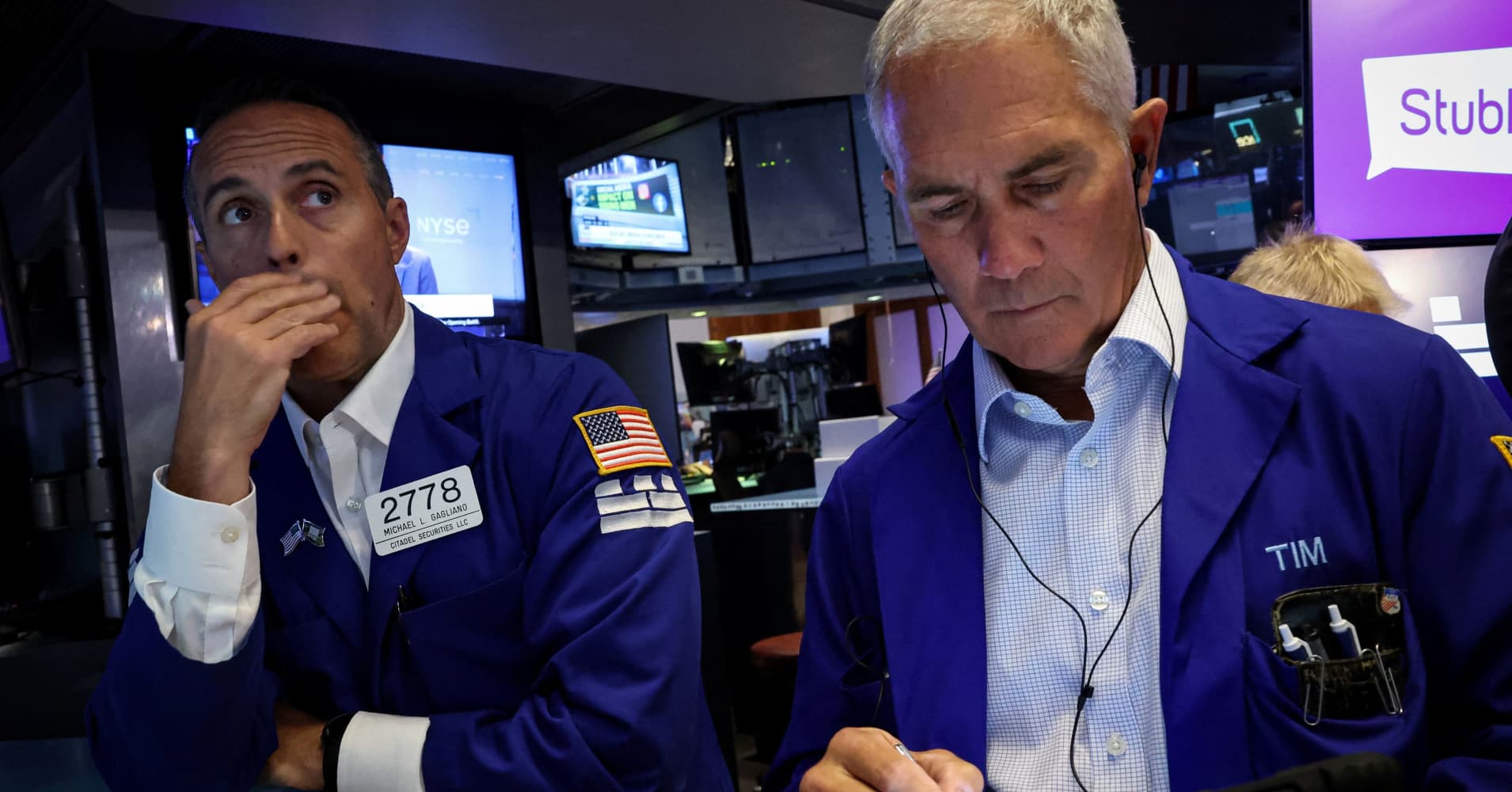
The Stock Market's Influence on Consumer Spending and Economic Stability
The stock market has shown remarkable resilience despite challenges such as tariffs, political uncertainty, and a sluggish job market. This resilience has translated into increased consumer spending, which is providing a foundation for the broader economy. Many had anticipated a recession, but recent economic data suggests otherwise.
According to the University of Michigan consumer survey, individuals with significant stock holdings are feeling optimistic, while those with smaller or no investments are less so. This disparity highlights the growing divide in economic sentiment among different income groups.
Mark Zandi, chief economist at Moody's Analytics, warns that the economy is vulnerable if the stock market experiences a downturn. "The economy's very vulnerable if the stock market does turn south, for whatever reason," he said. He explained that when people see their investments decline, they tend to save more rather than spend, which could lead to a recession, especially given the current lack of job growth.
A Shift in Economic Narratives
Previously, economic growth was driven by government stimulus and low interest rates. However, the narrative is now shifting toward the wealth effect, where rising stock prices are fueling consumer spending. High-income households, who have seen their portfolios increase, are leading this trend.
The stock market has experienced a steady climb this year, supported by factors such as increased AI investment and strong performance from major industrial and communication companies. The Dow Jones Industrial Average has gained over 9%, while the Nasdaq Composite has risen by 23%. These gains reflect a broader sense of optimism among investors.
Despite this positive outlook, consumer sentiment has been declining. The University of Michigan index of consumer sentiment fell to 55.1 in September, just below the expected 55.4. This marked a 5.3% drop from August and a 21.6% decrease from the same period last year. The decline was widespread, affecting all age groups, income levels, and educational backgrounds.
Political Divides in Sentiment
Interestingly, the survey also revealed some political differences in sentiment. While sentiment declined for independents and Republicans, it actually increased for Democrats. Inflation expectations remained relatively stable, with one-year expectations at 4.7% and five-year expectations at 3.7%.
However, many consumers continue to express frustration over high prices. According to the survey, 44% of respondents mentioned that high prices are eroding their personal finances, the highest level in a year. This indicates that despite overall economic stability, many Americans are still struggling with rising costs.
The Wealth Effect and Economic Vulnerability
The top 10% of earners in the U.S. own 87% of the market, according to St. Louis Fed data. This concentration of wealth means that those with larger stock holdings are benefiting significantly from the market's performance. However, this also makes the economy more susceptible to market fluctuations.
Zandi emphasized that the current economic strength could be built on "sand." If the stock market were to decline, it could trigger a chain reaction of reduced spending and increased savings, potentially leading to a recession.
Valuations are another concern, with the S&P 500 currently trading at 22.5 times expected earnings for the next 12 months, well above historical averages. Despite these concerns, recent economic data suggests few signs of a recession.
Positive Economic Indicators
Consumer spending in August increased by 0.6%, according to Commerce Department numbers, exceeding expectations. Adjusted for inflation, spending rose by 0.4%, indicating that consumers are still managing to cope with price increases. Inflation remains above the Federal Reserve’s 2% target, with core inflation at 2.9%. However, monthly increases are in line with previous trends, suggesting that the Fed may proceed with rate cuts in October and possibly again in December.
Other positive economic indicators include a 3.8% annualized GDP growth in the second quarter, revised upward from earlier estimates. The Atlanta Fed also raised its GDP tracking estimate for the third quarter, projecting a 3.9% growth rate. Durable goods orders and new home sales also showed unexpected increases, while jobless claims appeared to be a temporary blip.
A Delicate Balance
While the economy appears stable, there is a growing concern about the uneven distribution of economic benefits. Consumers at the lower end of the income spectrum are not participating in the stock market boom, leading to a sense of dissatisfaction. Elizabeth Renter, senior economist at NerdWallet, noted that the economy is balanced on a knife’s edge, with many consumers feeling uncertain about their financial future.
"Wealth provides some insulation from perceived economic volatility, and investors have been largely doing OK," she said. "Consumers are attuned to the current economic risks — inflation and labor market weakness. This could be due to first-hand experiences — food prices rose significantly last month — or because they're on edge from headlines tracking key economic data. In any case, people aren't feeling great about the economy, their place within it or where it's all headed."
In conclusion, while the stock market's performance is boosting consumer spending and supporting the economy, the underlying vulnerabilities remain. The economy's health depends on continued market stability and broad-based economic growth.

Post a Comment for "Why the Strong Stock Market Could Be Hiding a Deeper Economic Crisis"
Post a Comment