
10 Animals That Die After Giving Birth
Animals and Insects That Sacrifice Their Lives for Reproduction
Nature is full of fascinating examples of animals that dedicate their entire lives to reproduction, often at the cost of their own survival. This phenomenon, known as "semelparity," occurs when an organism reproduces only once in its lifetime and then dies. These species have evolved unique strategies to ensure the survival of their offspring, even if it means sacrificing themselves. Here are ten remarkable examples of such creatures.
1. Aphids (Myzus spp.)
Aphids are small insects found in moderate to hot climates around the world. They are commonly seen on cultivated plants, bushes, and woody plants. With a lifespan of 20 to 40 days, these insects focus all their energy on reproduction. Female aphids can reproduce without mating, giving birth to genetically identical offspring. Some of these offspring are even born pregnant. The intense reproductive cycle can lead to exhaustion, with some individuals dying from the strain.

2. Praying Mantis (Stagmomantis spp.)
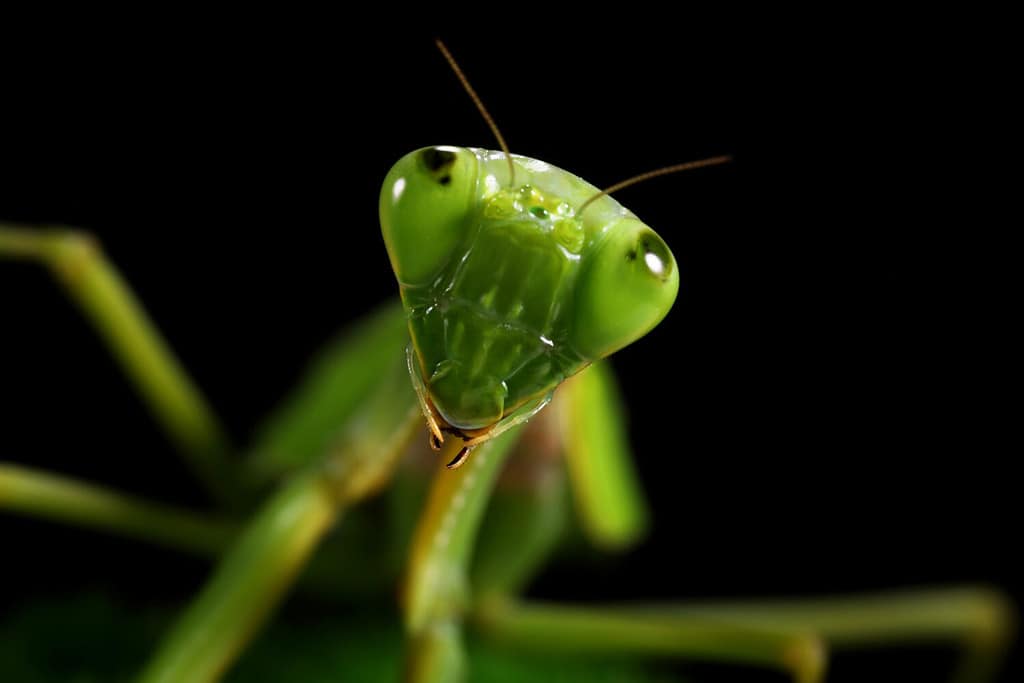
Praying mantises are found in gardens, grasslands, and forests worldwide. Their lifespan typically lasts about a year. After mating, the female lays eggs inside a protective egg case called an ootheca. The gestation period varies depending on the temperature. Once the eggs are laid, the female often dies within weeks or months due to the high energy cost of reproduction.
3. Labord’s Chameleon (Furcifer labordi)
Labord’s chameleons are native to Madagascar's dry forests. These chameleons live for only four to five months after hatching. After reaching maturity, males typically die shortly after mating. Females lay one clutch of eggs underground, which incubate for 8 to 9 months before hatching during the wet season. Both males and females die due to hormonal changes and physical exhaustion, ensuring resources are available for the next generation.

4. Brown Antechinus (Antechinus stuartii)
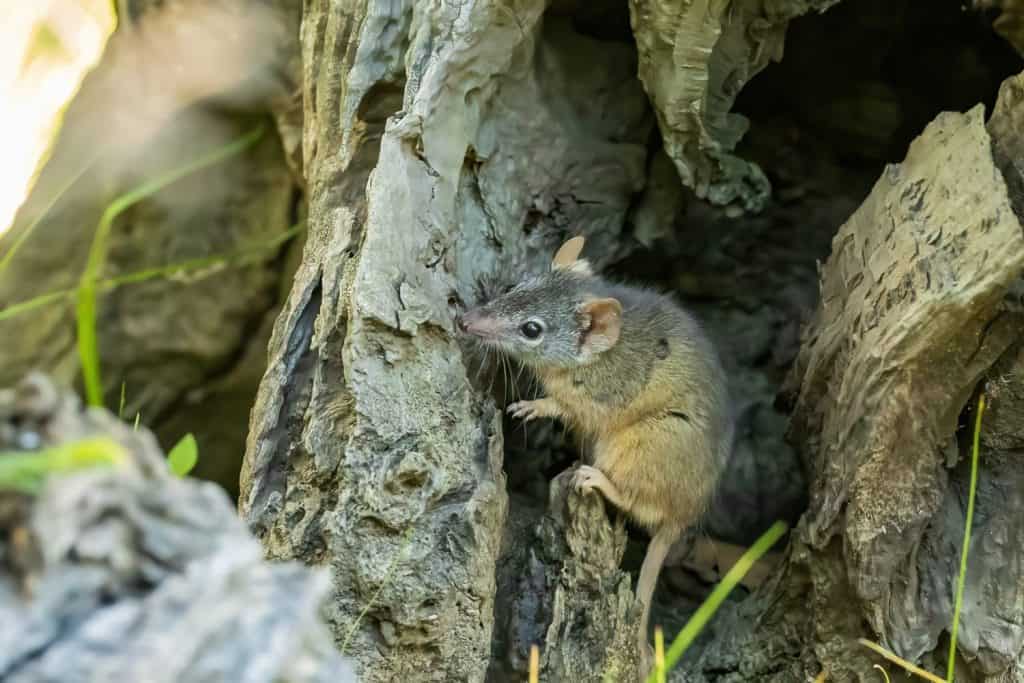
The brown antechinus is a marsupial found in eastern Australia. Males have a short, active lifespan, often dying during the breeding season. During this time, their cortisol levels spike, leading to internal bleeding, immune system failure, and organ malfunction. Females may survive longer but can also die after nursing their first litter due to the physical toll of reproduction.
5. Mayfly (Ephemeroptera spp.)
Mayflies are common in freshwater environments. As larvae, they can live up to a year, but as adults, they only survive for a few hours to a couple of days. Adult mayflies lack functional mouthparts, so their sole purpose is reproduction. Female mayflies lay eggs on water surfaces and often die in the process, maximizing their reproductive output.

6. Humboldt Squid (Dosidicus gigas)
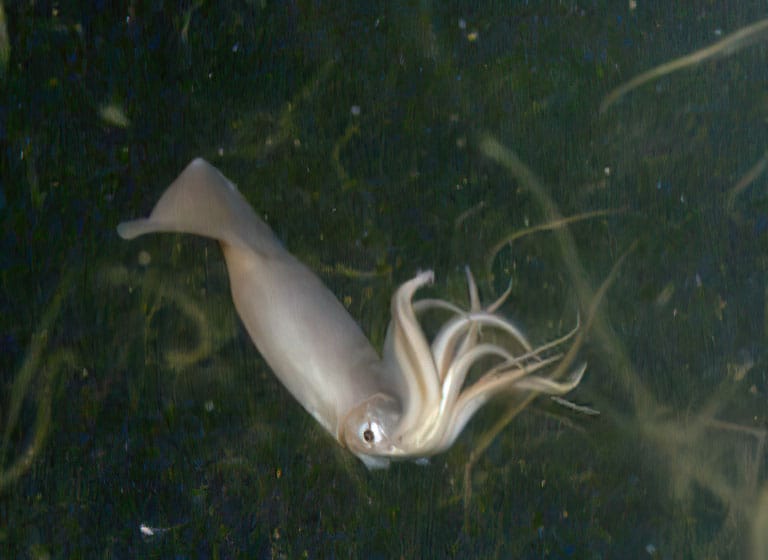
Humboldt squids are found in the Eastern Pacific Ocean. They have a lifespan of only 1 to 2 years. After releasing a large number of eggs into the water, both males and females experience a rapid decline in health. They stop eating, become sluggish, and typically die within a few days of spawning. This strategy ensures a high number of offspring, increasing the chances of survival for the next generation.
7. Desert Velvet Spider (Stegodyphus lineatus)
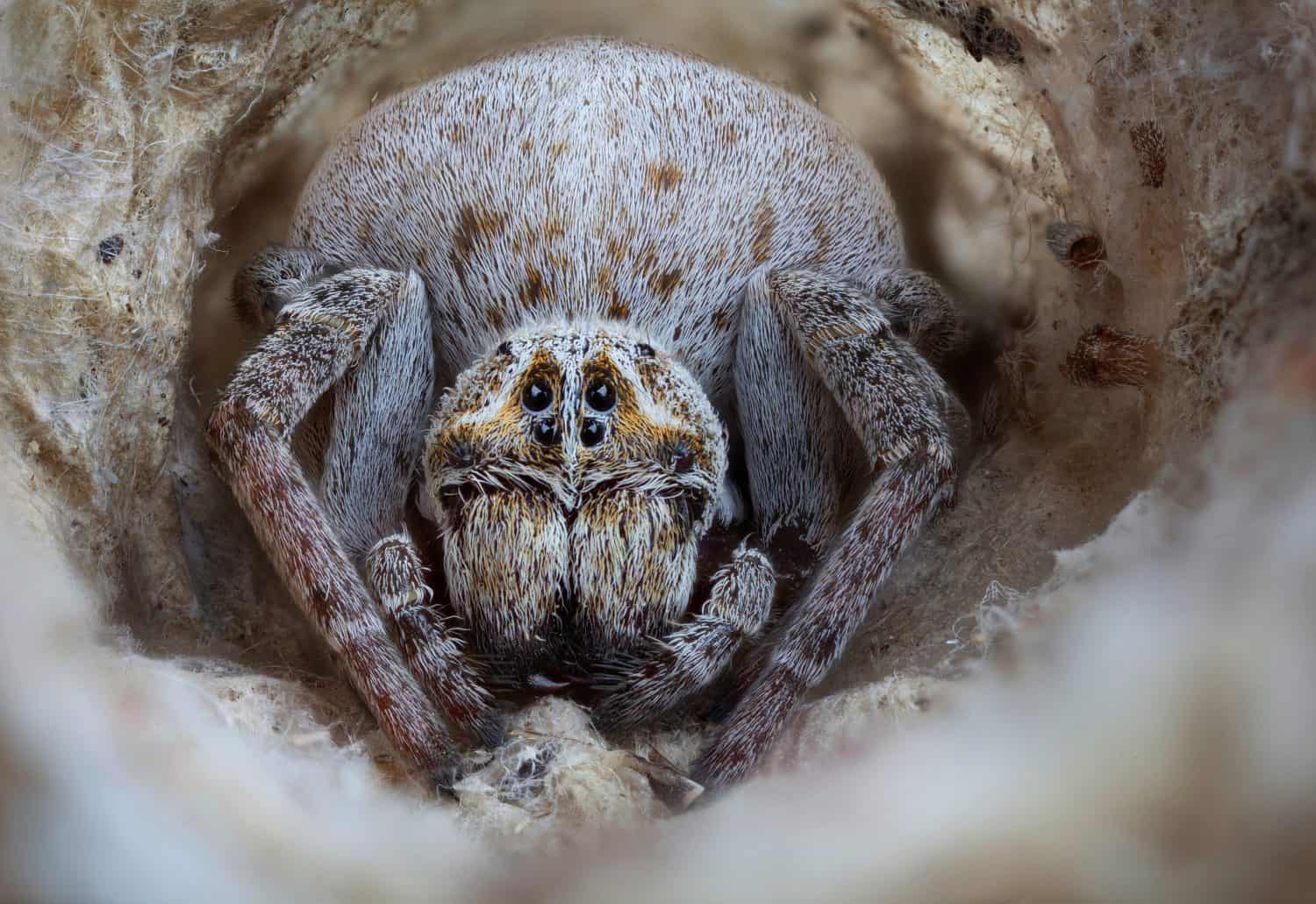
The desert velvet spider is found in dry areas near the Mediterranean, including parts of Southern Europe, North Africa, and the Middle East. These social spiders live for about 1 to 2 years. After laying eggs, the female protects them and regurgitates food for her spiderlings. Eventually, the spiderlings consume her body in a behavior known as "matriphagy," where the mother sacrifices herself for the survival of her offspring.
8. Pacific Salmon (Oncorhynchus spp.)
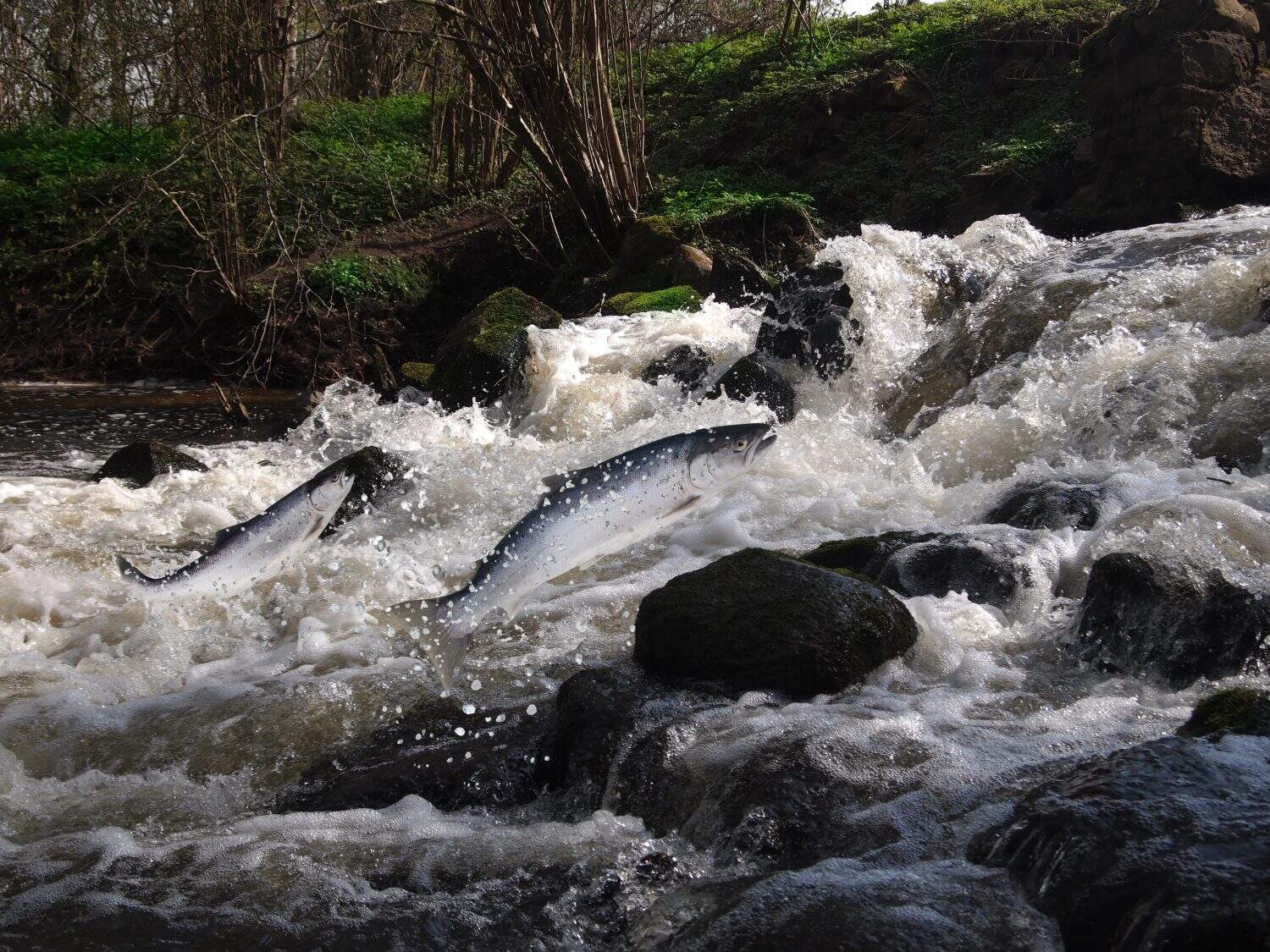
Pacific salmon hatch in streams and rivers in North America and Asia. They migrate to the North Pacific Ocean to grow for 2 to 7 years. During the breeding season, they swim hundreds of miles upstream to their birthplace. Females dig nests in gravel and lay thousands of eggs, which males then fertilize. After this process, both males and females rapidly decline in health and die within 7 to 14 days.
9. American Eel (Anguilla rostrata)
American eels live along the eastern coasts and rivers of North America. Despite a lifespan of 10 to 20 years, they eventually undertake a long migration to spawn in the open ocean. Females release millions of eggs, which are fertilized by males. After spawning, their bodies shut down, likely due to the physical and hormonal toll of the journey.

10. Giant Pacific Octopus (Enteroctopus dofleini)
The giant Pacific octopus inhabits the cold coastal waters of the North Pacific. With a lifespan of 3 to 5 years, females lay tens of thousands of eggs that incubate for 5 to 10 months. During this time, the female never leaves the eggs, constantly aerating, cleaning, and protecting them. As the eggs near hatching, the female loses strength and eventually dies, making this one of the most extreme examples of self-sacrifice in the animal kingdom.

A Brutal Balance
The natural world is filled with species that prioritize reproduction above all else, often at the cost of their own lives. From the desert velvet spider, which becomes a meal for its young, to the salmon and eel, which undergo exhausting migrations, these organisms showcase the many ways life has evolved to ensure the survival of future generations. This brutal balance highlights the incredible adaptability and resilience of nature.

Post a Comment for "10 Animals That Die After Giving Birth"
Post a Comment