
10 Foods to Avoid with High Blood Pressure
Understanding High Blood Pressure and Dietary Choices
High blood pressure, also known as hypertension, is a significant health concern that affects millions of people worldwide. It is considered the leading preventable risk factor for cardiovascular disease and is associated with other serious conditions such as stroke and chronic kidney disease. Managing high blood pressure through lifestyle changes, including dietary modifications, is crucial for maintaining overall health.
Foods to Avoid for Better Blood Pressure Control
Certain foods can contribute to high blood pressure due to their high sodium, saturated fat, or added sugar content. Here are some key foods to limit or avoid:
-
Salty Foods
Excessive sodium intake can cause the body to retain water, increasing blood volume and putting extra pressure on the artery walls. The 2020-2025 Dietary Guidelines for Americans recommend limiting daily sodium intake to 2,300 milligrams or less. Salty foods include canned soups, condiments, processed meats, packaged snacks, and pizza. -
Foods High in Saturated Fat
Saturated fats can lead to plaque buildup in the arteries, narrowing them and restricting blood flow. This can increase blood pressure. Foods rich in saturated fat include cream-based sauces, fatty cuts of meat, fried foods, full-fat dairy products, and processed meats. -
Foods High in Added Sugar
Long-term consumption of added sugars has been linked to increased abdominal fat, a risk factor for hypertension. It can also cause blood sugar spikes, which may stress the cardiovascular system. Foods with added sugar include breakfast pastries, candy, canned fruit packed in syrup, sweetened yogurts, and syrups. -
Sugary Beverages
Drinks like energy drinks, regular soda, sports drinks, sweetened coffee drinks, and sweet iced tea can contribute to weight gain and insulin resistance, increasing the risk of high blood pressure. These beverages often cause significant spikes in blood glucose levels. -
Alcohol
While alcohol may temporarily lower blood pressure, excessive or prolonged consumption can raise it again, sometimes higher than before. Alcohol can also lead to weight gain and dehydration, and it may interact with certain medications. -
Processed Frozen Foods
Many frozen meals contain high levels of sodium, fat, and sugar, which are linked to an increased risk of hypertension. Examples include frozen french fries, lasagna, pizza, pot pies, and TV dinners. -
High-Cholesterol Foods
Foods high in cholesterol, such as butter, beef, cheese, organ meats, and shellfish, can negatively impact blood pressure by contributing to atherosclerosis. These foods often contain saturated fats that can affect blood pressure. -
High-Fat Fast Foods
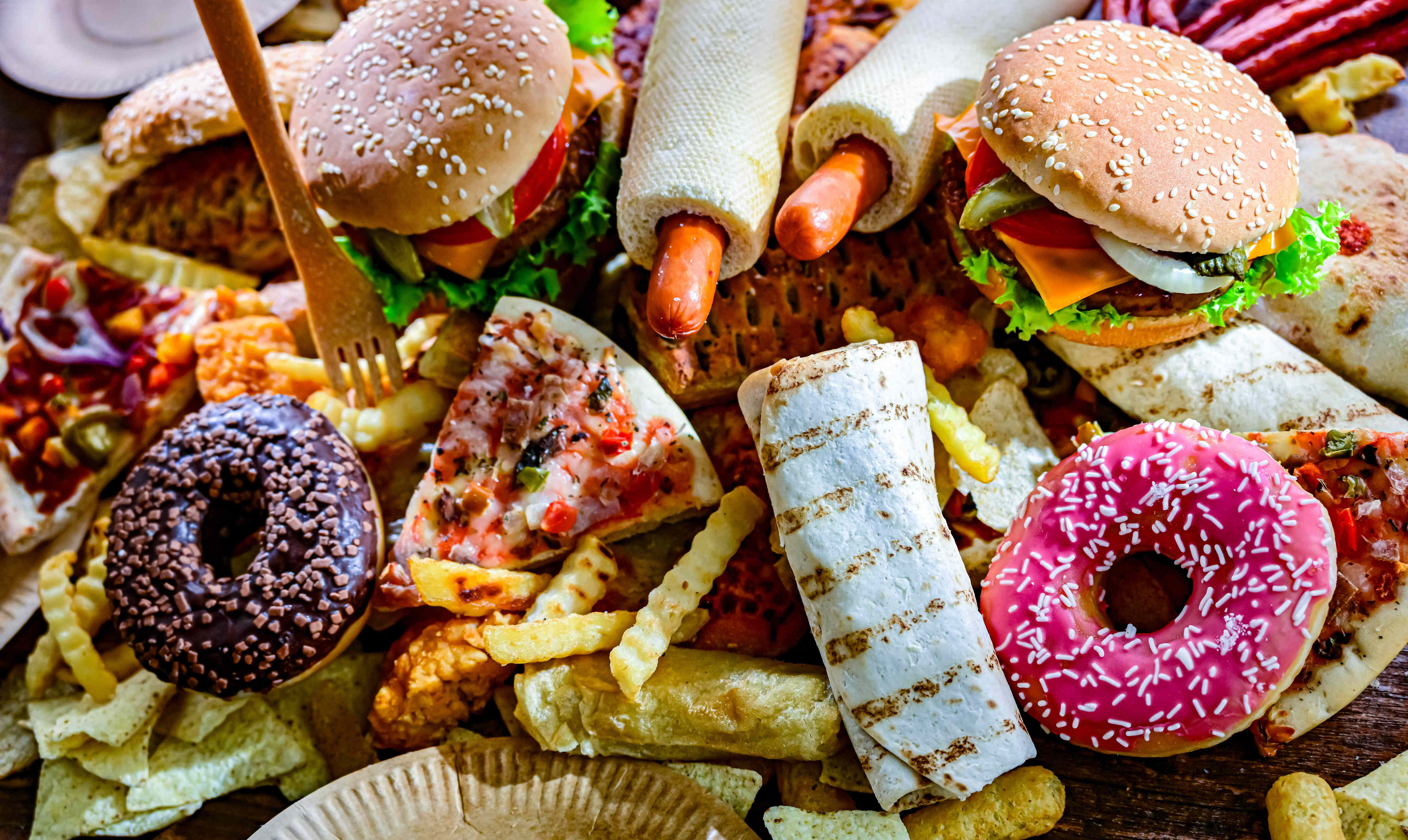
Fast food items like French fries, fried chicken, fried fish, hamburgers, and pizza are typically high in saturated and trans fats, which can lead to weight gain, high cholesterol, and inflammation. -
Condiments
Many condiments are high in sodium and may contain added sugar. Common examples include barbecue sauce, ketchup, mustard, soy sauce, teriyaki sauce, vinaigrettes, and creamy dressings. -
Processed or Packaged Snacks
These snacks are often high in sodium, added sugars, and unhealthy fats. They may also lack essential nutrients, making them less filling and leading to overeating. Examples include candy bars, cheese-flavored snacks, cookies, potato chips, pretzels, and snack mixes.
Foods That Support Healthy Blood Pressure
In addition to avoiding certain foods, incorporating nutrient-rich options into your diet can help lower blood pressure and reduce the risk of hypertension. Focus on fresh fruits, vegetables, nuts, whole grains, and oily fish. These foods provide essential vitamins, minerals, and fiber that support heart health.
Some specific foods to prioritize include:
- Fruits and vegetables – Leafy greens and fresh fruits are rich in vitamins and minerals that benefit overall health.
- Whole grains – Oatmeal and quinoa are excellent sources of fiber, which can improve cholesterol levels and support heart health.
- Nutrient-dense foods – Fatty fish, nuts, and seeds contain healthy fats instead of saturated fats, making them beneficial for blood pressure control.
When to Seek Professional Help
Lifestyle habits, including diet, physical activity, stress management, and sleep quality, play a significant role in blood pressure regulation. If your blood pressure remains elevated despite these efforts, it may be necessary to seek additional professional support. A registered dietitian can help create a personalized meal plan tailored to your specific needs.
If you are taking medication for high blood pressure, consult your healthcare provider for guidance on managing any side effects or concerns. Always follow medical advice and seek prompt assistance if symptoms arise.

Post a Comment for "10 Foods to Avoid with High Blood Pressure"
Post a Comment