
12 Essential Vines to Prune in October for a Breathtaking Spring Garden
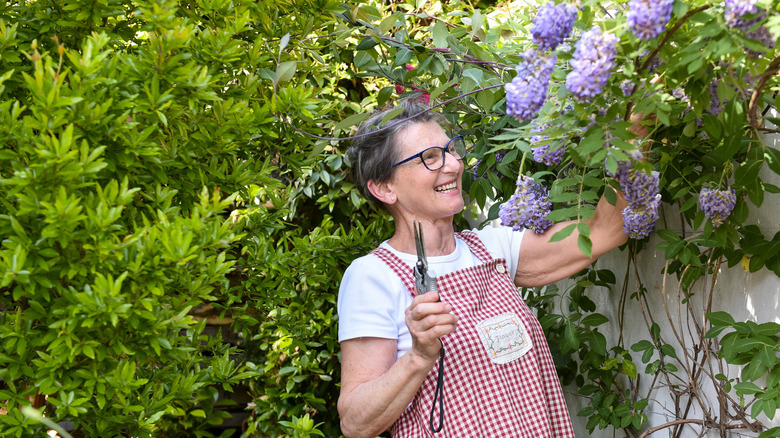
Pruning climbing plants is an essential task that should not be overlooked, even when the season shifts and other garden chores take precedence. While it might seem tempting to leave these vines untouched, regular pruning helps maintain their health, encourages new growth, and prevents them from becoming unruly. This is especially true for ornamental and perennial varieties, which often require specific care to thrive in the following spring. October is typically the ideal time for this task, as many vines have finished blooming and are entering a slower phase of growth.
The Benefits of Pruning Vines in October
Pruning during this time allows the plant to focus its energy on maintaining strong roots rather than supporting unnecessary growth. It also helps prevent the spread of diseases and ensures that the vine remains manageable. A helpful guideline to follow is the "three D rule": prune stems and parts that are dead, damaged, or diseased. Additionally, cutting vertical stems at an angle can help prevent water from collecting, which could lead to rot.
However, not all vines need to be pruned in the fall. For example, certain types of hydrangeas produce flowers on old wood, so pruning them in October could remove the buds that would bloom in the spring. Similarly, if you've just purchased a new vine or are aiming for a more natural, rambling look, you may choose to skip pruning altogether.
Specific Vines and Their Pruning Needs
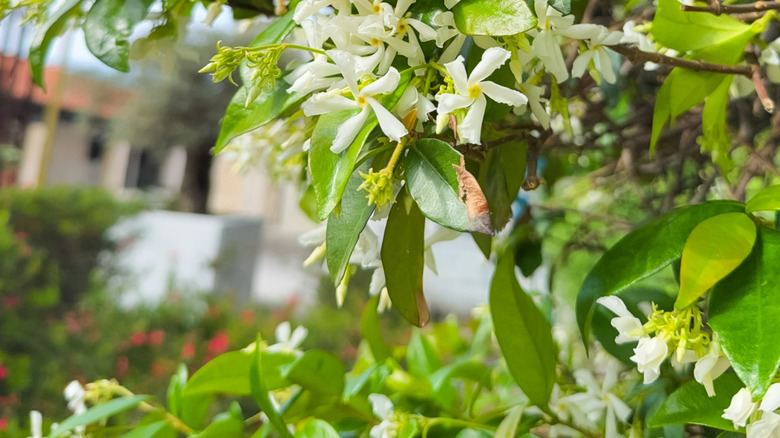
Star Jasmine (Trachelospermum jasminoides):
This fast-growing vine can reach up to 20 feet tall and blooms in the spring and summer. After its flowering period, it's a good idea to give it a trim to keep it from growing out of control. If you want more branching, you can also trim young vines. Another benefit of pruning is the ability to propagate new plants using cuttings.
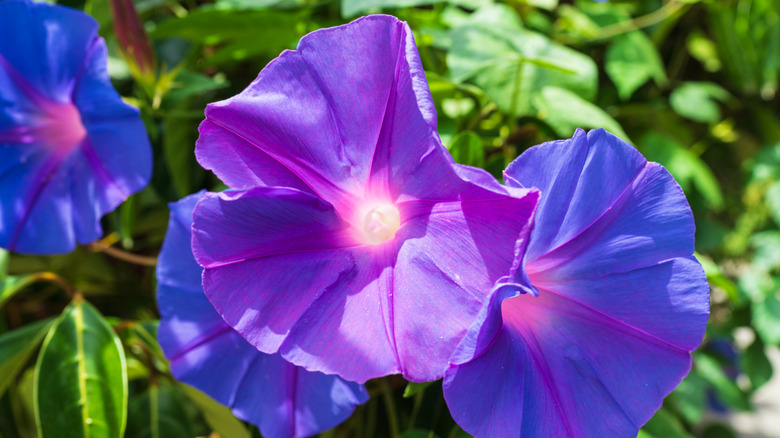
Morning Glory (Ipomoea):
Some varieties of morning glory, such as water spinach, can be invasive and should be removed entirely. For non-invasive cultivars, cutting back the vines in October helps manage their growth and makes way for new development in the spring.
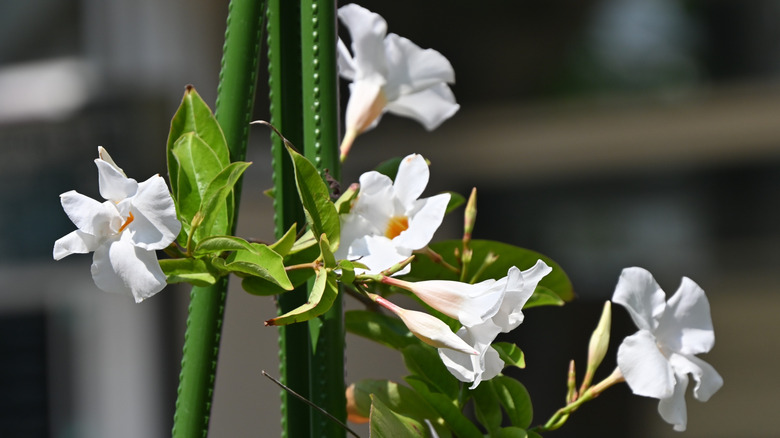
Mandevilla:
As a tropical climber, mandevilla needs to be moved indoors for the winter. Before doing so, it’s important to prune the plant back to about 12 inches from its base. This helps avoid a messy cleanup later when the foliage naturally falls off.
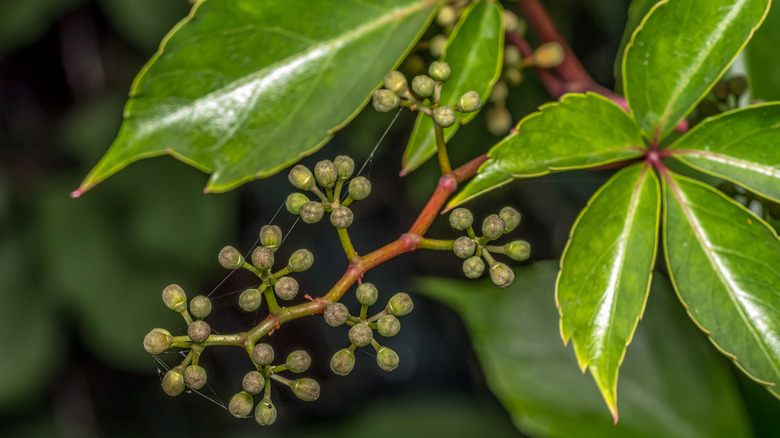
Virginia Creeper (Parthenocissus quinquefolia):
This woody vine is easy to care for but may need pruning in October to prevent it from spreading too far. It can attach itself to wood surfaces, making removal difficult. Wearing gloves is recommended due to the sap that can irritate the skin.
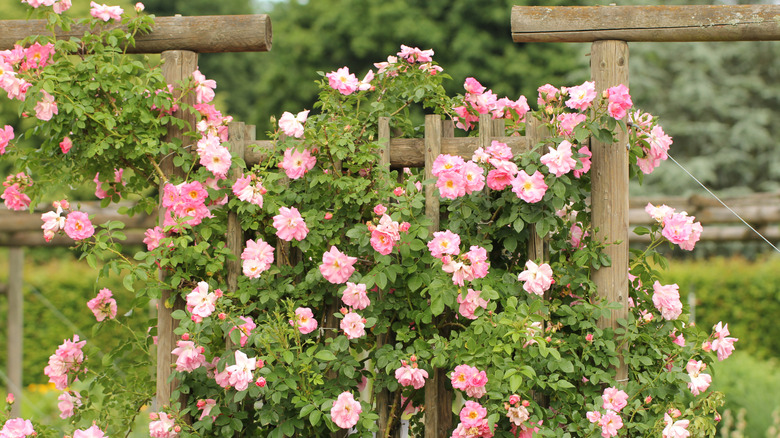
Climbing Rose (Rosa):
Climbing roses should not be pruned in the summer, as they bloom during the hotter months. In October, after their bloom has ended, you can snip off old canes and tie healthy shoots to a trellis or support structure. Avoid heavy pruning in the first three years to allow the plant to establish itself.
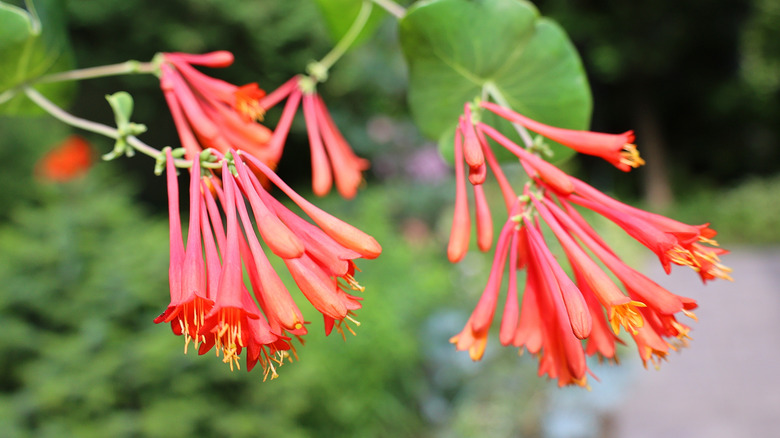
Trumpet Honeysuckle (Lonicera sempervirens):
This pollinator-friendly vine can be lightly trimmed in October. However, avoid the invasive gold-and-silver honeysuckle. Leaving some faded flowers intact can provide food for birds, and pruning every other year can improve its flowering.
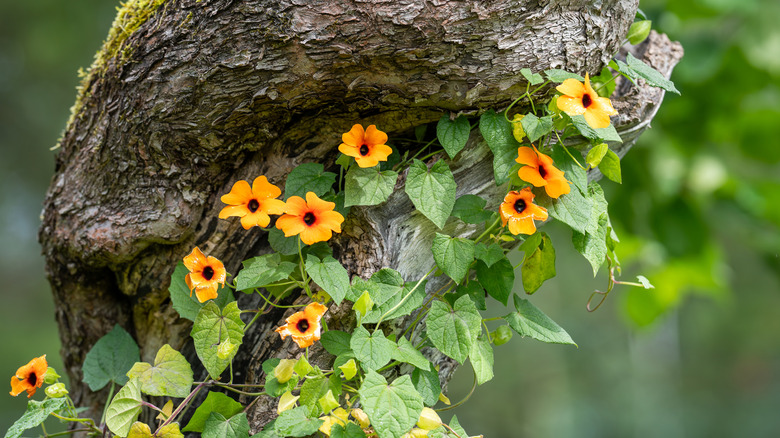
Black-Eyed Susan Vine (Thunbergia alata):
This yellow-flowering vine should be pruned in October to prevent it from encroaching on other plants. Cut back the vine, remove dead flowers, and trim growth from the top and sides to maintain its shape.
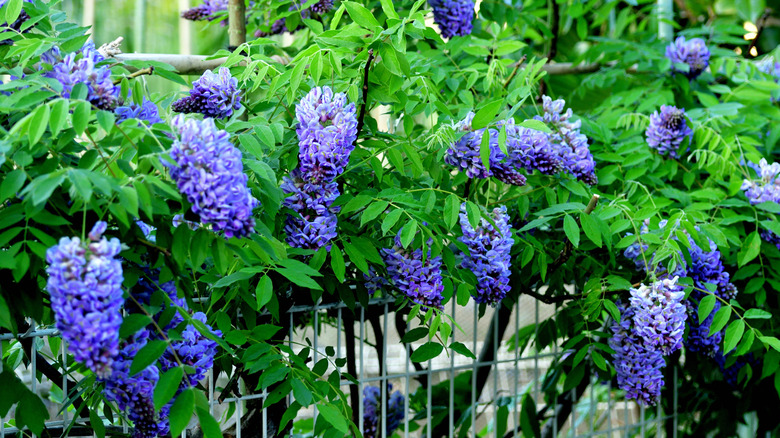
American Wisteria (Wisteria frutescens):
While less vigorous than other wisterias, American wisteria still benefits from an October pruning. This helps control its spread and prepares it for more abundant blooms in the spring.
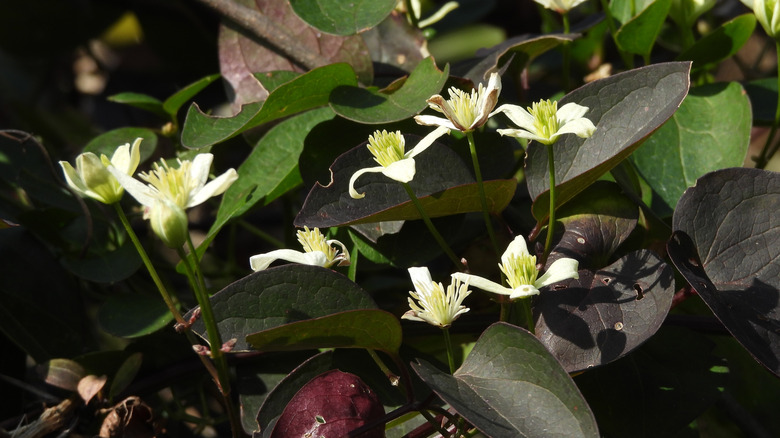
Sweet Autumn Clematis (Clematis terniflora):
This sprawling vine should be pruned after its white flowers fade in September. It's important to cut back to 18 to 24 inches below new growth, especially after the third year in the garden.
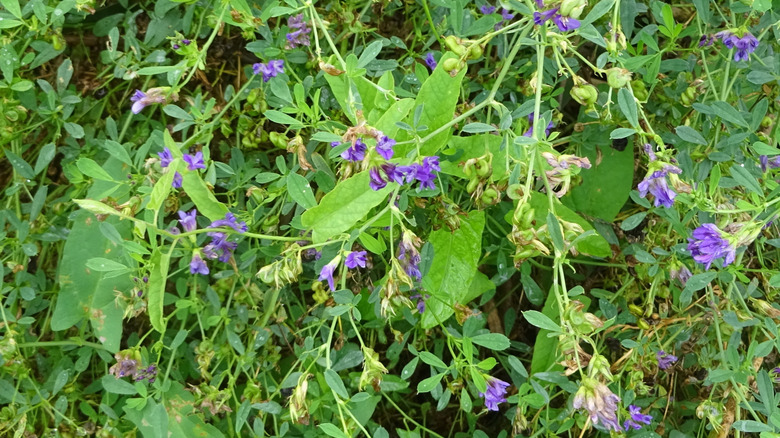
Snapdragon Vine (Maurandella antirrhiniflora):
This vine thrives in zones 9 through 10 and benefits from an October pruning. Removing dead flowers and discolored leaves helps maintain its health, while cutting seed capsules can encourage more blooms.
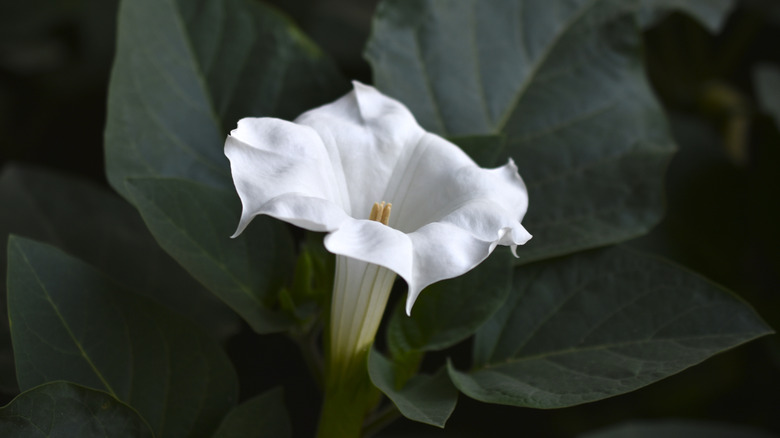
Moonflower (Ipomoea alba):
Pruning moonflower in the fall helps contain its growth and prepare it for the next season. Its night-blooming flowers make it a unique addition to any garden.
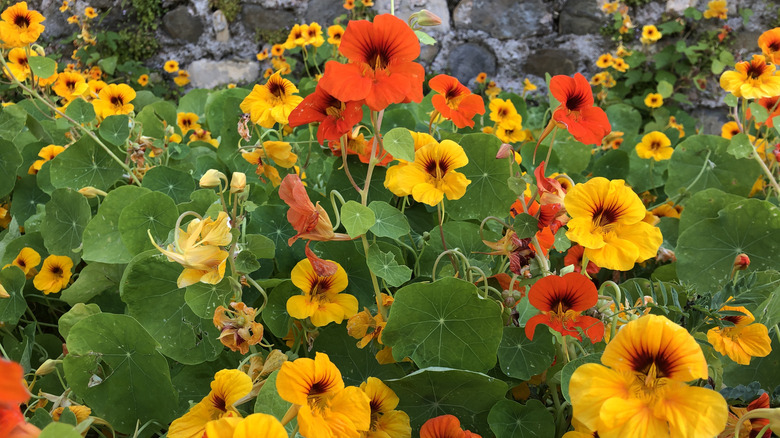
Nasturtium (Tropaeolum majus):
After its blooming period ends in early fall, nasturtium can be trimmed to remove tangled stems and damaged parts. Deadheading spent flowers can also encourage additional blooms before the cold season sets in.

Post a Comment for "12 Essential Vines to Prune in October for a Breathtaking Spring Garden"
Post a Comment