
23 Animals Lost in 150 Years
A Gallery of Extinct Animals
In the past few decades, numerous species have been driven to extinction largely due to human activities. These activities can be direct, such as poaching for trophies or animal parts, or indirect, like land development and climate change. However, there are steps that can be taken to reduce extinction rates, such as creating wildlife refuges, designating species as protected, or even making your backyard more wildlife-friendly. Below is a gallery of extinct animals we've lost over the last 150 years.
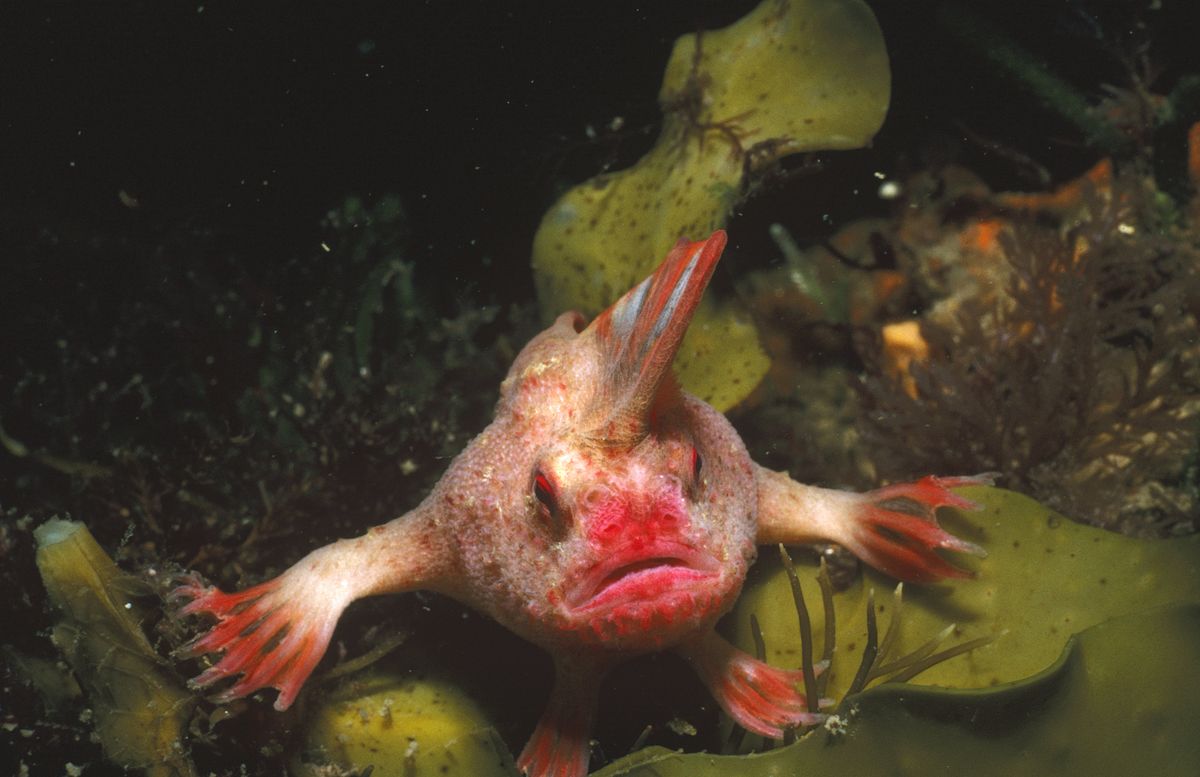
The Smooth Handfish
The smooth handfish, once abundant in the waters around Australia, was declared extinct in 2020. It had a unique appearance, resembling human hands and featuring a mohawk-like spike on its head. Only one known preserved specimen exists today.
Cause of Extinction:
Scientists believe habitat loss and destructive fishing practices contributed to its demise.
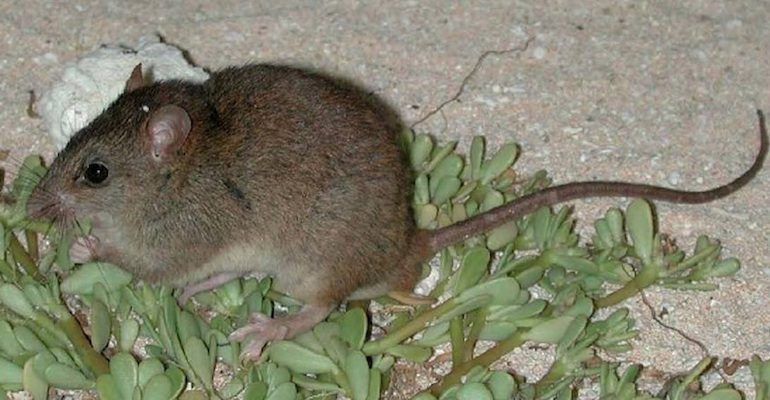
The Bramble Cay Melomys
This small rodent, native to Bramble Cay near the Great Barrier Reef, was officially declared extinct by the IUCN in 2015. It's considered the first mammal to go extinct due to climate change.
Cause of Extinction:
Man-made climate change led to habitat and food loss.
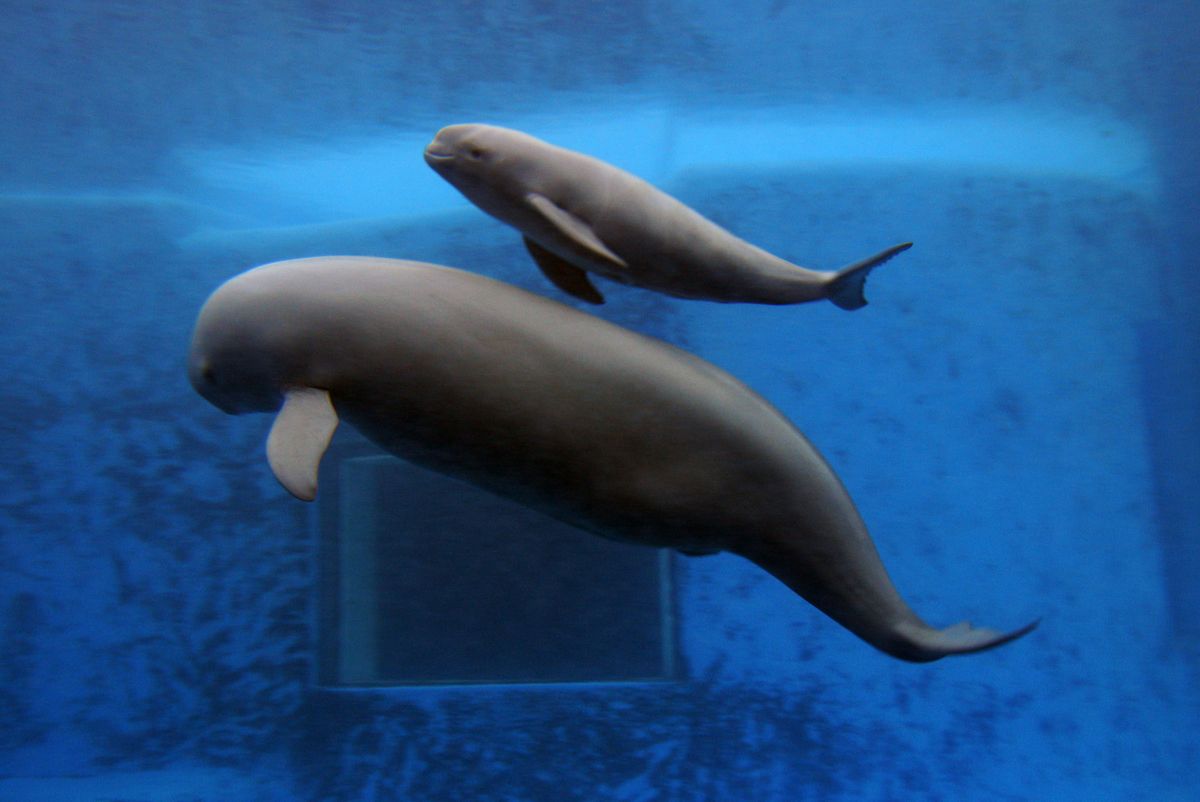
The Yangtze River Dolphin
Also known as the baiji, this dolphin was last seen in 2002 and declared extinct four years later. It was the first dolphin species to become extinct due to human activity.
Cause of Extinction:
Overfishing, pollution, habitat loss, poaching, and boat traffic all played a role.
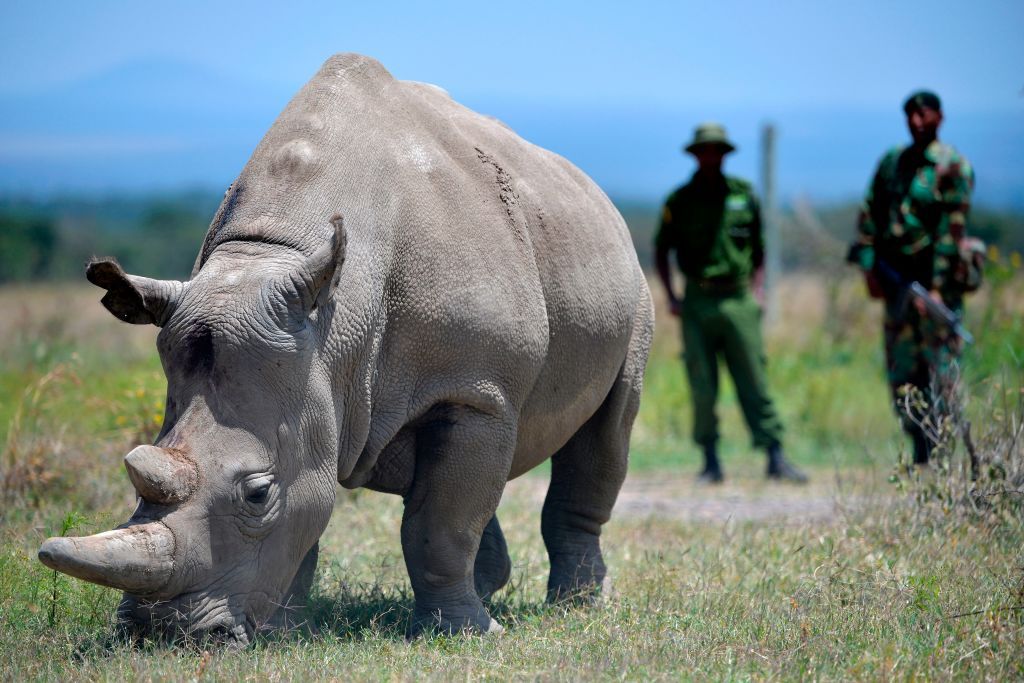
The Northern White Rhino
The last two northern white rhinos are both female, and they cannot reproduce naturally. Scientists are working on using in-vitro fertilization to bring back the species.
Cause of Extinction:
Poaching and habitat loss decimated their population.
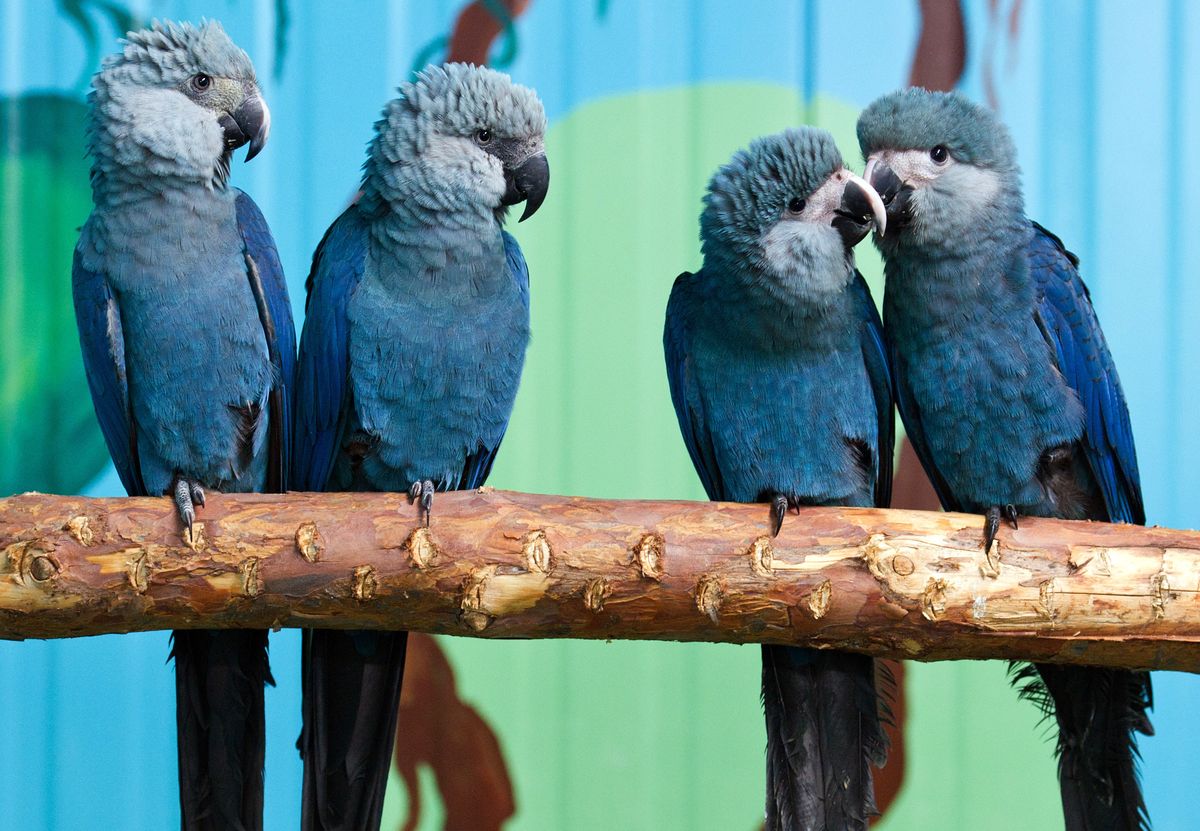
The Spix Macaw
Once found in the wild, the Spix Macaw now exists only in captivity with numbers ranging from 60 to 80. Known for its vibrant blue feathers, it went extinct in the wild due to habitat destruction and illegal trade.
Cause of Extinction:
Habitat destruction, illegal trapping, and trade led to its extinction.
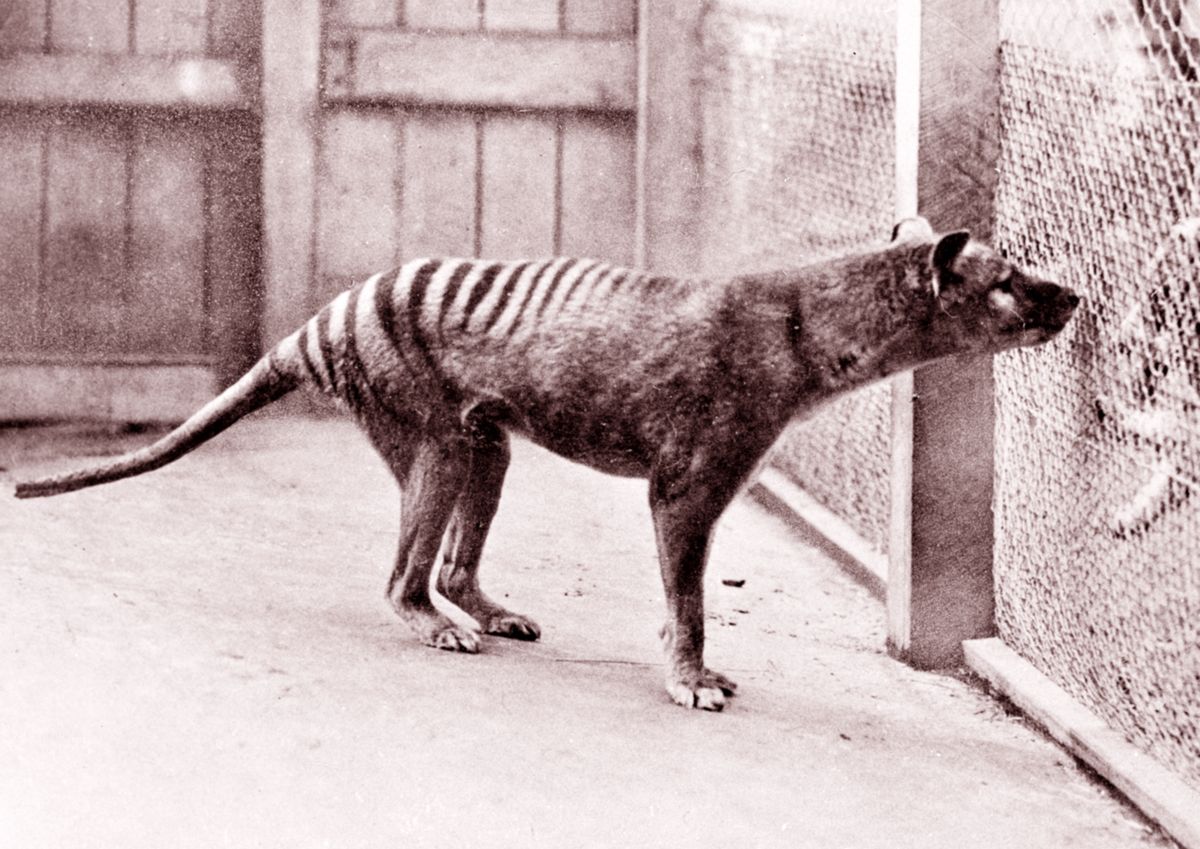
The Thylacine
Known as the Tasmanian tiger or wolf, the thylacine was a nocturnal marsupial that preyed on rodents and kangaroos. Despite frequent sightings, it was declared extinct in the mid-20th century.
Cause of Extinction:
Dingo populations and overhunting by humans contributed to its extinction.
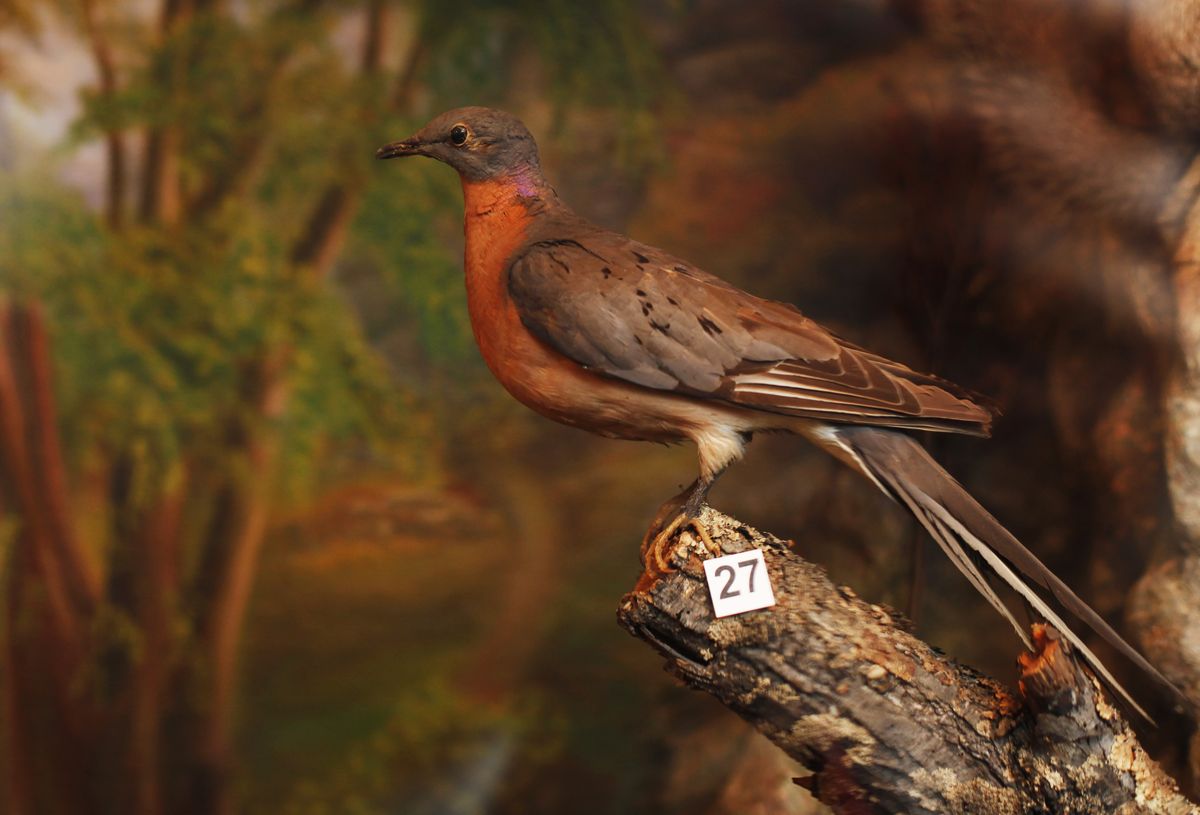
The Passenger Pigeon
Once numbering in the billions, the passenger pigeon was hunted to extinction. The last known individual died in 1914 at the Cincinnati Zoo.
Cause of Extinction:
Hunting and consumption by humans led to its extinction.
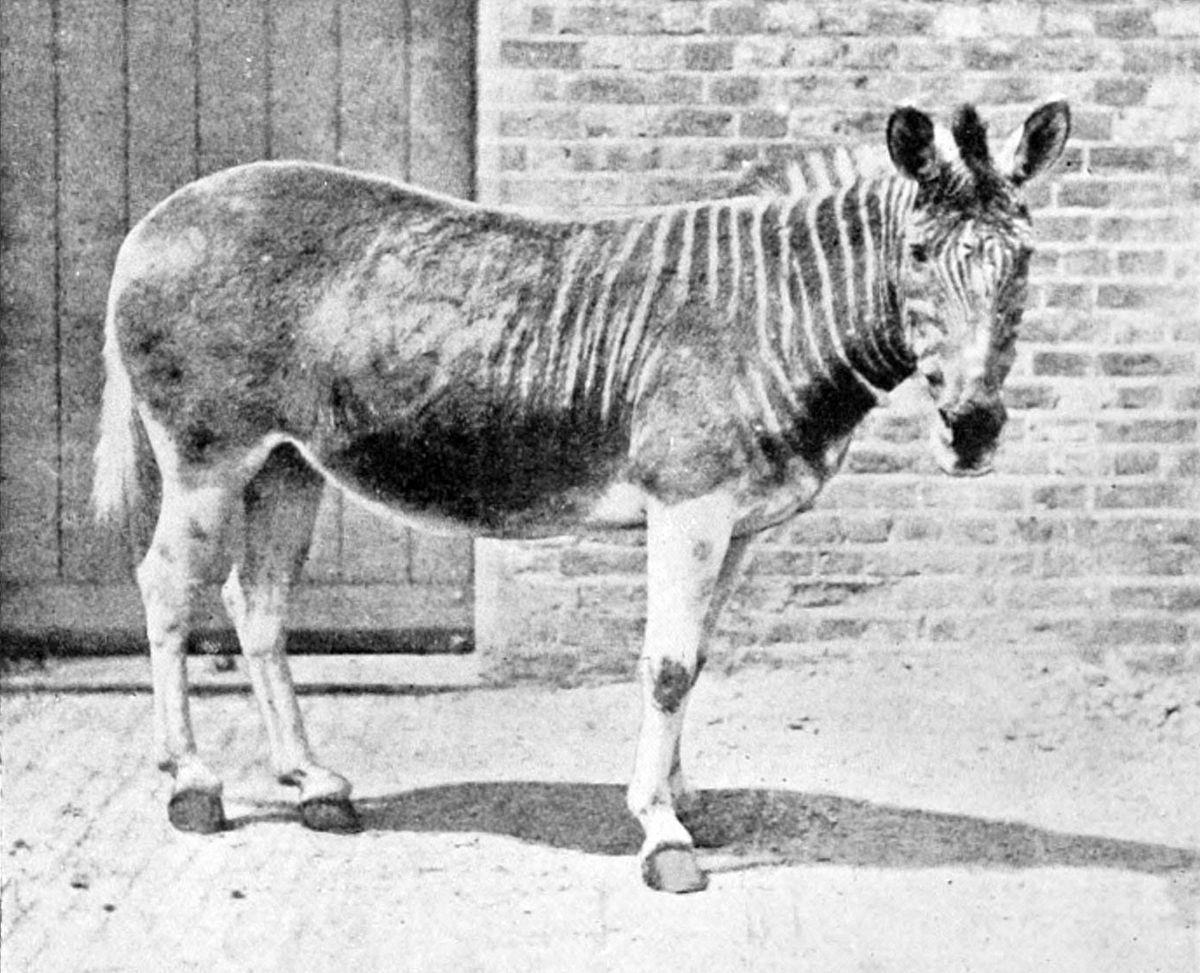
The Quagga
A subspecies of the plains zebra, the quagga was native to South Africa and went extinct in the late 19th century. Scientists are attempting to resurrect it through selective breeding.
Cause of Extinction:
Hunting by humans led to its extinction.
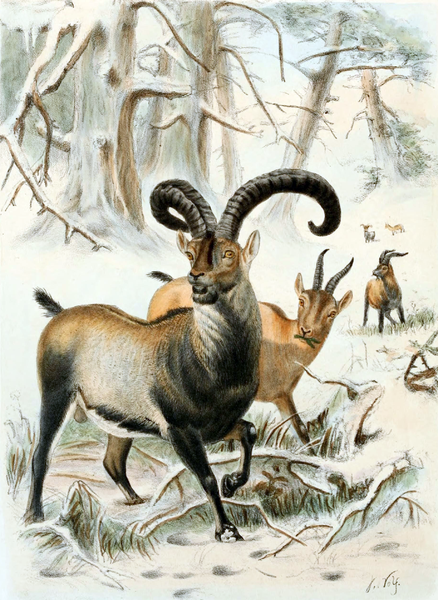
The Pyrenean Ibex
Declared extinct in 2000, the Pyrenean ibex was cloned in 2009 but died shortly after due to lung deformities.
Cause of Extinction:
Extensive hunting during the 19th century caused its extinction.
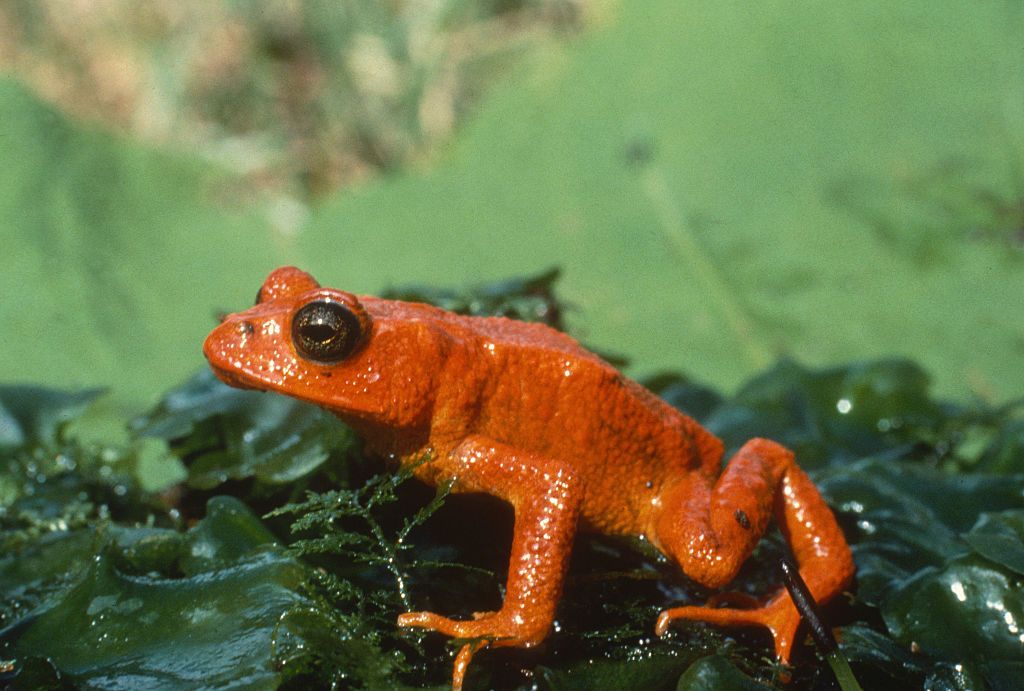
The Golden Toad
This bright yellow toad was last seen in 1989 and declared extinct in 1994. Its decline was attributed to pollution, global warming, and chytrid skin infections.
Cause of Extinction:
Pollution, global warming, and chytrid skin infections led to its extinction.
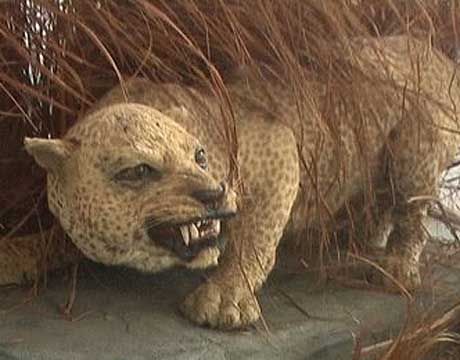
The Zanzibar Leopard
While not officially declared extinct, the Zanzibar leopard has not been confirmed in recent years. There were unconfirmed sightings, but no conclusive evidence.
Cause of Extinction:
Belief that these animals were kept by witches led to aggressive hunting.
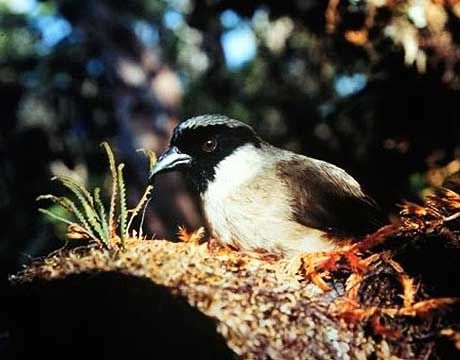
The Po'ouli
Discovered in the 1970s, the Po'ouli declined rapidly and was declared extinct in 2004. Efforts to mate the remaining birds failed.
Cause of Extinction:
Habitat loss, disease, predators, and a decline in food sources led to its extinction.
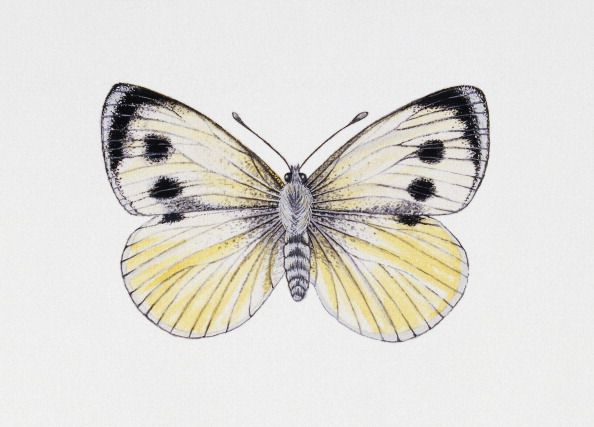
The Madeiran Large White
This butterfly, native to Portugal’s Madeira Islands, has not been seen for decades. Habitat loss and agricultural pollution are believed to have caused its decline.
Cause of Extinction:
Loss of habitat and pollution from agricultural fertilizers.
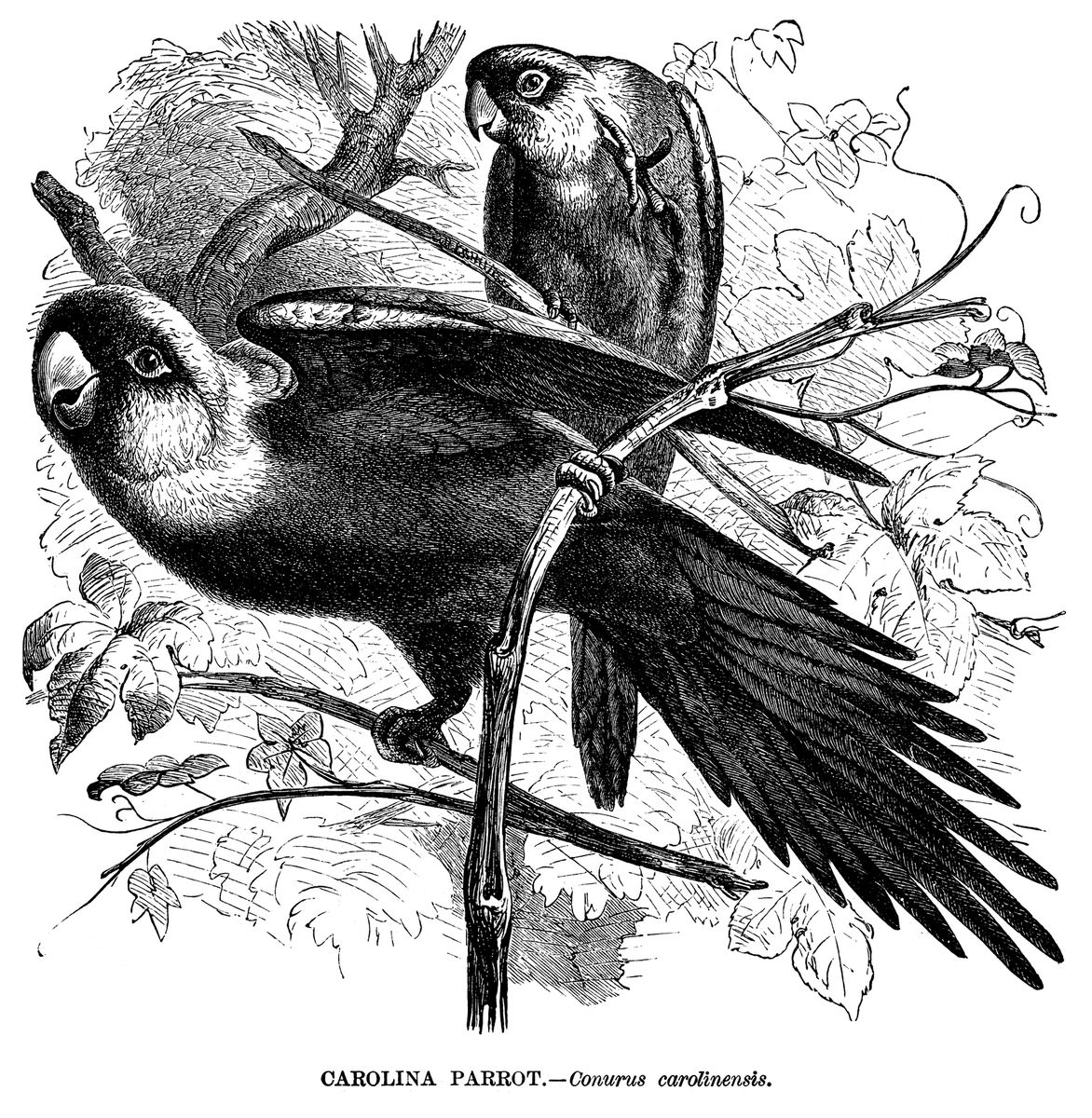
The Carolina Parakeet
The only parakeet native to the eastern U.S., the Carolina parakeet was driven to extinction by deforestation, disease, and the demand for its feathers.
Cause of Extinction:
Deforestation, disease, and the demand for its feathers led to its extinction.
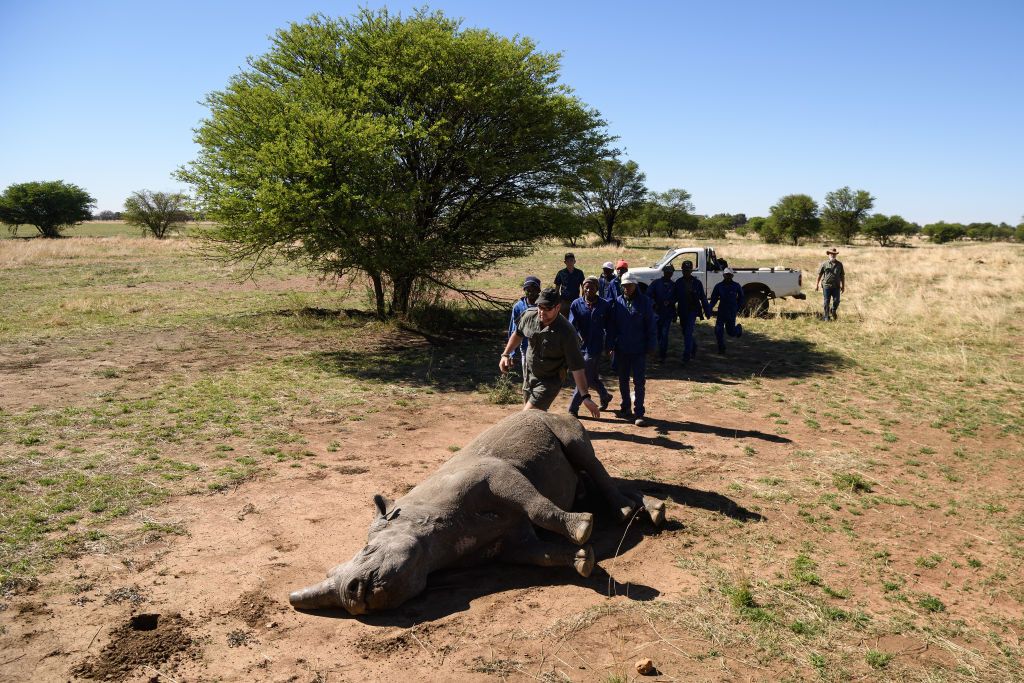
The West African Black Rhino
Declared extinct in 2006, the West African black rhino was hunted for its horn, which was believed to have aphrodisiac properties.
Cause of Extinction:
Poaching for its horn led to its extinction.
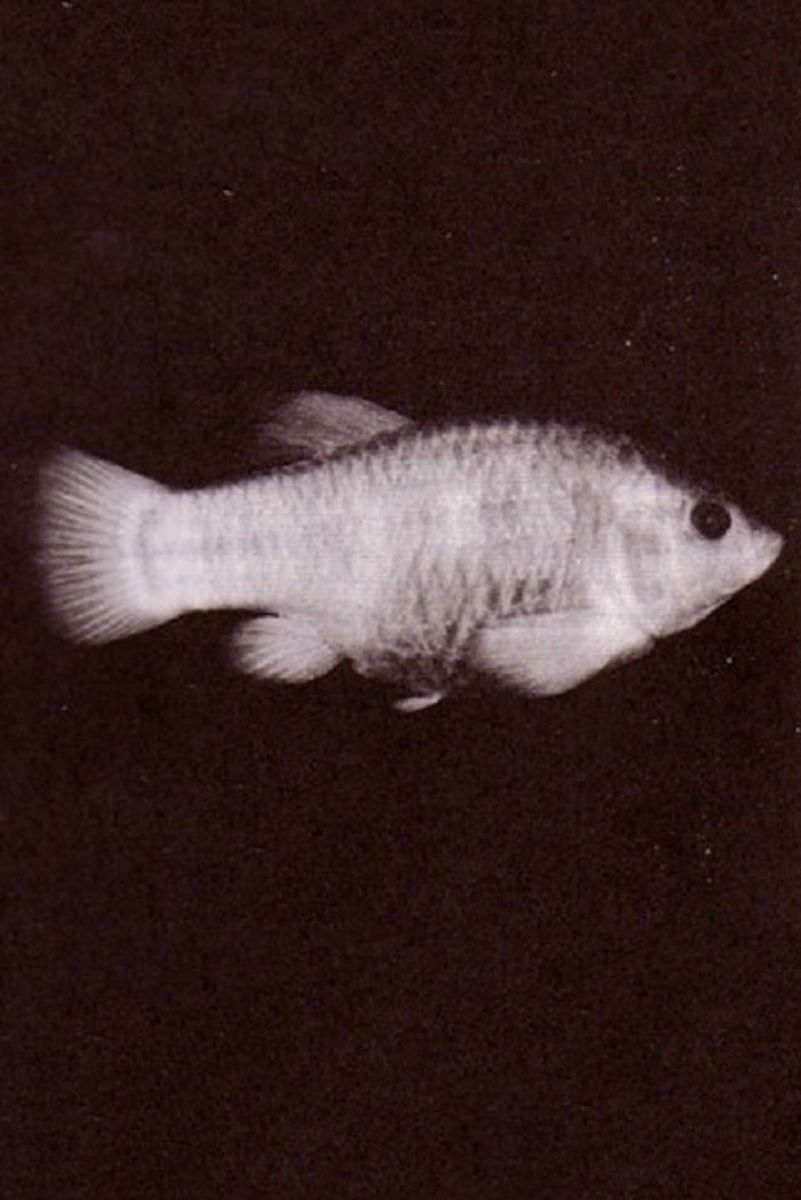
The Tecopa Pupfish
The first animal declared extinct under the Endangered Species Act, the Tecopa pupfish was driven to extinction by habitat destruction.
Cause of Extinction:
Destruction of its natural habitat.
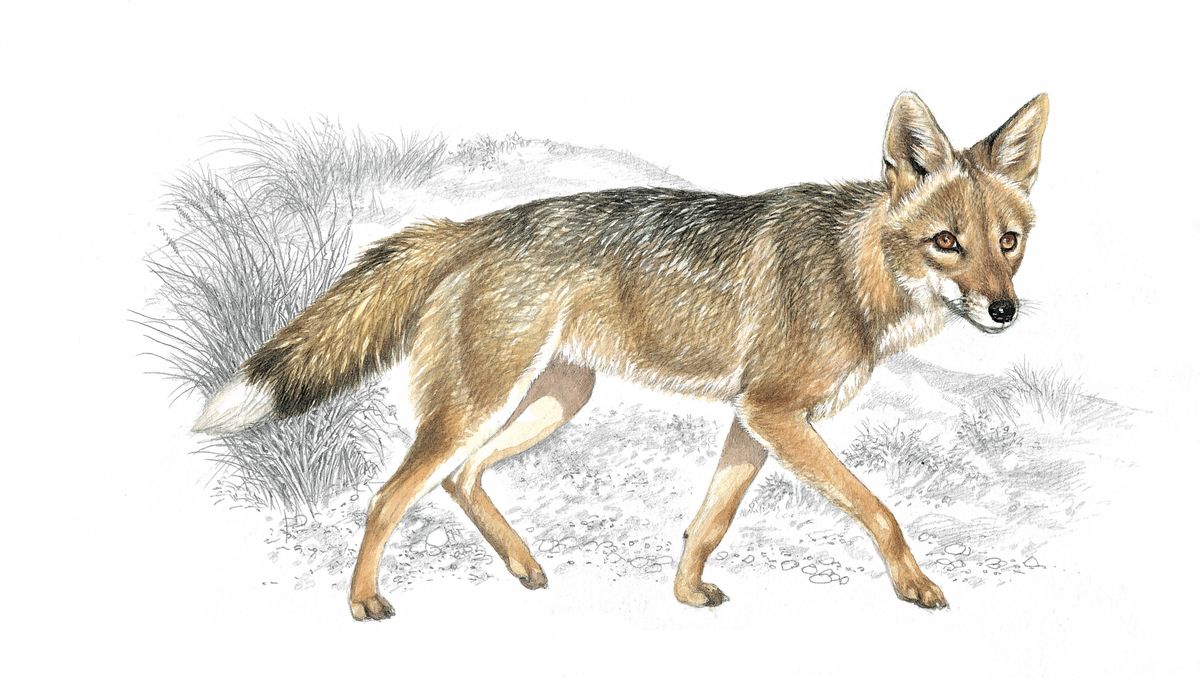
The Falkland Islands Wolf
This wolf, native to the Falkland Islands, was hunted to extinction in the late 1800s. It was known for being friendly and easy to approach.
Cause of Extinction:
Hunting by humans led to its extinction.
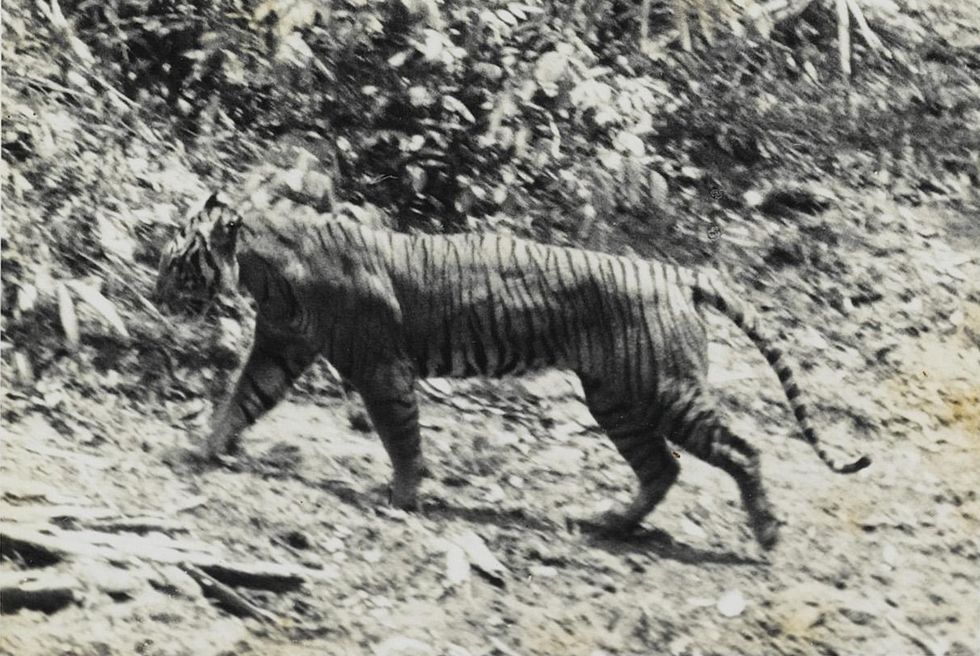
The Javan Tiger
Once common in Java, the Javan tiger was driven to extinction by habitat loss and agricultural development.
Cause of Extinction:
Loss of habitat and agricultural development led to its extinction.
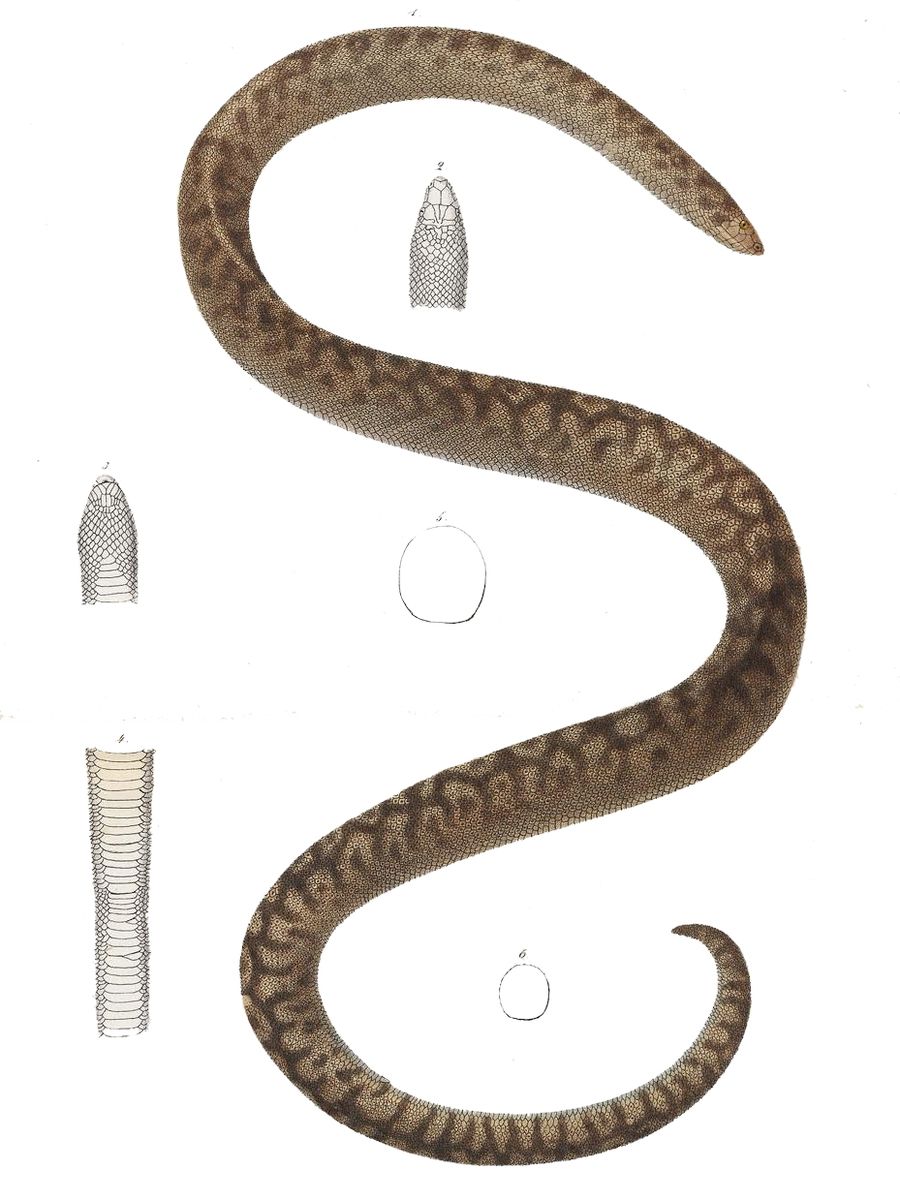
The Round Island Burrowing Boa
Native to Mauritius, this boa was driven to extinction by the introduction of non-native species that destroyed its habitat.
Cause of Extinction:
Introduction of non-native species destroyed its habitat.
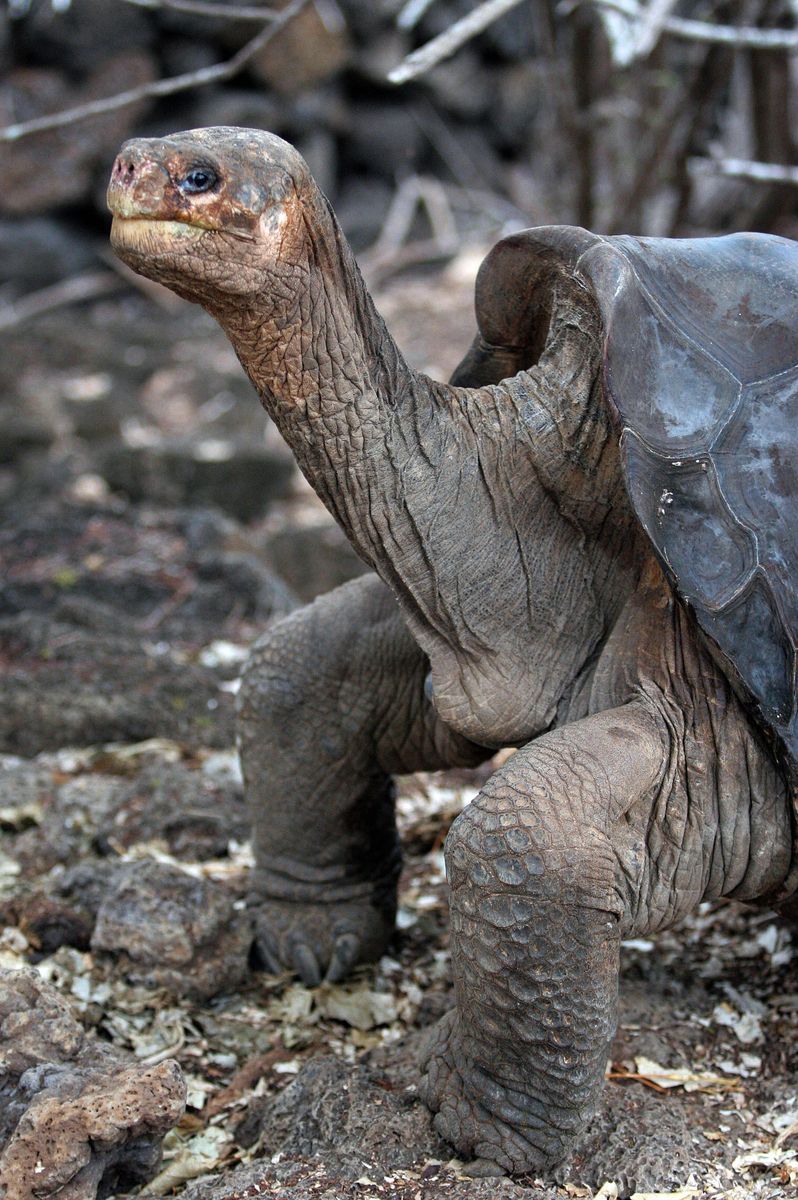
The Pinta Island Tortoise
Lonesome George, the last of his kind, passed away in 2015. His extinction was due to habitat destruction and human hunting.
Cause of Extinction:
Goats introduced by humans destroyed their habitats, and rats preyed on young tortoises.
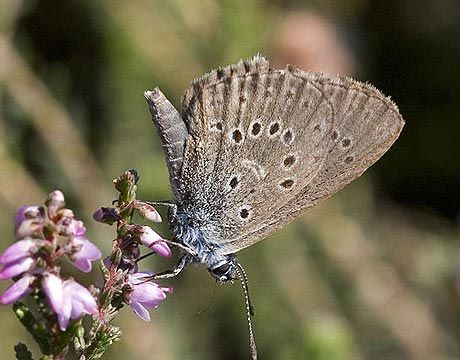
The Dutch Alcon Blue Butterfly
This butterfly, once found in the Netherlands, disappeared due to habitat loss and changes in farming practices.
Cause of Extinction:
Increases in farming and building led to habitat loss.
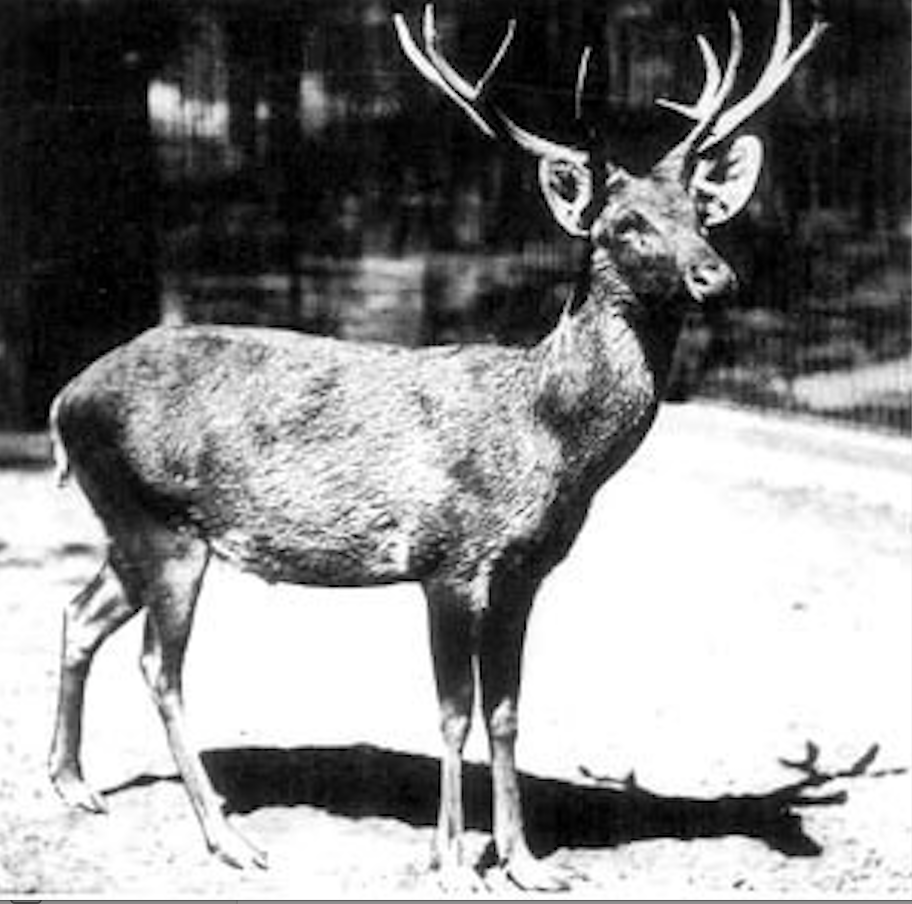
Schomburgk’s Deer
Although officially declared extinct in 2006, some scientists believe a few may still exist in the wild. The last known deer was killed in 1938.
Cause of Extinction:
Hunting by humans and native predators led to its extinction.
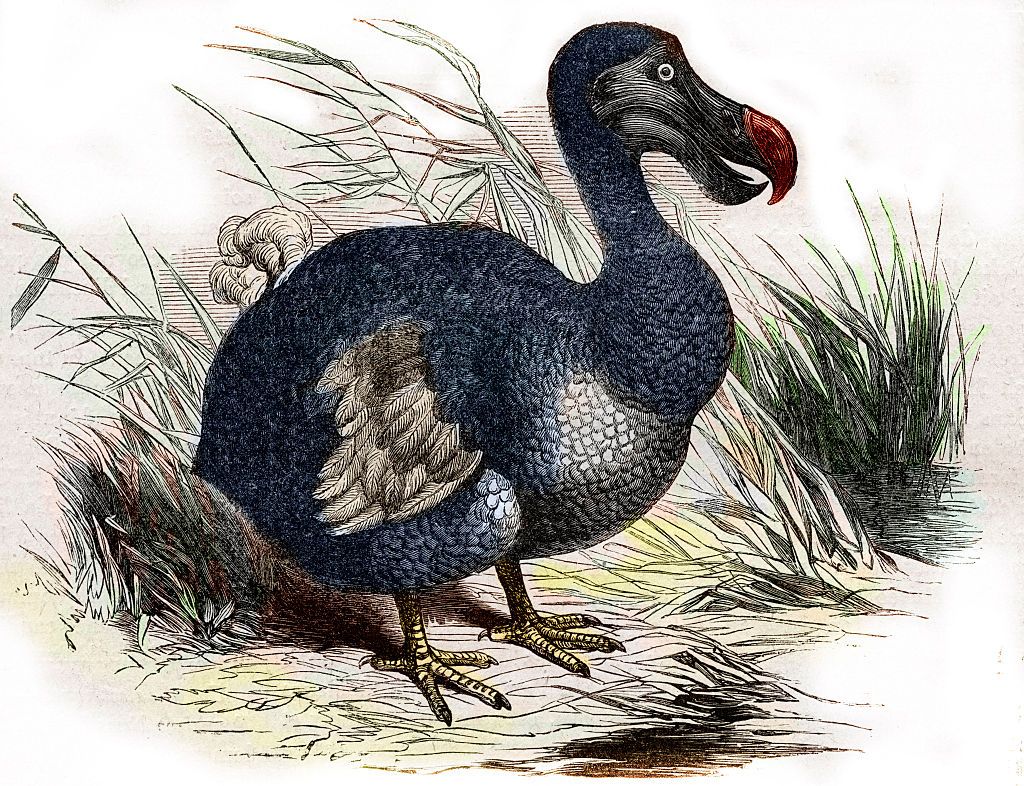
The Dodo
The Dodo, a flightless bird native to Mauritius, became extinct within a century of human arrival. Rats and other animals brought by sailors likely contributed to its decline.
Cause of Extinction:
Rats and other animals brought by sailors likely caused its decline.

Post a Comment for "23 Animals Lost in 150 Years"
Post a Comment