
7 Drinks That Trigger Gas and Bloating, Says a Dietitian
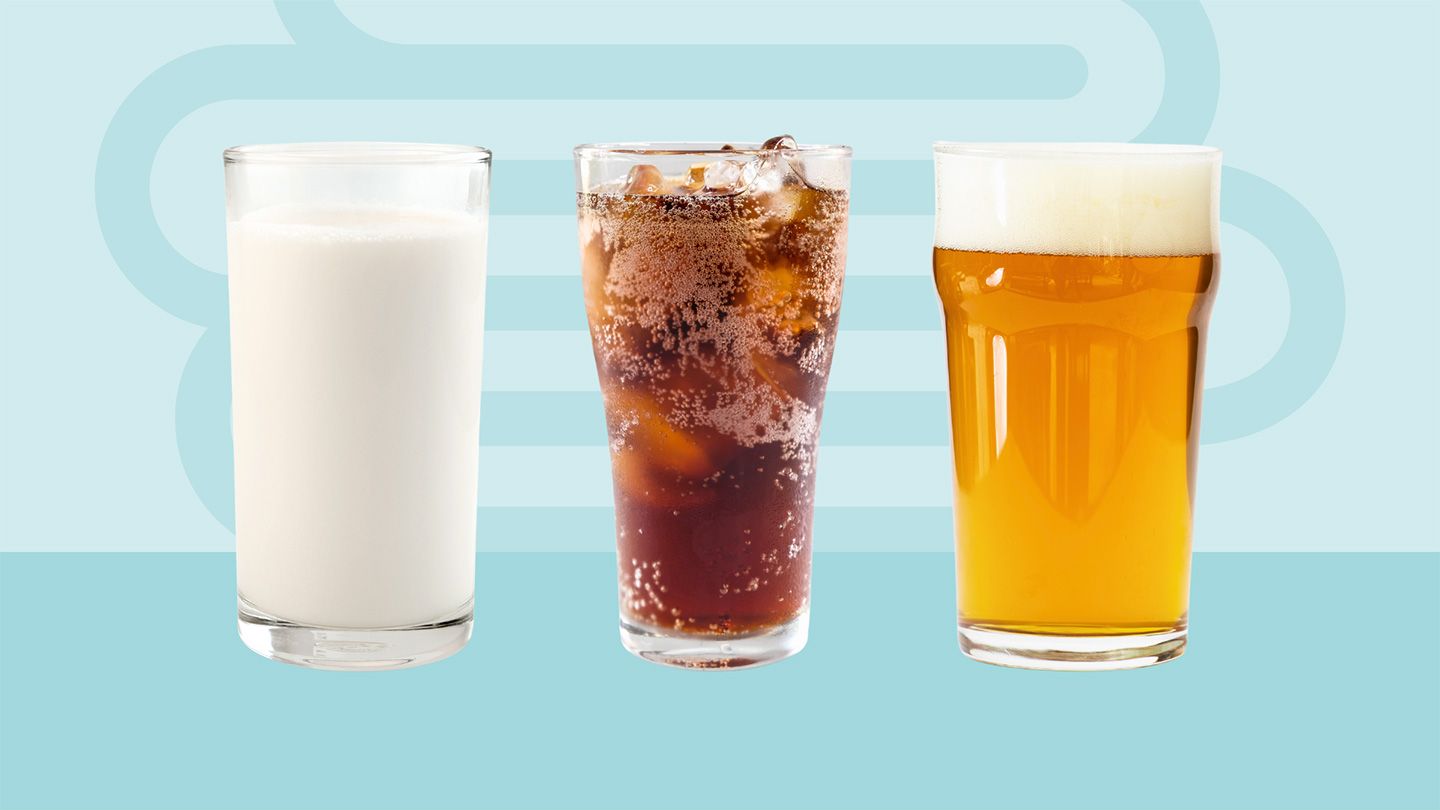
Understanding the Drinks That Can Cause Gas and Bloating
Uncomfortable gas and bloating can sometimes be caused by the beverages you consume every day. From fizzy sodas to some seemingly healthier options like lemonade, certain drinks contain ingredients or have certain characteristics that can upset your stomach.
Cutting back on these beverages may help improve your tummy troubles, but even if your favorite quencher is on this list, you won't have to give it up completely, especially if you don't sip it through a straw, which can make gassiness and bloating worse.
If you find that a drink makes you feel bloated, this doesn't mean you have to always avoid it, says registered dietitian Amanda Sauceda, RDN, a certified intuitive eating counselor in Long Beach, California. Try drinking smaller amounts.
1. Carbonated Beverages
All fizzy drinks, whether flavored, unflavored, unsweetened, or those that contain sugar or artificial sweeteners, contain carbon dioxide that can make you feel bloated.
The tiny bubbles of carbonation can make you gassy, says Sauceda. And diet beverages can spell double trouble for your stomach because they typically contain gut-unfriendly artificial sweeteners. Sugar alcohols, which you find in artificial sweeteners, aren't digested well in the gut. As such, they can cause diarrhea and other digestive symptoms like bloating and gas, she says.
The same goes for spiked seltzer, which can cause even more stress on your stomach than the nonalcoholic types. On top of the bloat-inducing bubbles, alcohol can trigger inflammation in the gut, which can lead to pressure, gas, and other digestive problems.
2. Milk
Milk and other dairy products contain lactose, which is a natural sugar. People who can't digest lactose well have a condition known as lactose intolerance, which can cause diarrhea, gas, and bloating. Lactose intolerance impacts as many as 65 percent of adults. Most common among people of East Asian descent, it's less prevalent in those whose cultures have a long history of consuming unfermented milk products, such as those from Northern Europe.
Even if milk never bothered your stomach before, you may develop an issue as you get older, says Sauceda.
3. Protein Shakes
Your stomach may react to whey, a byproduct of milk commonly used to make protein powder. If you have gas and bloating after drinking protein shakes, smoothies, or any other food that uses a whey-based protein powder, consider trying a plant-based, dairy-free protein powder instead.
Protein shakes may also contain artificial sweeteners to enhance their flavor without adding calories, which can further exacerbate digestive discomfort. Sugar substitutes can negatively impact overall gut health due to how they change the makeup of the gut microbiota.
4. Coffee
While not an irritant for everyone, coffee can be rough on the gastrointestinal system. Some people are sensitive to caffeine, and as a result, they might notice some digestive issues like gas or diarrhea, says Sauceda. Caffeine is a stimulant that can cause the muscles in the gastrointestinal tract to contract, which can lead to loose stools or diarrhea.
Coffee can also stimulate stomach acid production and alter the gut microbiome. And, depending on how you take yours, it can contain additional offenders like milk and artificial sweeteners.
5. Bubble Tea
Bubble tea, also known as boba milk tea, is a trendy beverage with versatile flavors, bright colors, and tapioca (boba) pearls. Unfortunately, the boba that makes it a fun refresher may be what's upsetting your stomach.
Boba pearls usually contain starch made from tapioca with water and sugar, creating a gummy consistency, says Pittsburgh-based registered dietitian-nutritionist Jess DeGore, RD, LDN. Other ingredients may make it hard on the stomach, too. High-fructose corn syrup can be used as a sweetener in some boba teas, leading to diarrhea and flatulence in those with a low absorption capacity for fructose.
6. Fruit Juice
Many fruit juice products, including lemonades, aren't made from real fruit. Instead, these beverages are often a cocktail of water, fruit concentrate, sugar, and added flavors.
Much fruit juice sold in stores is flavored with sugar additives like sorbitol, says DeGore. Sugar alcohols [like sorbitol] remain mostly undigested before reaching the large intestine. When they arrive there, the bacteria will start to break them down, causing excess gas.
7. Beer
Beer can lead to tummy troubles for a few reasons. It's a bubbly, carbonated beverage, and the alcohol it contains may also irritate the stomach.
Alcohol is inflammatory and will cause swelling and irritation in the stomach, producing more stomach acid, which can lead to bloating, says DeGore.
She says beer is a particularly big offender because of its fermentation and carbonation. Plus, the grains often used to make beer—wheat and barley—can be hard to digest.
The Takeaway
Cutting back on certain beverages like carbonated drinks, milk, and fruit juices may help you avoid uncomfortable abdominal gas and bloating.
Being mindful of chemical additives like artificial sweeteners found in soda, protein shakes, and some fruit juices may help manage unwanted bloating and discomfort.
Caffeine and whey protein can also irritate the digestive system.
Drinks that contain alcohol, such as hard seltzers and beer, can cause inflammation that disrupts the gut microbiome and leads to gastrointestinal discomfort.

Post a Comment for "7 Drinks That Trigger Gas and Bloating, Says a Dietitian"
Post a Comment