
8 Animals That Harm, Yet Prefer to Run, Not Fight
Brown Bears: Gentle Giants With a Bad Reputation
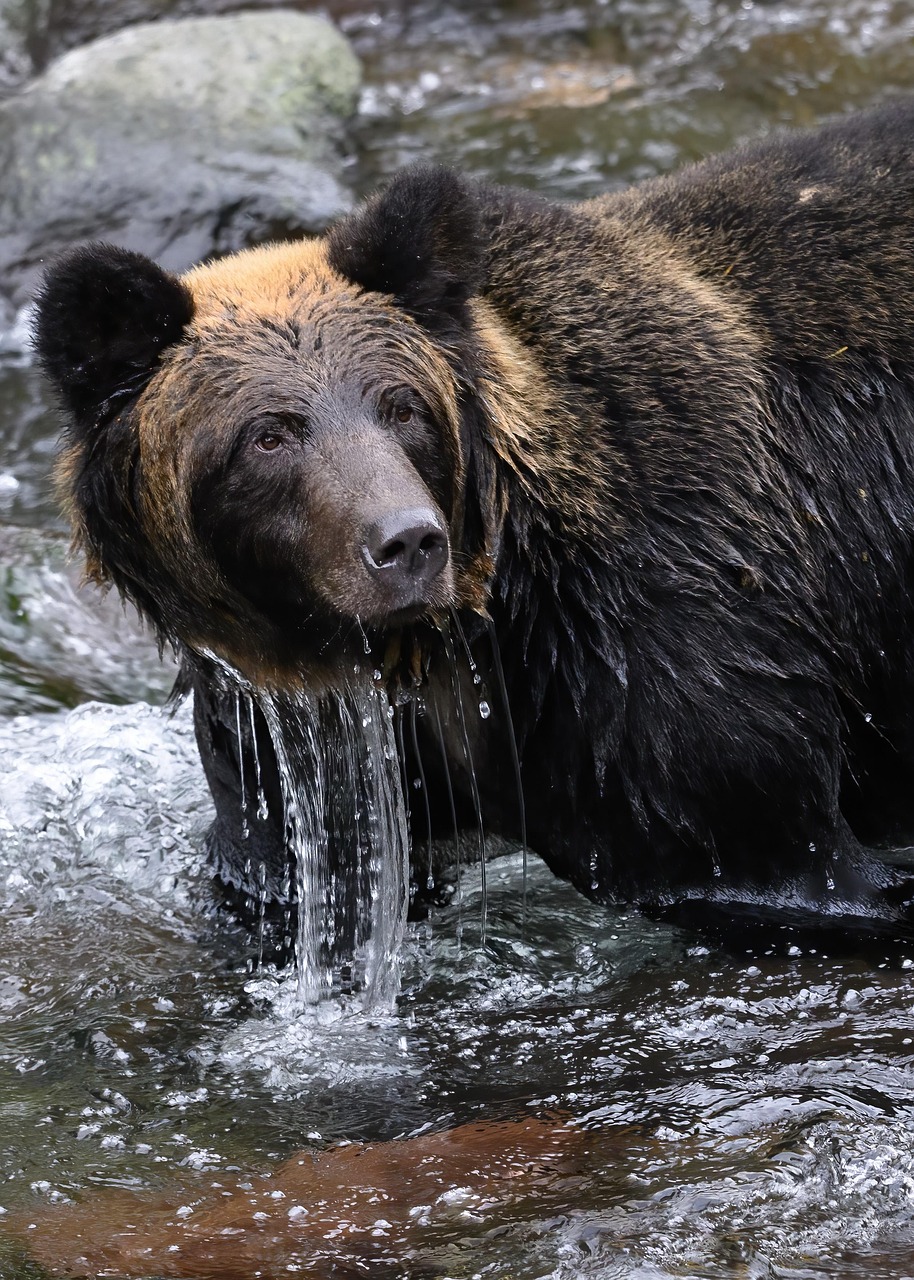
Brown bears might look terrifying with their massive claws and imposing size, but these creatures are surprisingly conflict-averse when it comes to humans. According to wildlife research from Yellowstone National Park, brown bears actively avoid human contact in roughly nine out of ten encounters, typically fleeing long before humans even notice their presence.
Most bear attacks occur when humans accidentally surprise a mother with cubs or corner a bear without an escape route. These powerful animals would much rather spend their time foraging for berries, salmon, or roots than dealing with the unpredictable nature of human encounters.
Mountain Lions: Masters of Stealth and Avoidance
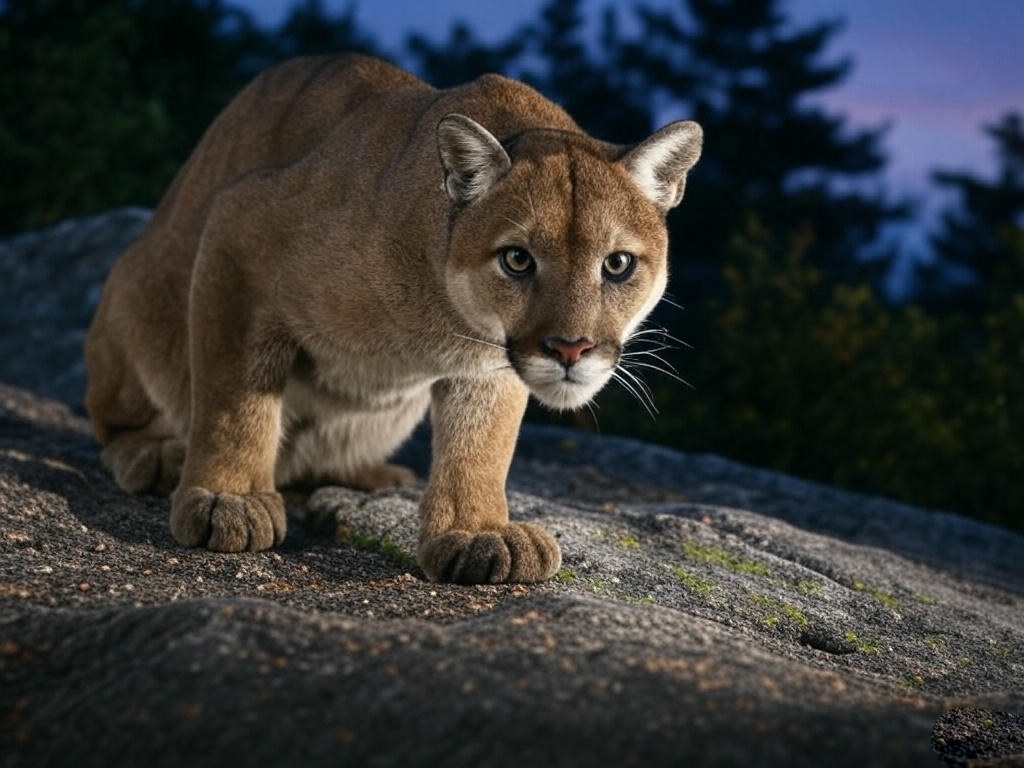
Mountain lions are apex predators that could easily overpower most humans, yet fatal attacks remain extraordinarily rare across North America. Wildlife biologists estimate that mountain lions encounter humans far more frequently than we realize, but choose to remain hidden rather than engage.
Research from the Colorado Parks and Wildlife Department shows that these big cats typically retreat when they detect human presence through scent, sound, or movement. The few documented attacks usually involve sick or injured animals, young cats separated from their mothers, or situations where the animal feels completely trapped with no escape options available.
Moose: Surprisingly Peaceful Despite Their Size
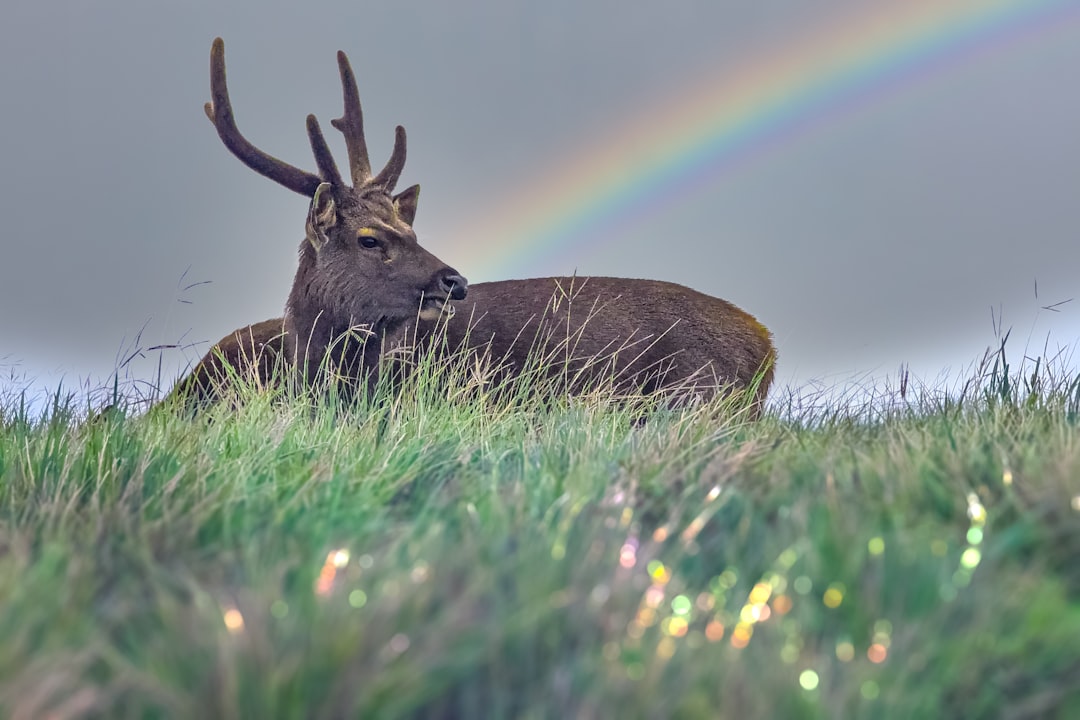
Standing up to six feet tall at the shoulder and weighing as much as a small car, moose possess the physical capability to cause serious harm to humans. However, studies from Alaska's Department of Fish and Game reveal that moose typically choose flight over fight when encountering people on hiking trails or in suburban areas.
These massive herbivores become aggressive primarily during rutting season in fall or when protecting their calves in spring and early summer. Most negative encounters occur when humans get too close for photos or accidentally block the animal's preferred escape route through dense forest areas.
Wolves: Pack Hunters That Prefer Wild Prey
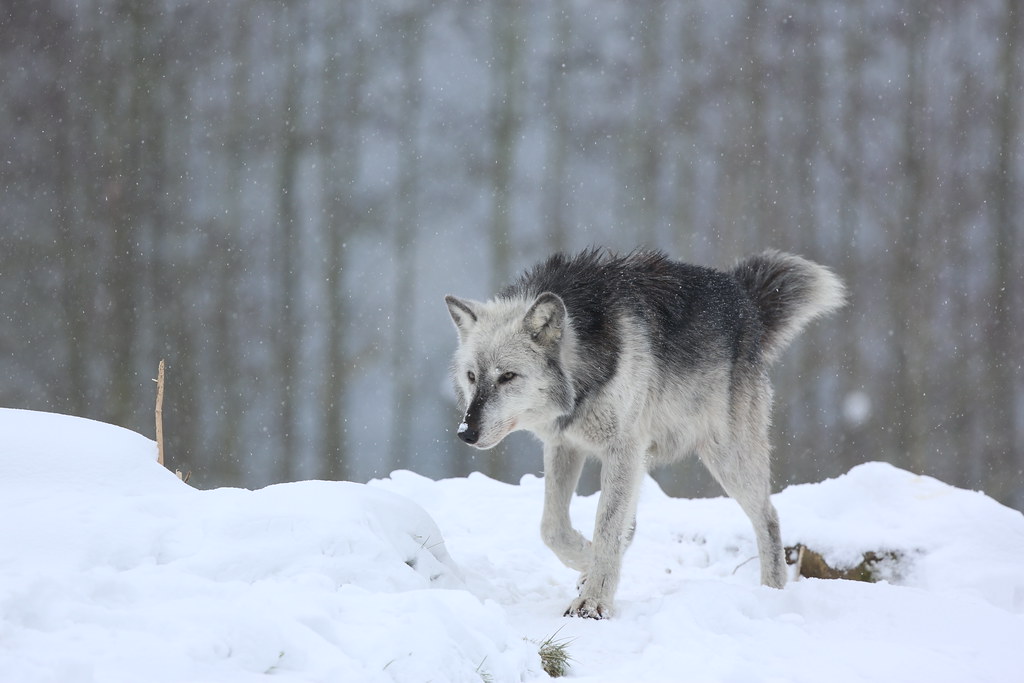
Gray wolves have sparked fear in human imagination for centuries, but modern wolf research tells a dramatically different story about their actual behavior around people. Data from the International Wolf Center shows that healthy wild wolves have killed fewer than twenty people in North America over the past century, despite thousands of documented sightings and encounters.
These intelligent predators actively avoid human settlements and typically retreat when they catch human scent on hiking trails or near campsites. Wolf attacks on humans are so rare that each incident becomes a major news story, highlighting just how unusual such encounters really are in the wild.
Black Bears: Expert Escape Artists
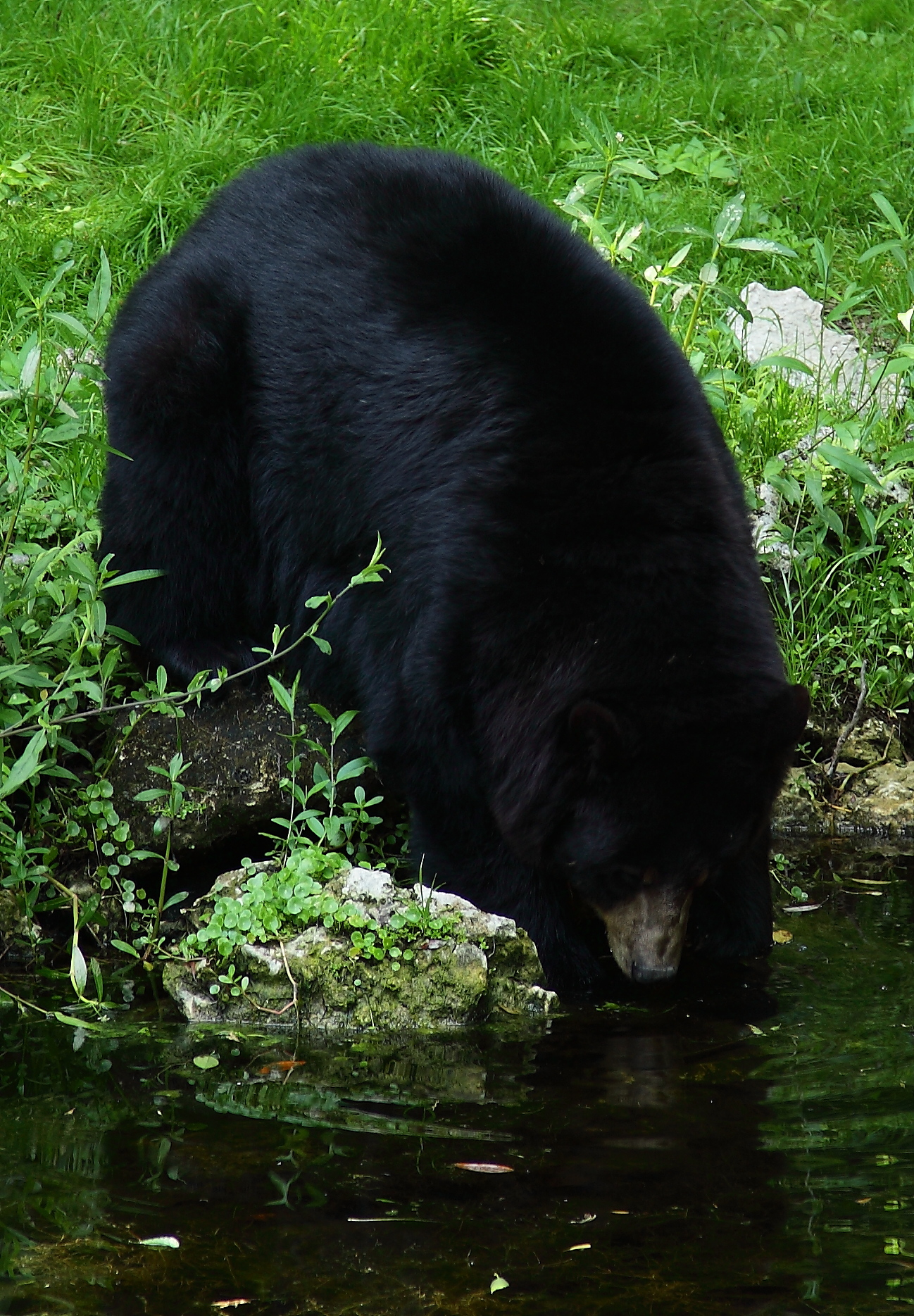
Black bears are incredibly adaptable animals that have learned to coexist near human populations, yet they maintain their preference for avoiding direct confrontation whenever possible. Research from the North American Bear Center indicates that black bears will climb trees, swim across lakes, or take long detours around hiking areas to avoid human contact.
These bears are naturally curious and may investigate campsites or garbage cans, but they typically flee at the first sign of human presence or loud noises. Fatal black bear attacks average fewer than one per year across all of North America, despite millions of people living and recreating in bear habitat.
Coyotes: Urban Adapters With Wild Instincts
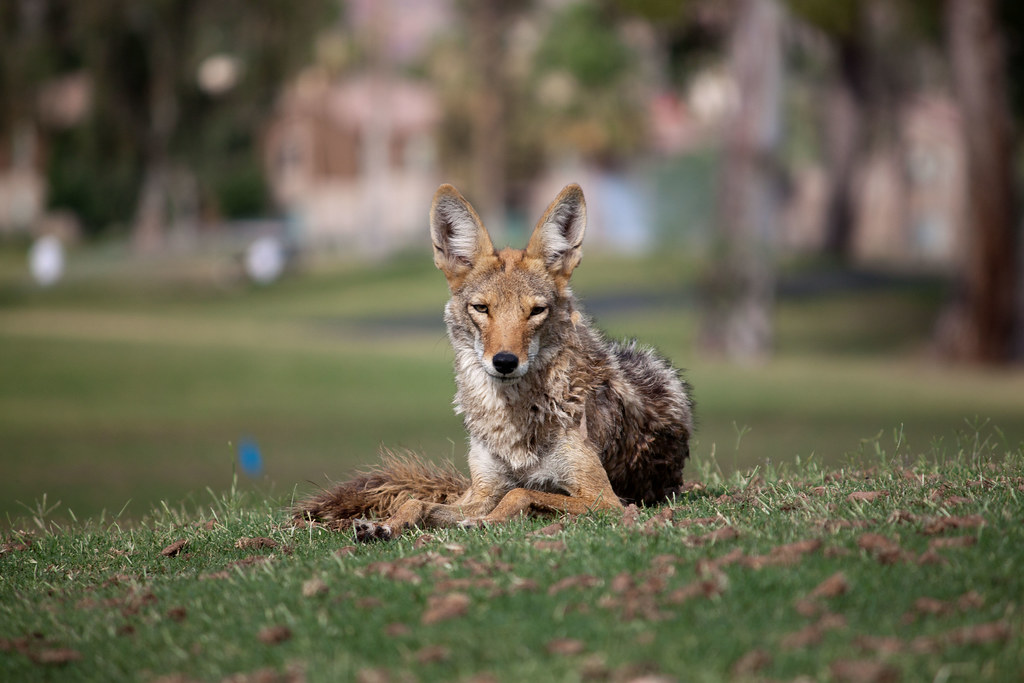
Coyotes have successfully adapted to urban and suburban environments across North America, yet they retain their natural wariness of humans despite living in close proximity. Studies from urban wildlife programs in cities like Los Angeles and Chicago show that coyotes actively avoid areas with high human activity during daylight hours.
These intelligent canids typically hunt small prey like rodents and rabbits rather than viewing humans as potential targets or threats. Aggressive encounters usually involve rabid animals, protective parents with young pups, or situations where humans have been feeding coyotes and altered their natural fear response.
Elk: Majestic Herbivores With Defensive Capabilities
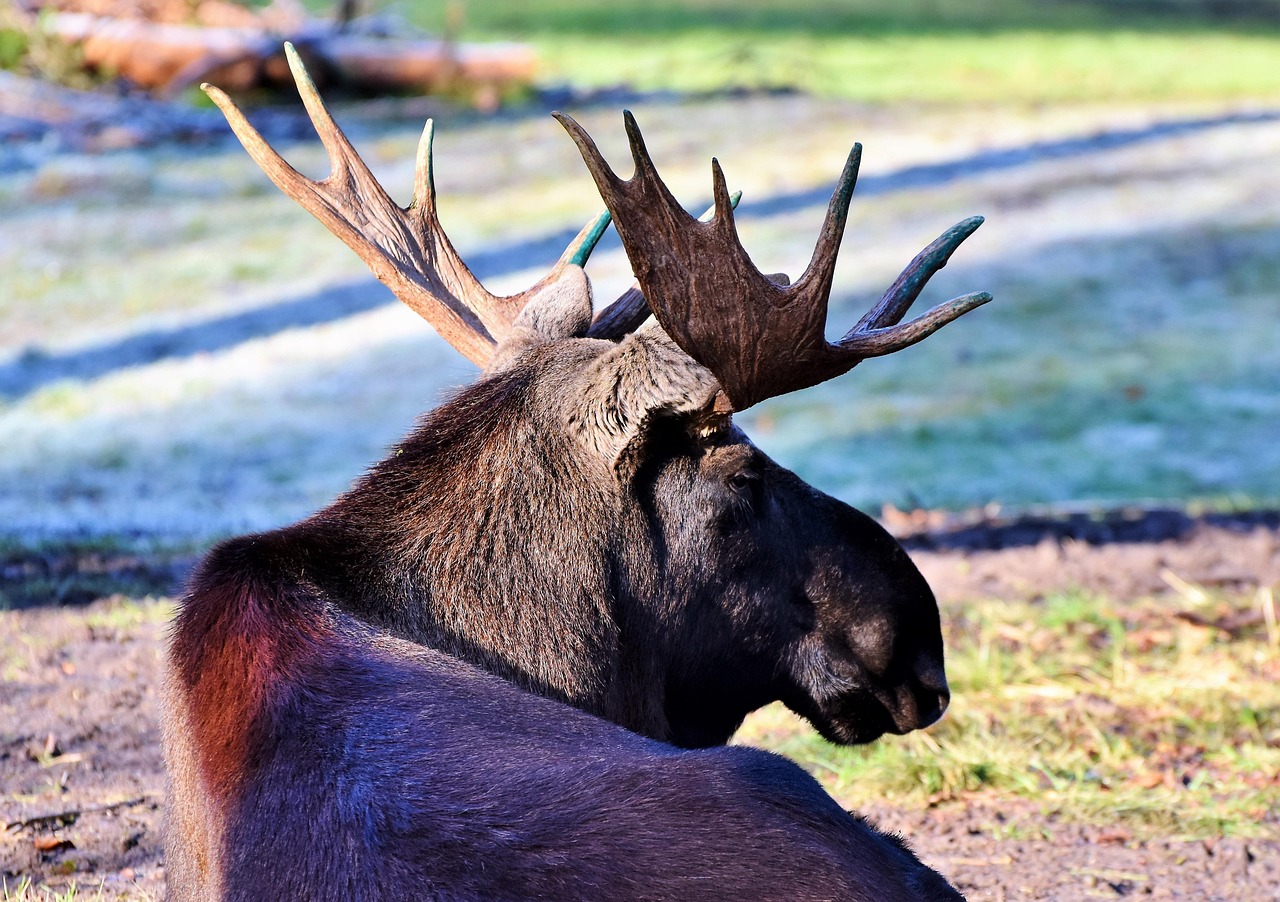
Bull elk during rutting season can weigh up to eight hundred pounds and sport antlers spanning five feet across, making them formidable opponents if provoked. However, elk behavioral studies from Rocky Mountain National Park demonstrate that these animals prefer to use their impressive size and speed to escape human encounters rather than engage in confrontation.
Most elk simply move to different grazing areas when human activity increases in their preferred feeding spots. Dangerous situations typically arise when photographers or hikers approach too closely during sensitive times like calving season or the fall rut when hormones run high.
Bobcats: Elusive Predators That Value Solitude
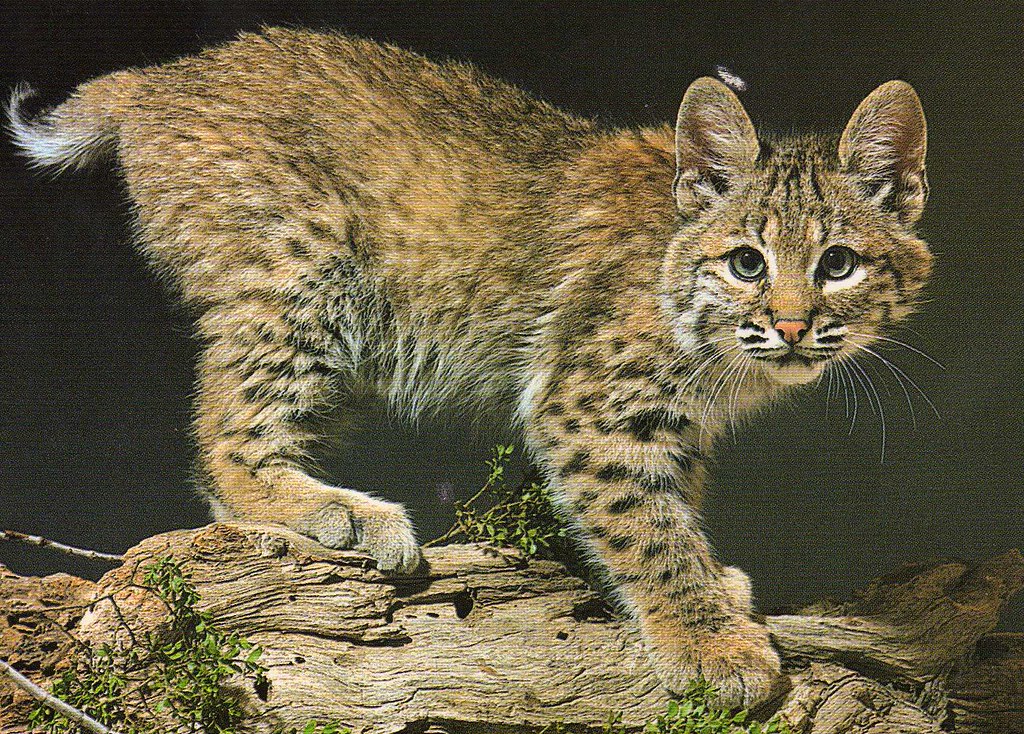
Bobcats are skilled hunters with sharp claws and powerful jaws, perfectly designed for taking down prey much larger than themselves. Yet these solitary cats go to extraordinary lengths to avoid human detection, often living unnoticed in suburban areas for years.
Wildlife tracking data from various state agencies shows that bobcats typically hunt during dawn and dusk hours, timing their activity to minimize overlap with human schedules. These adaptable felines would rather abandon a prime hunting territory than deal with regular human disturbance, demonstrating their strong preference for maintaining distance from our species.
Rattlesnakes: Defensive Experts With Clear Warning Systems
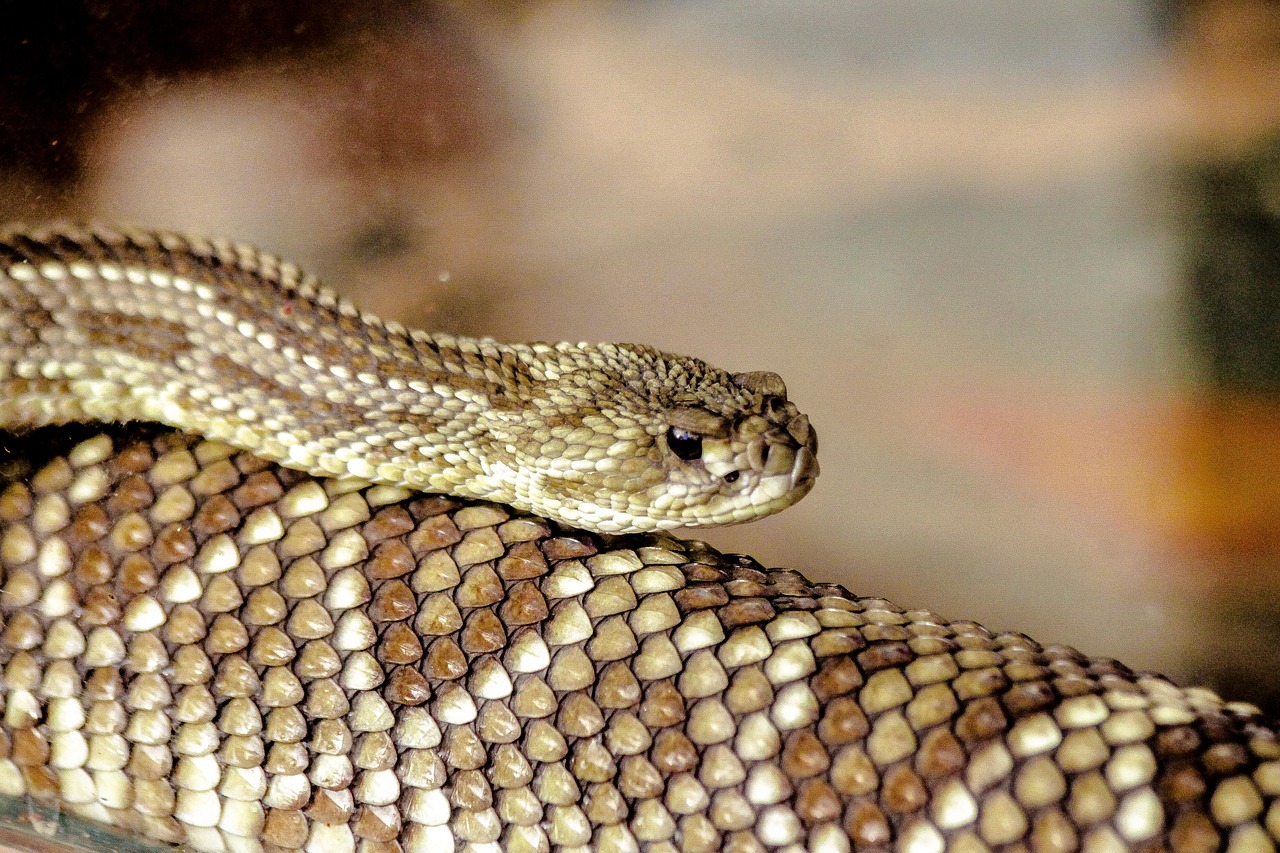
Rattlesnakes possess potent venom that could prove fatal to humans, but these reptiles have evolved sophisticated warning systems specifically to avoid potentially dangerous encounters. Herpetologists studying rattlesnake behavior note that these snakes typically retreat when they detect human footsteps through ground vibrations, often leaving the area before humans even realize they were there.
The distinctive rattle serves as a last resort warning when escape routes are blocked or when the snake feels cornered. Most snakebite incidents occur when people accidentally step on hidden snakes or attempt to handle or kill them rather than allowing safe passage.
Wild Boar: Powerful Runners With Defensive Instincts
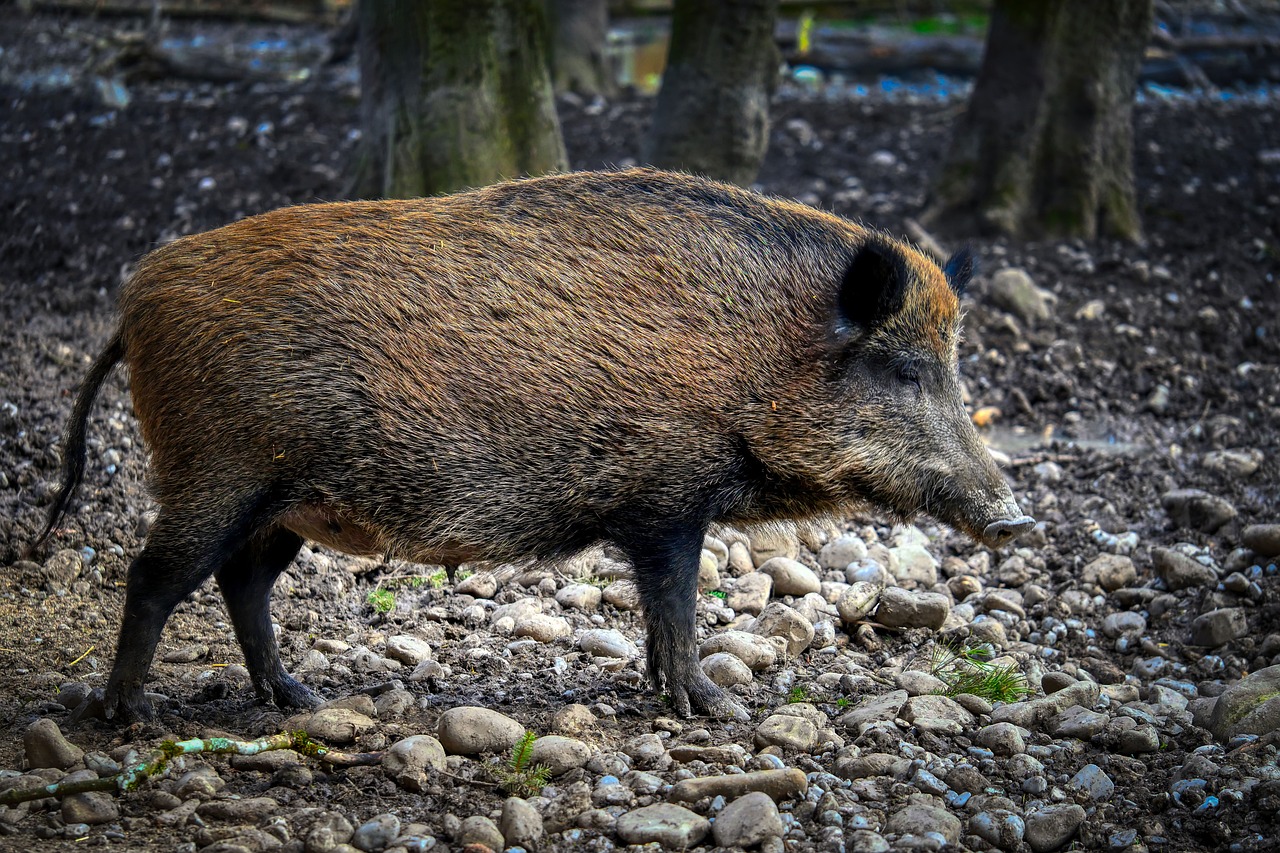
Wild boar can reach speeds of thirty miles per hour and possess razor-sharp tusks capable of inflicting serious wounds, yet these intelligent animals typically choose flight over fight when encountering humans. European wildlife studies show that wild boar actively avoid areas with regular human activity, often changing their feeding patterns and travel routes to minimize contact.
These adaptable omnivores become aggressive primarily when protecting piglets or when surprised at close range without clear escape options available. Most negative encounters involve hunters who have wounded an animal or hikers who accidentally stumble upon family groups during foraging activities.
The Reality Behind Animal-Human Encounters
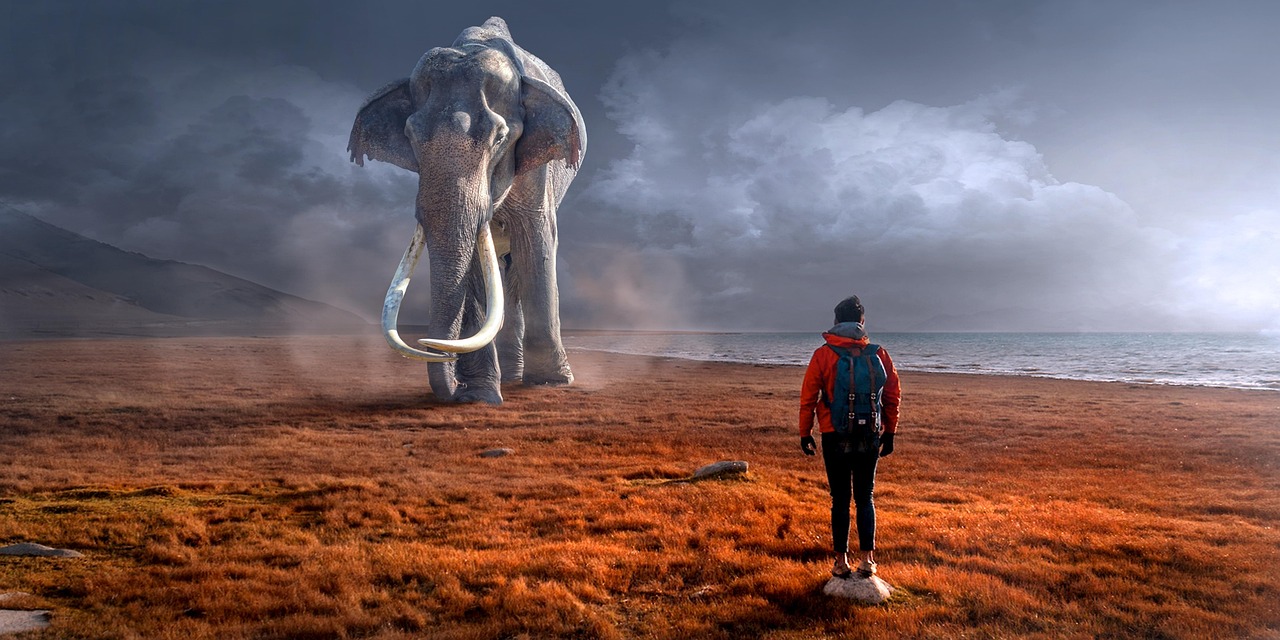
The vast majority of potentially dangerous wildlife encounters end peacefully because these animals have evolved sophisticated strategies for avoiding unnecessary conflicts with humans. Research consistently shows that most species capable of harming people would much rather use their energy for finding food, caring for young, or establishing territories than engaging in risky confrontations.
Understanding these natural behavioral patterns helps explain why millions of people can safely enjoy outdoor activities in wildlife habitat each year. When conflicts do occur, they typically result from human actions that eliminate the animal's preferred escape options or trigger protective instincts during vulnerable times like breeding or feeding young offspring.

Post a Comment for "8 Animals That Harm, Yet Prefer to Run, Not Fight"
Post a Comment