
A Heart-Healthy Day, From Morning to Night (Simpler Than You Think)
Morning: Start Your Day with Heart-Health in Mind
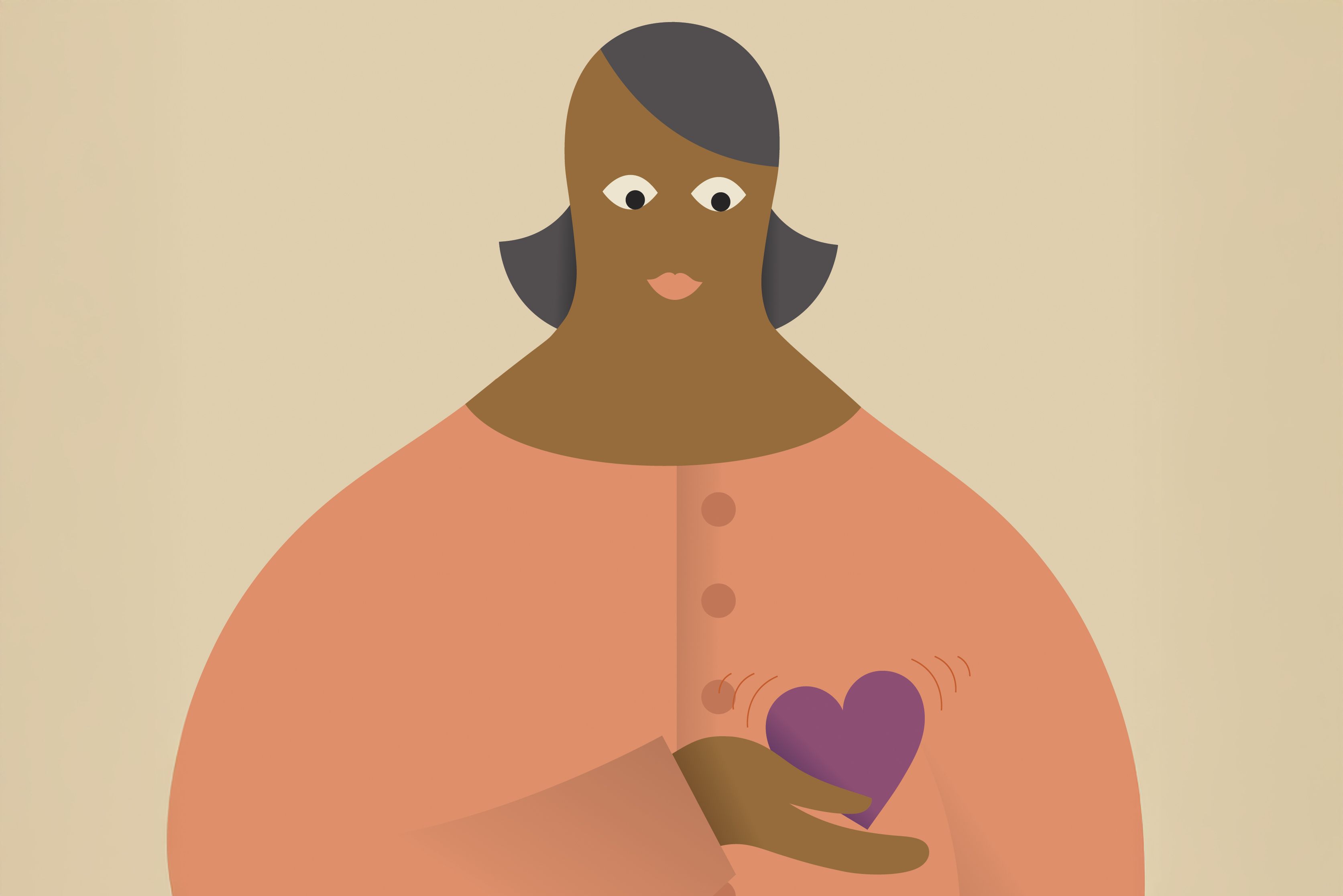
When it comes to heart health, many of us overlook the importance of daily habits. According to the CDC, about 44% of women in the United States have some form of heart disease, which is a bigger killer than all cancers combined. This makes it essential to take proactive steps to protect your heart, especially as you age.
One of the first things you can do each morning is focus on your diet. Eating a variety of fruits and vegetables can significantly reduce your risk of heart disease. Aim for four to five servings of each per day, as recommended by the DASH eating plan. A good breakfast option could be oatmeal with fresh or frozen blueberries and walnuts. The fiber from the berries and oats helps support healthy cholesterol levels, while the walnuts provide omega-3 fatty acids and vitamin E, which can help reduce chronic inflammation.
Don’t forget to brush your teeth and floss. Good oral hygiene prevents plaque buildup, which can lead to chronic inflammation and even enter your bloodstream, affecting your coronary arteries. While the official recommendation is twice-daily brushing, daily flossing, and twice-yearly dental visits, even less frequent routines can make a difference. A 2024 review found that brushing once a day and visiting the dentist once a year reduced cardiovascular disease risk by 9% and 14%, respectively.
Staying hydrated is also crucial. Drinking between 2 1/2 and 3 liters of water a day helps your heart pump blood more efficiently. Consider using a nonplastic refillable bottle to avoid microplastics, which have been linked to chronic heart conditions. A 2024 study showed that those with microplastics in their neck blood vessels were 4 1/2 times more likely to suffer a heart attack or stroke.
Finally, get moving. Whether it’s a walk around the block or a workout at the gym, exercise is vital for heart health. A 2025 study found that exercising earlier in the day improves cardiorespiratory fitness, which is linked to lower heart disease risk. Aim for 150 minutes of moderate aerobic activity or 75 minutes of vigorous activity per week, along with resistance training at least two days a week.
Afternoon: Sustain Energy and Heart Health
Lunch should be a balanced, nourishing meal that keeps your energy levels stable. A heart-healthy option could be an antioxidant-rich salad with various produce and salmon, which is packed with omega-3 fatty acids. If you’re not a fan of salads, try roasting your veggies to bring out their natural sweetness and improve texture.
A short walk of 15 minutes can help you meet your aerobic activity goals. Research shows that even brief walks at a brisk pace can reduce the risk of premature death from any cause, including cardiovascular disease, by 20%.
Snack on something with fiber and healthy fats, like carrots and hummus or an apple with peanut butter. These choices help control blood sugar and keep you full longer.
Make sure to stand up and move throughout the day. Every hour, take a few steps to break up long periods of sitting. A Columbia University study found that walking for one minute every 30 minutes can reduce blood pressure compared to being sedentary.
Take a few deep breaths to manage stress. Deep breathing triggers your body’s relaxation response and can help lower blood pressure. Apps like Calm or Headspace offer guided sessions to help you stay calm and centered.
Evening: Wind Down and Support Heart Health
At dinner, mix up your protein sources. Consuming a variety of lean proteins like fish, poultry, tofu, beans, and legumes can reduce the risk of high blood pressure. This variety ensures you get different essential amino acids, which are important for overall body function.
Spend time with loved ones. Social connections are vital for heart health. A 2022 study found that loneliness increases the risk of heart disease due to related stress.
Wind down with meditation before bed. Similar to deep breathing, meditation activates the parasympathetic nervous system, helping to lower your heart rate and relax your blood vessels. Even five minutes a night can make a difference.
Prioritize sleep. Lack of sleep negatively affects your heart, as your body restores itself during this time. Try to maintain a regular sleep schedule, limit alcohol, and avoid blue light from devices before bedtime. If these strategies don’t work, consult your doctor. As Rexrode says, “Sleep is the drug our body needs.”
)
Post a Comment for "A Heart-Healthy Day, From Morning to Night (Simpler Than You Think)"
Post a Comment