
A Working Dad's Guide to Sharing the Parenting Load
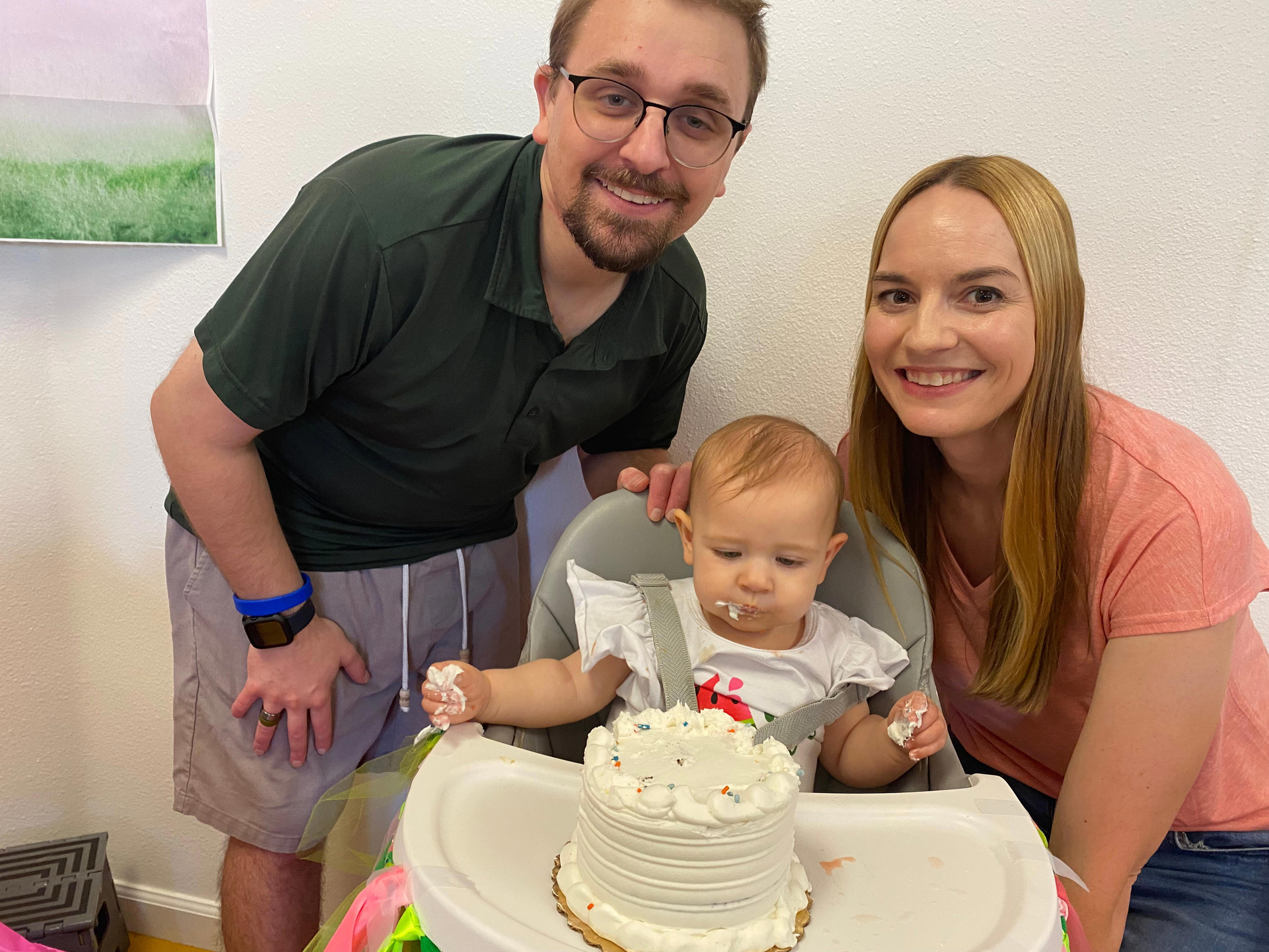
Wesley Graft and his wife both work full-time in education and have a 1-year-old daughter. The challenges of raising a child, combined with Wesley’s health condition, have made their journey unique and filled with moments of both struggle and triumph.
Shortly after his daughter was born, Graft was diagnosed with peripheral neuropathy, a nerve damage condition that affects the limbs, hands, and feet. He describes the experience as feeling like a boa constrictor was wrapped around his legs, with difficulty in coordination and tightness in his legs. His doctor explained that it was a form of nerve damage that causes pain and discomfort in certain areas of the body.
The symptoms of peripheral neuropathy vary from person to person, but for Graft, it has caused pain and discomfort in his quads and almost no feeling in his feet. He recalls the moment when his doctor used a reflex hammer on his knee and nothing happened, which confirmed the severity of his condition. Since then, the symptoms have continued to evolve, making daily tasks more challenging.
Graft and his wife manage their lives through a combination of coordination, planning, and support from their network. This includes help from family members and friends who are always willing to lend a hand. As a director of student services at a school in Chatsworth, California, Graft works primarily from a desk, handling staff scheduling and other administrative duties. However, due to his balance issues, he recently started using a cane at work.
His wife, Kim, is a preschool teacher, and together they both work full-time in education. They rely on daycare to help care for their daughter, which costs them $365 a week at a family day care. While Kim would prefer to stay home, she values her job and finds it hard to imagine being away from the classroom. Their jobs offer some flexibility, especially when daycare is closed, allowing Graft to work from home.
The financial burden of their situation is significant. Medical bills have added up, including three MRIs that cost several thousand dollars. Although they had some insurance coverage, the expenses were still high. Education is not the most lucrative industry, so they constantly have to be mindful of their budget, balancing medical costs, mortgage payments, and daycare fees.
Living with his condition comes with its own set of challenges. For example, Graft can’t always mirror what his wife does. When carrying their daughter, he must place her on his shoulder to keep one hand free in case he loses his balance. Every step requires careful attention, especially when moving around the house while holding their daughter.
They live in a walk-up condo, and Kim often carries their daughter up and down the stairs. Graft doesn’t want to risk falling, so he avoids carrying the car seat and trying to hold onto the railing. There was one instance where his knee gave out while trying to get up the stairs with groceries, highlighting the dangers he faces daily.
Despite these challenges, Graft and his wife have found ways to adapt. They take turns caring for their daughter and each other, ensuring that neither feels overwhelmed. Graft acknowledges that he has learned to let go of traditional expectations about “masculine tasks” and instead focuses on being present and helpful in any way he can.
Familial support has been crucial in helping them navigate this journey. Graft’s parents and siblings provide consistent assistance, and they often take turns looking after the children to give each other some time off. This support system has been a vital part of their ability to manage their responsibilities.
As his condition develops, so does their daughter. She is now standing for longer periods, starting to walk, and saying some words. Her smiles and laughter make all the challenges worthwhile. Graft and Kim may be biased, but they believe she is perfect in every way.


Post a Comment for "A Working Dad's Guide to Sharing the Parenting Load"
Post a Comment