
Ada County Seeks $2B for Highways, But at a High Price
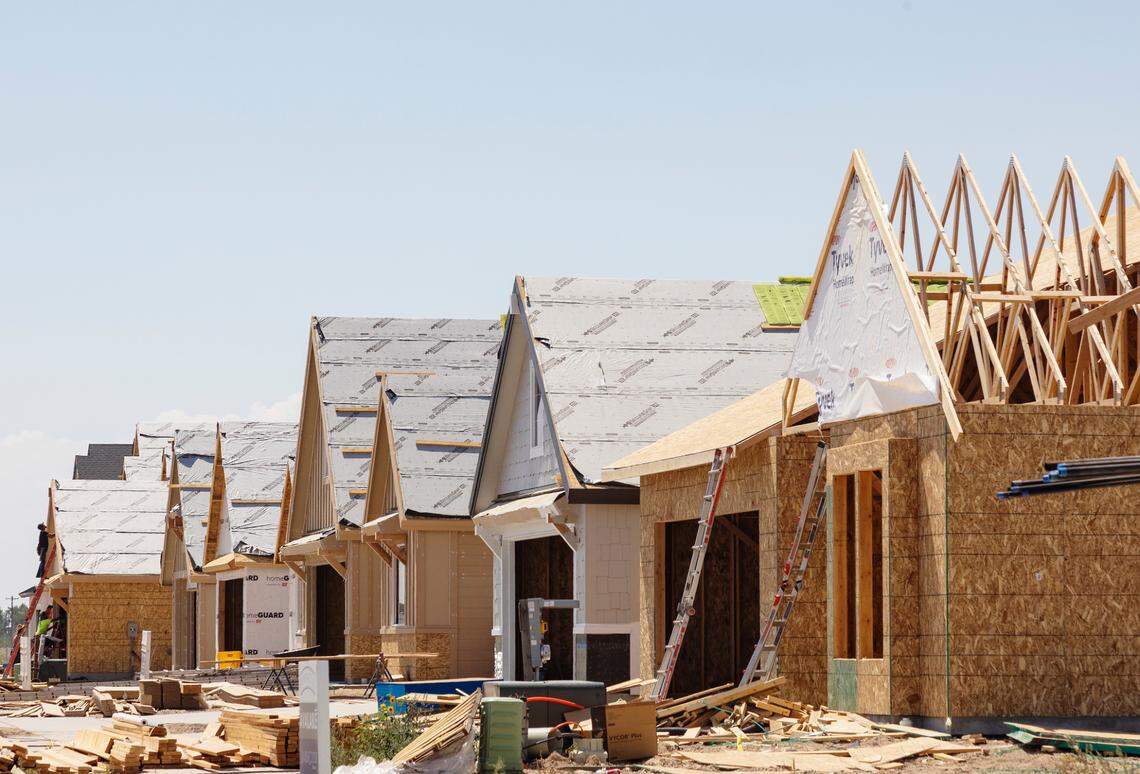
New Impact Fee Proposal Aims to Make Growth Pay for Itself
The Ada County Highway District (ACHD) is proposing a significant overhaul of its impact fee structure, aiming to ensure that new development contributes more effectively to the costs of infrastructure needed to support growth. This plan involves a substantial increase in fees for developers, with some rates nearly doubling. The changes are part of an effort to generate more revenue from new construction projects and allocate it toward road improvements over the next 20 years.
The public comment period for the proposed changes began on September 25, allowing residents and stakeholders to provide feedback before the final decision is made. The updated impact fees would be used to fund eligible road projects, including major initiatives like widening Eagle Road between Lake Hazel and Amity roads and constructing the Linder Road overpass in Meridian. These projects are critical for addressing the growing traffic demands in the region.
However, the increased fees could lead to higher costs for buyers of new homes and commercial buildings. For the first time in over a decade, the fees may vary depending on the location of the development within the county. The proposal divides Ada County into two service areas—east and west—separated by Cole Road in Boise. Fees collected from developers in each area would be directed toward road projects within that specific region.
Financial Implications of the Proposed Changes
The proposed impact fees represent a dramatic increase compared to current rates. In western Ada County, the cost for single-family homes could rise by more than 150%, from around $3,500 to over $7,800. In eastern Ada County, the increase would be about 53%. If the district had maintained a single service area, the fees for single-family homes would still jump to more than $7,800.
These increases are driven by inflation, rising construction costs, and the need to fund a larger number of road projects. According to ACHD, project cost estimates have not been updated in over five years, and recent data shows that land and construction costs have surged significantly. The district’s draft 20-year capital improvement plan includes $1.6 billion in eligible projects, up from $630 million under the current system.
Megan Anderson, ACHD’s impact-fee administrator, explained that the proposed fees are based on state law and reflect the maximum allowable amount for impact fees. She noted that the commission will ultimately decide whether to include all the projected costs or adjust them.
Addressing Misconceptions About Impact Fees
While impact fees are charged to developers, they can be passed on to homebuyers through higher housing costs. However, Anderson emphasized that these fees are intended to ensure that growth pays for itself, rather than relying on general tax revenues.
“The goal of this is to identify who's generating the need for expansionary projects and have the fee assessed directly to them,” she said. “It’s not the city paying these fees, nor existing residents. That’s a big misconception.”
Impact fees are legally restricted to projects that directly result from new development, such as adding lanes to major roads. Maintenance or congestion-related improvements must be funded through other sources.
Service Areas and Public Feedback
The proposed two-service-area model has sparked debate among ACHD commissioners. Some, like Kent Goldthorpe of District 4, support a single service area, while others, including Alexis Pickering of District 2, have expressed interest in the two-area model to ensure that fees stay within the communities where they are generated.
Anderson noted that both models comply with state law and are supported by data. The commission’s decision will ultimately be a policy choice.
Public input is crucial, and the highway district is seeking feedback through October 16. Residents can submit comments online or take an online survey. After the comment period, ACHD plans to workshop the proposal in November and hold a public hearing in December. A supermajority of four out of five commissioners will be required to approve the final plan.
Broader Context of Infrastructure Needs
The proposed changes come amid growing concerns about infrastructure funding in the Treasure Valley. Recent investments, such as the Idaho Transportation Department’s $500 million expenditure on new freeways in the Boise area, highlight the scale of the challenge. Other proposals, such as commuter rail and transit improvements, also reflect the region’s need for sustainable transportation solutions.
As ACHD moves forward, the balance between funding infrastructure and managing costs for residents will remain a key issue. The upcoming public hearings and discussions will play a vital role in shaping the future of road development in Ada County.

Post a Comment for "Ada County Seeks $2B for Highways, But at a High Price"
Post a Comment