
Animal abusers face minimal consequences today
When a person illegally double parks on a one-way street and a police officer walks by, it's expected that they'll receive a ticket. Similarly, one might assume that if a company using animals is caught mistreating them, there would be some legal consequences. However, in many cases, this isn't the reality for businesses in the United States.
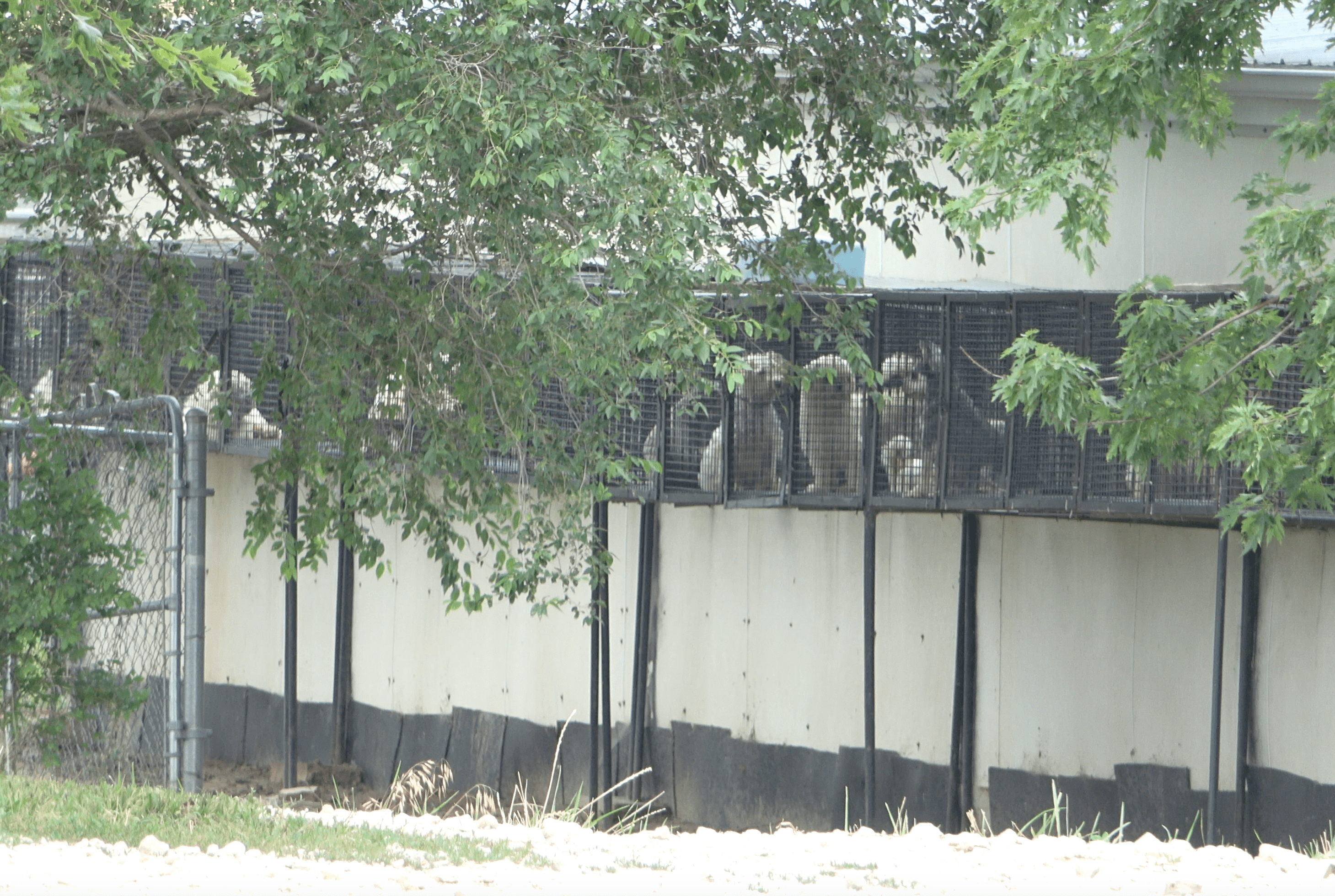
This summer, an inspector from the U.S. Department of Agriculture (USDA) visited a dog breeder in Ohio and found one of his dogs — a 4 1/2-year-old female Maltipoo — in poor condition. The dog had missing teeth, gum recession, and some remaining teeth that moved when pressed. Instead of facing any real consequences, the breeder received a warning, which has no enforceable impact.
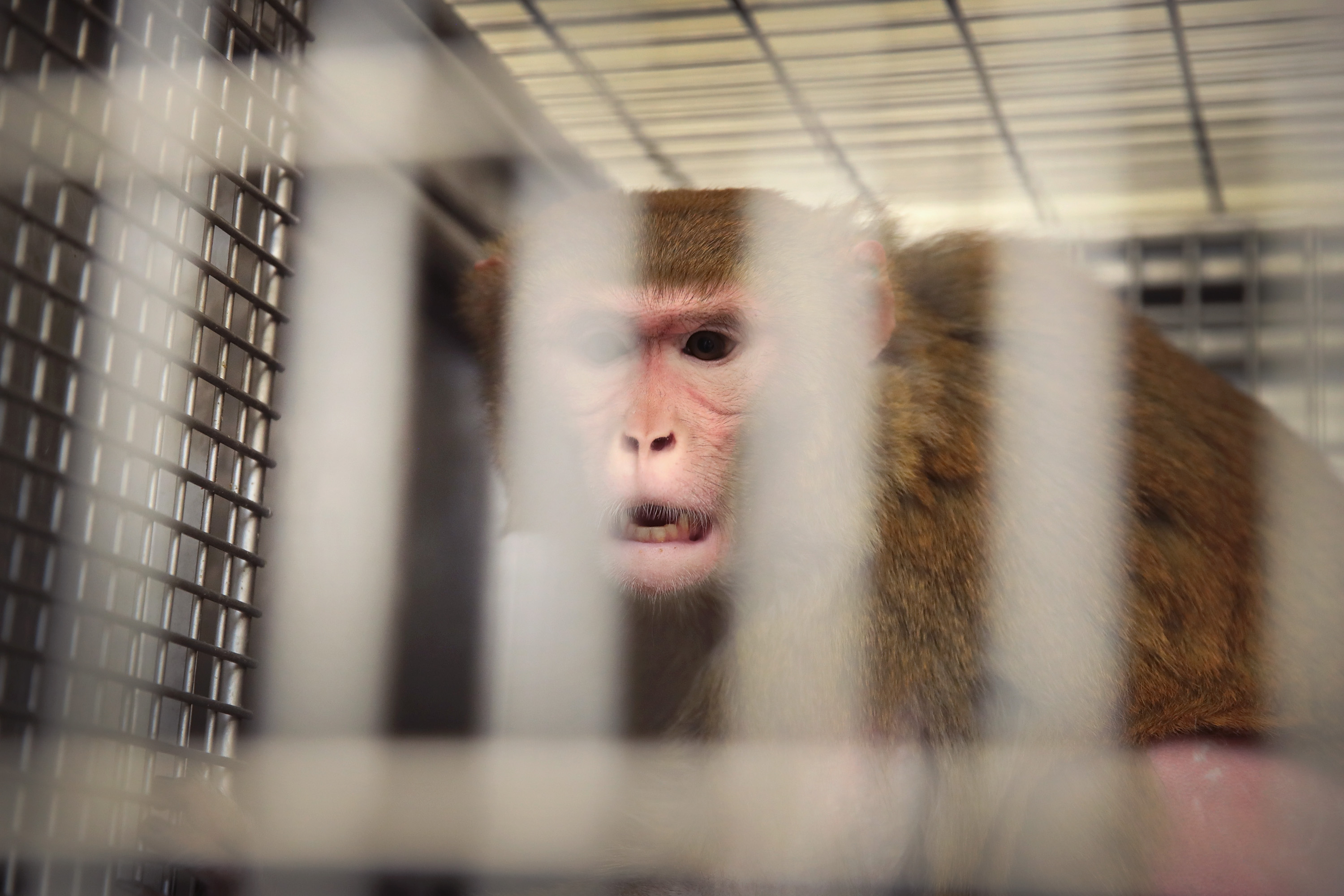
This pattern of leniency was also evident three years prior, when a USDA inspector visited Alpha Genesis, a company that breeds and experiments on primates. The inspector discovered that two of the company’s animals died after their fingers and toes became trapped in a structure inside their cage. Another primate died after being placed in the wrong cage and attacked by another animal.
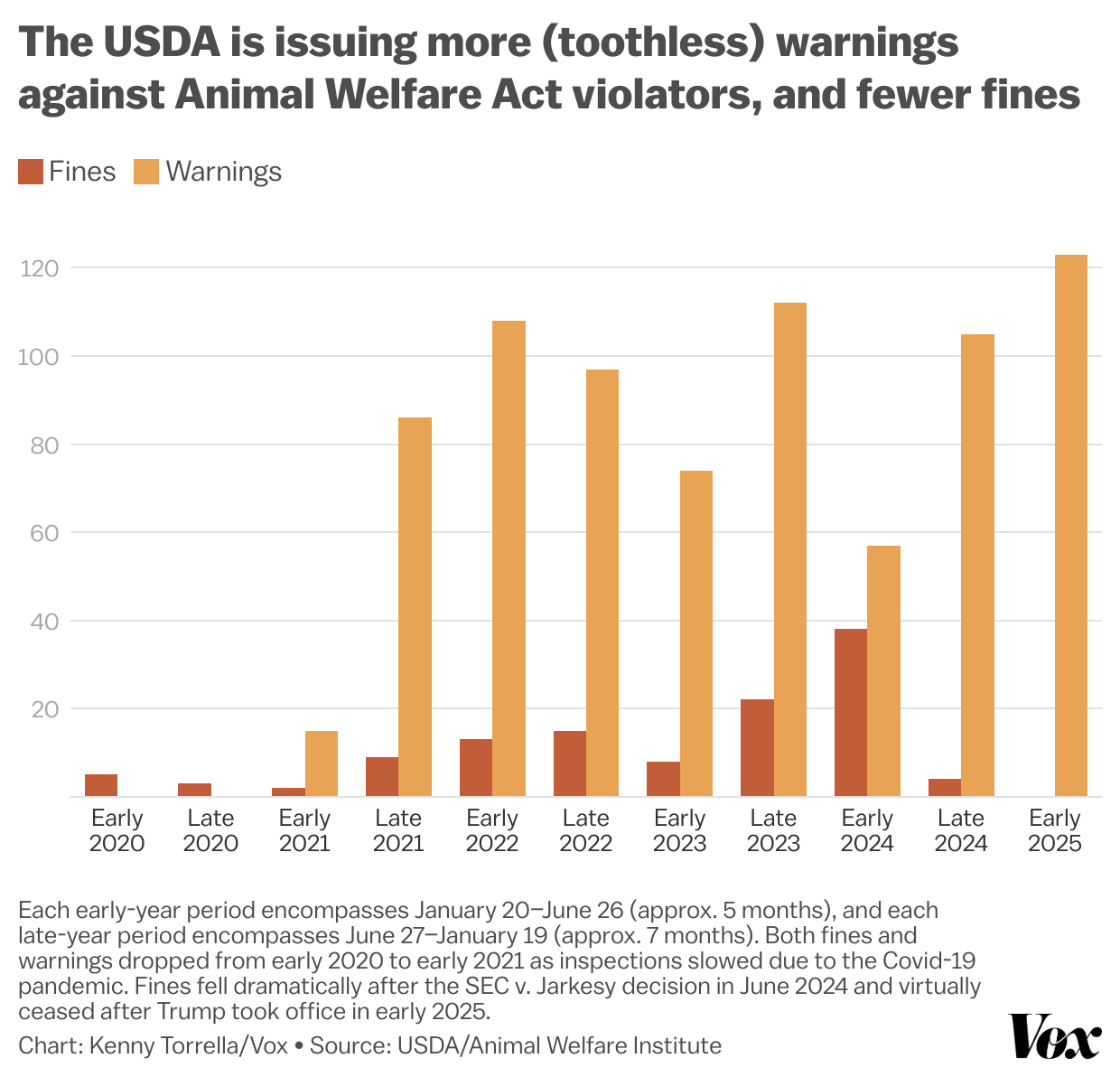
These incidents represent severe neglect and mismanagement, and they allegedly violate the Animal Welfare Act. According to a new analysis by the nonprofit Animal Welfare Institute (AWI), these cases are part of a larger trend over the past five years where the USDA has increasingly issued warnings instead of actual enforcement actions like fines.
“USDA is continuously looking for opportunities to improve regulatory compliance and believes that regulatory correspondence, such as an Official Warning, can be a useful tool to encourage compliance and deter future noncompliance,” a USDA spokesperson wrote in an email to Vox.
The Animal Welfare Act, passed in 1966, sets minimum standards for food, water, housing, and veterinary care for over a million animals used by around 17,500 businesses. These businesses are subject to annual USDA inspections to ensure compliance with the law.
However, the act contains significant loopholes. It excludes the animals most commonly abused: those farmed for meat, milk, and eggs, which number over 10 billion annually. While the legislation covers animals used in laboratory experiments, it excludes mice, rats, fish, and birds — the species that make up the majority of animals used in research.
In other words, the bill covers less than 0.01 percent of animals exploited by U.S. businesses.
Animals who are covered under the law can still be treated poorly, such as in puppy mills, where dogs are treated more like breeding machines than companions; in zoos, where the mental well-being of many wild animals is severely damaged by captivity; and in research laboratories, where animals are subjected to painful experiments.
It stands to reason that if a business is found in violation — especially repeatedly — it would face significant consequences, such as hefty fines or license suspension. But according to AWI’s analysis, the USDA’s enforcement has weakened in recent years.
Weak enforcement of a weak law
Part of the problem is that the USDA is severely understaffed. Over the last few years, the agency has lost one-third of its inspectors, while the number of businesses it needs to inspect has doubled.
But the root issue lies in the USDA’s tendency to let violators off easily. The department has long faced criticism from both animal advocates and the U.S. Office of Inspector General (OIG) for weak enforcement of the Animal Welfare Act.
Since the early 1990s, the OIG has documented the USDA consistently failing to hold repeat violators accountable, along with significantly reducing fines. In the early 2000s, fines were reduced by an average of 86 percent. As a result, the fines are so small — thousands of dollars instead of tens of thousands, or tens of thousands instead of hundreds of thousands — that many violators see them as "a normal cost of business, rather than a deterrent for violating the law," according to an OIG report.
According to AWI’s analysis, the Supreme Court and the Trump administration bear some responsibility for the weakening of enforcement in recent years.
In June 2024, the Supreme Court ruled in Securities and Exchange Commission v. Jarkesy that the SEC violated the Seventh Amendment — the right to a jury trial — when an SEC judge fined a hedge fund manager for allegedly defrauding investors. The decision essentially stripped the agency of its power to impose certain fines.
It also seems to have had a chilling effect on other agencies, including the USDA.
In the 14 months following the Jarkesy decision, the USDA issued just five fines compared to 63 in the 14 months before it. Of these five, only one was issued during President Donald Trump’s second term, suggesting the new administration is going easier on businesses that allegedly violate the Animal Welfare Act, a trend also observed in Trump’s first term.
“Jarkesy has hamstrung us the most,” an anonymous USDA manager told Science magazine in August. “We have an inability to do anything, even when we see bad stuff.”
“The decision in Jarkesy v. SEC impacts all agencies that seek civil penalties before administrative law judges (ALJs),” a USDA spokesperson wrote. “USDA continues to assess its authorities in light of the decision.”
Mary Hollingsworth, director of Harvard Law School’s Animal Law and Policy Clinic and a former Justice Department trial attorney, said what’s most needed to deter violations is stronger fines. For that to happen, the Animal Welfare Act needs to be amended to allow the Justice Department to take violators to federal court, where judges are “much more likely to impose a reasonable fine” than USDA judges, Hollingsworth said.
In the last Congress, a bill to do just that — among other reforms to the Animal Welfare Act — garnered 220 cosponsors but didn’t get put up for a vote. The current Congress is considering a reintroduced version of the bill. Stronger fines are especially critical for holding research facilities accountable, since it’s generally the only enforcement action the USDA can bring against them.
On the bright side, however, the Trump administration is at least — even if for the wrong reasons — trying to address the core issue: reducing the number of animals used in experiments and moving toward non-animal methods.

Post a Comment for "Animal abusers face minimal consequences today"
Post a Comment