
Black enrollment drops at top schools after affirmative action ban, AP study shows
The Impact of Banning Affirmative Action on Black Enrollment
After years of steady growth, the number of Black students enrolling at many elite colleges has seen a significant decline in the two years since the Supreme Court banned affirmative action in admissions. According to an Associated Press analysis, some campuses now have Black populations as low as 2% of their freshman class.
New enrollment data from 20 selective colleges shows a clear trend of reduced Black representation. On nearly all of these campuses, Black students make up a smaller percentage of new students this fall compared to 2023. At Princeton and several other institutions, the number of new Black students has dropped by almost half in that time period.
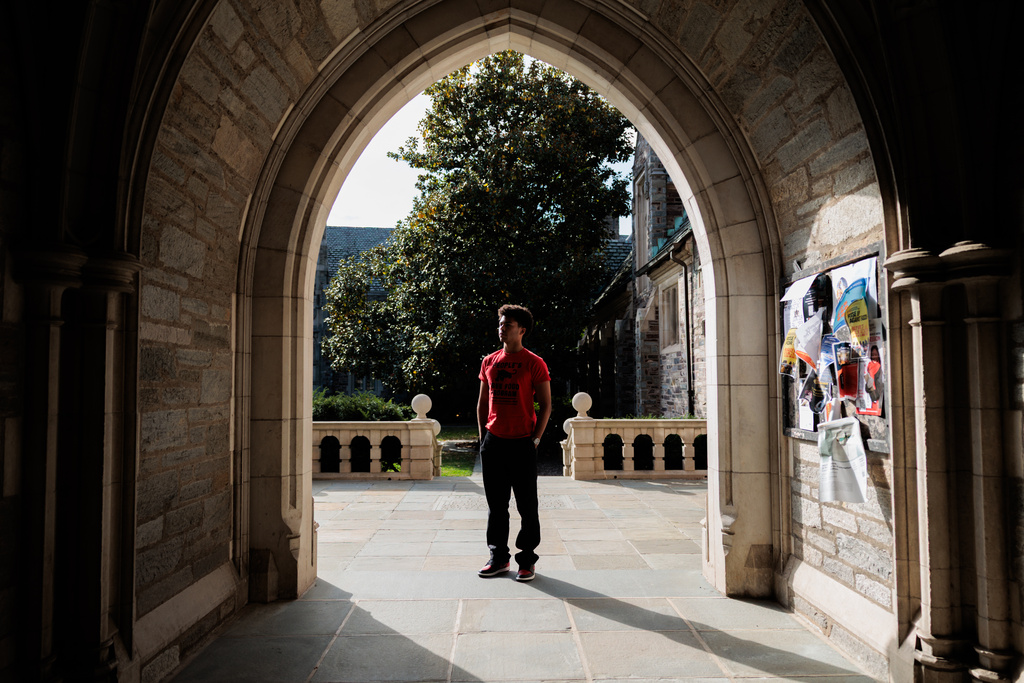
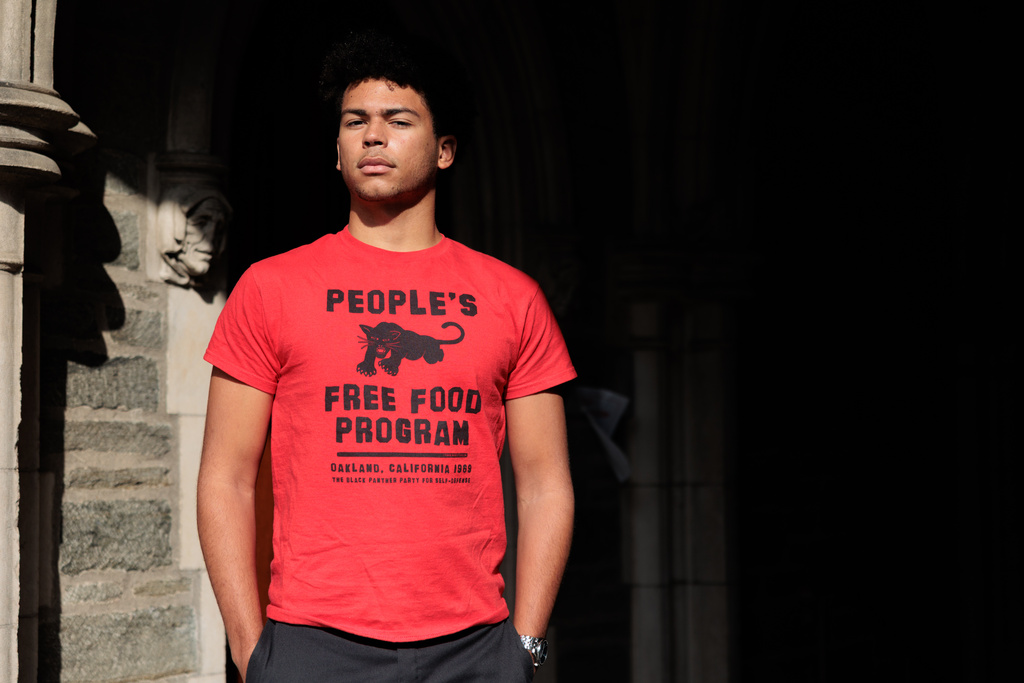
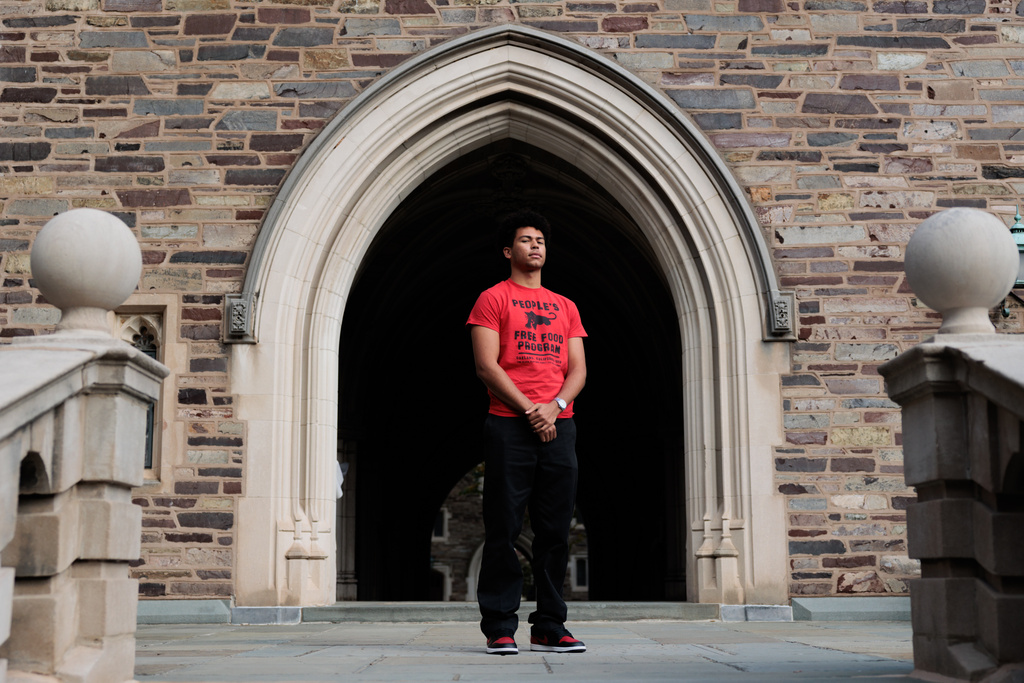
Christopher Quire, a Princeton sophomore, expressed his shock at a recent welcome event for Black freshmen that only filled half the room. Last year, the event required extra chairs due to high attendance. Quire, a member of the campus’ Black Student Union, warned that if the trend continues, the campus could look similar to it did during the Civil Rights era.
Rising Concerns and Federal Scrutiny
Some colleges downplayed the short-term trends but raised questions about who should be admitted to elite campuses that offer access to the upper echelons of American life. This concern comes as the Trump administration intensifies its efforts to monitor colleges it believes are still considering race in admissions decisions despite the 2023 Supreme Court ruling.
Colleges under scrutiny have been slow to release data. The AP analysis provides insights into 20 campuses that have released enrollment figures this fall. However, the national picture remains unclear as more colleges delay releasing their data amid federal oversight. The AP requested information from dozens of top selective colleges, but many that had shared figures last year declined to do so this time.
Disparities Across Racial Groups
While Black enrollment has seen a notable decline, many campuses have also experienced decreases in Hispanic enrollment, although these changes have been more scattered and less severe. The trends among white and Asian American students have been mixed.
Among the 20 campuses studied, only one—Smith College—had a higher percentage of Black students in this year's freshman class than in 2023. Tulane University saw no change, while the others experienced significant drops, reducing Black enrollments that were often around 7% or 8%. In contrast, Black students make up about 14% of America’s high school graduates.
At the California Institute of Technology and Bates College, Black students accounted for only about 2% of the freshman class this year. Harvard University reported a second consecutive year of declining Black enrollment, with the percentage dropping from 18% in 2023 to 11.5% this fall. Latino enrollment is also down at the Ivy League institution, while Asian American numbers increased slightly.
Student Observations and Institutional Responses
Students have noticed dramatic changes. Princeton University appeared to maintain its racial diversity last year, but this fall, the number of Black students fell to 5% of the new class, down from 9% the previous year. This is the lowest percentage of Black students in the freshman class since 1968, according to The Daily Princetonian.
Princeton spokesperson Jennifer Morrill attributed the drop to natural fluctuations in the application pool, emphasizing that the university has followed the court’s requirements. However, students like Quire feel the change cannot be ignored, as it threatens decades of progress at a campus that has served as a stepping stone for social mobility.
Political Pressure and Diverse Perspectives
Other factors might be contributing to these shifts, said James Murphy, director at the Education Reform Now think tank. The Biden administration’s troubled rollout of a new federal financial aid form could have played a role, and some colleges may be retreating from diversity initiatives targeted by the Trump administration.
President Donald Trump has increased his scrutiny of college admissions, ordering schools to disclose extensive admissions data each year. This move aims to identify colleges accused of using “racial proxies” in admissions, such as diversity statements that invite students to discuss their backgrounds.
Conservative groups have also kept a close watch. Last year, Students for Fair Admissions threatened to sue Princeton, Yale, and Duke universities after their Asian American enrollments fell following the ruling. The group argued that the decline was “not possible under true race neutrality,” suggesting that Black, Latino, and white students were being admitted over more qualified Asian American students.
Pathways to Promote Diversity
Despite the challenges, some experts believe there are ways to build campus diversity. Richard Kahlenberg, a researcher at the Progressive Policy Institute, noted that the declines don’t appear as steep as some college leaders anticipated. He suggests that colleges can still promote racial diversity by giving greater preference to students from lower-income families and eliminating legacy preferences that tend to benefit wealthy, white students.
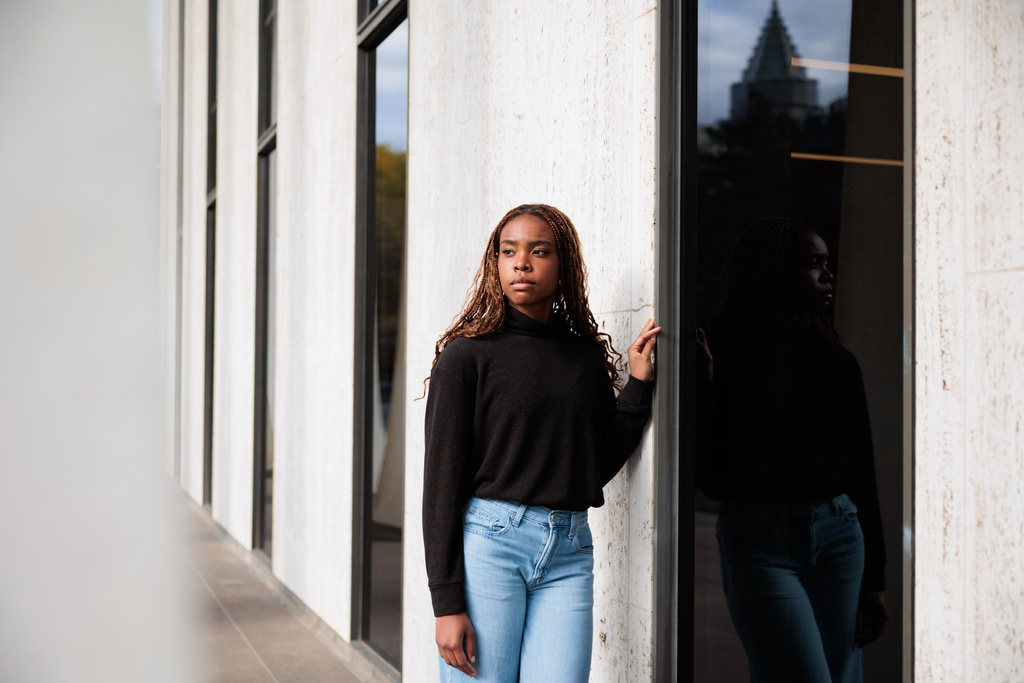
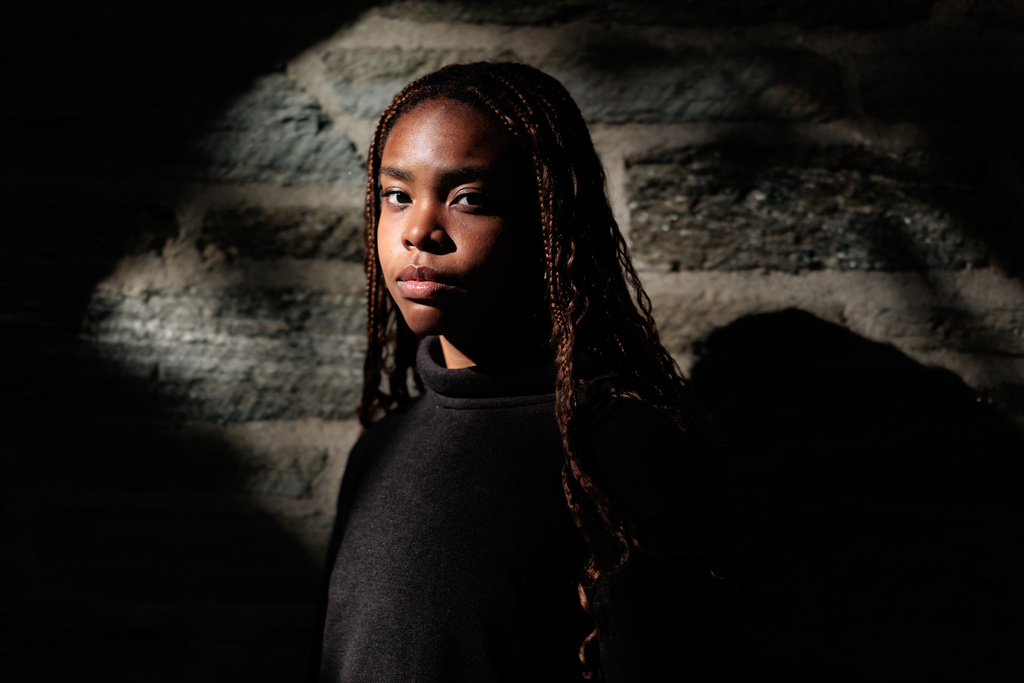
Kennedy Beal, a Princeton junior, recently walked across campus with her older brother when he asked, “Where are all the Black men?” They had searched for over two hours without seeing any. Beal said the absence of Black students sends a message that they don’t belong, and it feels like her sense of community is being eroded.
“It feels like we’re being set back in time a little bit, and it’s heartbreaking to see. But at the same time, I still have faith that we will persevere,” Beal said. “We will continue to demonstrate our excellence in these institutions.”

Post a Comment for "Black enrollment drops at top schools after affirmative action ban, AP study shows"
Post a Comment