
City Officials Approve Drones for Berkeley Police
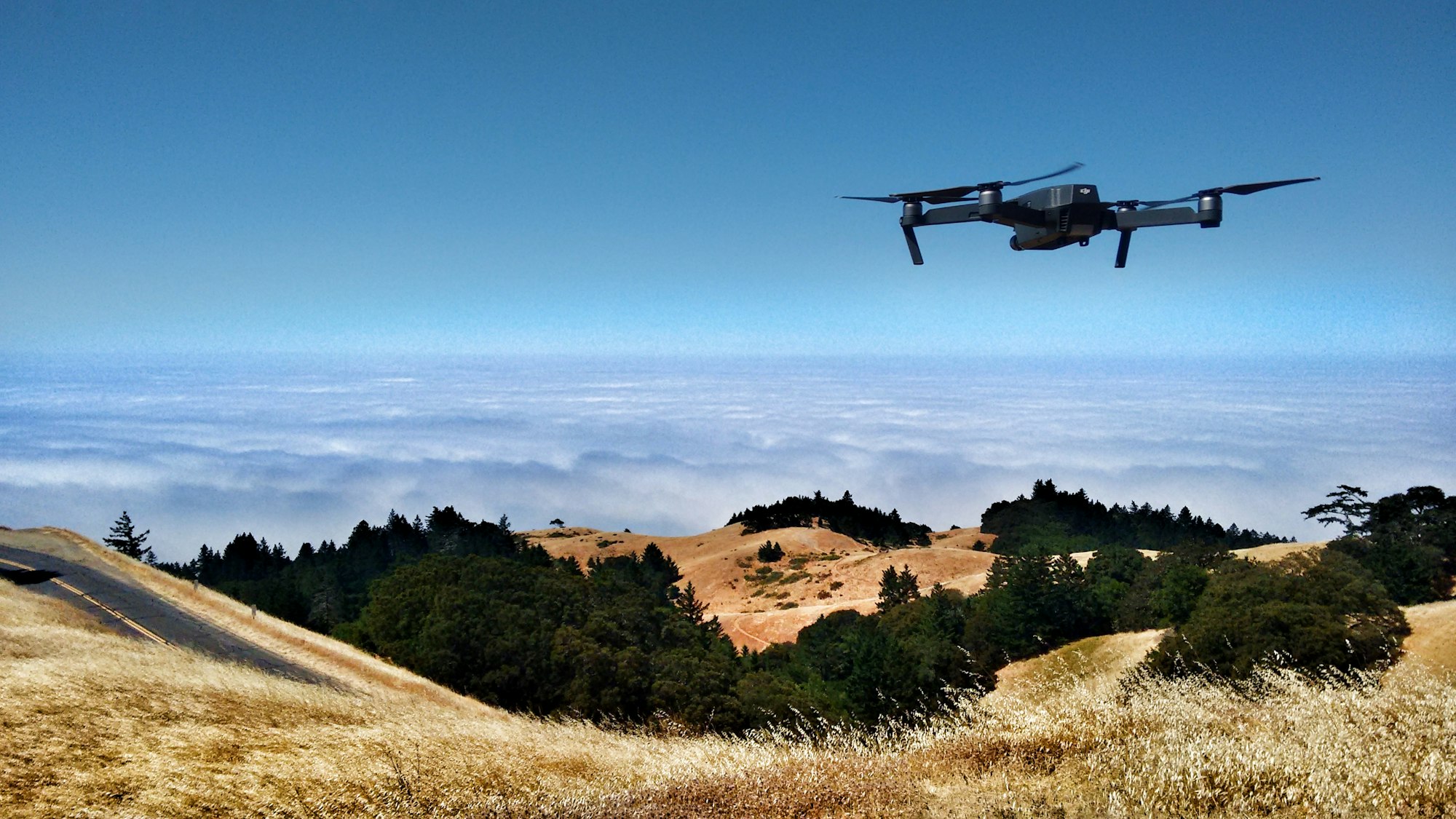
Berkeley Considers Adopting Drone Technology for Police Operations
After years of resistance, the city of Berkeley is now considering joining neighboring law enforcement agencies in allowing its police department to use drones. This shift marks a significant change from previous decisions that strongly opposed an in-house drone program, with only a narrow exception for "mutual aid" requests from other agencies under specific circumstances.
The potential change comes from a recent proposal by West Berkeley Councilman Terry Taplin, who argues that drones could greatly enhance public safety and emergency response capabilities. He highlights how several jurisdictions, including San Francisco, Richmond, Alameda County, and Santa Monica, have already implemented drone programs to reduce response times, improve situational awareness, and increase officer and community safety.
Taplin also points to the challenges faced by the Berkeley Police Department (BPD), such as short staffing and constrained resources, as key factors in the decision-making process. He emphasizes that relying on outside agencies can limit availability and create unpredictable costs, suggesting that acquiring its own drone systems would allow Berkeley to fully benefit from the technology.
Drone Use in 2024: A Limited but Effective Deployment
According to Berkeley's most recent Surveillance Technology Report, BPD used drones five times in 2024. These instances included high-risk warrant operations, such as homicide and shooting investigations, tracking a suspect who had pistol-whipped a two-year-old boy, and pursuing an armed catalytic converter suspect. In all cases, no complaints were received about the drone deployments.
BPD officials explain that drones, also known as Unmanned Aerial Systems (UAS), are used to search properties before officers enter. This allows officers to see video footage from the UAS and confirm that a suspect is not waiting inside with a weapon. By sending the drone in first, the risk of a dangerous confrontation that could result in death or serious injury is significantly reduced.
Evaluating the Feasibility of a Drone Program
The Taplin proposal is the first step in what could be a long process. It asks the city manager to evaluate the feasibility of a drone program, considering technical, legal, and financial aspects, as well as potential benefits and risks. Multiple city departments, including those involved in disaster response, infrastructure inspection, and environmental monitoring, could benefit from such a program.
The proposal also calls for an assessment of the potential cost of running a drone program. At a recent agenda committee meeting, council members Rashi Kesarwani and Mark Humbert were added as co-sponsors. The item will now go to the Public Safety Policy Committee for further review before being presented to the full Berkeley City Council for a vote, which could happen before the end of the year.
Perspectives from Local Leaders
Chesa Boudin, a former San Francisco district attorney and current leader of UC Berkeley’s Criminal Law & Justice Center, has emphasized that drone technology is here to stay. He highlighted the need for Berkeley to take a proactive approach in understanding the pros and cons of drone usage.
At a recent meeting of the Police Accountability Board, Boudin was asked to comment on drones, describing them as an emerging technology that presents complex issues. He acknowledged the potential benefits, such as reducing the risk of high-speed chases, while also addressing concerns raised by groups like the Electronic Frontier Foundation regarding privacy and civil liberties.
Boudin stressed the importance of implementing necessary guardrails, transparency, and ongoing assessments to ensure that drone technology is deployed responsibly. He encouraged Berkeley to play a leadership role in shaping policies around drone usage, rather than being hesitant or overly cautious.
Looking Ahead
As Berkeley moves forward with evaluating the potential adoption of drone technology, the city faces a critical decision that balances public safety, resource efficiency, and civil liberties. With support from local leaders and a growing number of jurisdictions using drones effectively, the path forward may involve careful planning, community engagement, and continuous oversight to ensure that the technology serves the best interests of all residents.

Post a Comment for "City Officials Approve Drones for Berkeley Police"
Post a Comment