
Does Circumcision Cause Autism? The Science Revealed
The Latest Controversy: Robert F. Kennedy Jr. and the Autism Claims
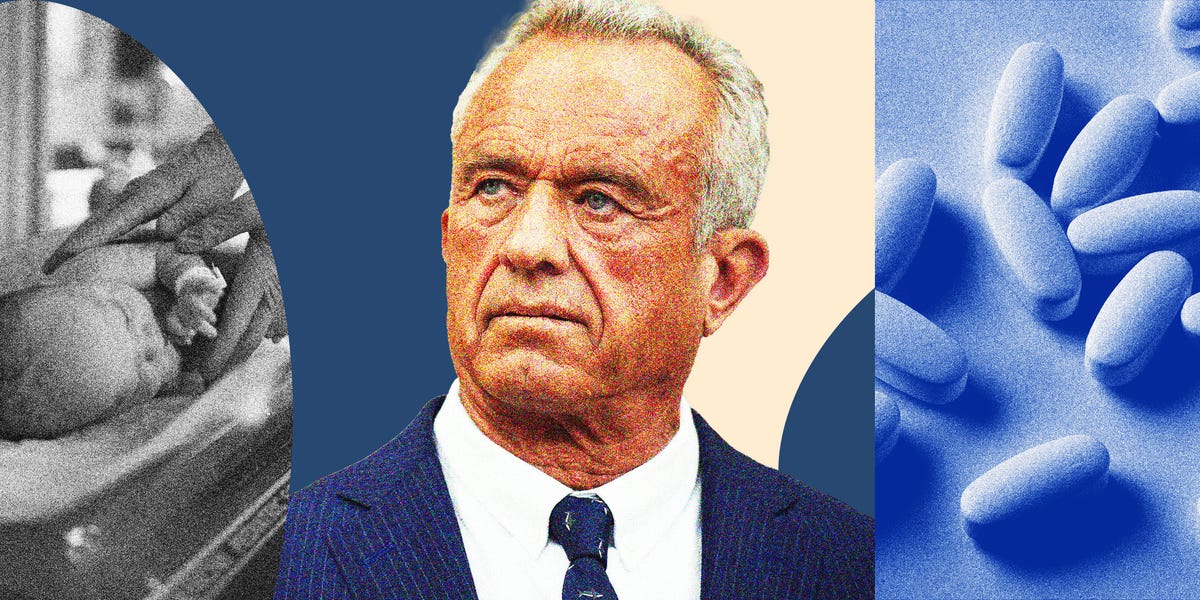
Health Secretary Robert F. Kennedy Jr. has once again made headlines with controversial claims linking autism to Tylenol and circumcision. These statements, made during a Cabinet meeting on October 9th, have sparked widespread concern among medical professionals and the public alike. Kennedy, who is neither a medical doctor nor an autism researcher, has previously blamed vaccines for autism, but now he's shifting his focus to other factors.
A New Theory: Circumcision and Tylenol as Causes of Autism
Kennedy claimed that boys who undergo circumcision are "twice as likely" to be diagnosed with autism compared to those who are not circumcised. He further suggested that this increased risk may be due to the use of Tylenol after the procedure. These statements come shortly after both Kennedy and former President Donald Trump warned pregnant individuals to avoid Tylenol, citing concerns about its effects on fetal development.
Medical Experts Dismiss the Claims
Dr. Gabrielle Dauer, a double board-certified pediatrician and child development specialist, emphasized that there is "zero evidence" to support these claims. She pointed out that no studies have shown a causative relationship between circumcision or Tylenol and autism. "There is no study showing that circumcision or Tylenol has a causative relationship to autism," she said.
A Pattern of Misinformation
For those familiar with Kennedy's history, these claims are not surprising. He has a long track record of presenting studies in a way that makes his theories seem more credible. At a recent hearing, he claimed, "There are many, many confirmation studies," suggesting that two studies show a link between early circumcision and higher rates of autism. However, experts point out that these studies do not support his assertions.
Why the Old Research Doesn't Hold Up
The first study Kennedy referenced was a 2013 paper published in Environmental Health, which noted a correlation between rising acetaminophen (Tylenol) use and increasing autism diagnoses between 1984 and 2005. However, the authors themselves cautioned that their findings were correlational, not causal, and called for further research. Dr. Sarah Oreck compared this to drawing a conclusion that ice cream causes drowning because both are linked to hot weather.
The second study, published in the Journal of the Royal Society of Medicine, examined a Danish cohort of over 342,000 boys and found a slight overrepresentation of autism cases among circumcised boys. However, this study did not account for key factors such as healthcare access or cultural differences. Dr. George F. Ellis, a urologist, explained that families who choose circumcision may have more interaction with the healthcare system, leading to earlier diagnosis of developmental issues like autism.
No Evidence Linking Tylenol to Autism
Current research shows that autism is the result of a complex interplay of genetic and environmental factors. A 2024 study published in JAMA found no connection between parental Tylenol use during pregnancy and autism. Researchers analyzed health and birth records of over 2.5 million children and found no causal association between prenatal acetaminophen intake and autism. Even when comparing siblings—one exposed to Tylenol and one not—no link was found.
Circumcision Is Not Linked to Autism
Dr. Justin Houman, a urologist, stated that when performed by a trained professional, circumcision is considered very safe. While it can cause temporary discomfort, it cannot lead to autism. "There is no credible scientific evidence that circumcision causes autism," he said. He also highlighted that circumcision is often performed for cultural, religious, or personal reasons, and attacking it without evidence can lead to harmful stereotypes.
The Harm of False Claims
Misinformation about autism can have serious consequences. For example, pregnant individuals who avoid Tylenol due to fear may forgo treatment for fever, which can pose real risks to fetal development. Dr. Dauer emphasized that such claims increase stigma against people with autism and ignore the fact that many autistic individuals are successful and contribute greatly to society.
The Bottom Line
Kennedy’s claims about circumcision and Tylenol causing autism are not supported by science. Both Tylenol and circumcision are safe when used appropriately, and there is no evidence linking them to autism. As Dr. Houman said, "Parents should feel empowered to make their decision based on facts, not fears." The science is clear: Neither Tylenol nor circumcision causes autism.

Post a Comment for "Does Circumcision Cause Autism? The Science Revealed"
Post a Comment