
Ford to Expand F-Series Production in Michigan and Kentucky, Creating 1,000 Jobs
Ford Expands F-Series Production to Meet Demand and Offset Supply Chain Challenges
Ford Motor Co. has announced a significant increase in the production of its popular F-150 and F-Series Super Duty pickups. This move aims to meet rising demand while compensating for production losses caused by a fire that damaged part of aluminum supplier Novelis’ plant in New York.
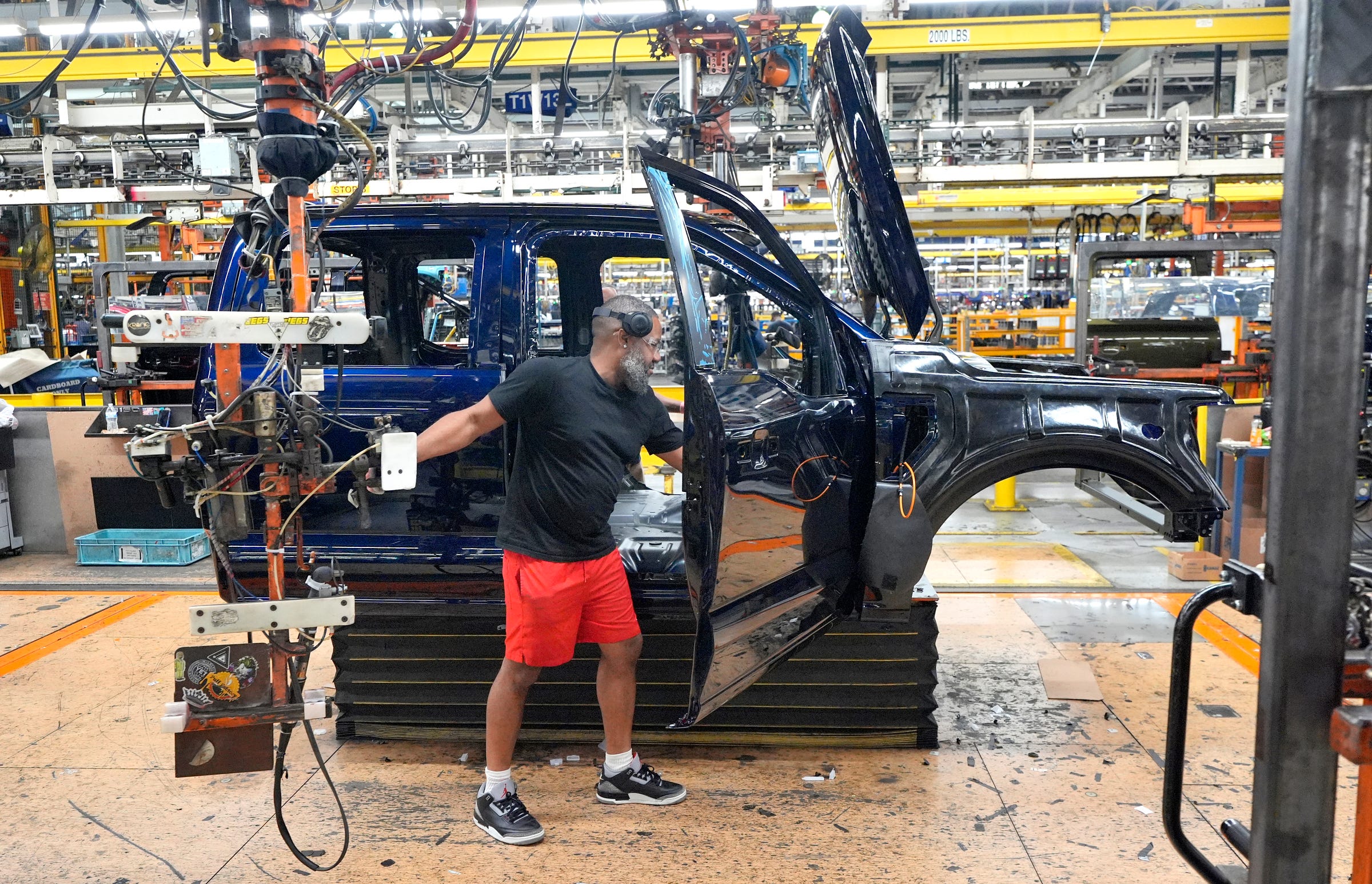
The company plans to boost F-Series production volume by more than 50,000 trucks next year, starting from the first quarter of 2026. This expansion is expected to create up to 1,000 new jobs, with 900 of them based in Michigan and 100 in Kentucky. Additionally, around 500 employees will be transferred from Ford’s Rouge Electric Vehicle Center to the Dearborn Truck plant to support the increased output.
Strategic Workforce Adjustments
Ford’s Chief Operating Officer, Kumar Galhotra, emphasized the importance of meeting customer demand, stating, “The people who keep our country running depend on America’s most popular vehicle — F-Series trucks — and we are mobilizing our team to meet that demand.” He also highlighted the collaboration between Ford, the United Auto Workers (UAW), and suppliers to quickly increase output at F-Series plants in Michigan and Kentucky.
Laura Dickerson, UAW Vice President of the Ford Department, praised Ford for investing in its workers, saying, “It’s great to see Ford doing what we’ve been pushing for years — investing in the hardworking UAW autoworkers who make this company run. Let's keep going.”
Michigan Governor Gretchen Whitmer expressed her excitement about Ford’s investment, noting, “Today's announcement is a clear sign that our jobs tools are working. I can't wait to see even more of these iconic, made-in-Michigan cars on the road.”
Production Expansion and Employee Transfers
Ford will add 45,000 units of its gasoline- and hybrid-powered F-150 next year, supported by a new third crew of 1,200 employees. The company will also add 90 employees at the Dearborn Stamping Plant and 80 at the Dearborn Diversified Manufacturing Plant to support the increase.
Galhotra mentioned that the third crew will likely be in place at the Dearborn Truck plant for most of next year. When asked about the future of the all-electric F-150 Lightning, he said Ford is focused on maintaining F-150 production and will resume Lightning production when ready.
Recovery Efforts at Novelis Plant
Ford expects the Novelis aluminum plant to become fully operational again in late November or early December, allowing it to resume paused production of its SUVs at the Kentucky Truck Plant. Until then, the company has enough inventory to meet customer demand.
Novelis spokeswoman Julie Groover confirmed that the hot mill in Oswego will restart by the end of December 2025, which is earlier than previously anticipated.
In its third-quarter earnings release, Ford estimated the impact of the Novelis fire on its adjusted earnings before interest and taxes to be $1.5 billion to $2 billion in 2025. However, the company expects to mitigate at least $1 billion of that impact in 2026.
Focus on Profitable Models
Ford has paused production of the F-150 Lightning to prioritize gas and hybrid F-Series trucks, which are more profitable and use less aluminum. All hourly employees at the Rouge Electric Vehicle Center will transfer to the Dearborn Truck Plant to join the new third crew. Additional employees will come from other southeast Michigan Ford facilities and new hires.
Impact on Kentucky Truck Plant
Ford temporarily halted some production at its Kentucky Truck Plant in Louisville on Oct. 14. The plant produces the Ford Expedition and Lincoln Navigator SUVs, and production of those vehicles is expected to be down “this week and possibly next week,” according to a union leader. However, Galhotra noted that there is ample inventory to meet demand.
Ford plans to increase the assembly line speed at the Kentucky Truck Plant by one job per hour, adding more than 5,000 trucks per year. The company will invest $60 million in training and other enablers to support the line speed increase.
Conclusion
Ford’s decision to ramp up F-Series production reflects its commitment to meeting customer demand and overcoming supply chain challenges. With strategic workforce adjustments, increased investments, and ongoing recovery efforts at the Novelis plant, Ford is positioning itself to maintain its leadership in the automotive industry.

Post a Comment for "Ford to Expand F-Series Production in Michigan and Kentucky, Creating 1,000 Jobs"
Post a Comment