
Former Deputy Convicted in Fatal Shooting of Sonya Massey
A Tragic Incident and the Path to Justice
In Peoria, Illinois, a former sheriff’s deputy was found guilty of second-degree murder on October 29 for the fatal shooting of Sonya Massey, an unarmed Black woman. Her death sparked widespread protests and a Department of Justice investigation last year. The verdict against Sean Grayson, 31, came after two days of deliberations. Initially charged with first-degree murder, the jury was given the option of second-degree murder before their discussions began.
Grayson now faces up to 20 years in prison. Judge Ryan Cadagin has scheduled a sentencing hearing for January 29, 2026. Attorneys for the Massey family expressed that while they hoped for a first-degree murder conviction, the verdict represented "a measure of justice for Sonya Massey." They emphasized the need for the court to impose a meaningful sentence that reflects the severity of the crime and the life lost. The attorneys, Ben Crump and Antonio Romanucci, also pledged to continue fighting for Sonya’s family and for reforms that protect everyone from unlawful use of force.
The Circumstances of the Shooting
Grayson, who is White, shot and killed 36-year-old Sonya Massey in her home after she called police to report a possible intruder in July 2024. At the time, Massey was in the throes of a mental health crisis, as confirmed by her family and officials. Prosecutors argued that Grayson escalated the situation, describing his use-of-force as excessive and unjustified. Grayson, who was fired after the incident, claimed he acted in self-defense, stating he believed Massey was going to throw a pot of boiling water at him.
Massey, a mother of two who had long struggled with mental illness, became a symbol of the intersection between race, police conduct, and mental health in America's heartland. Her death led to demonstrations and nationwide calls for police reform. It also prompted changes within the Sangamon County Sheriff’s Office, which underwent personnel and policy changes following the incident.
Legal Proceedings and Public Reaction
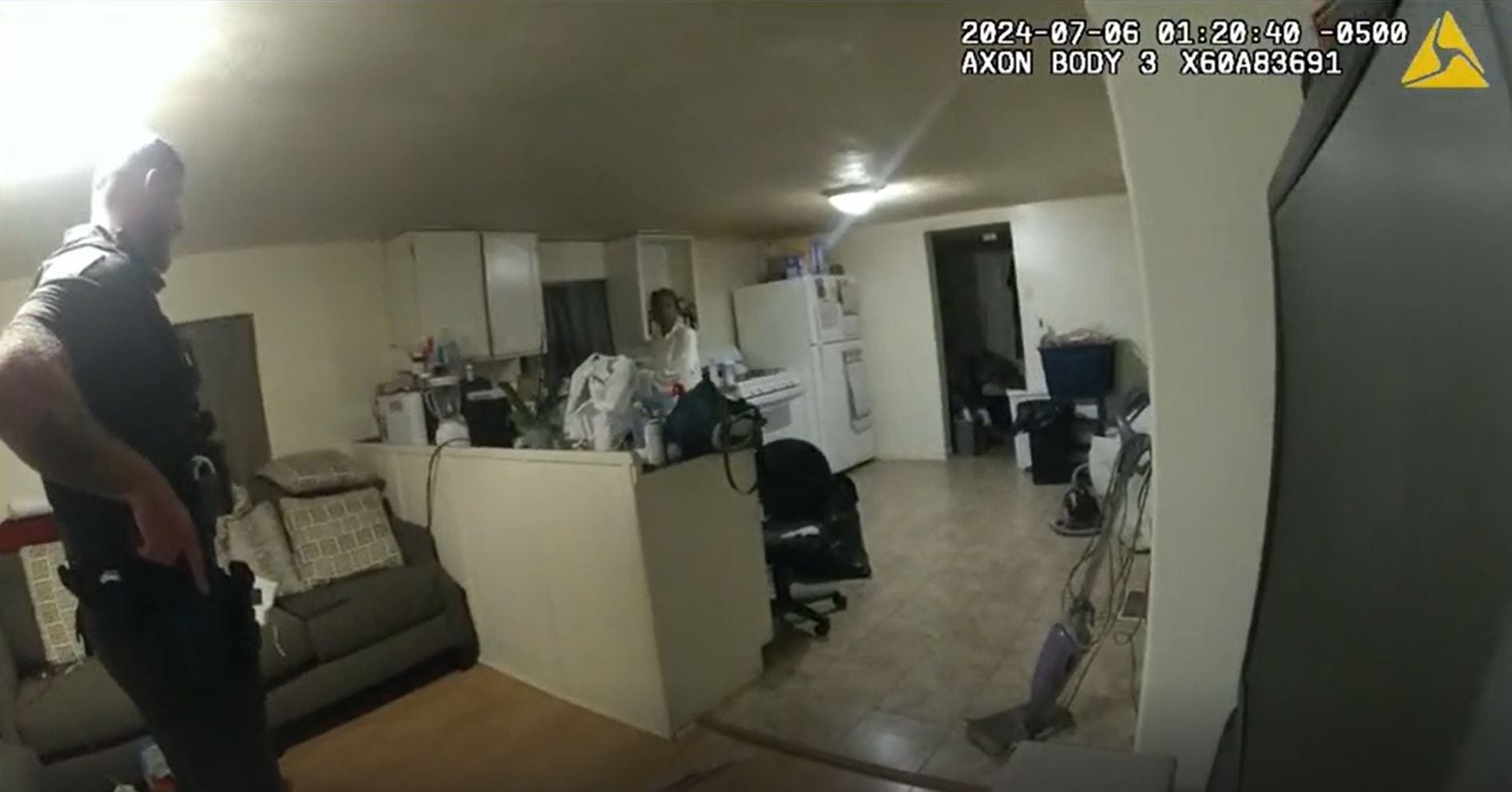
In February, Sangamon County agreed to a $10 million settlement with Massey’s family, marking the largest single payout in the county's history. The case unfolded when Grayson and another deputy arrived at Massey's home in Springfield, Illinois, after she reported a possible intruder. Body camera footage showed the deputies searching the area and finding nothing. Inside the home, Grayson instructed Massey to take a pot of hot water off the stove. As she held the pot, she said, "I rebuke you in the name of Jesus." Grayson responded by saying, "You better not," and warned that he would shoot her if she did.
He then pulled out his weapon and ordered her to drop the pot. Massey said, "OK, I'm sorry," before ducking behind the kitchen counter. Grayson approached and fired three times, striking Massey once in the face. She was pronounced dead at a nearby hospital.
Within weeks, Grayson was fired and arrested on murder charges. Sangamon Sheriff Jack Campbell retired under pressure from Illinois Gov. JB Pritzker. To resolve a federal probe by the Department of Justice, the sheriff's office and county agreed to update its procedures and training to better engage with individuals experiencing mental health crises.
Conflicting Arguments in Court
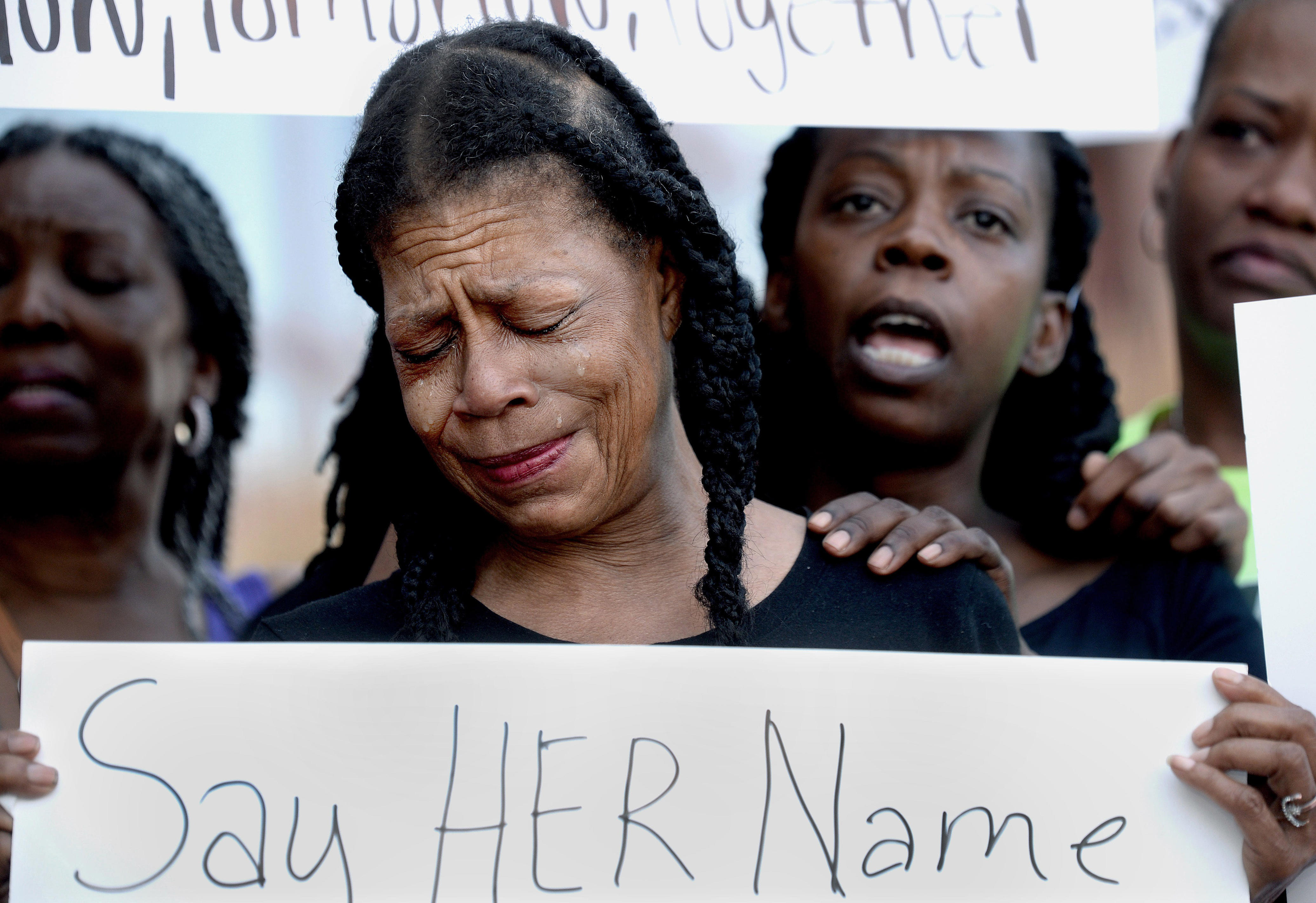
During the trial, prosecutors argued that Grayson's actions constituted murder. They called several law enforcement experts to the stand, who testified that Grayson's behavior escalated the situation. His partner, who responded to the call, also testified that he did not feel threatened by Massey. State’s Attorney Mary Beth Rodgers emphasized during closing arguments, “Those are the last words Sonya Massey said before the defendant murdered her, just like he said he was going to.”
On the other hand, Grayson's attorneys argued that their client was in fear for his life. They called use-of-force experts who testified that Grayson's actions were appropriate. One expert even described the shooting as “a successful de-escalation.” Grayson himself took the stand, explaining that he considered using a Taser but decided against it because he wasn't sure if it would work through her clothes. He stated, “A Taser doesn't work on everybody,” and added, “I believe she's going to throw the water. We were trained to use force that's going to gain compliance.”
Impact on Sonya Massey's Family
The trial weighed heavily on Sonya Massey’s family. In the weeks leading up to the shooting, Massey had been in a state of crisis, interacting with a mobile crisis team in Springfield three times in the two weeks prior to her death. According to details released by the sheriff's office, she struggled with mental illness and was diagnosed with lupus, an autoimmune disease that can cause headaches, confusion, and memory loss. Before her illness forced her to stop working, she had been employed as a home healthcare aide.
In the year since her death, Massey's relatives have described her as a loving mother and a caring individual. Her cousin, Crystal Chalmers, told USA TODAY, “She was just a happy person all the way around.” Another cousin, Sontae Massey, expressed the emotional toll of watching the trial. “It's tough, but we have to get to the finish line,” she said. “We want Sonya to be still here. I still think of Sonya every day and want to call her every day.”

Post a Comment for "Former Deputy Convicted in Fatal Shooting of Sonya Massey"
Post a Comment