
Hidden dangers in your home that threaten your pets
Common Household Hazards for Pets
Any pet owner will tell you that life with a furry friend is always fun and rarely predictable. While we can do our best to keep our pets safe, accidents happen and there are plenty of hidden hazards lurking in unexpected places.
Hidden Household Dangers That Could Cause Your Pets Harm
Here's our guide to some of the most common hazards your pet may encounter in your home and garden.
*Always contact your vet for advice if you're unsure whether something could be hazardous or if you’re concerned about your pet's health or safety.
Small Gaps Behind Fitted Furniture
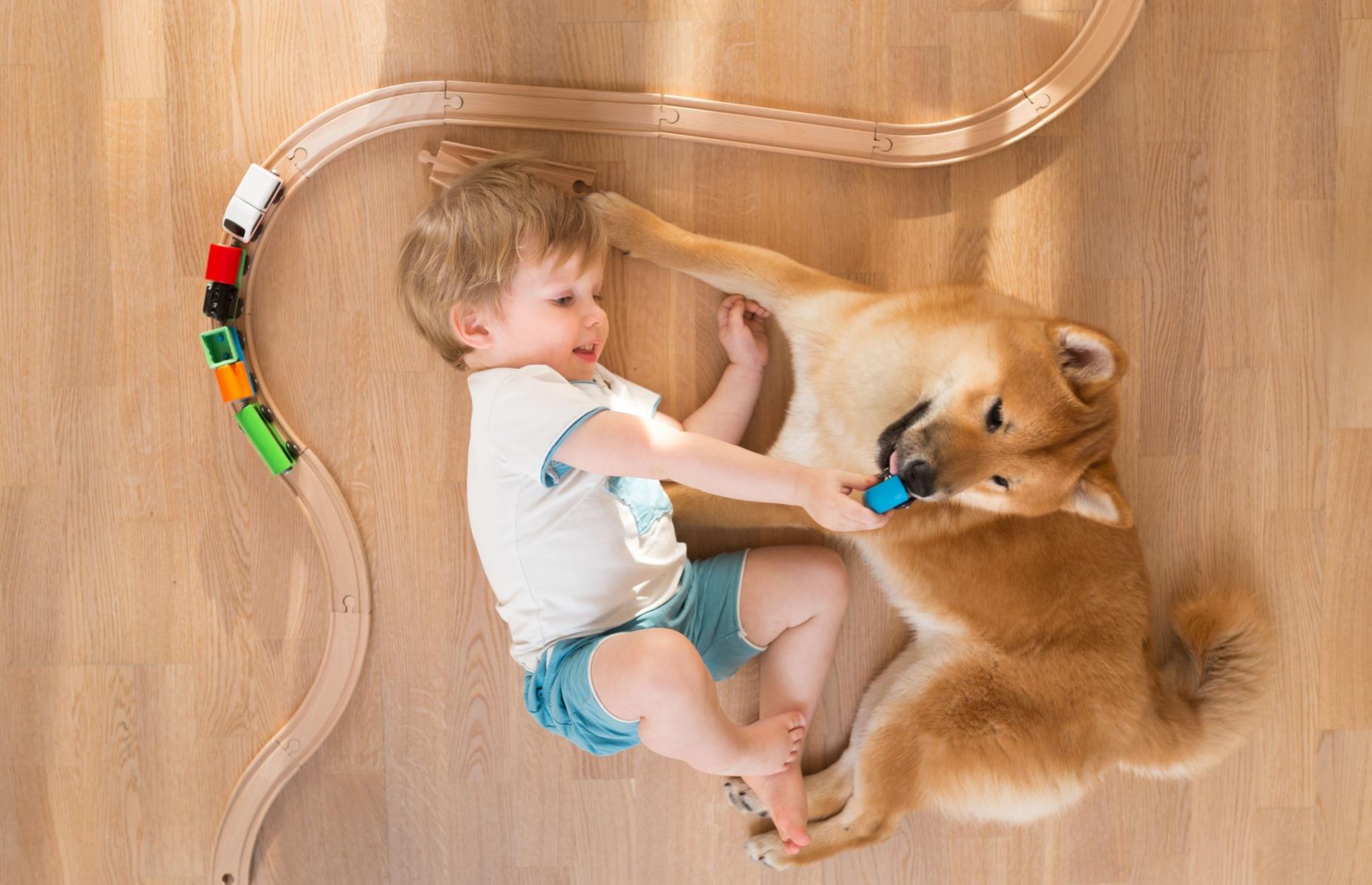
All animals are curious and love exploring, which is what makes them so endearing. However, if they find themselves entering a gap or hole they can't escape from, they could become trapped and even injured.
Dogs – especially puppies, cats and even smaller pets like hamsters and rabbits, can easily crawl into a small gap behind your kitchen cabinets or bedroom closet. So, be sure to block any entrance spots with sturdy wood panels or heavy objects they can't squeeze past.
Loose Electrical Cables

Puppies love nothing more than chewing everything in sight and other pets, such as rodents and rabbits, can also be found nibbling on household items.
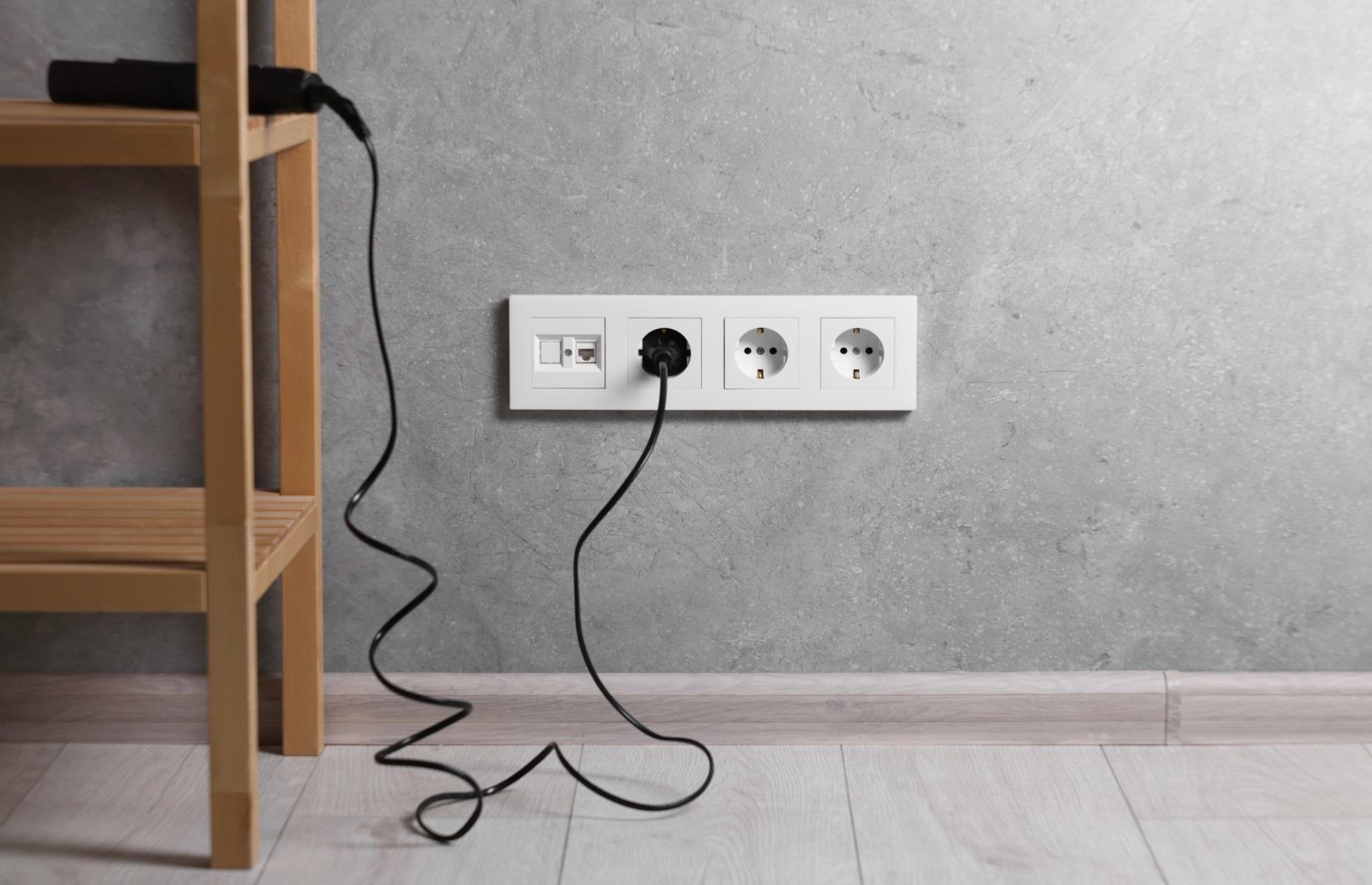
Loose electrical cables and wires can therefore pose a health risk to your pet. If they chew through a live wire, they could electrocute or burn themselves. Pets, especially young ones, should therefore be monitored carefully and loose electric cords should be minimized or tucked away out of sight, or out of reach.
Irons and Hair Straighteners

Electrical appliances that give off heat, such as irons and hair straighteners, can obviously cause injury if misused or mishandled. So, you'll want to ensure you cool these items down and leave them unplugged and out of reach, so your pet can’t pull them down or run into them.
Portable heaters should also never be used in the same room as your pet if you can’t monitor them the entire time. Your pet could easily knock the heater over, hurting themselves or even causing a fire.
Children’s Toys and Small Electricals
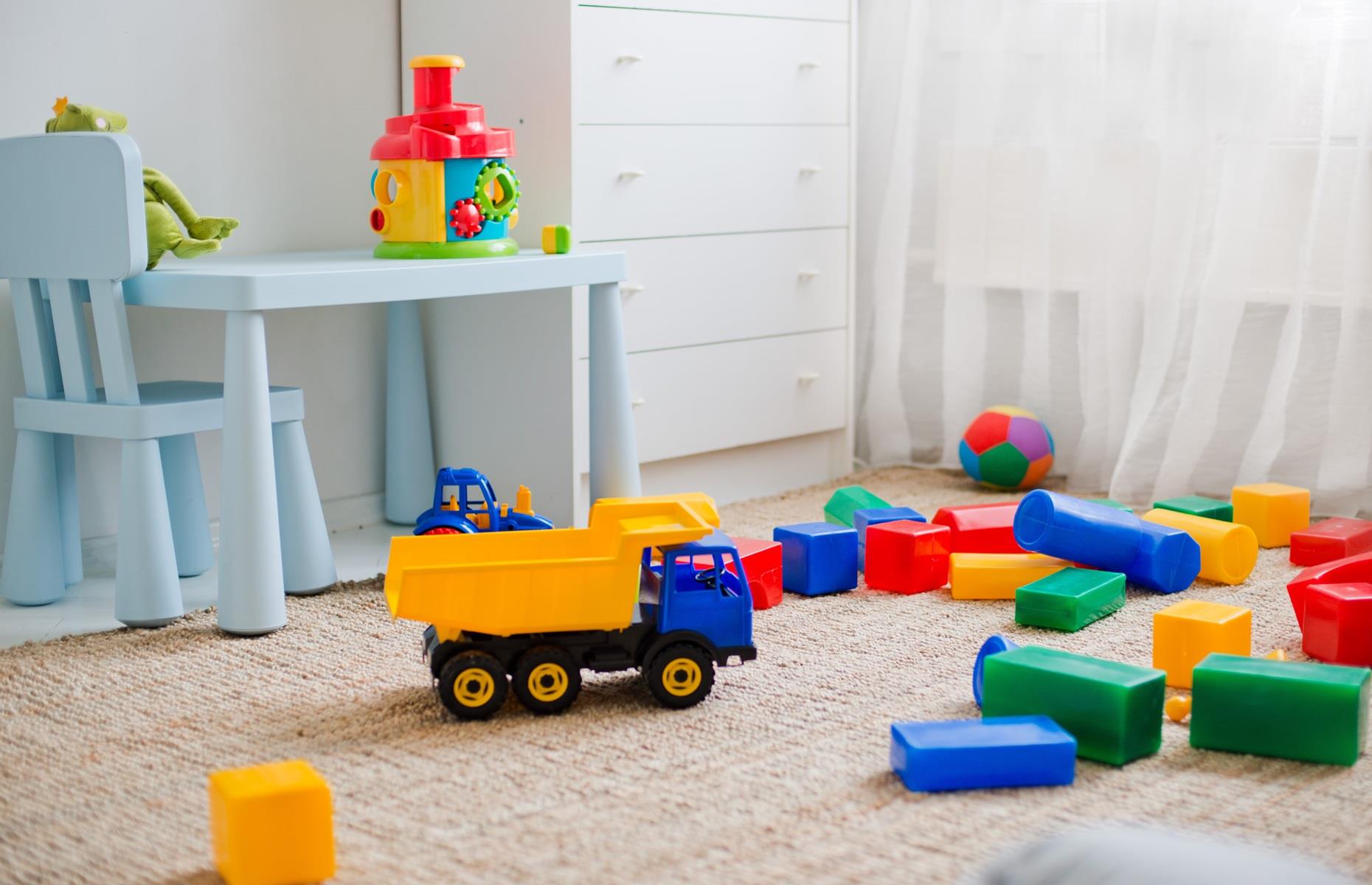
Children’s toys pose a great deal of risk for pets, especially those made from plastic. Plastic toys are often formed from PVC, which contains a family of chemicals called phthalates. Some toys also contain an industrial chemical known as BPA (bisphenol A). These chemicals are highly toxic and can get into your pet's bloodstream. It's also worth noting that BPA can be found in some canned dog foods, as well as plastic pet bowls.
Of course, toys and small electricals such as earbuds can pose a choking hazard if your pet decides to eat them. Batteries are also bad news for pets. They contain strong acids and, if ingested, can cause burns to their mouth, throat and stomach, as well as difficulties breathing and swallowing.
Coins
In addition to presenting a very real choking hazard for both dogs and cats, some coins are actually toxic, thanks to the presence of zinc. Zinc is a mineral compound that plays an important role in immune system functionality for both humans and animals.
However, in large doses, it can become toxic. Zinc poisoning can lead to gastrointestinal problems, including vomiting, diarrhea and loss of appetite. If left untreated it can also lead to a breakdown of red blood cells, which can be fatal.
While it can be hard to stop dogs from digging and eating things they find on their walks, you can do your bit to avoid zinc poisoning by keeping coins out of reach. Note that zinc can also be found in dietary supplements, small metal objects and even sunscreen.
Loose Personal Items

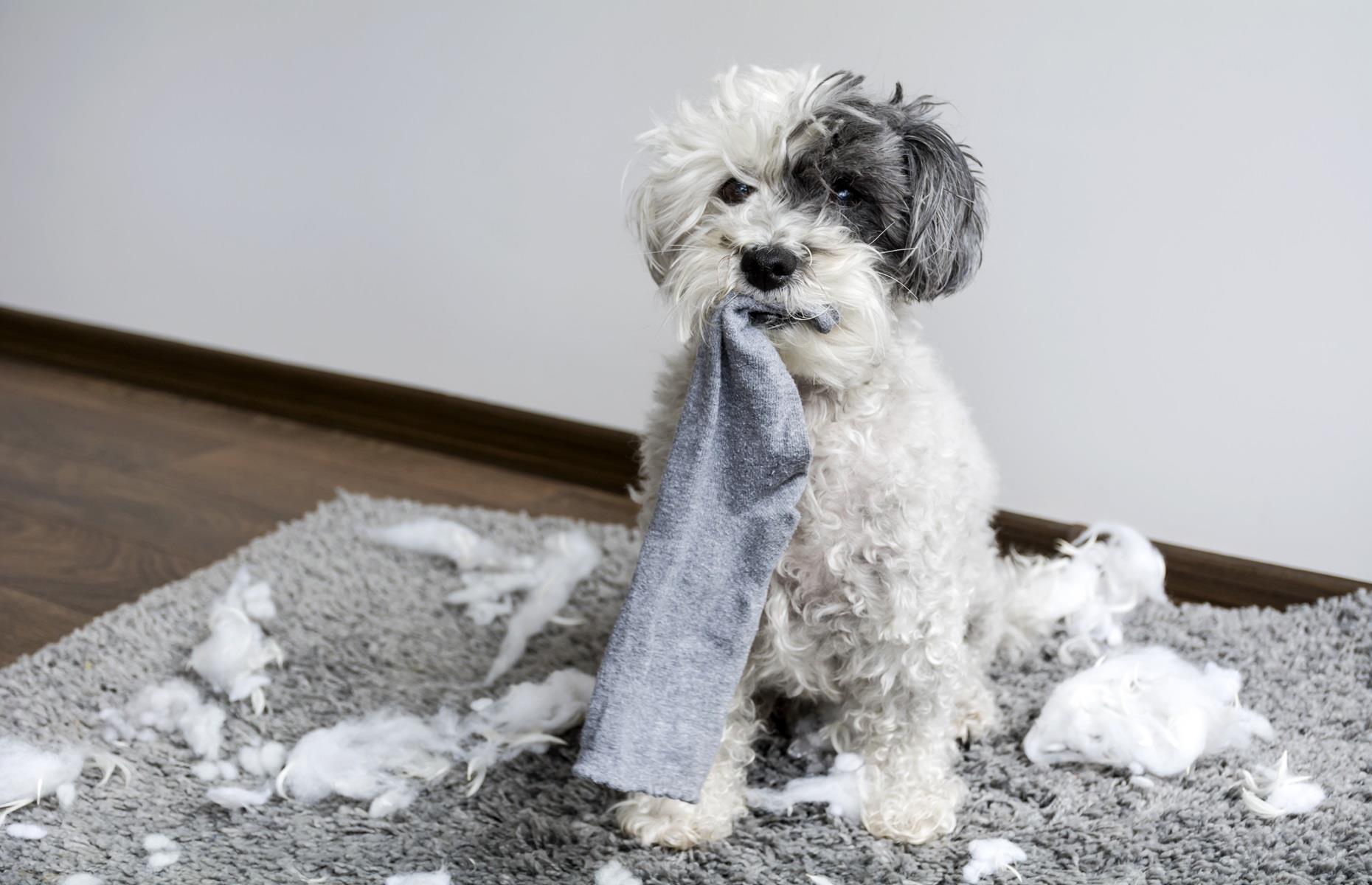
It isn't just toys that can harm dogs, either. Many loose, small personal items can cause problems with their digestive tract, block their airways or lead to life-threatening infections.
Items such as hair ties, brushes and clips and, every dog's favorite, socks, can all be bad news for pets, so be sure to keep items they can chew or swallow safely stored away in a drawer or cupboard.
Human and Pet Medication
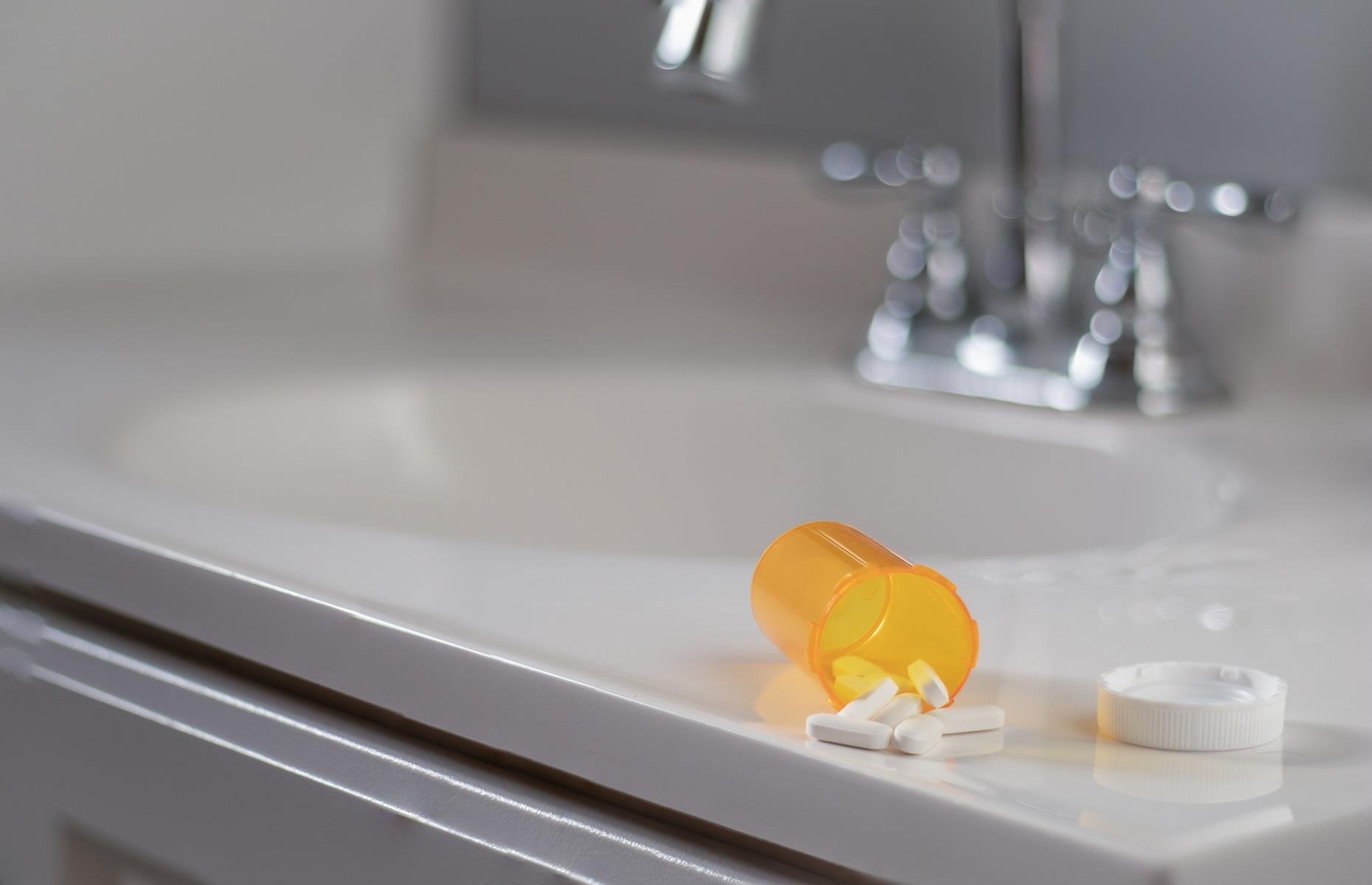
Medication is essential for many, but only when taken in the right doses for the right reasons. Human medicines, like ibuprofen and paracetamol, can be deadly for dogs and cats. Vitamin and mineral supplements are also potentially dangerous and should be stored out of reach in a locked or high-up cabinet.
You should also only ever give your pet medicines that have been prescribed by your vet. Always follow the instructions on the packaging carefully and if you're unsure of anything, contact your vet before taking action.
Left Out Food
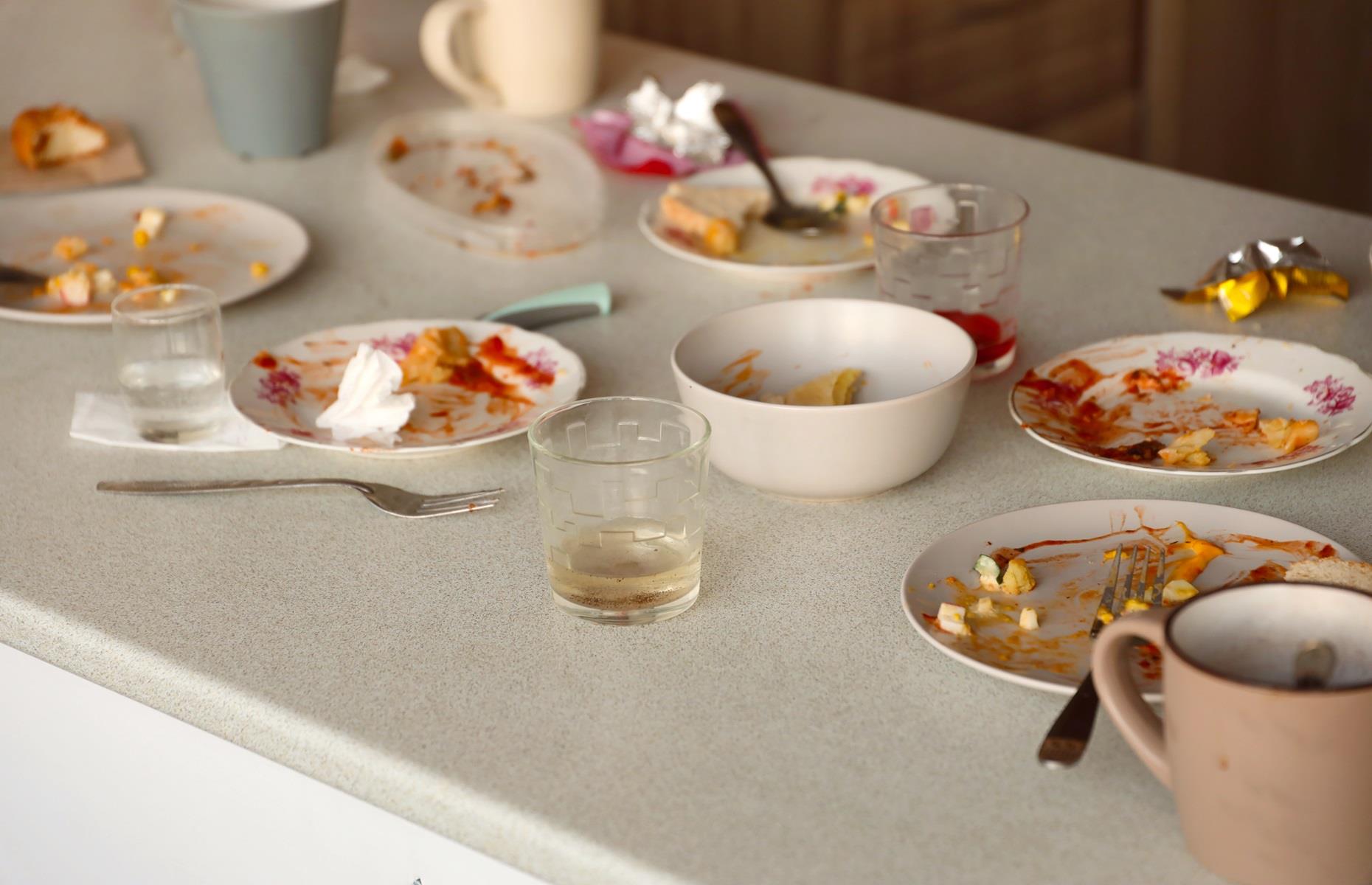
We don't need to tell you that dogs and cats absolutely love food and will hang around when you're cooking or eating, waiting for a morsel to drop onto the floor. Some cats will even jump up onto kitchen worksurfaces to investigate what's on the menu. But some foods are extremely toxic to animals and should, under no circumstances, be consumed by them.
Countless foods are poisonous to both dogs and cats, including grapes (and their dried counterparts), chocolate, onions and garlic. Caffeine, in the form of tea, coffee and energy drinks, is also toxic to both, as is alcohol. Bones can also be very hazardous, causing injuries to the mouth, teeth, throat and digestive system. And, despite popular opinion, cats should never consume cow's milk or raw fish.
Washing Machines and Tumble Dryers
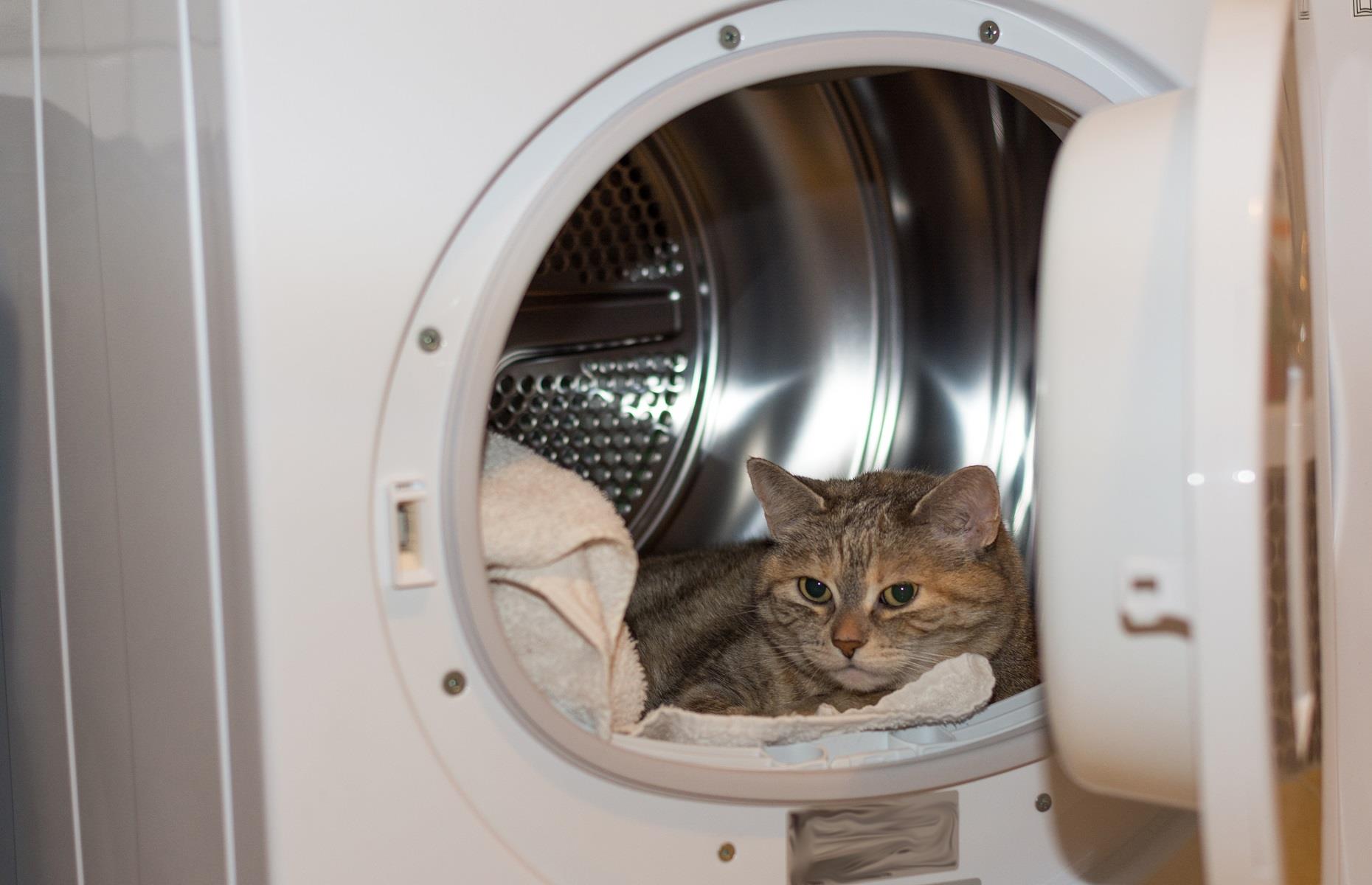
Anyone with a cat will know that tumble dryers and washing machines are perfect, cozy spots for a nap, especially if there’s warm laundry inside.
It's always a good idea to air your machine after use, so if you leave the door open always check that your cat isn’t inside the appliance before using it again. If your pet is savvy and can claw open doors, then consider adding a child-safe cabinet lock to your machines.
Toxic Plants and Flowers
House plants and garden flowers can make a place feel like home, but did you know that some varieties are dangerous for pets? Cats can be harmed if they eat peonies, daffodils and tulips, while lilies are particularly toxic to them.
As for dogs, aloe vera, ivy, foxgloves, daffodils and tulips – plus many more – are harmful. Before introducing any plants to your home or garden, familiarise yourself with which varieties are poisonous and avoid having these in your home altogether. Read our guide to toxic and invasive plants.
Christmas Trees and Decorations

Many cats love hiding inside Christmas trees and climbing up their branches, which can lead to the tree falling over. But, aside from the mess and chaos this can cause, glass baubles that smash can obviously injure pets. Fairy lights can cause electrocution, while tinsel and ribbons can be a choking hazard. In some cases, they can also become wrapped around your pet's intestines, causing major internal issues.
Finally, glitter can become stuck in your pet's lungs and lead to respiratory problems, so keep potentially harmful items either out of reach or out of the home altogether.

Post a Comment for "Hidden dangers in your home that threaten your pets"
Post a Comment