
How to Hire Employees: The Best Job Posting Sites and Hiring Platforms
Understanding Your Options for Finding Qualified Employees
Finding qualified employees has become an increasingly challenging task for businesses today. According to ZipRecruiter, 52% of employers consider finding quality candidates their top recruitment challenge. Knowing where and how to post job openings can make all the difference between filling positions quickly or watching them remain vacant for months.
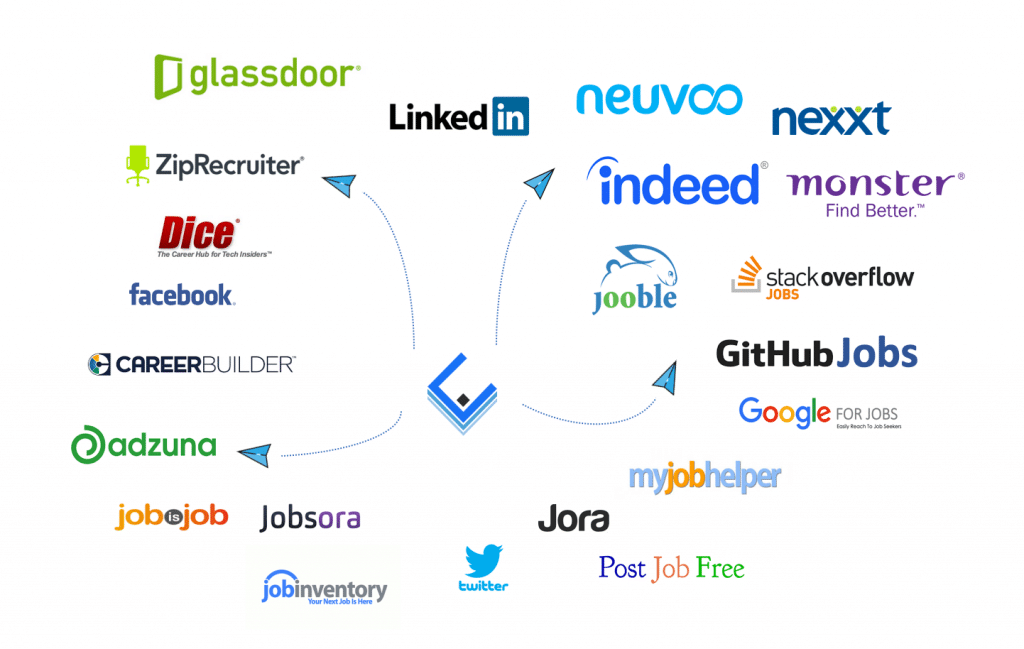
Traditional job boards remain a cornerstone of most hiring strategies, but they are not all equal. General job boards like Indeed, Monster, and CareerBuilder attract large volumes of applicants across various industries and experience levels. These platforms work well for common roles such as administrative assistants, customer service representatives, and retail workers. However, the volume of applications often makes it difficult to identify truly qualified candidates.
Some job boards, like ZipRecruiter, help match employers with qualified candidates by balancing reach with quality. ZipRecruiter also allows employers to invite top talent to review job postings and offers built-in candidate rating tools, making it easier to track the most qualified applicants for open positions.
Niche Industry Job Sites
Specialized platforms target specific industries or professions, connecting you with candidates who possess the exact skills you need. Examples include:
- Tech roles: Dice, Stack Overflow Jobs, GitHub Jobs
- Healthcare: Health eCareers, Nurse.com
- Creative positions: Behance, Dribbble, Coroflon
- Remote work: FlexJobs, We Work Remotely, Remote.co
- Education: HigherEdJobs, Academic Positions
Niche sites typically deliver higher-quality candidates because job seekers using these platforms are actively pursuing careers in specific fields. While these sites may generate fewer applications, the candidates tend to be more qualified and genuinely interested in the work.
Social Media Recruiting
LinkedIn dominates professional social recruiting, but Facebook, X (formerly Twitter), Instagram, and TikTok can also help you find employees depending on your industry and target demographic. LinkedIn’s advanced search filters allow you to identify professionals by job title, location, company, and skills before even posting a job.
Social media works particularly well for:
- Passive candidates who aren’t actively job searching
- Younger demographics (Gen Z and Millennials)
- Creative and marketing positions
- Employer branding and company culture promotion
The limitation? Social recruiting requires consistent effort and engagement. It’s not a “post and wait” strategy; you need to actively participate in conversations and build your employer brand over time.
Professional Associations and University Career Centers
Industry associations and college career services offices provide access to pre-screened talent pools. Professional association job boards attract experienced professionals committed to their fields, while university partnerships help you find employees who are recent graduates with fresh skills and up-to-date education.
These channels work best when you establish relationships over time rather than treating them as one-off posting locations.
The Employee Search Problem: Why Traditional Posting Isn’t Enough
According to the U.S. Bureau of Labor Statistics, there were 7.2 million job openings in August 2025, yet companies struggle to find qualified candidates. This disconnect reveals a fundamental issue with traditional hiring processes: You’re competing with millions of other employers for attention from a limited pool of active job seekers.
Traditional job postings are inherently passive. You create a listing, publish it, and wait for candidates to find you. But what about the millions of qualified professionals who aren’t actively browsing job boards? Research shows that 70% of the workforce consists of passive candidates — people who aren’t looking for jobs but would consider the right opportunity.
This is where modern employee search tools change the game.
Looking for Employees: The Proactive Approach with Resume Databases
Rather than waiting for candidates to find your postings, resume databases let you search through millions of profiles to find employees who match your exact criteria. This flips the traditional hiring model on its head. Instead of hoping the right person sees your job ad, you actively search for qualified candidates and reach out to them directly.
ZipRecruiter’s Resume Database contains over 53 million resumes with more than 320,000 new profiles added monthly, giving businesses direct access to an enormous talent pool. Here’s how this solves the quality candidate problem:
- Smart, intuitive filters
- Instant contact information
- Access to passive candidates
How to Use Resume Databases Effectively
When conducting an employee search in a resume database:
- Start broad, then narrow: Begin with essential requirements (job title, location) then add filters for nice-to-have qualifications. This prevents you from missing strong candidates who meet most of your criteria.
- Review profiles thoroughly: Unlike quick application scans, database profiles often include detailed work histories, portfolios, and career narratives. Take time to understand each candidate’s full background.
- Personalize your outreach: When contacting database candidates, reference specific aspects of their experience that caught your attention. Generic messages get ignored; personalized outreach generates responses.
- Follow up consistently: Not everyone will respond to your first message. Follow up three to five days later with additional context about the opportunity or your company culture.
- Build relationships, not transactions: Even if a candidate isn’t right for the current opening, ask if you can stay in touch for future opportunities. This turns one-time searches into ongoing talent pipelines.
Preparing to Hire: How to Build Your Talent Pipeline
The most successful employers think beyond filling current openings. Building a talent pipeline means you’re always recruiting, even when you’re not actively hiring. This transforms reactive scrambling into strategic workforce planning.
Why pipeline building matters:
When you need to hire employees for a newly opened position, starting from scratch costs you time and productivity. Your team works short-staffed while you post jobs, review applications, conduct interviews, and negotiate offers. This process can take more than a month on average, according to SHRM research.
A talent pipeline changes this equation. Instead of starting at zero, you have pre-qualified candidates already engaged with your company, reducing time-to-fill considerably.
How to Build Your Pipeline While Hiring
You’re already reviewing resumes and interviewing candidates. Here’s how to turn that activity into pipeline building:
- Save strong second-place candidates: That person who almost got the job? Add them to your pipeline. They’re already vetted, understand your company, and would likely accept a future offer.
- Stay connected with good-fit applicants: If someone impressed you but wasn’t quite right for the current role, tell them. Ask if they’d like you to keep their information for future openings. Most will say yes, and you’ve just added a warm lead to your pipeline.
- Use your resume database searches strategically: When searching for employees in a resume database, you’ll encounter many qualified professionals who aren’t perfect for the immediate opening. Save these profiles and follow up in three to six months about their continued interest.
- Implement employee referral programs: Your current employees know talented professionals in their fields. Create a system that rewards referrals even when no positions are immediately available.
Common Mistakes When Trying to Find Employees
Avoid these pitfalls that derail even experienced hiring managers:
- Writing vague job postings
- Posting only where you’ve always posted
- Ignoring passive candidates
- Neglecting your employer brand
- Relying solely on one platform
- Moving too slowly
When you find qualified candidates, whether through posted jobs or database searches, move quickly. Top talent gets snapped up fast. Have your interview process mapped out, decision-makers available, and offer parameters established before you start recruiting.

Post a Comment for "How to Hire Employees: The Best Job Posting Sites and Hiring Platforms"
Post a Comment