
How We Test Mattresses – Expert Sleep Team's Review Process Revealed
How We Test Mattresses: A Deep Dive into the Process
As a sleep editor at Homes & Gardens, I spend much of my time testing mattresses, which my parents fondly refer to as "sleeping on the job." However, this isn't just about resting; it's about understanding what makes a mattress truly effective. Testing mattresses requires expertise, experience, and effort. Here's how I, along with my team of sleep experts, go about evaluating the best options available.
Every month, I revisit our list of the best mattresses to ensure there's a balanced selection of types that cater to every kind of sleeper. I check trusted brands like Saatva, Helix, and Tempur-Pedic, as well as popular stores such as Wayfair, for new models that could be added or swapped in. These mattresses are then sent to expert testers who evaluate them based on comfort, support, breathability, cooling properties, motion isolation, edge support, and weight-bearing capacity. Practical factors like sleep trials, warranties, and cost are also considered.
I know how crucial it is to find a mattress that suits your sleep position. That’s why I use a wide range of reviewers across the country, each bringing their unique sleep needs to every bed they test. We’ve found the best beds for side sleepers, stomach sleepers, hot sleepers, cold sleepers, and everyone in between. Each tester spends at least 30 nights on the mattress, sometimes for months, ensuring we can return to reviews to tweak or remove them if needed.
Comfort
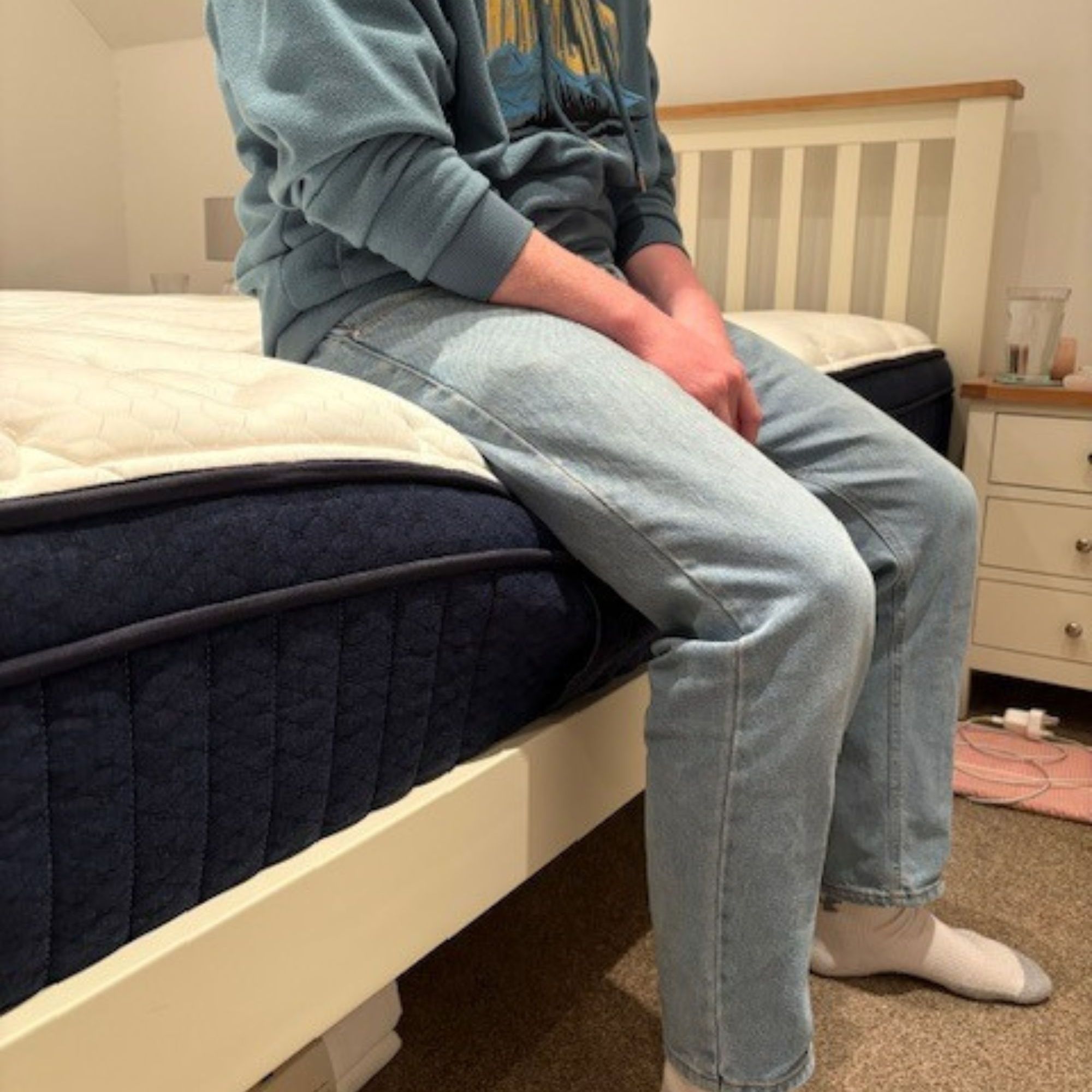
Comfort is the first and most important test for any mattress. It's vital to match a mattress firmness to a reviewer's sleep position—there's little point in sending a soft mattress to a stomach sleeper or a firm one to a side sleeper. Equally, a cozy mattress might not suit a hot sleeper. To ensure fair ratings, I carefully choose reviewers based on their sleep needs. This allows our team to compare like-for-like, with consistent firmness and thermo-regulation levels.
Our process involves lying on each mattress when awake to note pressure points and then sleeping on it for at least 30 nights, often longer. We track how we feel upon waking, noting any new aches or pains, as well as improvements in backache. Our notes feed into our reviews, and we compare not just U.S. mattresses but also those from other regions, such as the UK, where beds tend to be more rigid with better edge support.
Support
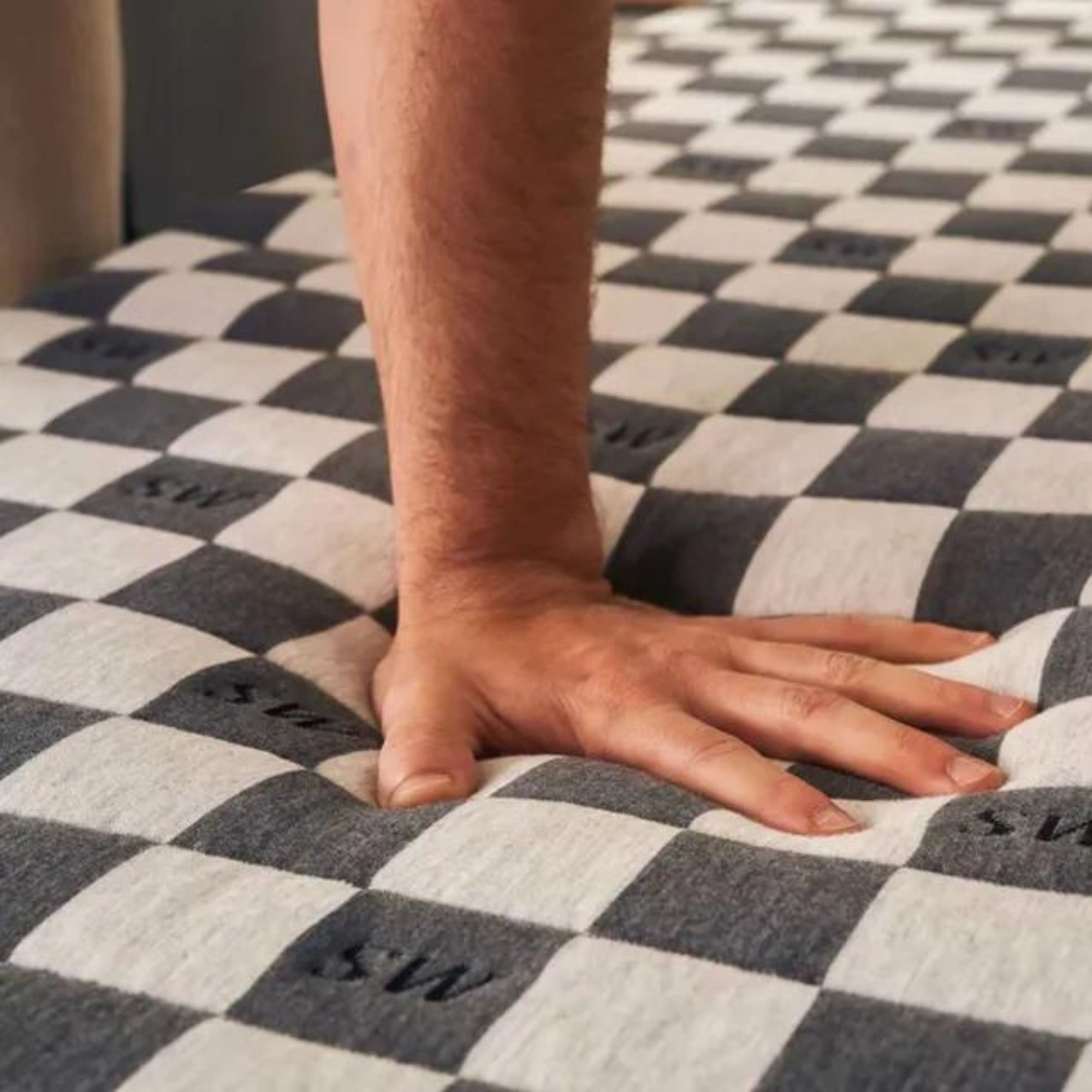
Comfort and support go hand-in-hand. Different mattress types offer different kinds of support. Memory foam mattresses provide pressure relief and excellent motion isolation but may feel too soft for some. Innerspring mattresses offer support through steel coils, ideal for stomach sleepers but potentially unforgiving for others. Hybrid mattresses combine the best of both worlds, making them great for couples.
Latex and wool mattresses are also options, offering springy support for stomach sleepers and a more forgiving feel for back and side sleepers. The only way to truly assess support is by lying on the mattress and feeling it out. My testers, with years of experience, can judge this effectively.
Breathability and Cooling Properties
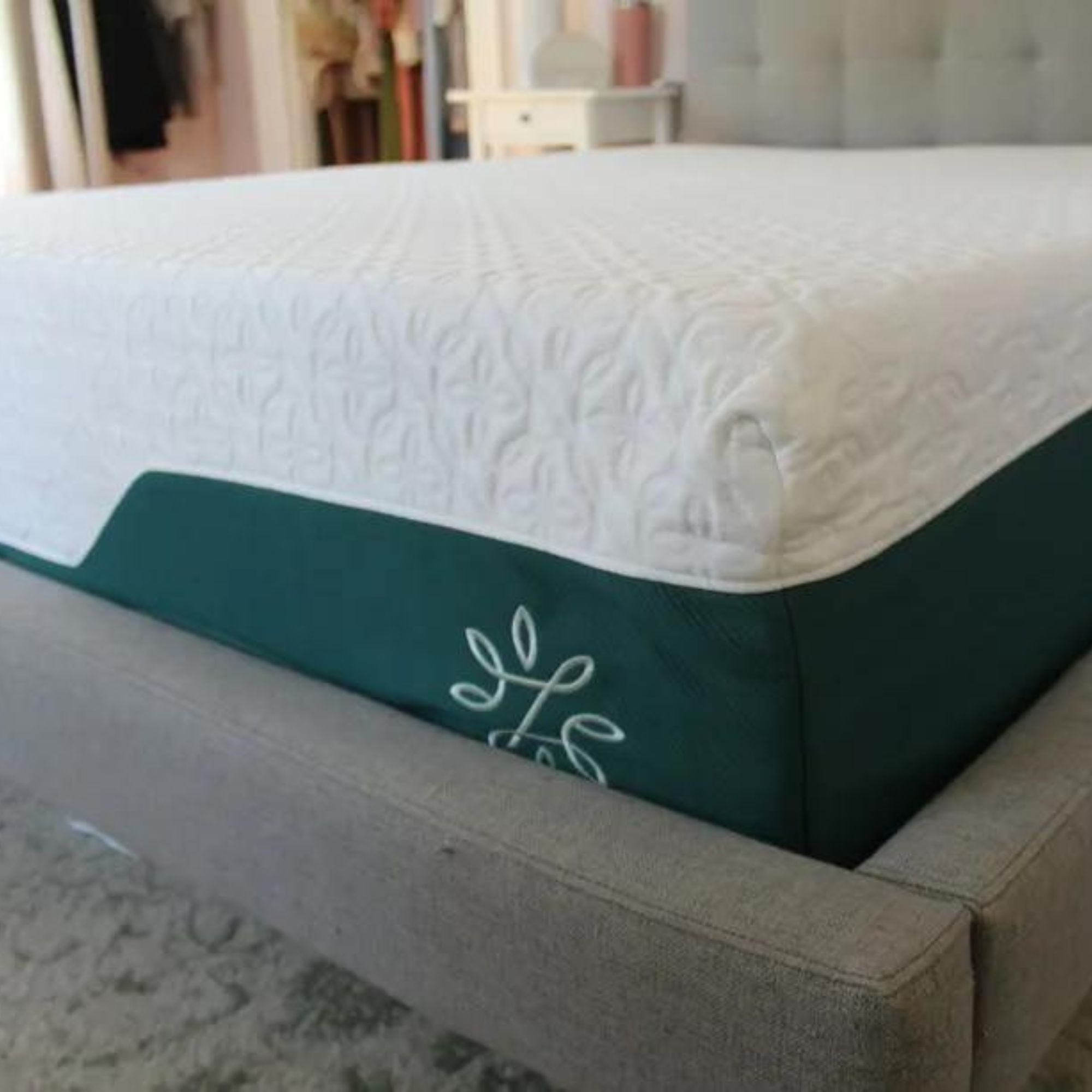
For those who suffer from night sweats or live in warmer climates, breathability and cooling properties are essential. Innerspring mattresses tend to sleep coolest due to their coil structure. Hybrid mattresses also offer cooling benefits, though they may not be as effective as innersprings. Memory foam mattresses can trap heat, but cooling versions with gel, copper, or graphite infusions are available.
Testers assess whether a mattress helps them sleep cooler or if they wake up sweaty. We use the same quality sheets to avoid skewing results. While placing a hand in the center of the bed can give a quick assessment, nothing replaces actual sleep testing. We also recommend taking advantage of sleep trials to test a mattress over several months.
Motion Isolation

To test motion isolation, we place a glass of water in the center of the bed and apply pressure around it. The more the glass moves, the worse the motion isolation. We also note this during sleep testing. Memory foam typically offers better motion isolation, while innersprings score lower. However, high-quality innersprings can still perform well.
Edge Support
Good edge support is crucial for side sleepers. To test this, we move the glass of water to the edge of the bed and apply pressure. The less movement and spillage, the better the edge support. We also note any issues after sleeping on the mattress for at least 30 nights.
Weight Bearing
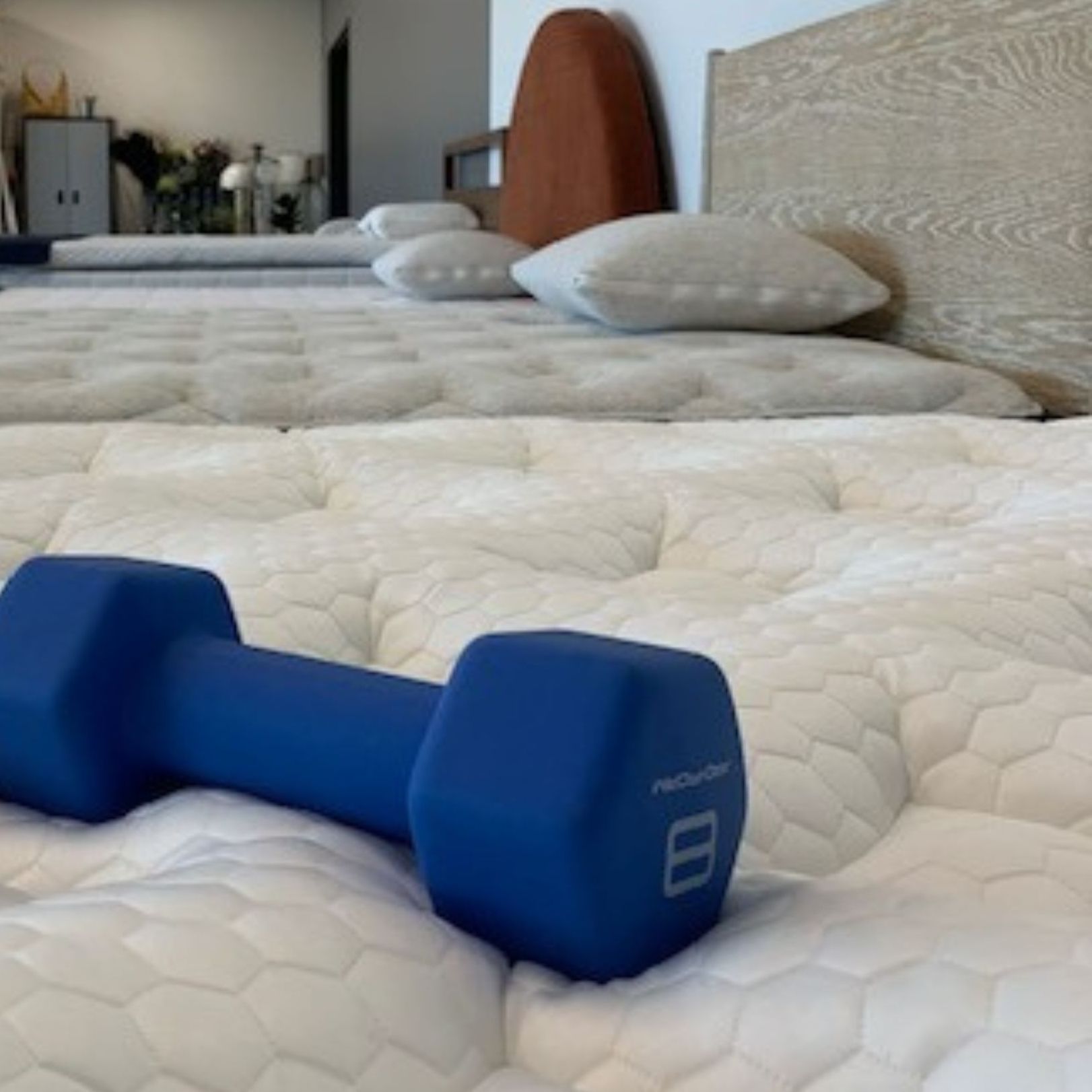
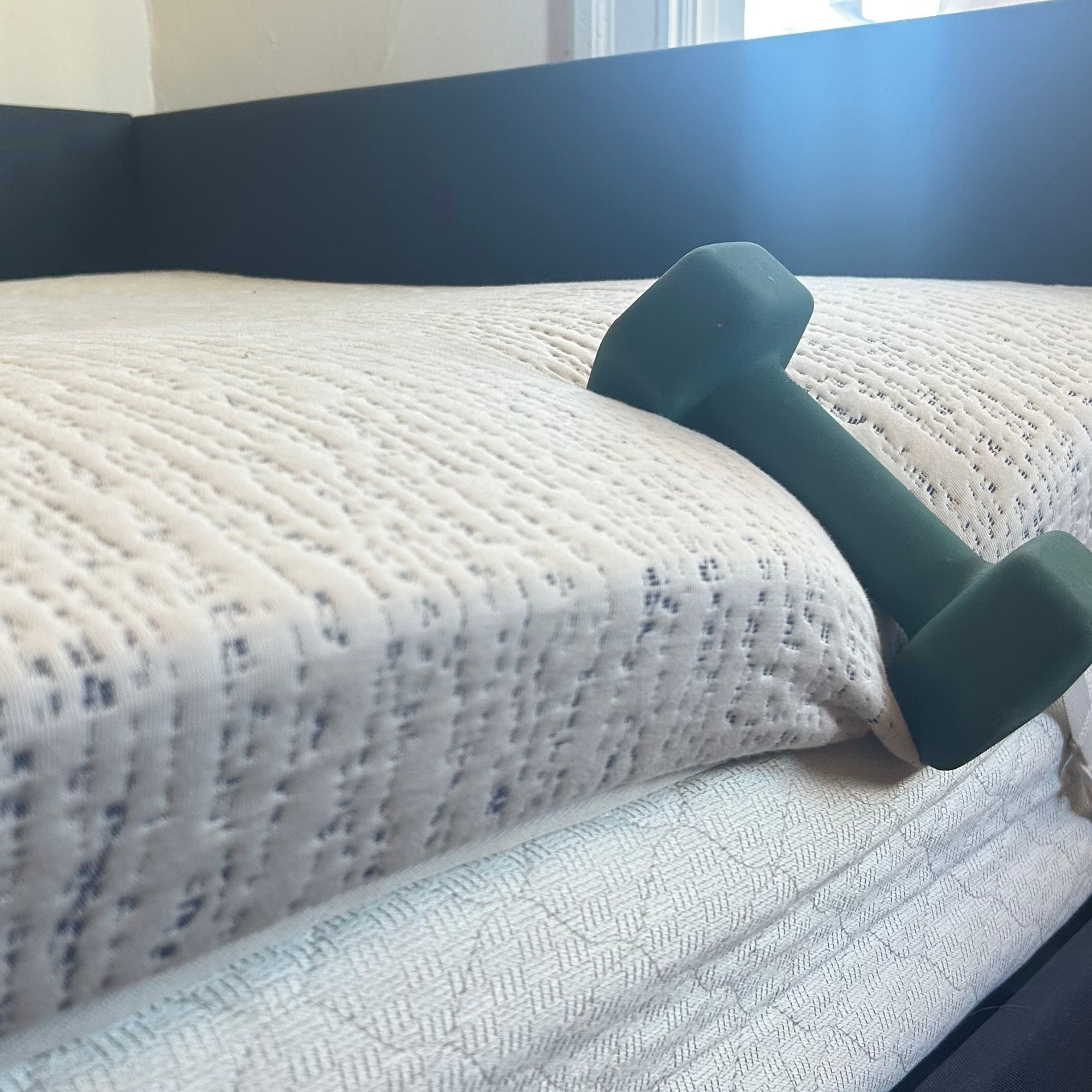
The weight-bearing test measures how evenly a mattress supports body weight and returns to its original shape. Using a dumbbell, we measure how far it sinks and how quickly it rebounds. Hybrids and innersprings generally perform better than full-foam mattresses.
Practical Points
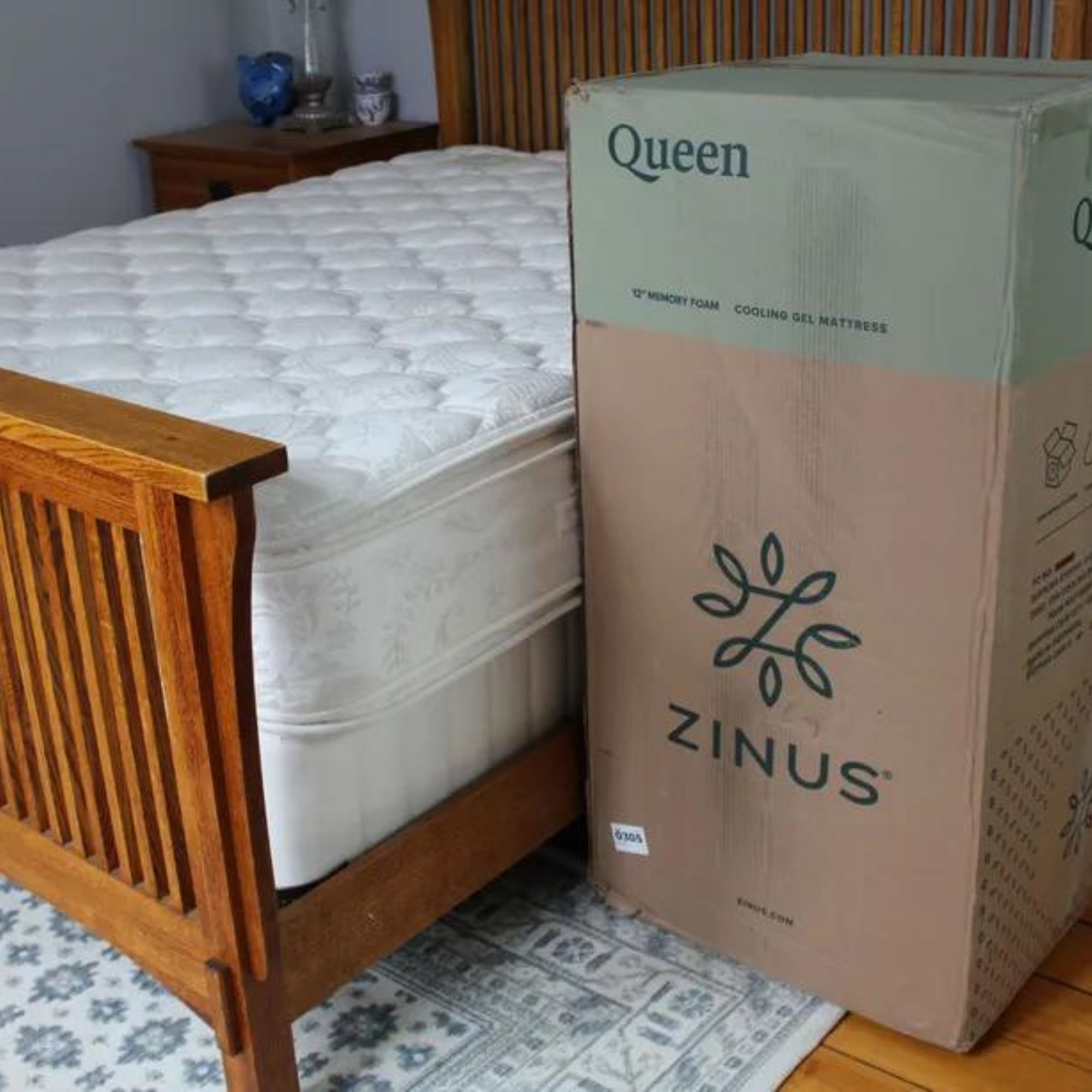
We consider the delivery process, including white-glove options and packaging details. For box mattresses, we time inflation and check for off-gassing odors.
Price
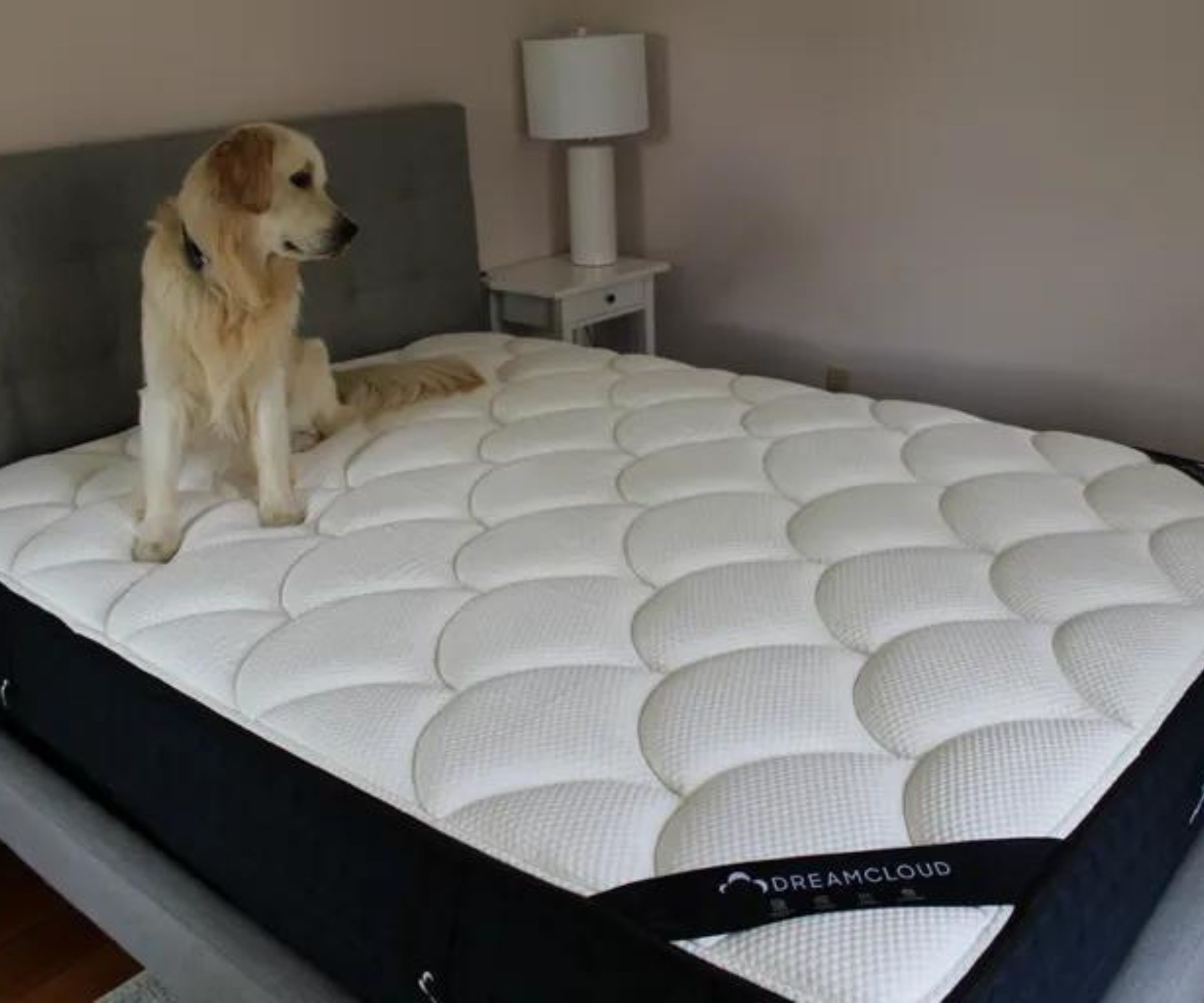
At the end of each review, we compare findings against the price. Affordable options may have minor flaws, but we always highlight these so readers can decide what suits their budget.
Meet The Team
Only you know what you want and need in a mattress. If you're a hot sleeper, focus on cooling properties. Take time to consider your sleep needs before purchasing.
Like this article? For more stories like this, follow us on MSN by clicking the +Follow button at the top of this page.

Post a Comment for "How We Test Mattresses – Expert Sleep Team's Review Process Revealed"
Post a Comment