
Hurricane Melissa Rips Through Caribbean, Leaving Destruction in Its Wake
The Devastating Impact of Hurricane Melissa
Hurricane Melissa brought unprecedented devastation and loss of life to the Caribbean, marking one of the most powerful Atlantic storms in over 150 years. The hurricane unleashed torrential downpours and forceful winds that caused widespread destruction across Jamaica, Cuba, and the Bahamas. At least 30 people have lost their lives, but the full extent of the damage may take days or even weeks to fully assess.
As the storm moved toward Bermuda early Thursday, emergency officials in affected countries began the difficult task of clearing roads to reach isolated communities in need of aid. In Jamaica, Prime Minister Andrew Holness visited some of the hardest-hit areas on Wednesday to evaluate the significant damage caused by the storm's punishing winds and flooding.
“Despite the difficulties, the Jamaican spirit shines through as a strong reminder that we are a resilient nation with the capacity to triumph over adversity,” he wrote on social media.
Path of Destruction
The Caribbean region experienced the perfect conditions for Hurricane Melissa to strengthen. Hotter-than-average waters combined with minimal wind disruption higher in the atmosphere created an ideal environment for the storm to grow. Melissa rapidly intensified, jumping from a 70 mph tropical storm on Saturday morning to a 140 mph Category 4 hurricane by Sunday morning.
By Tuesday, Melissa had transformed into a high-end Category 5 hurricane with maximum sustained winds of 185 mph, tying it with four other hurricanes as the second-strongest storm recorded in the Atlantic since records began in 1851. As it approached Jamaica, the World Meteorological Organization (WMO) warned that the situation would be “catastrophic.”
“For Jamaica, it will be the storm of the century for sure,” said Anne-Claire Fontan, a WMO tropical cyclone specialist.
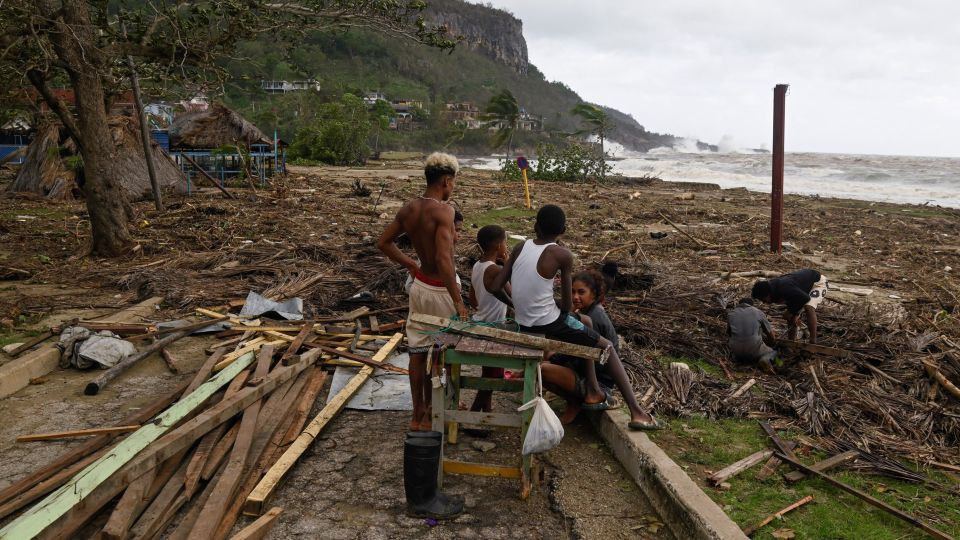
Overnight Tuesday into Wednesday, the storm crossed into eastern Cuba, still a formidable Category 3 hurricane when it made landfall in Santiago de Cuba. By the time it reached the Bahamas on Wednesday, Melissa had been downgraded to a Category 1, but its broad wind field continued to cause torrential flooding, damaging winds, and dangerous storm surges along the coast.
More than 735,000 people were evacuated in Cuba as Melissa approached, according to President Miguel Díaz-Canel. In the Bahamas, preliminary estimates suggest 1,485 residents were evacuated before all flights were suspended ahead of the storm. Evacuation orders were also issued for six islands in the Bahamas.
Other countries, including the Dominican Republic and Haiti, also felt the storm’s devastating impact.
Devastation Left Behind
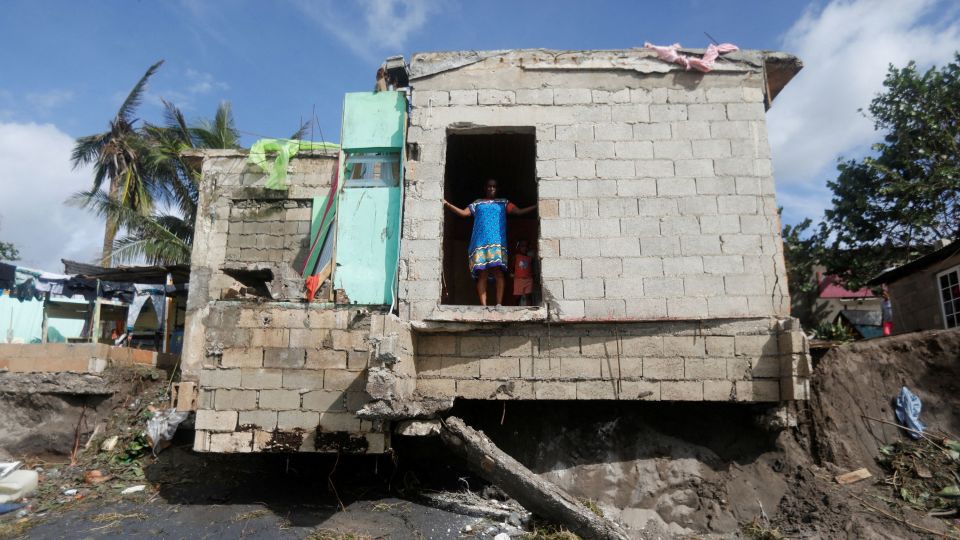
Across the Caribbean, officials described the destruction left in the wake of Hurricane Melissa. Richard Solomon, mayor of Black River in Jamaica, where the storm made landfall, called the conditions “devastating” and noted that “catastrophic” is a mild term based on what they observed.
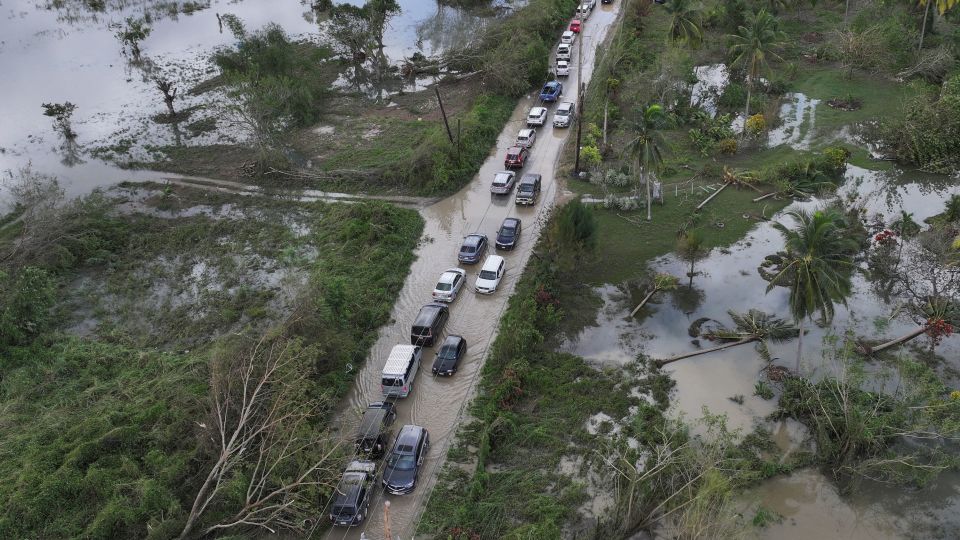
Around 140,000 people were cut off as the storm battered the island, according to the government. A news crew observed residents and military personnel pushing more than a dozen ambulances past storm debris in Santa Cruz as the medical convoy headed to a coastal area in western Jamaica, which was hit hard.
Authorities in Jamaica have recovered at least four bodies in St. Elizabeth Parish, while the Jamaica Constabulary Force confirmed eight more deaths in Westmoreland, Hanover, and St. James. Three additional deaths occurred during storm preparations.
Holness declared the country a disaster area to prevent price gouging. “We must continue to proactively maintain stability, protect consumers, and prevent any exploitation at a time when citizens are securing food, water, and supplies,” he said.
Around 77% of Jamaica was left without electricity after the storm passed, and infrastructure has been severely compromised, according to Desmond McKenzie, Jamaica’s minister of local government and community development. Approximately 25,000 tourists remained in the country as it emerged from the storm.
In Haiti, 23 people have died and 13 are missing, according to the country’s Civil Protection Agency. Twenty of the deaths, including 10 children, occurred when a flooded river in Petit-Goâve burst its banks. Steven Guadard, a resident of Petit-Goâve, told the Associated Press that the storm killed his entire family, including a 1-month-old baby, a 7-year-old, an 8-year-old, and another child who was about to turn 4.
Cuban President Miguel Díaz-Canel described the damage as “significant” and urged citizens to remain vigilant and take necessary precautions.
Recovery Efforts
Several international efforts have already begun to assist with recovery efforts. The United Kingdom announced it would deploy £2.5 million ($3.3 million) in emergency humanitarian funding. China’s ambassador to Cuba shared a video showing hundreds of boxes labeled as “family kits” being transported from a warehouse.
US President Donald Trump authorized an immediate US response to mobilize support for affected communities in the Caribbean. Secretary of State Marco Rubio deployed a regional Disaster Assistance Response Team, including urban search-and-rescue teams, to assess needs and provide assistance.
“The State Department is collaborating with UN agencies, NGOs, and host governments to deliver food, water, medical supplies, hygiene kits, temporary shelter, and search and rescue support,” the statement read.
The Jamaican government launched an official website for relief and recovery efforts, providing updates on flooding locations, blocked roads, and shelters.

Post a Comment for "Hurricane Melissa Rips Through Caribbean, Leaving Destruction in Its Wake"
Post a Comment