
Is 2025 the New '1984'? Authors Warn Censorship Could Escalate
The Enduring Legacy of "1984" and the Modern Struggle for Free Expression
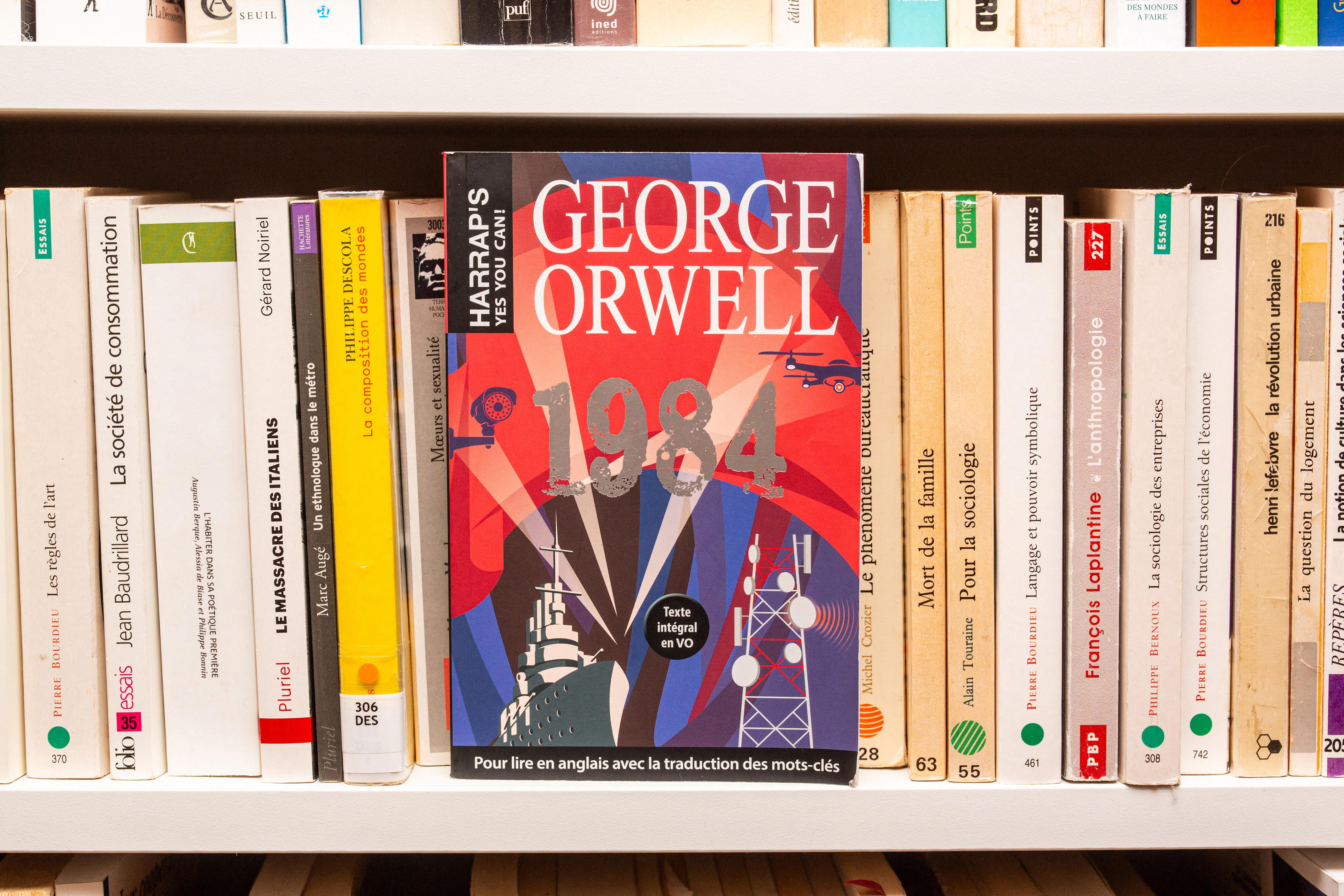
It has been 76 years since George Orwell's seminal work, "1984," was first published. This novel, a chilling exploration of government control, censorship, and the corruption of language, continues to resonate deeply in today’s world. As Banned Books Week approaches, its theme, "Censorship Is So 1984. Read for Your Rights," draws directly from Orwell’s dystopian vision to highlight how we may be closer to his grim prediction than ever before.
Over 3,700 unique books were banned during the 2024-2025 school year, more than double the number recorded by advocacy group PEN America in the 2021-2022 academic year. The nonprofit organization, dedicated to free expression, found 6,870 total instances of book banning in the '24-'25 year. Their report warns against the "normalization" of such actions, calling them "rampant and common."
A Growing Concern
Clint Smith, author of "How the Word Is Passed," warns that the consequences of censorship could extend beyond just books being removed from shelves. "If we're not careful, it might not simply be your book being put on a list that makes it so a librarian can't order it," he says. "Instead, it might be you arrested for writing the book in the first place."
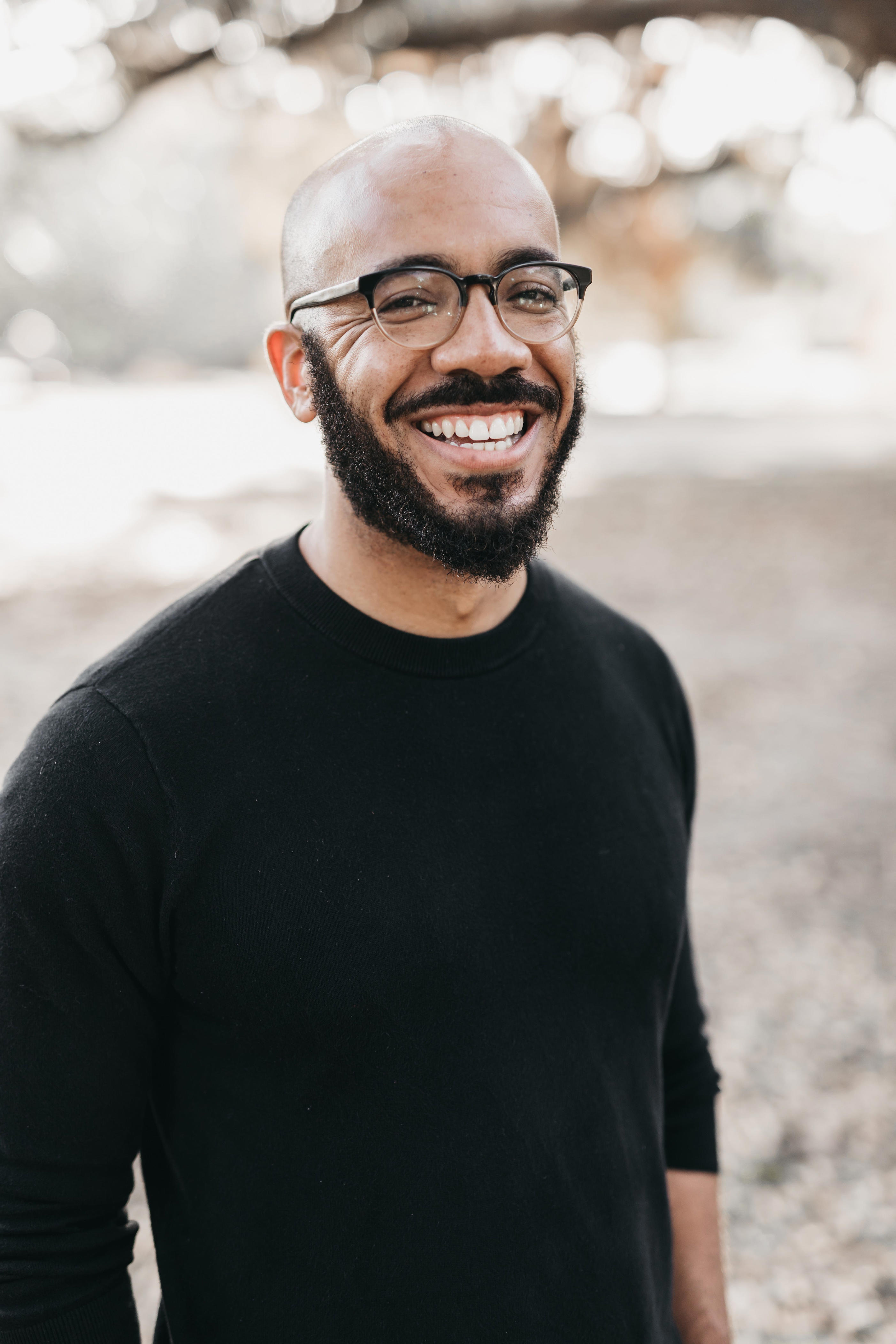
Smith emphasizes the importance of naming and confronting these issues. "You have to recognize that where we are now is worse than where we've been, but where we could be going could be far worse than where we are," he adds. "That is why it's so important to name it, to call it out, speak out against it as much as we can."
Voices from the Literary World
Five writers — Professor Laura Beers, Chicana writer Sandra Cisneros, Professor Michael Shelden, fiction writer Alejandro Varela, and Smith — reflect on the impact of reading Orwell’s "1984" for the first time. They also explore whether we can outrun the parallels between our current political moment and Orwell’s world, as well as their interpretation of what's actually considered "Orwellian."
The Misuse of the Term "Orwellian"
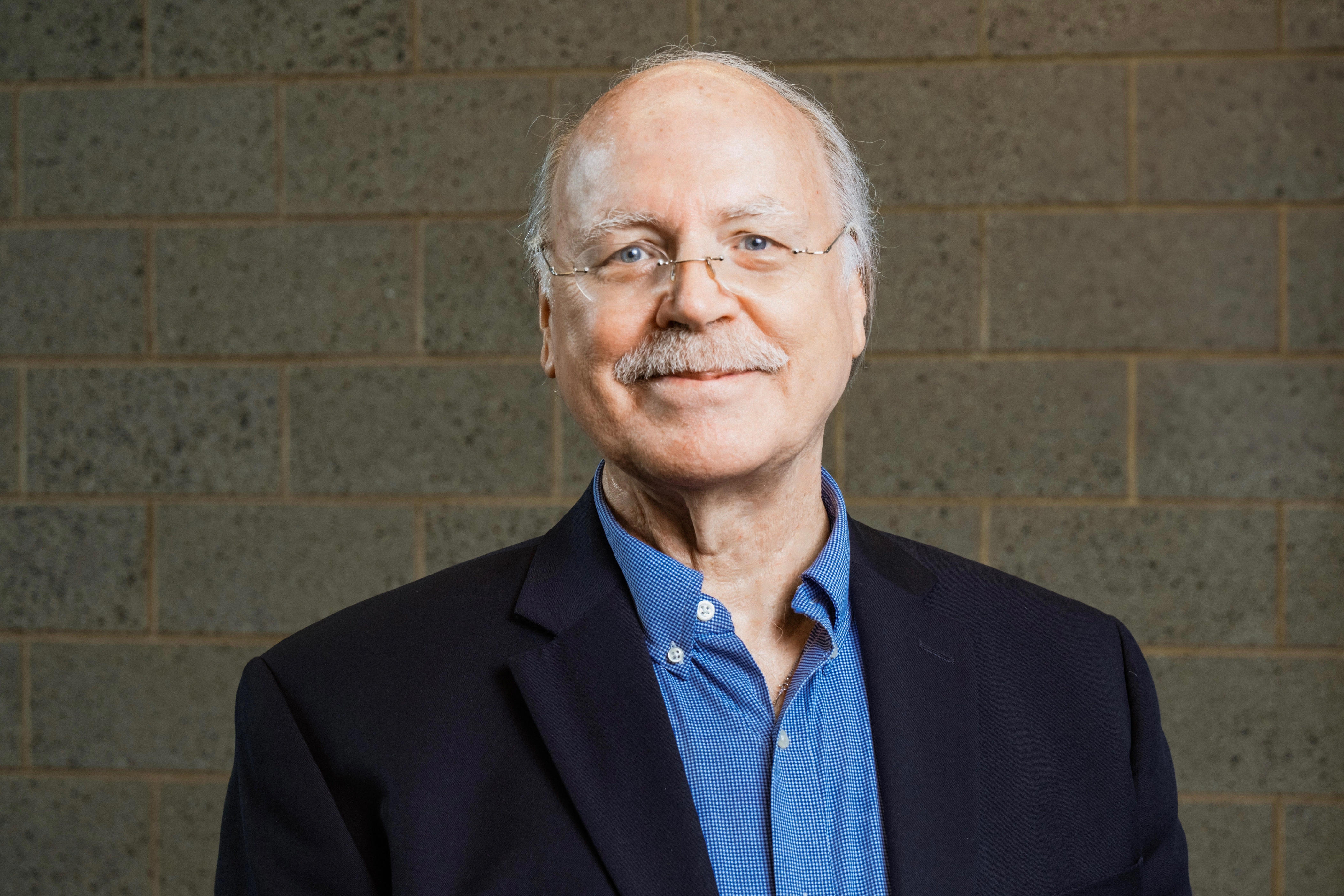
The term "Orwellian" has seen an uptick in usage in recent years. However, many argue that it is often misapplied. Beers notes that Orwell was talking about the power of the state to suppress alternative ideas. "Being taken off Twitter is not Orwellian because you can set up Truth Social or an alternative platform," she explains. "Having your book not be published because a publisher thinks your politics don't align with theirs is not really Orwellian either."
Shelden believes the term is used to indicate a frame of mind that is willing to make people pay for saying something out of the mainstream. "The reason that's so dangerous, and what Orwell is trying to show in the dangers he did show in '1984,' is that a society that doesn't have free thought doesn't have anything."
The Impact of Book Bans on Future Generations
The proliferation of book bans raises concerns about their long-term impact on young readers. Beers, a mother of two, emphasizes the importance of reading long-form writing, particularly fiction, which fosters empathy and understanding. "It's difficult enough to get young people to read, or really, anybody, to read any kind of book anymore," she says. "We don't need to make things harder by banning texts."
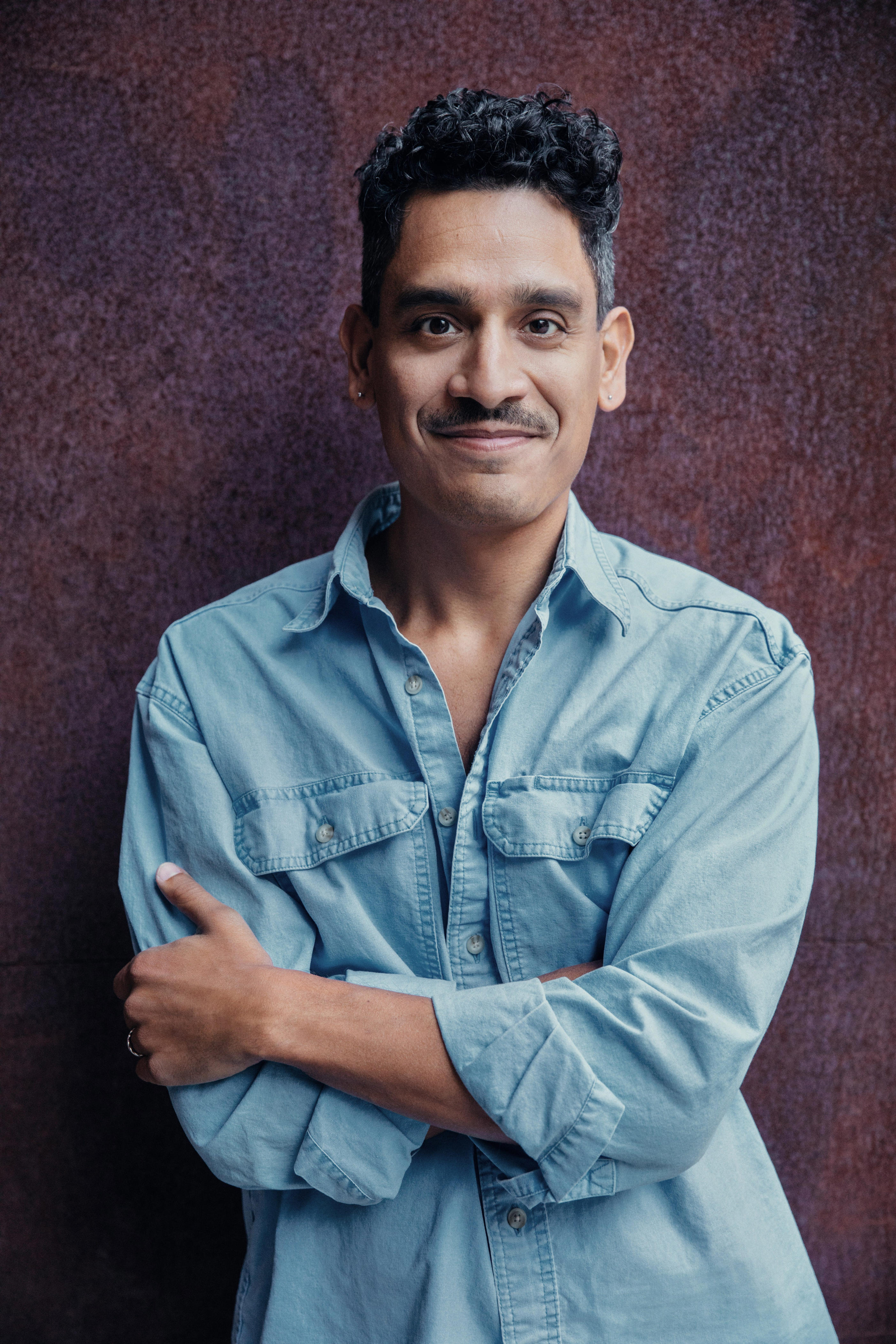
Varela points to a perverted take on Judeo-Christianism, where some believe children should not be exposed to anything. "But let's not forget, we're talking about a lot of people in this country who feel completely and totally disempowered," he says. "They fall into racism and classism and homophobia, and fall into all of these forms of discrimination."
The Importance of Access to Information
Cisneros reflects on the importance of allowing access to books, even those that may be controversial. "It is important to understand, are the books even being read that are being banned?" she asks. "I don't think so. When you ban a book, there's something you're afraid of."
She also emphasizes the right of parents to guide their children, but cautions against overreacting. "You don't burn down the pharmacy just because a book isn't your prescription."
A Call to Action
As the debate around literacy, books, education, and access to information intensifies, the lessons from "1984" remain relevant. The authors interviewed stress the importance of vigilance, resistance, and the need to protect free expression. "We have to recognize that how we conceive of books being banned and challenged today is bad, to be sure," Smith says. "But we can experience a much more draconian version of what we're already experiencing if we're not mindful."

In a world where surveillance, government control, propaganda, and the manipulation of truth are increasingly present, the warnings of George Orwell continue to serve as a powerful reminder of the fragility of democracy and the importance of safeguarding free expression.
The Current Political Moment and Orwellian Parallels
The question of whether the current political moment mirrors Orwell's world is complex. Beers notes that while there have been examples of Orwellian realities throughout American history, the current situation is fundamentally different. "We are living in a moment in which the most dangerous forms of surveillance, government control, propaganda, and the erasure, distortion, or manipulation of the truth are omnipresent in this country," she says.
Shelden agrees, noting that the willingness to make people pay for expressing ideas outside the mainstream is a dangerous trend. "A society that doesn't have free thought doesn't have anything," he says. "It isn't just politics that suffers. It's everything from religion and faith to just social life in general."
Looking Ahead
As the conversation around censorship and free expression continues, the voices of these authors serve as a reminder of the importance of critical thinking, empathy, and the protection of diverse perspectives. The legacy of "1984" remains a vital tool in understanding and addressing the challenges of our time.

Post a Comment for "Is 2025 the New '1984'? Authors Warn Censorship Could Escalate"
Post a Comment