
Kiwi, Prunes, and Rye Bread: New Constipation Solutions
A Scientific Step Forward
For years, people suffering from chronic constipation have been told to eat more fiber, drink more water, and get more exercise. However, these recommendations lacked solid scientific backing. Now, a groundbreaking study led by researchers at King’s College London is changing the landscape of dietary advice for adults with chronic idiopathic constipation — constipation that isn’t caused by another disease.
The study introduces the first set of general, evidence-based food recommendations specifically tailored for this condition. The research team, led by Dr. Eirini Dimidi and Professor Kevin Whelan, conducted four systematic reviews and meta-analyses to identify which foods, beverages, and supplements can improve stool frequency, consistency, and overall comfort. Their findings were evaluated by a panel of dietitians, gastroenterologists, and general practitioners.
“This is the first time we’ve provided direction on what dietary approaches could genuinely help,” said Dr. Dimidi. “Being able to improve this condition through dietary changes would allow people to self-manage their symptoms more and, hopefully, improve their quality of life.”
What the Research Found
The review grouped interventions into three categories: food, beverages, and dietary supplements. Each recommendation was assigned a strength of evidence rating and a level of recommendation rating. Out of 59 total recommendations, 27 were strong, and 32 were qualified.
While the quality of evidence varied, with most recommendations supported by low or very low evidence, several trends emerged. The research highlighted specific foods and supplements that showed promise in alleviating constipation.

Helpful Foods: Kiwifruit, Prunes, Rye Bread, and Fiber
Fiber supplements remain a cornerstone of treatment for constipation, but not all fibers are equally effective. Psyllium, a soluble fiber found in many over-the-counter products, consistently improved stool frequency and texture. In contrast, less soluble fibers may worsen symptoms in some individuals.
Although a high-fiber diet is often recommended, the study found little evidence that it directly helps with chronic constipation itself. “Having a high-fiber diet has many benefits for overall health,” said Dr. Dimidi, “but our advice found that there simply isn’t enough evidence to advise that it actually helps in constipation.”
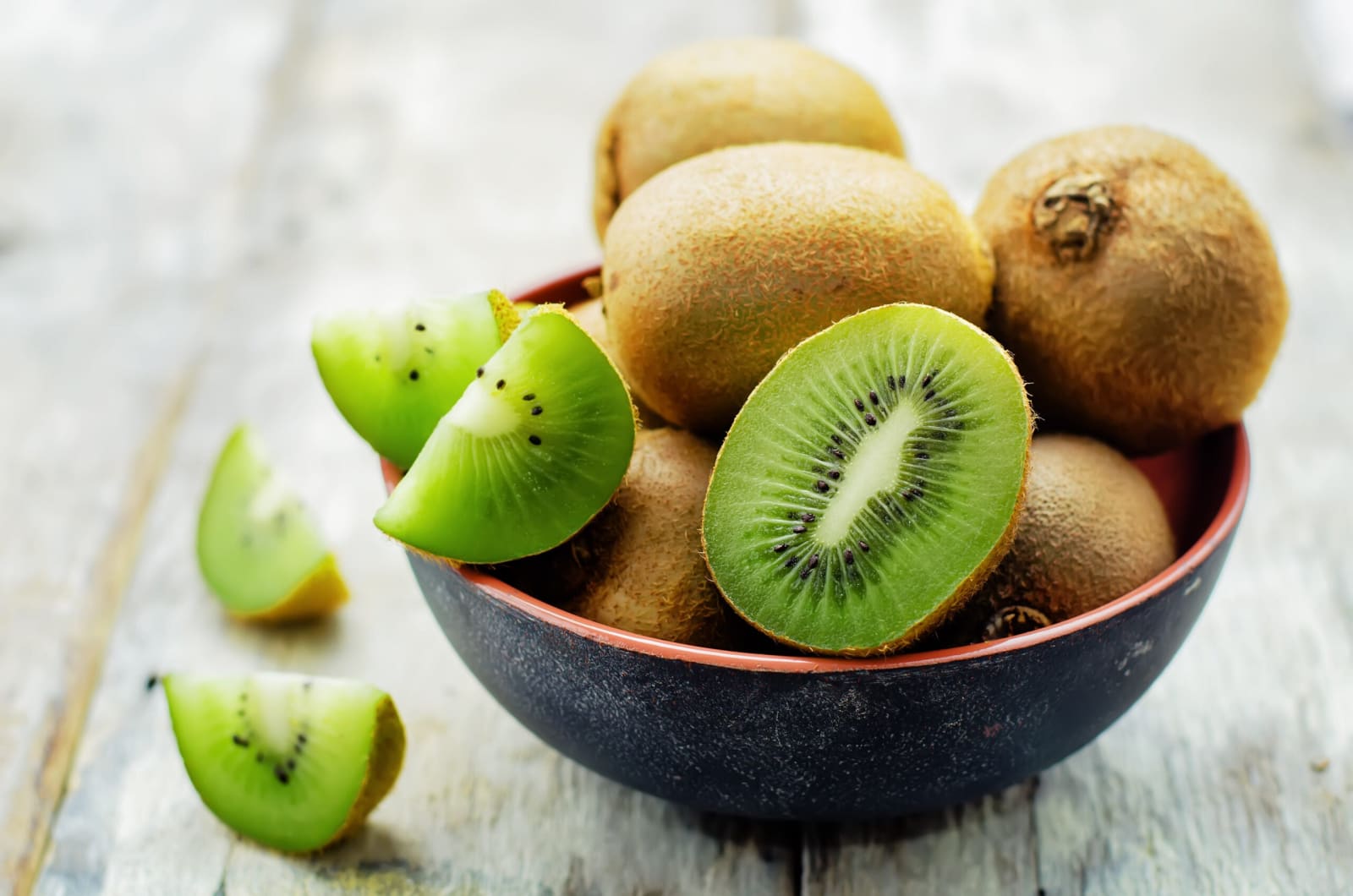
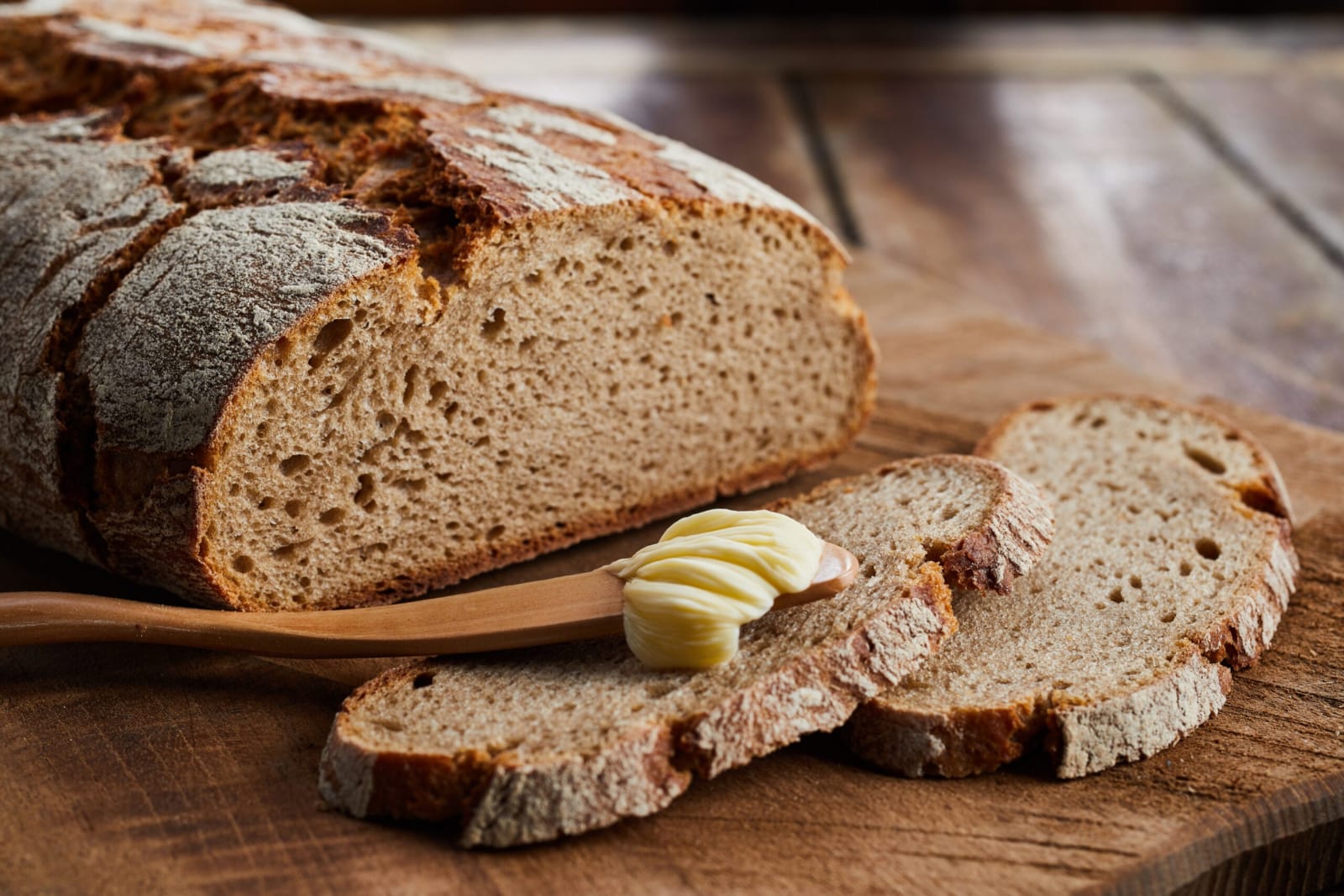
Some foods stood out as particularly beneficial. Kiwifruit, prunes, and rye bread all showed improvements in bowel movement frequency and ease. Kiwifruit contains enzymes that aid digestion, prunes contain sorbitol, a natural laxative, and rye bread provides more fiber than white bread, adding bulk and quality to stool.

Supplements That Help: Magnesium Oxide and Probiotics
Among supplements, magnesium oxide and certain probiotics showed significant benefits. Magnesium oxide acts as a mild osmotic laxative, drawing water into the intestines to facilitate bowel movements. Probiotics, which promote digestive balance, also increased stool frequency in some cases. However, results varied depending on the strain of bacteria used, and more research is needed to determine the most effective options.
Synbiotics, which combine prebiotics and probiotics, showed some promise but are less well-studied. Senna, a plant stimulant laxative, was less favored due to potential side effects and risk of addiction if used long-term.
Hydration also plays a role. Drinking mineral-rich water, such as those containing magnesium and sulfate, was linked to modest increases in bowel frequency. These minerals act as natural laxatives, and experts recommend consuming them as part of an overall hydration strategy.
Why These Guidelines Matter
These new guidelines offer a much-needed, evidence-based approach for both healthcare professionals and patients. “Concise and standardized guidelines are an auspicious step towards allowing health practitioners and patients,” said Professor Whelan. “Constipated individuals can now be provided with up-to-date advice informed by the best available evidence.”
For adults with chronic constipation, the guidelines suggest starting with psyllium supplements, incorporating helpful probiotic strains, eating fruits like kiwifruit and prunes, switching to rye bread instead of white bread, and drinking mineral-rich water. Magnesium oxide may be considered if needed, while stimulant laxatives like senna should be used cautiously.
Room for Improvement
Despite the progress, the researchers emphasized that the evidence base remains weak. Many studies were small and short-term, and few examined whole-diet patterns or long-term outcomes. To address this, the team identified 12 top research priorities, including the need for stronger clinical trials and studies on how multiple interventions might work together.
The guidelines also encourage a personalized approach to treatment, as constipation affects individuals differently. Tailoring care to individual needs is essential for effective management.
Practical Implications of the Research
These new recommendations have the potential to transform the treatment of constipation globally. For doctors and nutritionists, they provide a scientifically grounded framework for prescribing dietary therapies. For patients, the research offers accessible, low-cost solutions such as fiber supplements, probiotics, and whole foods.
With further research, these findings could lead to comprehensive dietary models that support long-term gut health, reduce reliance on medication, and improve quality of life for millions.
Research findings are available online in the Journal of Human Nutrition & Dietetics and Neurogastroenterology.

Post a Comment for "Kiwi, Prunes, and Rye Bread: New Constipation Solutions"
Post a Comment