
Latest on government shutdown; states sue over SNAP cut-off
Legal Battle Over SNAP Benefits Amid Government Shutdown
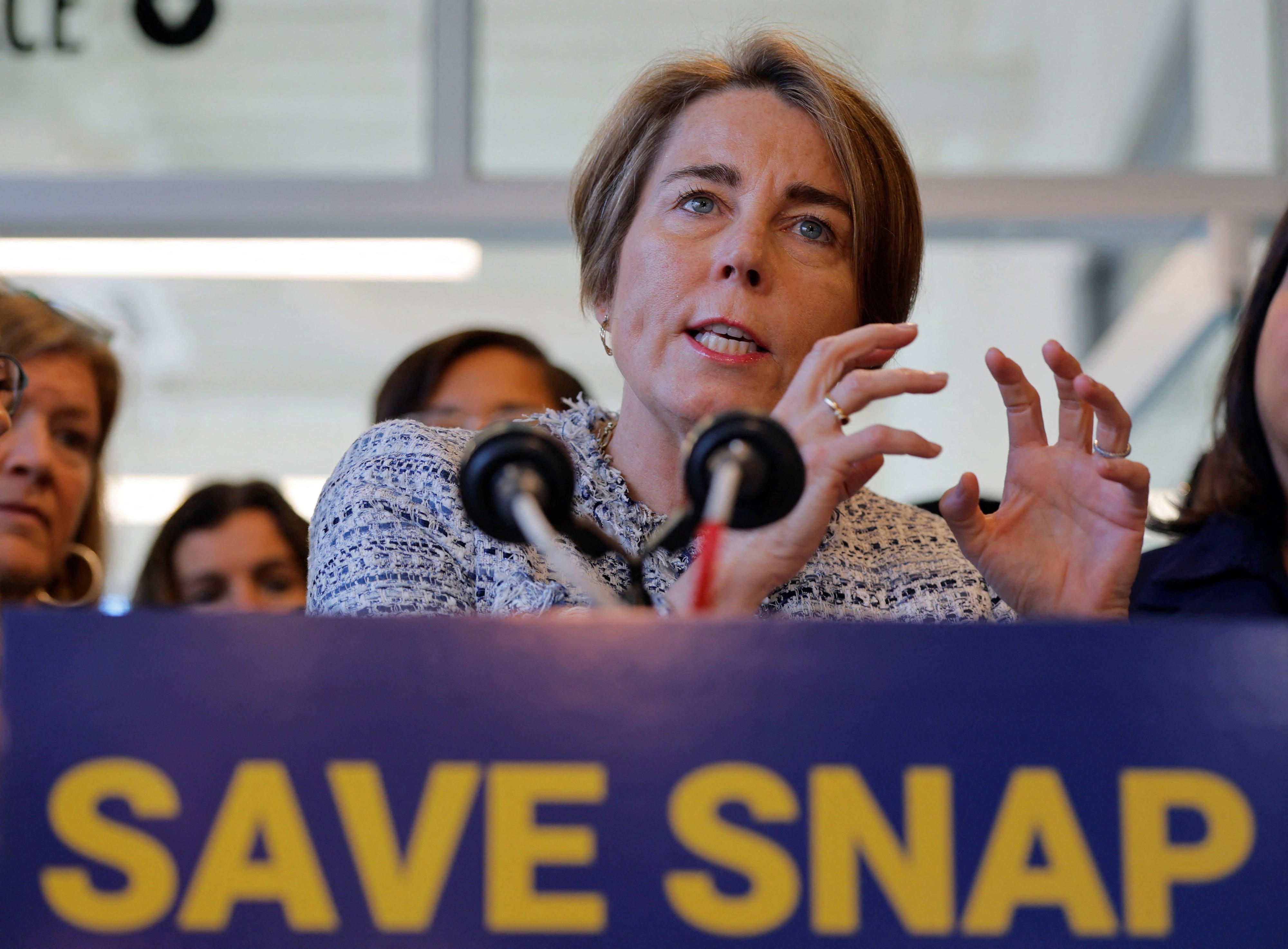
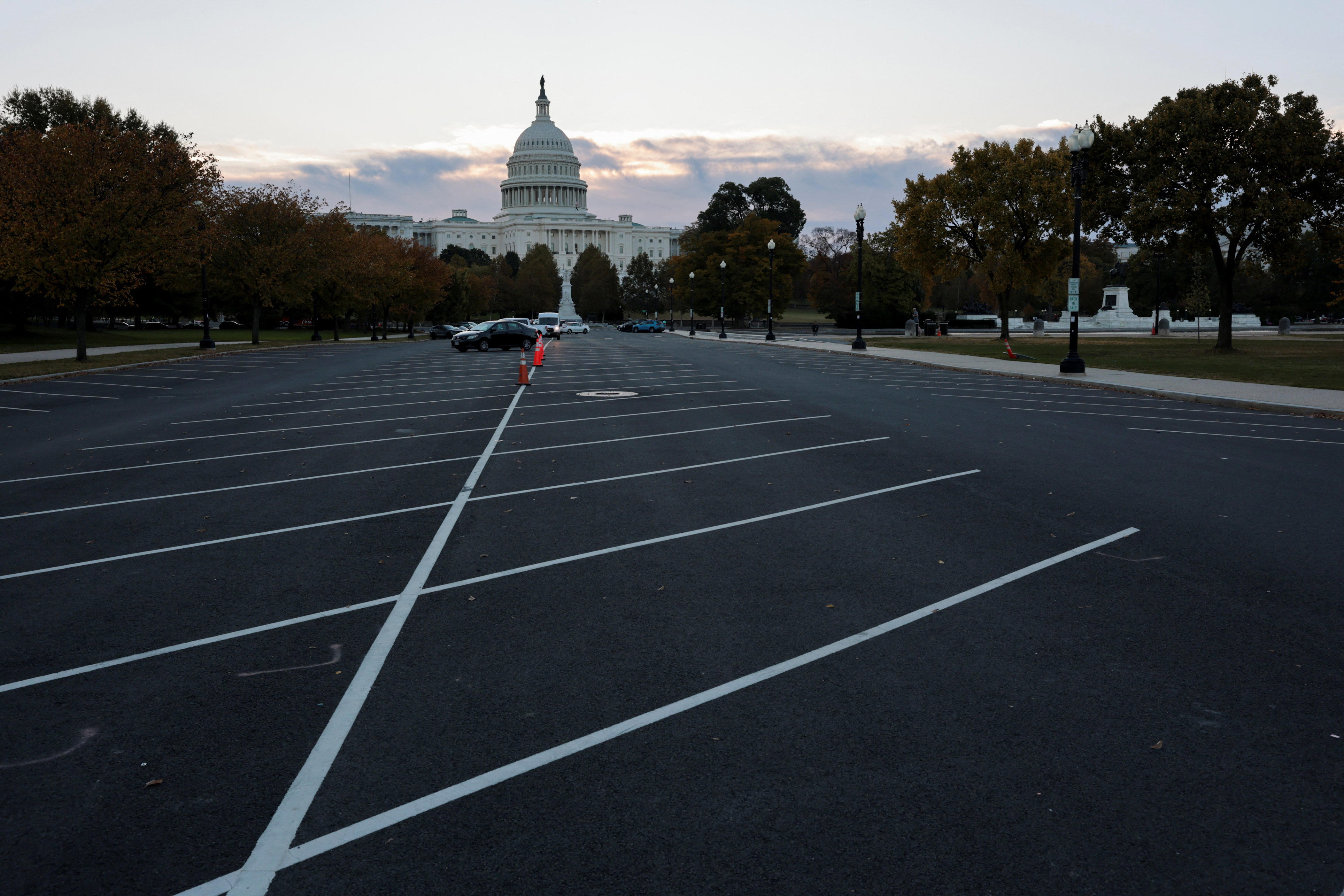
Washington, D.C. — A coalition of 25 Democratic governors and attorneys general have taken legal action to prevent the White House from terminating Supplemental Nutrition Assistance Program (SNAP) benefits on November 1 as the government shutdown enters its 28th day. The lawsuit, filed in Boston, argues that the impending cutoff of food aid is "contrary to law and arbitrary and capricious."
The Agriculture Department recently issued a memo stating that it cannot use contingency funds to support SNAP benefits, contradicting earlier guidance that suggested such funds were available "in the event that a lapse occurs in the middle of the fiscal year." If the shutdown continues, approximately 42 million Americans could lose their SNAP benefits.
"This is not just about money; it's about people who are struggling to feed their families," said New York State Attorney General Letitia James. "There is no excuse for this administration to abandon families who rely on SNAP as a lifeline."
USDA Secretary Clarifies Contingency Funds
Agriculture Secretary Brooke Rollins confirmed that the department does not have sufficient contingency funds to cover the $9.2 billion required for SNAP benefits in November. She emphasized that the emergency funds are not legally applicable for this purpose, despite previous guidance suggesting otherwise.
"The SNAP program in November costs $9.2 billion," Rollins stated. "We don't have the legal authority, as of today, to distribute anything less than that through the formulas, etcetera. We're obviously looking at all of this as we move forward."
Rollins also mentioned that the department has already used funds to maintain operations, including opening Farm Service Agency offices and paying food and safety inspectors. However, she stressed that the current financial situation is unsustainable.
Military Pay Remains Secure
Vice President JD Vance assured reporters that military members will receive their next paychecks despite the ongoing shutdown. "Will the troops get paid on Friday? Yes," Vance said. However, he did not provide details on the funding source for these payments.
This assurance comes amid growing concerns among military families, who are worried about their ability to cover basic expenses during the shutdown. Republican Representative August Pfluger highlighted the stress faced by military families, noting that they are concerned about paying rent, buying groceries, or putting gas in their cars while serving the country.
Political Stalemate Over Health Care
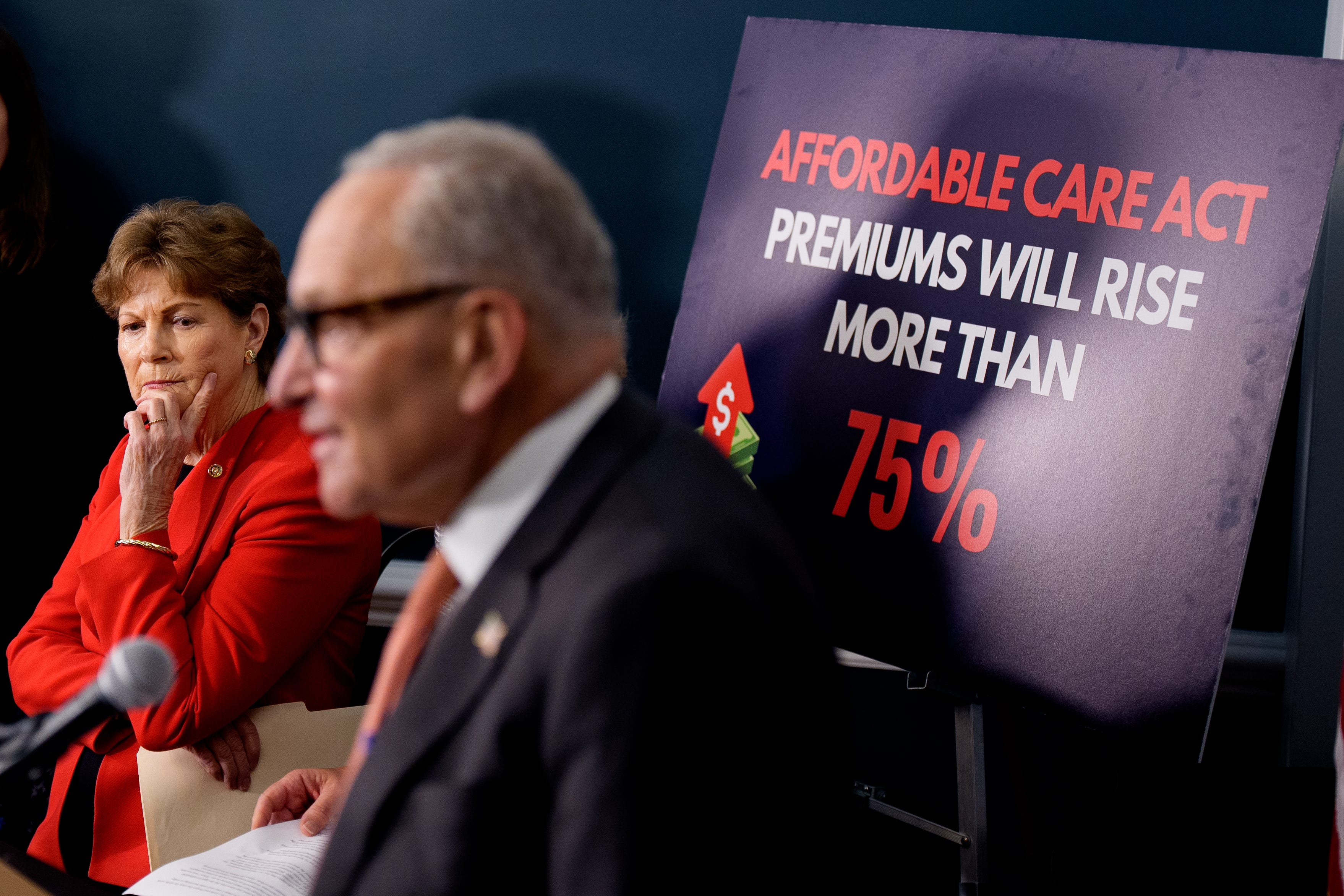
The shutdown has become a political battleground over health care policy. Senate Democrats have repeatedly blocked Republican-backed continuing resolutions, insisting that any government funding legislation must include an extension of Affordable Care Act (ACA) subsidies and reverse recent Medicaid cuts.
Republicans, however, have refused to negotiate on health care policy, arguing that such issues should be addressed after the shutdown ends. The impasse has led to significant uncertainty for millions of Americans who rely on ACA subsidies.
"Americans deserve a government that works as hard as they do," said Senate Minority Leader Chuck Schumer. "Not a leader that flies away from responsibility at the time they need one most."
Union Support for Ending the Shutdown
The American Federation of Government Employees (AFGE), the largest union of federal workers, has urged lawmakers to end the shutdown by passing a "clean" continuing resolution. AFGE President Everett Kelley called for immediate action to restore full pay for federal workers.
"This is a very stressful time for military families," said Pfluger. "Our enemies around the world want us to be divided."
Despite the pressure, Democrats remain firm in their stance, with Senate Majority Leader Chuck Schumer emphasizing the importance of extending ACA subsidies before the start of open enrollment in November.
Impact on Families and Communities
The potential loss of SNAP benefits affects more than 42 million Americans across 22 million households. According to the USDA, about 12% of the U.S. population relies on the program. Children account for nearly 39% of those receiving benefits, highlighting the critical role of SNAP in supporting vulnerable populations.
The average monthly benefit per person is $190.59, while households receive an average of $356.41. These figures underscore the significance of the program in providing essential food assistance to millions of families.
Ongoing Legal Challenges
The lawsuit filed by the states argues that the Trump administration's decision to suspend SNAP benefits violates the Food and Nutrition Act, which mandates that assistance be provided to all eligible households. The plaintiffs have asked the court to compel the USDA to use available contingency funds for November benefits.
As the legal battle unfolds, the fate of millions of Americans remains uncertain. With the shutdown entering its fourth week, the pressure on both parties to reach a compromise continues to mount.



Post a Comment for "Latest on government shutdown; states sue over SNAP cut-off"
Post a Comment