
"Lost Before Launch": The Montana-Class Battleship's Fate Was Sealed From the Start
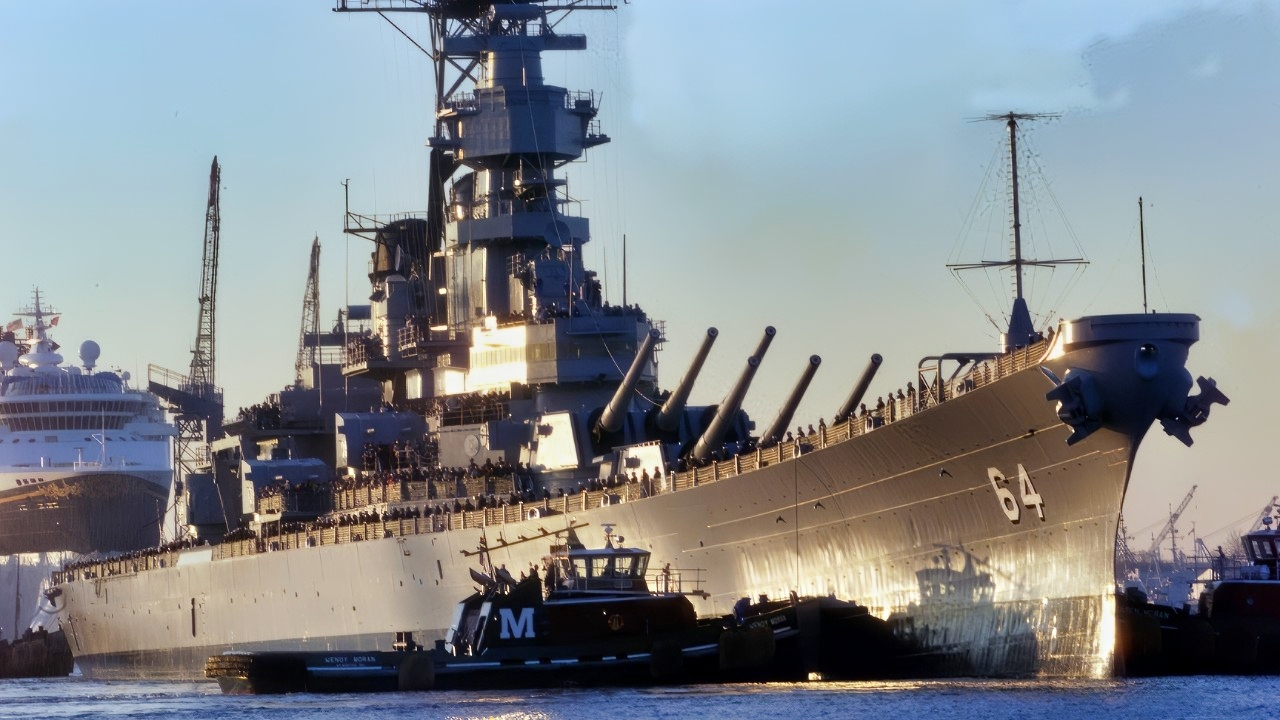
The Montana-Class: A Super Battleship That Never Sailed
The Montana-class battleships were a concept that never saw the light of day, yet they represent one of the most ambitious naval projects in U.S. history. Designed to be larger and more powerful than the Iowa-class, these ships were intended to dominate the seas during World War II and beyond. However, due to shifting priorities and the rise of airpower, the Montana-class was never built.
Key Features of the Montana-Class
- Size: The Montana-class would have been 33% larger than the Iowa-class, measuring 920 feet in length—roughly the size of a football field. This made them longer than the 860-foot-long Iowa-class.
- Displacement: Each ship would have displaced around 71,000 tons when fully loaded, making them heavier than the Iowa-class and even surpassing the last battleship ever built, the HMS Vanguard.
- Crew: With over 2,700 officers and enlisted personnel on board, the Montana-class would have had a crew comparable to that of a modern aircraft carrier.
- Armament: These battleships were planned to carry twelve 16-inch guns arranged in four three-gun turrets, which was three more than the Iowa-class.
Strategic Intentions
The Montana-class was part of the U.S. Navy’s “Two Ocean Navy” plan, which aimed to maintain a strong presence in both the Atlantic and Pacific Oceans. The goal was to counter Japan’s Yamato-class battleships, which were seen as a major threat. Five Montana-class ships were authorized, including the Montana (BB-67), Ohio (BB-68), Maine (BB-69), New Hampshire (BB-70), and Louisiana (BB-71).
However, by 1943, the focus of the U.S. Navy shifted away from battleships toward aircraft carriers, amphibious forces, and escort vessels. The slower speed of the Montana-class—only 28 knots—made it unsuitable for screening fast carrier groups, leading to the cancellation of the project.
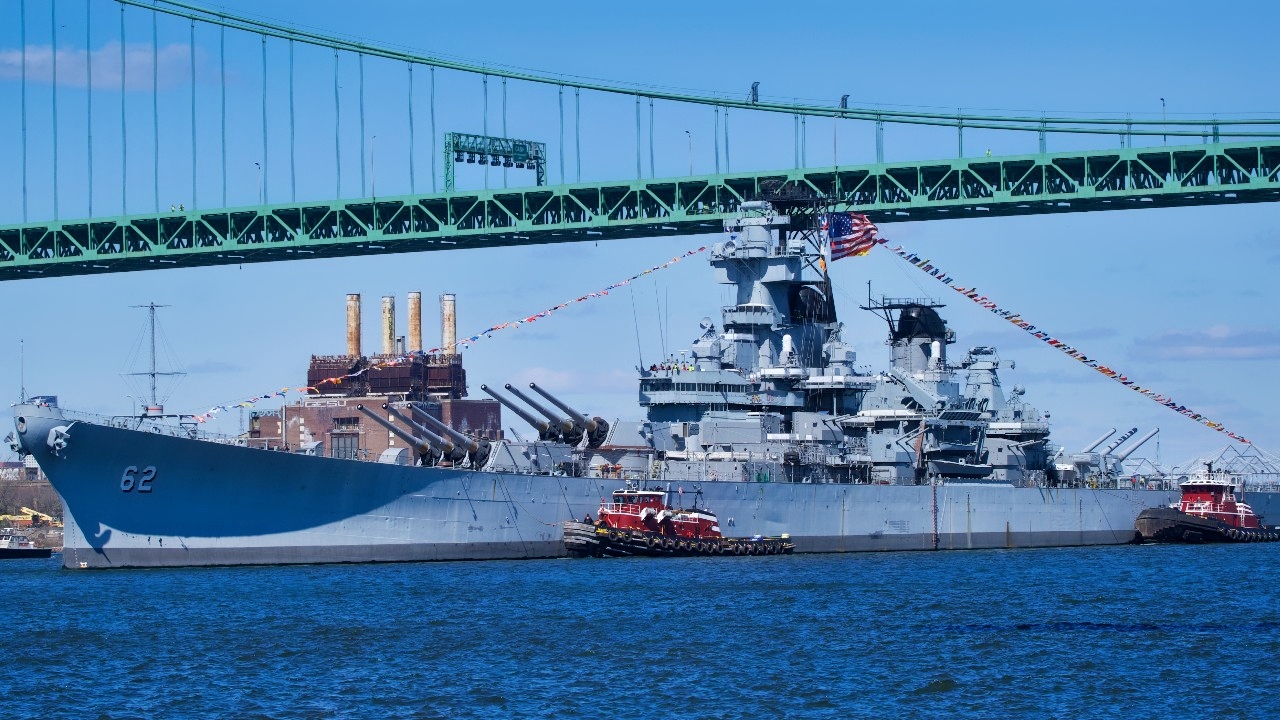
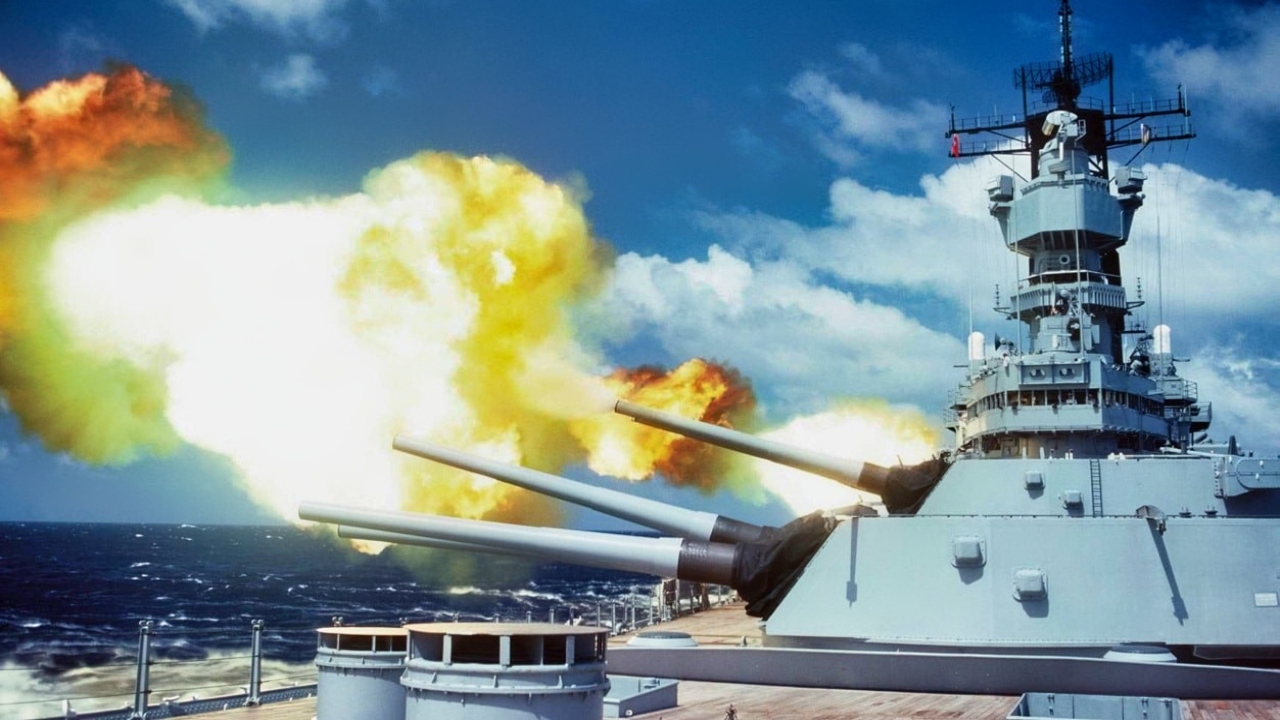
Alternate History Scenarios
In an alternate timeline where the Montana-class was built, these massive ships could have played a significant role in various conflicts:
- Pacific Theater: The Montana-class would have excelled at shore bombardment, providing critical fire support during the island-hopping campaigns. They could have also supported amphibious landings on the Japanese mainland.
- Korean and Vietnam Wars: If the ships had been built, they might have been deployed in Korea and Vietnam, offering overwhelming firepower against enemy forces. Their large guns would have been invaluable in destroying enemy infrastructure and supply lines.
- Cold War Deterrence: Two of the five Montana-class ships could have been stationed in the Atlantic to support NATO countries against the Soviet Union, serving as a powerful deterrent.
Despite their potential, the Montana-class faced several challenges. Their size and armor made them vulnerable to submarine attacks and Kamikaze strikes. Additionally, the rapid development of aircraft carriers and guided weapons rendered large-gun battleships increasingly obsolete.
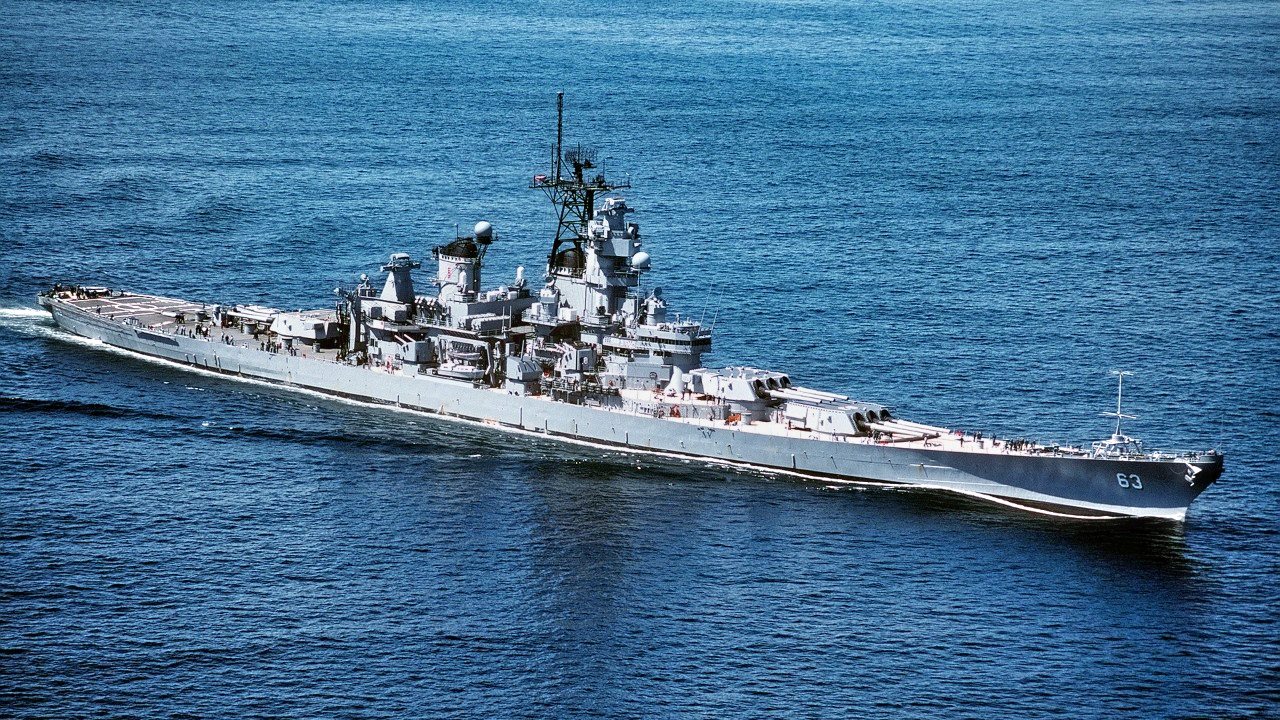
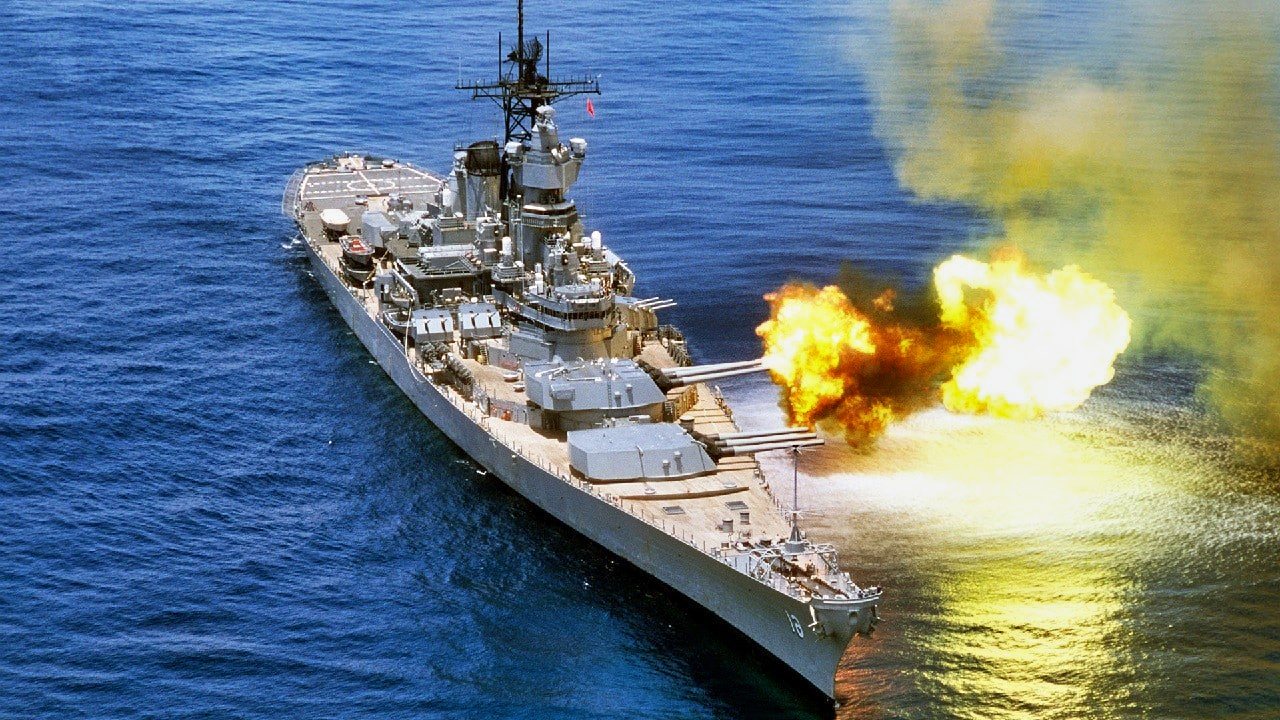
The End of the Battleship Era
By the end of World War II, the importance of battleships had diminished. The U.S. Navy realized that carriers and submarines were more versatile and effective in modern warfare. As a result, the Montana-class was never built, and the era of the battleship came to an end.
Had the Montana-class been constructed, they would have been the most powerful ships in the U.S. fleet. However, their design and capabilities were already outdated by the time they were planned to be built. The rise of airpower and the changing nature of naval warfare made it clear that the future of the navy lay with carriers and submarines, not with massive, slow-moving battleships.
Conclusion
The Montana-class represents a fascinating chapter in naval history—a vision of a super battleship that never came to fruition. While they may have offered significant advantages in certain scenarios, the shift in military strategy and technological advancements ultimately made them impractical. Today, the legacy of the Montana-class serves as a reminder of the evolving nature of warfare and the constant need for innovation in naval design.

Post a Comment for ""Lost Before Launch": The Montana-Class Battleship's Fate Was Sealed From the Start"
Post a Comment