
Map Reveals Top US States with Largest Health Insurance Premium Increases
Understanding the Surge in ACA Marketplace Premiums
Health insurers across the United States are proposing significant increases in premium rates for 2026 Affordable Care Act (ACA) marketplace plans, according to recent data from health policy research organizations. The proposed changes range from reductions of up to -10 percent to hikes as high as 59 percent. On average, the requested increases fall between 12 and 27 percent, according to the Health System Tracker, a collaborative effort by the Peterson Center on Healthcare and KFF.
Coleman Drake, a professor at the University of Pittsburgh's Department of Health Policy and Management, highlighted that these increases could lead to millions of marketplace enrollees becoming uninsured due to affordability issues. He emphasized that lower-income individuals, who are most sensitive to premium changes, will be disproportionately affected.
Factors Contributing to Rising Premiums
Several factors are driving the increase in health insurance premiums. One major contributor is the expiration of enhanced subsidies under the ACA, which has led to higher out-of-pocket costs for many. Inflation and rising labor costs also play a role, as healthcare providers seek higher reimbursement rates to cover increased staff expenses and ongoing challenges from the COVID-19 pandemic.
The growing demand for GLP-1 drugs, such as Ozempic and Wegovy, used for diabetes treatment and weight loss, has further increased prescription drug spending. These medications have become a significant expense for both insurers and consumers.
State-by-State Variations
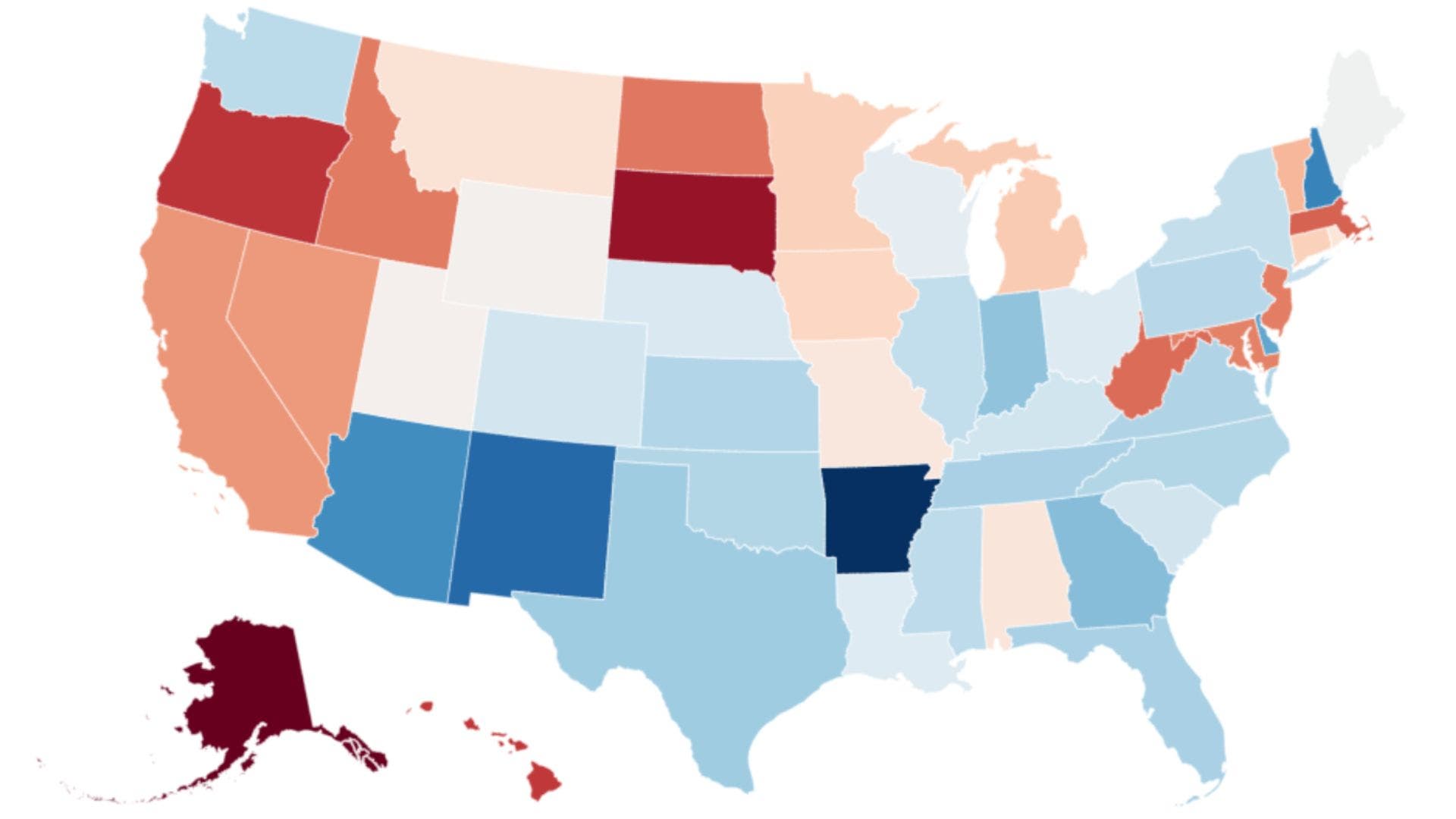
Arkansas has seen the highest proposed rate increases, with some plans requesting a staggering 59 percent hike. Paul Shafer, a professor at Boston University, noted that this is due to Arkansas making adjustments to cost-sharing reductions for lower-income enrollees and its unique ties between Medicaid expansion and Marketplace plans.
Other states with notable increases include New Mexico (53 percent), New Hampshire (50.1 percent), and Arizona (49 percent). Conversely, Alaska had the lowest proposed increase at 5.3 percent, followed by South Dakota (8.9 percent) and Oregon (12.5 percent).
Competition and Market Dynamics
While 125 health insurers proposed premium increases of at least 20 percent, four insurers actually suggested reductions. Pennsylvania, Kansas, Missouri, and Alaska were among the states where these decreases occurred. Ge Bai, a professor at Johns Hopkins Bloomberg School of Public Health, attributed this to greater competition in Pennsylvania's ACA marketplace and a robust state reinsurance program that helps stabilize premiums.
Drake explained that the variation in rate changes is due to uncertainty in the policy environment and the expiration of expanded premium subsidies. This uncertainty has led some insurers to pull out of the marketplaces or raise premiums to offset potential losses.
Impact on Enrollees
Jonathan Gruber, an economics professor at MIT, pointed out that the level of competition on the exchanges and state efforts to manage premiums are key factors in the differences observed. States with active management and strong competition tend to see lower premium increases.
Approximately 92 percent of ACA marketplace enrollees in 2025 receive subsidies, which typically shield them from premium increases. However, the expiration of enhanced premium tax credits in 2026 could lead to significant increases in out-of-pocket costs for many.
Perspectives from Experts
Drake warned that the expiration of enhanced subsidies could result in millions of people losing coverage, particularly those with lower incomes. He also noted that some insured individuals might switch to less generous plans, increasing their risk of catastrophic medical expenses.
Shafer added that insurers must account for various factors, including rising healthcare costs, provider consolidation, and the use of expensive medications like GLP-1s. He emphasized that those without subsidies will bear the full cost of their plans, while those with financial assistance will still face higher premiums.
Bai highlighted the impact on individuals with incomes above 400 percent of the federal poverty level, who currently benefit from subsidies. If these subsidies expire, they may seek more affordable alternatives, such as high-deductible plans or other innovative models.
What’s Next?
Premiums for ACA marketplace plans are expected to rise significantly in 2026, though the extent of the increase will vary by state and plan. As the situation unfolds, it remains crucial for policymakers and insurers to address the challenges posed by rising costs and ensure continued access to affordable healthcare.

Post a Comment for "Map Reveals Top US States with Largest Health Insurance Premium Increases"
Post a Comment