
Nutritionists' 7 Unhealthy Foods to Skip
The Hidden Truth Behind Trendy Health Foods
In today’s world, food marketing has become a highly sophisticated industry, often making it difficult to distinguish between genuinely healthy options and products that are merely marketed as such. While grocery store aisles are filled with items promising wellness, nutrition experts tend to be more cautious about what they actually choose to consume.
When you take a closer look at these so-called health foods, a different story emerges. Professionals who study nutrition have developed a keen sense of which products should be avoided, even when they’re advertised as beneficial.
Ultra-Processed Protein Bars and Shakes
All four nutrition experts agree that ultra-processed protein bars and shakes should be left behind in 2024, especially those containing artificial sweeteners and inflammatory ingredients. These convenient grab-and-go options may seem like a good choice for health, but they often contain more additives than actual nutritional value.
These products are typically loaded with artificial ingredients or high in sugar. Whole food sources of protein are generally better for your body. The problem goes beyond just artificial sweeteners; many protein products undergo extensive processing that strips away natural nutrients while adding preservatives, stabilizers, and flavor enhancers.
Industrial formulations can trigger inflammation in sensitive individuals and often leave people feeling hungry again shortly after consumption. Instead of reaching for a brightly packaged protein bar, nutritionists recommend alternatives like hemp seed powder or organic, grass-fed whey protein mixed into smoothies with real fruits and vegetables.
These options provide cleaner protein without the chemical cocktail.
Diet Sodas and Artificial Sweeteners
One expert shared that they stopped drinking diet soda over ten years ago, concluding that they didn’t need a daily dose of artificial ingredients. They now prefer water and plant-based beverages instead.
This sentiment reflects growing concern among nutrition professionals about the long-term effects of artificial sweeteners on our bodies. It’s advisable to avoid overusing sugar alcohols and artificial sweeteners, as they can cause gastrointestinal distress and may not be as healthy as perceived.
Recent research has also linked artificial sweeteners to changes in gut bacteria and potential impacts on glucose metabolism. Some studies suggest possible connections between artificial sweetener consumption and cognitive changes, though more research is needed to confirm these findings.
The irony is striking: products designed to help people avoid sugar may be creating entirely different health challenges. Many nutritionists now prefer sparkling water with fresh fruit or herbal teas over artificially sweetened beverages.
Raw Milk
One of the most concerning food trends in recent years is the idea that drinking raw milk is healthier than consuming pasteurized milk. This trend has gained traction on social media, but nutrition experts remain deeply concerned about the health risks.
Pasteurization exists for crucial safety reasons. Raw milk can harbor dangerous bacteria such as E. coli, Salmonella, and Listeria, which pose serious risks, especially for pregnant women, young children, and immunocompromised individuals. The process of pasteurization preserves most nutritional benefits while eliminating potentially deadly pathogens.
While raw milk proponents claim benefits like better nutrient absorption and improved gut health, scientific evidence supporting these claims remains limited. The potential risks far outweigh any theoretical benefits, making this one food trend that nutritionists universally advise against.
Reduced-Fat Peanut Butter
Many of my clients are surprised to learn that reduced-fat peanut butter is not necessarily a healthier option. This seemingly healthy swap often backfires nutritionally, replacing beneficial fats with added sugars and artificial fillers.
Natural peanut butter provides healthy monounsaturated fats that help with satiety and nutrient absorption. When manufacturers remove these fats, they often compensate with sugar, corn syrup, or other refined carbohydrates to maintain palatability.
The result is a product with less nutritional value than the original. Quality peanut butter should contain only peanuts and perhaps a small amount of salt. The oil separation that occurs naturally is actually a sign that you're getting the real thing, not an industrially processed substitute.
Fat-Free Whipped Toppings
The one food I would never eat is fat-free whipped topping. I find it tastes like the artificial ingredients it is made of. If I want a creamy dessert topping, I use a small dollop of fresh whipped cream.
These artificial toppings contain a laundry list of ingredients including hydrogenated oils, high fructose corn syrup, and various stabilizers and emulsifiers. They provide empty calories with no nutritional benefit while potentially disrupting hormone function through synthetic additives.
Real whipped cream, used in moderation, offers actual dairy nutrition including vitamin A and calcium. Greek yogurt mixed with a touch of honey provides another natural alternative that adds protein and probiotics to desserts.
Pre-Made Smoothies
Those colorful bottled smoothies lining refrigerated cases appear to be liquid vegetables and fruits, but nutritionists know better. Most commercial smoothies contain astronomical amounts of sugar, often exceeding what you'd find in sodas, while providing minimal fiber since the fruit has been processed into juice.
The pasteurization process required for shelf stability destroys many of the vitamins and enzymes that make fresh fruits and vegetables valuable. Additionally, many brands add fruit concentrates, which are essentially sugar syrups derived from fruit.
Making smoothies at home allows complete control over ingredients. Nutritionists recommend using whole fruits, leafy greens, protein sources like Greek yogurt or protein powder, and healthy fats from sources like avocado or nut butter for better nutritional balance and blood sugar stability.
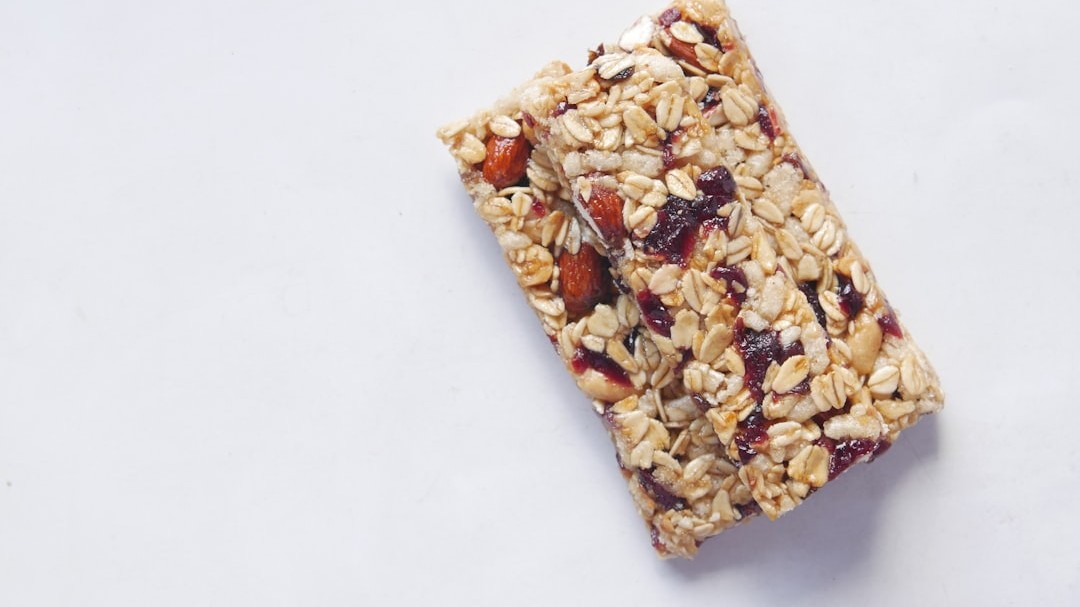
Granola and Granola Bars
The health halo surrounding granola has persisted for decades, but many commercial versions are nutritional disasters disguised as wholesome breakfast options. Examples of additives commonly used in UPFs include high-fructose corn syrup, hydrogenated oils, sodium nitrite, and artificial dyes.
Many granolas contain these exact ingredients. A typical serving of store-bought granola can contain as much sugar as a dessert, often in the form of multiple sweeteners including honey, brown sugar, and corn syrup. The "clusters" that make granola appealing are typically held together with oils and sweeteners, creating calorie bombs that provide little satiety.
Granola bars present similar issues, often containing more sugar than protein or fiber. They have no fiber, protein, or healthy fat. I always imagine a bag of pretzels as the same thing as a big bag of jelly beans.
Flavored Yogurts
While plain Greek yogurt earns praise from nutritionists for its protein and probiotic content, flavored varieties often tell a different story. Many contain more sugar per serving than ice cream, along with artificial colors, flavors, and thickeners that diminish the health benefits.
The fruit pieces in many yogurts are often candy-like preparations, preserved in sugar syrup rather than providing fresh fruit nutrition. Artificial flavors replace real fruit extracts, while added colors make the product visually appealing but nutritionally questionable.
Plain yogurt with fresh berries, a drizzle of honey, and perhaps some nuts provides the same satisfaction with significantly more nutrition and fewer additives. This approach allows you to control sugar content while maximizing probiotic benefits.

Post a Comment for "Nutritionists' 7 Unhealthy Foods to Skip"
Post a Comment