
Opinion: Sports Betting's Worst May Be Ahead — and the Feds Should Worry
The Dark Side of Sports Betting and the Temptation to Lose
When I was a child, the Pete Rose scandal dominated the news. How could someone who represented baseball as a symbol of integrity bet on games? In class, one student tried to justify it by saying, “He may have bet on baseball, but he never bet against the Reds.” This excuse has been used by Rose supporters for years, even after his death.
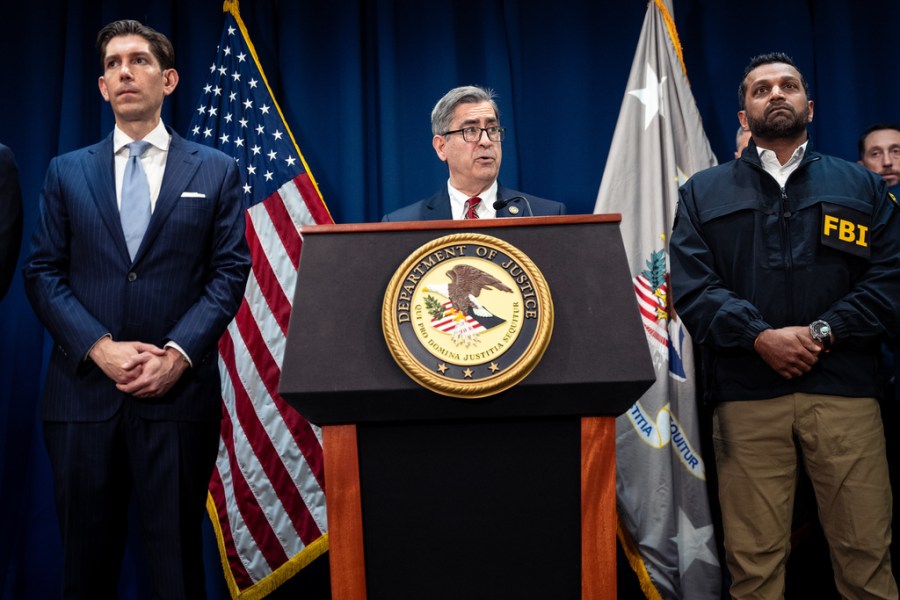
In light of the recent NBA betting scandal that shook the sports world, I found myself revisiting this argument. I’m not trying to tarnish the memory of a fallen athlete, but Rose, Chauncey Billups, Terry Rozier, and others involved in sports betting all face the same temptation. It’s far easier to bet on yourself to lose than to bet on yourself to win.
When playing poker with friends, you always bet on yourself to win. That’s the whole point of the game — the thrill of taking your friends’ money. Similarly, when you go into a casino, you don’t expect the house to win. You know the house always wins, but you hope to prove that old adage wrong. You bet on whether you can make a basketball shot, get the highest grade on a test, jump the highest, or run the fastest.
But professional athletes approach betting differently. NBA legend Charles Barkley had a heated exchange with his co-host Kenny Smith about the recent scandal. Smith suggested it was due to gambling addiction, while Barkley called it “stupidity.” The truth is, the motive behind the gambling doesn’t matter. The underlying reason is always the same: it's profitable.
You can't control whether you succeed, but you can control whether you fail. And that’s exactly what sports betting opens the door to. It incentivizes athletes to fail. It’s harder to knock out an opponent, but easier to get knocked out. It’s harder to hit a home run, but easier to strike out. It’s harder to stop a hockey puck, but easier to let one by you.
And don’t even get me started on field goals in football.
When sports betting was legalized, the government focused on how much revenue it could generate. However, lawmakers and bureaucrats can’t eliminate the temptation for athletes to fix outcomes for gamblers.
Anyone who has placed a sports bet recently knows that it’s not just about wins and losses or covering points. There are thousands of prop bets each week across all sports, focusing on individual achievements or failures. Athletes can be pressured to play a certain number of minutes, miss a set amount of shots, have a certain number of turnovers, or fail in any other way.
These prop bets are incredibly profitable for sports books, as they create more opportunities for betting and increase revenue. A simple Google search on Sunday morning revealed that even major outlets like ESPN publish articles on the best NBA prop bets for the day. The NBA has embraced sports betting partnerships, and shows like “Inside the NBA” regularly discuss betting lines.
When there’s money to be made, athletes start wondering how they can also profit. Many question why athletes earning millions would bet for just a few extra dollars. Well, you can never be too rich, and easy money is hard to turn down.
For athletes not at the top of their salary scale, the temptation to make money by failing becomes stronger.
Let’s look at college football. We’re in an era where players can earn money from their name, image, and likeness, and enter transfer portals. The transfer portal, which is similar to free agency, is now happening during the season, and there are no regulations preventing tampering.
A running back at State U might receive a call from a booster at another school offering a lot of money to switch colleges. If State U is in the playoffs, do you really trust that running back to try to win, or to protect himself for a bigger paycheck next season?
Now imagine adding prop bets to the mix. In a dormitory, there might be an impoverished kicker watching his quarterback, running back, and wide receivers get paid handsomely. When the team faces its rival, the kicker checks his phone and sees that there’s a lot of money to be made if he misses a key field goal. His teammates will still get paid, but so will he.
If he isn’t already motivated to fail, there are plenty of individuals ready to persuade him.
We were all captivated by the story of the Five Families of the New York Mafia being involved in these scams. But as anyone paying attention knows, bettors have repeatedly confronted pro and college athletes after losing money. Who’s to say that extortion threats or blackmail won’t play a role here?
This belief led sports organizations to adopt a zero-tolerance policy toward gamblers. George Steinbrenner, the late owner of the New York Yankees, was banned from baseball in 1990 for associating with a gambler (later overturned). Mickey Mantle and Willie Mays were punished for working with casinos. Members of the infamous Black Sox team, involved in fixing the 1919 World Series, were banned for life. There was a time when merely being associated with gamblers could end a career.
We haven’t even scratched the surface of betting scandals. Tighter regulation is needed—not just on how much money the government can take from sports betting, but on the types of bets people can place. Fair play and integrity are at stake. The last thing we need is people deluding themselves into thinking players would never bet against themselves, even if the odds suggest otherwise.

Post a Comment for "Opinion: Sports Betting's Worst May Be Ahead — and the Feds Should Worry"
Post a Comment