
Pivotal Moments That Shaped American Culture
Historical Moments That Changed American Culture
America’s culture has been shaped by pivotal events across politics, music, technology, and social movements. Each generation has experienced transformative moments that redefined how Americans understand themselves and their place in the world. From foundational documents that established the nation’s ideals to social movements that expanded those ideals to previously excluded groups, from technological breakthroughs that changed communication to national tragedies that tested resilience, American culture has been continuously reshaped by events that forced society to confront its values and adapt.
These defining moments didn’t occur in isolation. Instead, they built upon each other, with the ideals proclaimed in 1776 eventually leading to expansions of rights and freedoms that the founders couldn’t have imagined. These historical moments didn’t just make headlines and fade from memory; they permanently reshaped the way Americans live, think, and connect, creating lasting changes in laws, institutions, social norms, and the very conception of what it means to be American.
The Declaration of Independence (1776)
The Declaration of Independence, adopted on July 4, 1776, established the foundational ideals of liberty and self-governance that would define American identity for centuries. The document’s assertion that “all men are created equal” and possess “unalienable Rights” including “Life, Liberty, and the pursuit of Happiness” created a revolutionary framework that challenged 18th-century hierarchical assumptions.
While the founders themselves owned slaves and denied rights to women, Native Americans, and those without property, the Declaration created a rhetorical framework that made it increasingly difficult to justify those exclusions. It provided language that future movements would invoke when demanding justice. The Declaration’s influence extends far beyond its immediate political purpose, shaping how Americans understand themselves as individuals and as a nation.
The Emancipation Proclamation (1863)
The Emancipation Proclamation, issued by President Abraham Lincoln on January 1, 1863, redefined freedom in America and began dismantling slavery. While the Proclamation’s immediate legal effect was limited, its symbolic impact was enormous, transforming the Civil War into a war about human freedom. The Proclamation led to nearly 200,000 Black men serving in Union forces, demonstrating their commitment to liberty and challenging racist assumptions about Black inferiority.
The Proclamation laid the groundwork for civil rights movements that would continue for more than a century, creating expectations of freedom and equality that the nation struggled to fulfill. The end of slavery didn’t mean the end of racial oppression, as Reconstruction’s brief progress was followed by Jim Crow segregation, disenfranchisement, and violence. However, the Proclamation and subsequent constitutional amendments created frameworks that later movements could invoke when demanding justice.
Women’s Suffrage (1920)
The 19th Amendment, ratified on August 18, 1920, granted women the right to vote after decades of organizing by suffragists who endured ridicule, arrest, and violence in pursuit of political equality. The amendment’s statement that voting rights shall not be “denied or abridged by the United States or by any State on account of sex” represented the culmination of a movement that began at the Seneca Falls Convention in 1848.
The suffrage movement forced Americans to confront fundamental assumptions about gender roles and political participation. The shift in gender roles and political representation following women’s suffrage extended far beyond voting, influencing labor force participation, education, family structures, and cultural representations of women. While winning the vote didn’t immediately transform women’s status, it established the principle of women’s political equality and created a foundation for future advances.
World War II and the “Greatest Generation” (1940s)
World War II, lasting from 1939 to 1945 with American involvement beginning in December 1941, transformed the United States from a nation recovering from the Great Depression into the world’s dominant military and economic power. The war united Americans across regional, ethnic, and class lines in a common cause against fascism, creating a sense of national purpose and shared sacrifice.
More than 16 million Americans served in the military, while those on the home front participated in rationing and industrial production that transformed the economy. Women entered the workforce in unprecedented numbers, with “Rosie the Riveter” symbolizing women’s contribution and challenging traditional assumptions about women’s roles. The post-war economic boom and cultural optimism that followed victory created prosperity that shaped American culture for decades.
The Vietnam War and Counterculture (1960s-70s)
The Vietnam War, lasting from the early 1960s through 1975, sparked distrust in government and mainstream values that fundamentally altered American political culture. Unlike World War II, Vietnam was controversial from the beginning, with many Americans questioning why the United States was fighting in a former French colony’s civil war. The war was the first televised conflict, with nightly news broadcasts bringing images of combat and casualties into American living rooms.
The revelation of government deception about the war’s progress and incidents like the My Lai massacre destroyed many Americans’ trust in official statements. The draft disproportionately affected working-class and minority Americans, creating resentment that undercut claims of national unity. The war gave rise to youth rebellion, protests, and new cultural movements that challenged not just the war but broader assumptions of mainstream society.
The Civil Rights Act (1964)
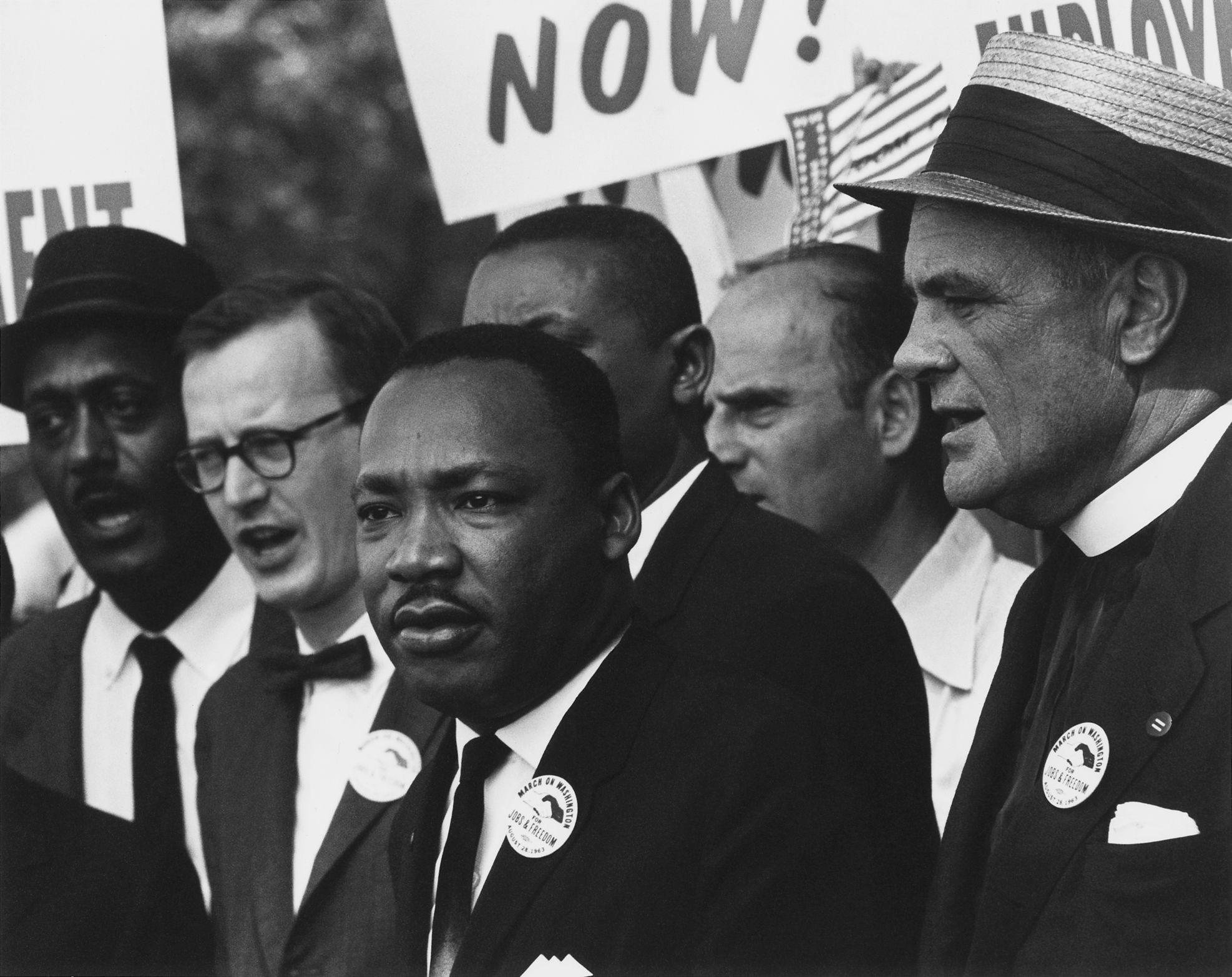
The Civil Rights Act of 1964 represented landmark legislation against segregation and discrimination, outlawing discrimination based on race, color, religion, sex, or national origin. The Act, signed by President Lyndon B. Johnson on July 2, 1964, was the culmination of decades of civil rights activism, including the Montgomery Bus Boycott, sit-in movements, Freedom Rides, and the March on Washington.
The Act had a profound influence on race relations and equality, though it didn’t eliminate racism or create instant equality. The Act dismantled the legal framework of Jim Crow segregation, making it illegal to refuse service based on race and giving the federal government tools to enforce desegregation. The employment discrimination provisions created the Equal Employment Opportunity Commission and opened job opportunities that had been closed to minorities and women.
The Stonewall Riots (1969)
The Stonewall riots, which occurred over several nights starting June 28, 1969, when LGBTQ+ patrons of the Stonewall Inn in New York City’s Greenwich Village fought back against a police raid, served as a catalyst for the LGBTQ+ rights movement. Before Stonewall, gay rights organizing was cautious and modest, with groups focusing on education and advocating for tolerance.
The decision to fight back represented a turning point where LGBTQ+ people refused to accept second-class status and instead asserted their right to exist openly and demand equal treatment. Stonewall shifted LGBTQ+ culture toward visibility and advocacy in ways that transformed American society’s treatment of sexual and gender minorities. Over subsequent decades, the movement achieved remarkable progress, including the removal of homosexuality from psychiatric classification, the passage of anti-discrimination laws, the elimination of sodomy laws, and the recognition of same-sex marriage rights.
#MeToo Movement (2017)
The #MeToo movement, which exploded into public consciousness in October 2017 when allegations against Harvey Weinstein sparked a wave of women sharing experiences of sexual harassment and assault, represented a cultural reckoning with gender, power, and workplace harassment. While activist Tarana Burke had used “Me Too” since 2006, the hashtag went viral in 2017 when actress Alyssa Milano encouraged women to share their experiences, leading to millions posting #MeToo.
The movement led to the downfall of powerful men across entertainment, media, business, and politics, demonstrating that behavior long tolerated would no longer be accepted. The #MeToo movement changed conversations about accountability by making clear that powerful men could no longer rely on their positions to silence victims and that institutions tolerating harassment would face public outcry.
The Birth of Rock ‘n’ Roll (1950s)
The birth of rock ‘n’ roll in the 1950s, pioneered by artists including Elvis Presley, Chuck Berry, and Little Richard, broke racial and generational barriers while reshaping American pop culture. Rock ‘n’ roll emerged from the synthesis of African American musical traditions, including blues and R&B, with country influences, creating a new sound that was more energetic and youth-oriented.
Rock ‘n’ roll reshaped pop culture by creating music specifically for teenagers, establishing youth as a distinct market with tastes separate from adult preferences. The music broke down racial barriers by introducing white teenagers to Black artists and musical traditions, with integrated concerts and radio playlists challenging segregation. The moral panic around rock ‘n’ roll, with critics claiming it promoted juvenile delinquency and sexual promiscuity, only made it more attractive to teenagers seeking independence from adult authority.
The Moon Landing (1969)
The moon landing on July 20, 1969, when Apollo 11 astronauts Neil Armstrong and Buzz Aldrin walked on the lunar surface, served as a symbol of innovation and exploration that captured humanity’s imagination. The achievement fulfilled President Kennedy’s 1961 pledge to land a man on the moon before the decade ended, which required enormous resources and solved countless engineering problems.
The moon landing represented the culmination of the Space Race with the Soviet Union, and Armstrong’s first step was watched by an estimated 600 million people worldwide, creating a moment of global unity and wonder. The moon landing sparked fascination with science and technology, inspiring young people to pursue STEM careers and generating public enthusiasm for space exploration.
The Rise of the Internet and Social Media (1990s-2000s)
The rise of the Internet and social media has transformed communication, community, and cultural identity as profoundly as the printing press or telephone did. The Internet was commercialized in the 1990s, with user-friendly web browsers making it accessible to ordinary people. Early Internet culture developed around forums and chat rooms where people connected around shared interests, regardless of geography.
Social media emerged in the 2000s with platforms like MySpace, Facebook, Twitter, and later Instagram and TikTok, creating new ways to share information, maintain relationships, and present themselves to others. The shift from local to global culture accelerated as the Internet allowed people to connect worldwide and access information from any culture. This had both positive effects and adverse effects, including the decline of local institutions, creation of echo chambers, spread of misinformation, and unprecedented power for technology companies.
September 11, 2001
September 11, 2001, when terrorists hijacked four commercial airplanes and crashed them into the World Trade Center, the Pentagon, and a Pennsylvania field, shaped American patriotism, security policies, and unity while creating a lasting cultural impact. The attacks killed nearly 3,000 people, making it the deadliest terrorist attack in history, and the images were broadcast live, creating shared trauma.
The immediate aftermath saw remarkable unity and patriotism, with Americans across political divides coming together in grief and determination. First responders, particularly the 343 firefighters who died, were celebrated as heroes. The attacks’ lasting impact included fundamental changes in American life and politics, with the creation of the Department of Homeland Security, the passage of the Patriot Act with expansive surveillance powers, the implementation of invasive airport security, and the militarization of police.
COVID-19 Pandemic (2020-2022)
The COVID-19 pandemic, which became a global crisis in 2020, redefined work, health, and community life while accelerating digital culture and social change. The virus spread globally with shocking speed, leading to lockdowns, business closures, and social distancing measures. In the United States, the pandemic killed over 1 million people while many millions more suffered serious illness and long-term health effects.
The pandemic exposed and exacerbated existing inequalities, with poor people, racial minorities, and elderly people experiencing higher rates of severe disease. The political response became deeply partisan, with debates over masks, lockdowns, and vaccines becoming markers of political identity. The pandemic accelerated changes already underway while forcing sudden adaptations, with remote work becoming standard for millions practically overnight.
Conclusion
Each of these moments represents not just history but cultural turning points that fundamentally altered how Americans understood themselves and their country. The Declaration established ideals that the nation has struggled to fulfill. The Emancipation Proclamation began dismantling slavery, but left incomplete the work of achieving racial equality. Women’s suffrage expanded democracy, but didn’t eliminate gender inequality. World War II created unity but papered over domestic tensions. Vietnam shattered the consensus. The Civil Rights Act dismantled legal segregation but didn’t eliminate racism. Stonewall launched LGBTQ+ rights movements. #MeToo created accountability. Rock ‘n’ roll broke racial barriers. The moon landing inspired technological optimism. The internet connected people globally, but fragmented shared culture. September 11 united Americans briefly, but led to controversial wars. COVID-19 forced sudden adaptations while exposing deep inequalities.
American culture continues to evolve, shaped by both triumphs and struggles, with each generation confronting defining moments that reshape how future Americans live, think, and connect. The current era features its own transformative events, including the Black Lives Matter movement, the January 6 Capitol attack, the overturning of Roe v. Wade, and climate change challenges. Understanding the historical moments that changed American culture provides context for current struggles and reveals patterns: progress often requires sustained organizing, advances frequently trigger backlash, and American culture’s evolution has always involved tension between stated ideals and lived reality, between unity and division, between progress and resistance to change.

Post a Comment for "Pivotal Moments That Shaped American Culture"
Post a Comment