
Pocatello's Plan to Bring Sidewalks and Sewers to Southern Neighborhoods
Pocatello Aims to Transform South Fifth Avenue Corridor with Urban Renewal Plan
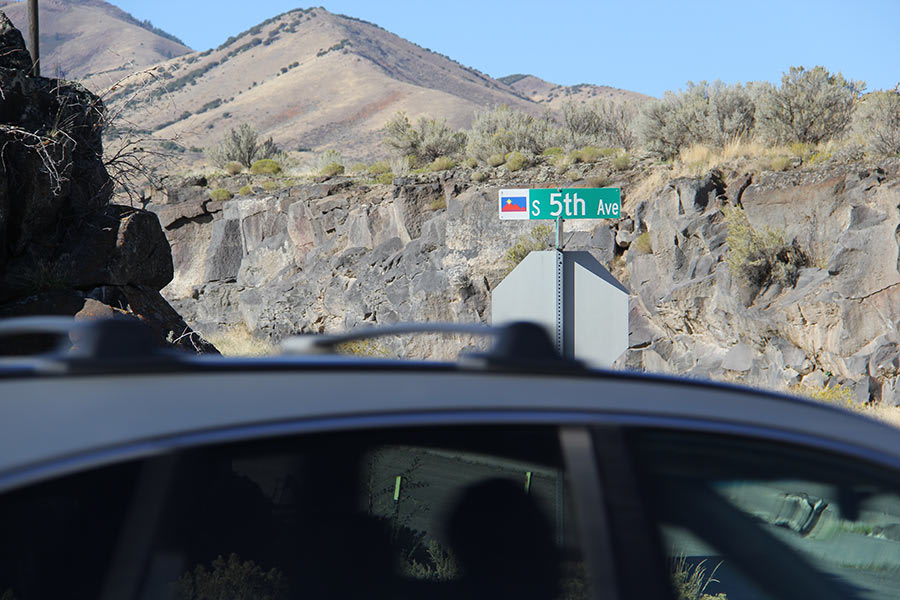
Pocatello, Idaho, is taking steps to address the long-standing infrastructure challenges in its South Fifth Avenue Corridor. The city and Bannock County officials are working on a proposed urban renewal plan that could bring much-needed improvements to the area, including sidewalks, better pedestrian crossings, and enhanced utilities.
On October 2, Pocatello Mayor Brian Blad and Bannock County Board of Commissioners Chair Jeff Hough announced a joint work session focused on the South Fifth Avenue Corridor's potential for development. The initiative aims to transform the corridor from an underdeveloped area into one with improved recreation spaces, connected water systems, and safer streets for pedestrians and cyclists.
Brent McLane, director of the Pocatello Development Authority, highlighted the interest from developers in the corridor. However, he noted that many have been deterred by the high costs associated with infrastructure development. "We want them to invest in our community, and this (urban renewal project) is one of the only tools we have in the state to help," McLane said.
The next step in the process involves a public hearing scheduled for November 20, where the city council will consider public input before voting on whether to approve the plan.
Current Challenges in the South Fifth Avenue Corridor
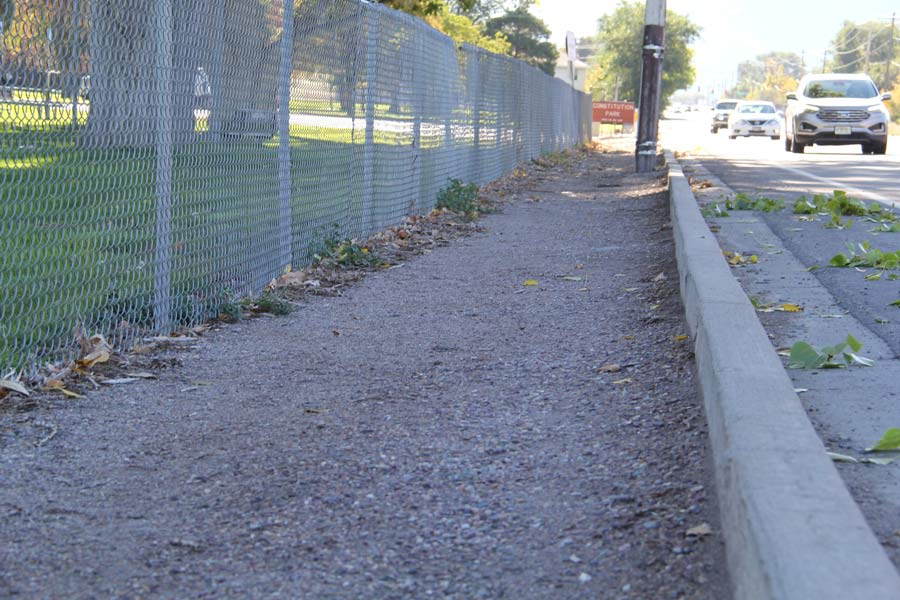
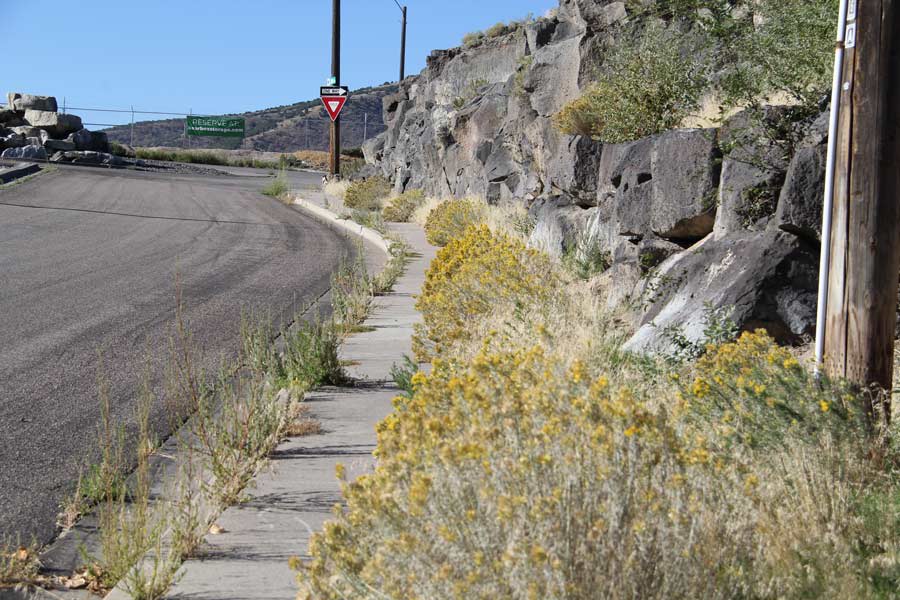
Currently, the corridor faces several infrastructure shortcomings. The road lacks sidewalks south of Samuel Street, and pedestrians have limited options to cross the road safely. There are only two designated crossing points: one at Jason Avenue and another at the intersection of South Fifth Avenue and South Valley Road.
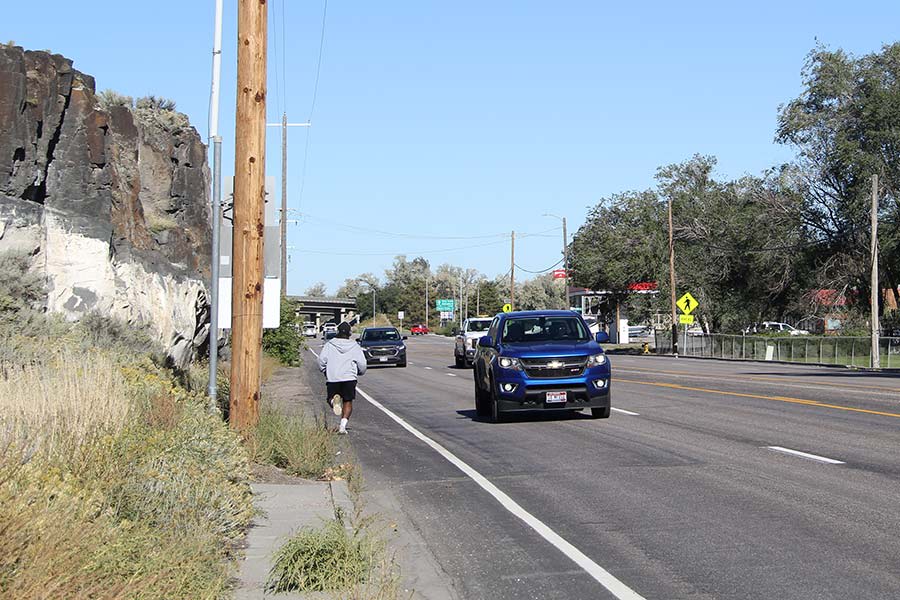
Despite these issues, the corridor is home to multiple residential neighborhoods, government buildings, and commercial spaces. However, most people use the area by car, and some residents still walk or jog along the road’s shoulders.
On October 7, Onyedika Anih, a recent resident of the corridor, was out for his first jog along South Fifth Avenue. He noted that while he didn’t feel directly threatened by traffic, he felt unsafe due to the proximity of vehicles. "I would feel more comfortable if there were sidewalks," Anih said.
Infrastructure Barriers to Development
Beyond the lack of sidewalks and safe crossings, the corridor also struggles with outdated utility systems. According to the planning document for the South Fifth Avenue Urban Renewal Project, new developments are hindered by the need for upgrades to water and wastewater facilities.
McLane explained that current development opportunities are limited, with self-storage units being one of the few viable options. "You could throw a bunch of storage units out there, but that doesn’t help the city, really," he said. "It doesn’t create tax value. It doesn’t create services. It ends up being an economic hole."
He added that developers are less likely to invest in areas requiring significant infrastructure improvements. "If we could get those infrastructure improvements, then you could have a large shopping complex or business parks that might be beneficial to the community," McLane said.
Tax Increment Financing (TIF) District
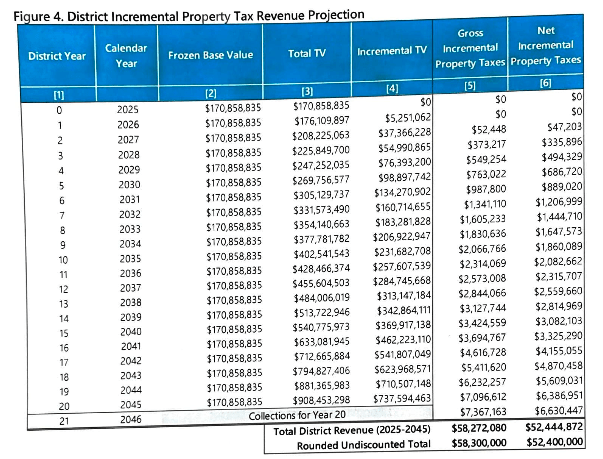
To fund the necessary infrastructure improvements, the urban renewal plan includes a Tax Increment Financing (TIF) district. This system freezes the base tax value of properties within the district, directing additional tax revenue toward specific projects.
Residents within the proposed TIF district had the option to opt out, and some did. However, McLane noted that most of those who opted out did not plan to sell or develop their properties, so the impact on the district is minimal.
Blad clarified that TIF districts do not increase property taxes. "They’re going to continue to pay the same amount. They just are not participating in the upgrades of the system," he said.
McLane further explained that the TIF itself does not raise taxes. "What increases taxes is when people invest in their property and it becomes worth more," he said. For example, a vacant lot would pay the same taxes regardless of TIF status, but once developed, the increased value would generate additional tax revenue if the property is within the district.
Phased Implementation and Funding Challenges
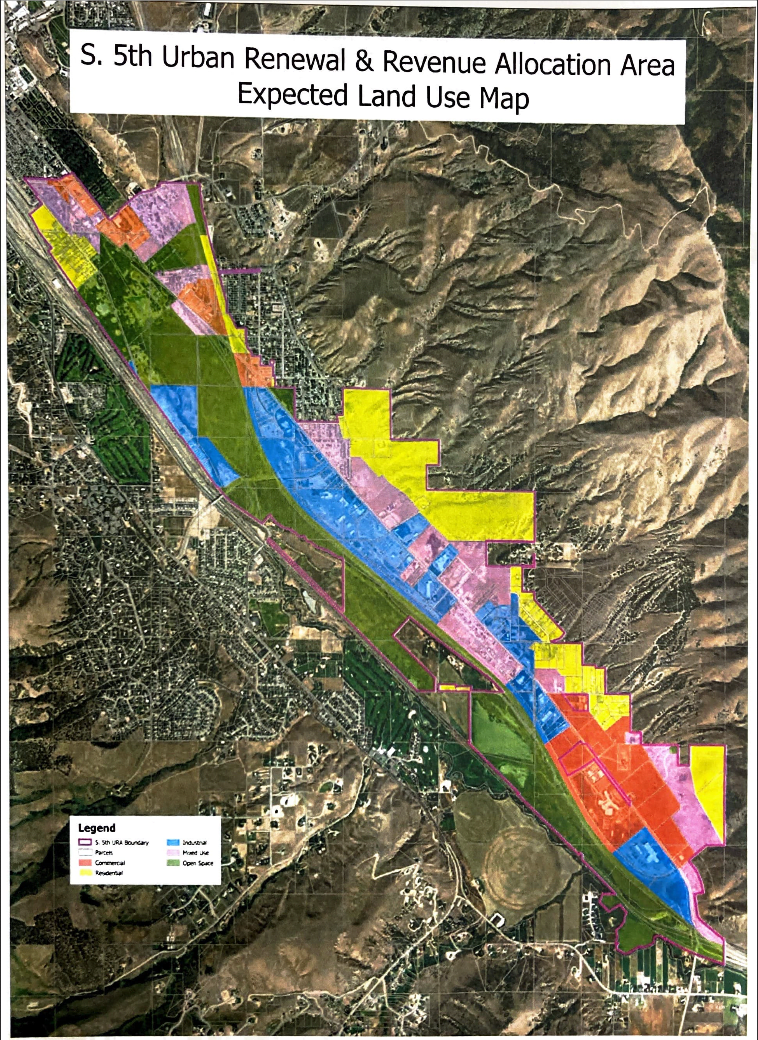
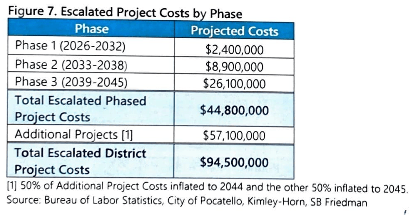
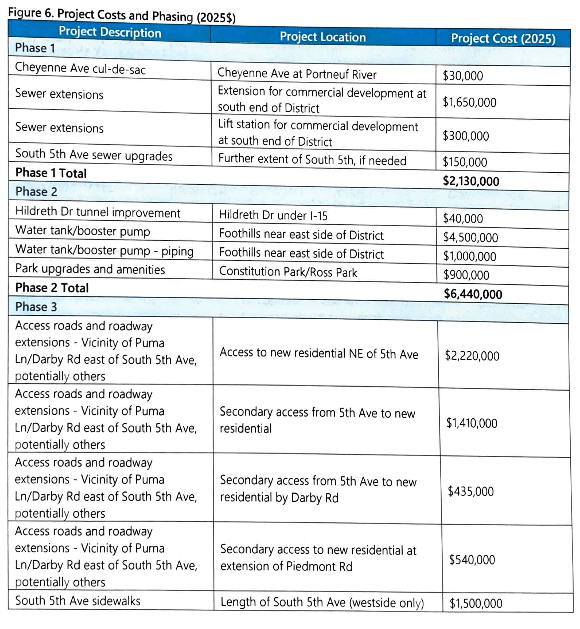
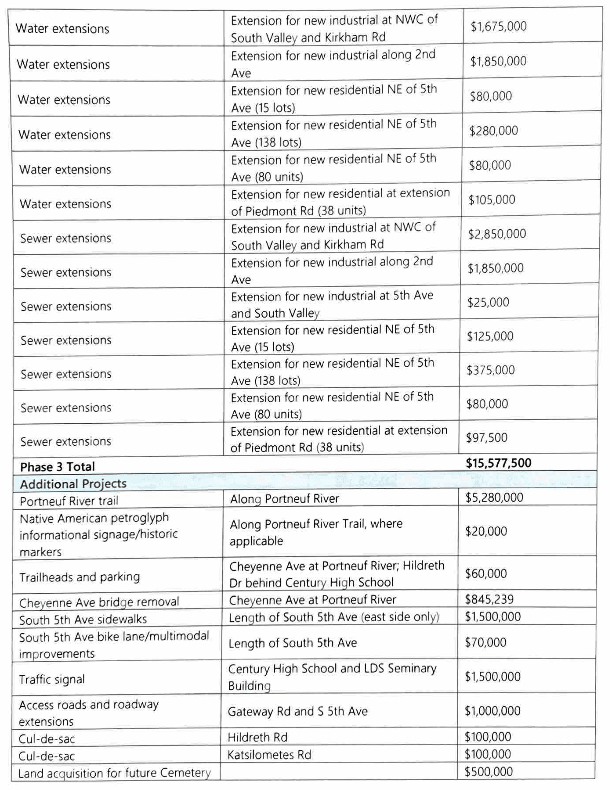
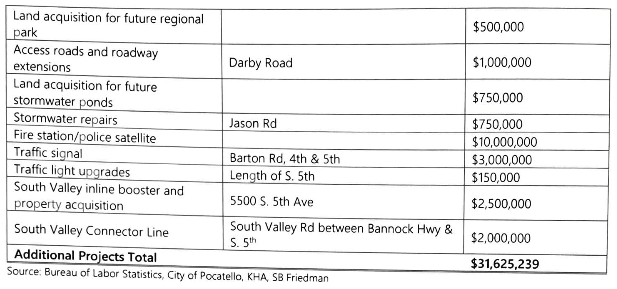
The urban renewal plan is structured in three phases, which would take approximately 20 years to complete if approved. However, recent funding setbacks have complicated the timeline.
In May, The News Pulse reported that the city had two federal grants totaling $17.4 million canceled by their awarding agencies. These funds were intended for infrastructure improvements in the South Fifth Corridor. The Environmental Protection Agency cited a shift in administrative priorities as the reason for the cancellation.
The loss of these grants has forced the city to include previously planned projects into the urban renewal schedule. As a result, the ability to fund "Additional Projects" may be limited.
"We would have been able to jump into Phase Three and the additional projects right away," McLane said. "It’s a big hit for the potential growth of the community."
Planned Projects for the South Fifth Avenue Corridor
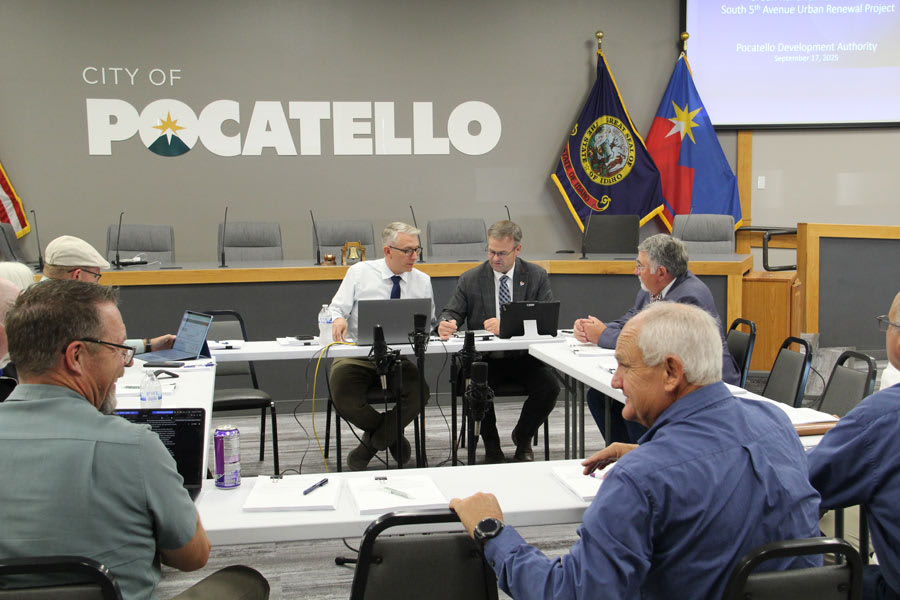
Below are the key projects outlined in the urban renewal plan:
- Phase One: Installation of sidewalks, improved street lighting, and the creation of safe pedestrian crossings.
- Phase Two: Upgrades to water and wastewater systems to support future development.
- Phase Three: Expansion of recreational spaces, including parks and community centers.

Post a Comment for "Pocatello's Plan to Bring Sidewalks and Sewers to Southern Neighborhoods"
Post a Comment