
Putin retaliates against Trump over 'unfriendly' sanctions
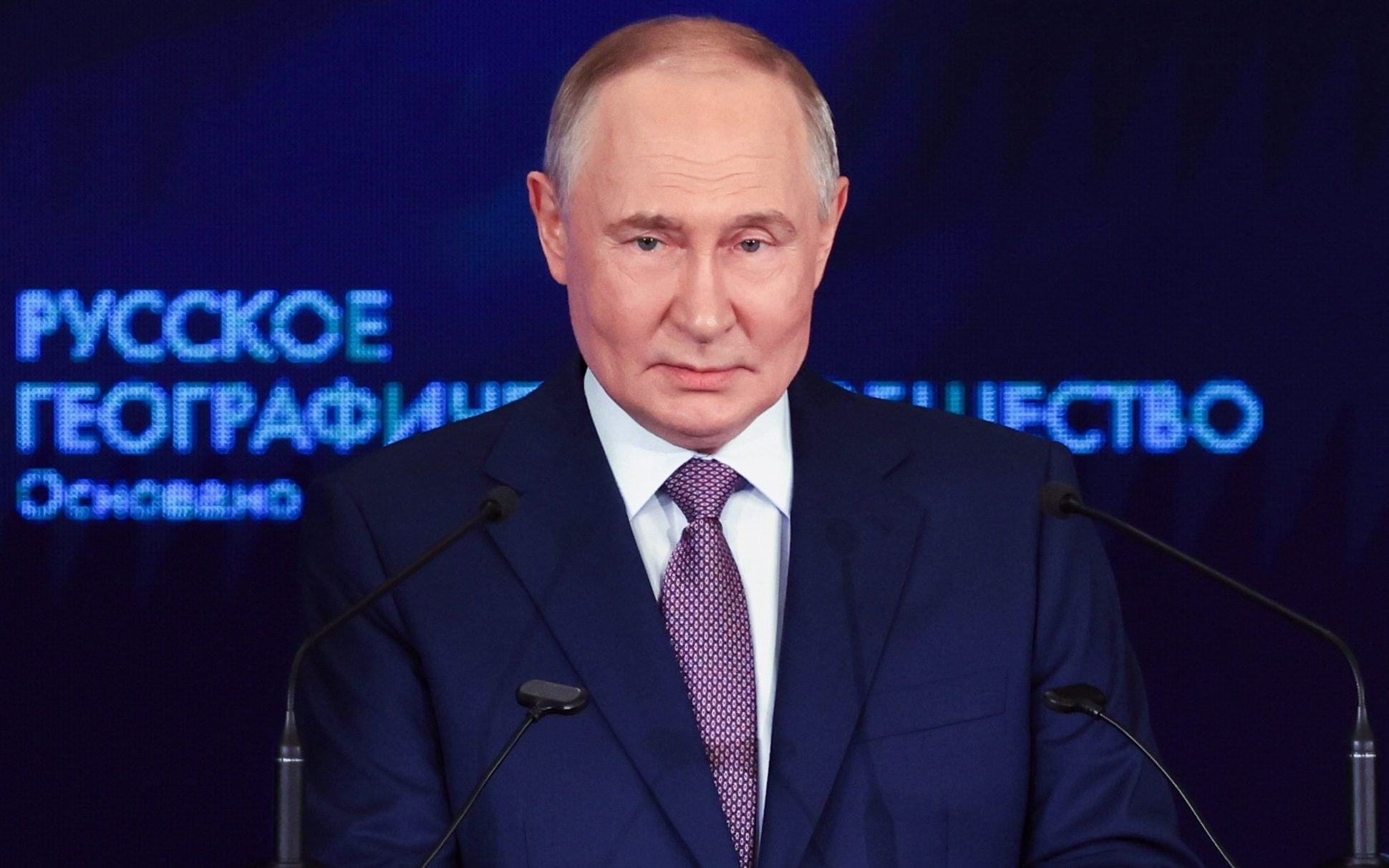
Russian President Vladimir Putin Responds to U.S. Sanctions on Oil Giants
Vladimir Putin has responded to the recent U.S. sanctions on Russia’s oil industry, calling the move an “unfriendly act.” The U.S. president announced these measures against two major Russian companies, Rosneft and Lukoil, which are central to funding the war in Ukraine through their crude exports.
In a speech to the Russian Geographical Society, Putin claimed that the U.S. sanctions would not significantly impact the Russian economy, stating that global markets would need time to adjust. However, analysts from The Telegraph argue that this is not the case, suggesting that the Russian market is now "diminished."
The punitive actions taken by Trump mark the first of his presidency and come shortly after he canceled plans for a meeting with Putin in Budapest to discuss ending the war in Ukraine. In response, four Chinese state-owned oil companies have suspended purchases of Russian seaborne oil. Additionally, Indian refineries have indicated they will reduce imports of Russian crude to comply with the new sanctions.
If these cancellations become permanent, Moscow could face a significant economic setback, marking a victory for Trump’s sanctions strategy. Analysts caution that China's decision might be temporary, as the country may find a workaround eventually. China currently imports about 1.4 million barrels of Russian oil per day by sea, primarily through small independent operators known as "teapots," who might continue purchasing supplies after assessing the impact of the sanctions.
“Teapots” previously defied Western sanctions by buying Iranian oil. However, the sanctions are expected to create lasting challenges for the Kremlin by complicating trade with its two largest customers.
Greg Newman, CEO of Onyx Capital Group, noted that the strategy mirrors Trump’s approach against Iran, which he believes will be effective. He argued that the Russian market is no longer as robust as it was in 2022, where oil could be rerouted easily.
Tom Keatinge, director of the Centre for Finance and Security at the Royal United Services Institute, highlighted that China's decision poses serious challenges for Russia. He mentioned that countries like China are reconsidering their purchases of Russian oil due to the risk of further sanctions from the U.S.
Timothy Ash, associate fellow at Chatham House, warned that the Putin regime might need to raise taxes further, potentially leading to a cycle of lower revenues, slower growth, and increased budgetary pressure.
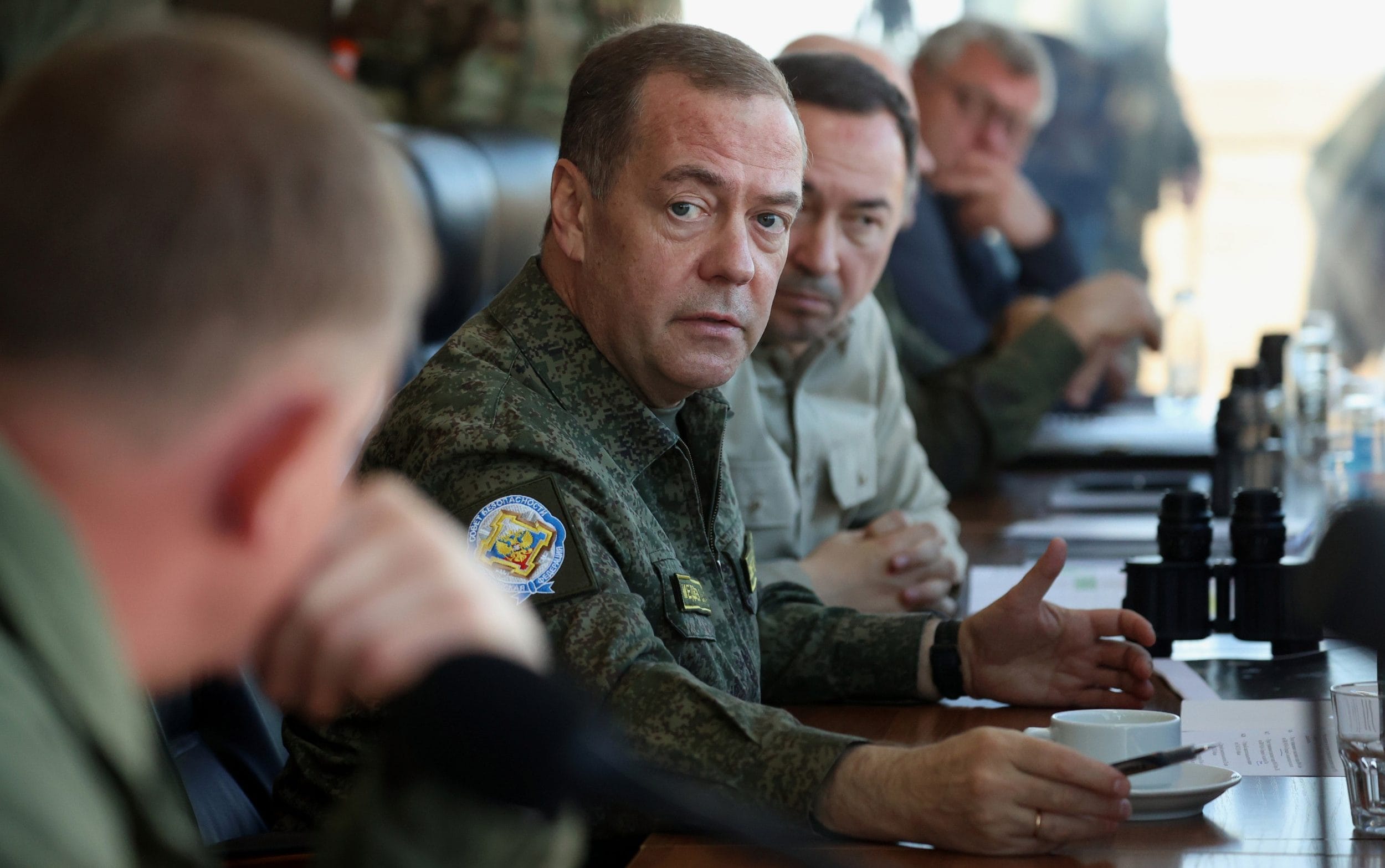
Former Russian president Dmitry Medvedev criticized Trump for putting the U.S. on a “warpath” with Moscow by imposing the sanctions and canceling the summit with Putin. Medvedev, often acting as the Kremlin’s attack dog, accused Trump of aligning with “loony Europe.”
The European Union also announced new sanctions, including a phased ban on imports of liquefied natural gas rather than an immediate cut-off.
EU Considers Loan to Ukraine Using Frozen Russian Assets
On Thursday, German Chancellor Friedrich Merz expressed confidence that European leaders would proceed with loaning Ukraine €140 billion using frozen Russian assets, despite objections from Belgium. Merz acknowledged Belgian concerns but remained optimistic about moving forward.
The EU also imposed new travel restrictions on Russian diplomats in the Schengen Zone and prohibited another 117 ships in Russia’s shadow fleet from accessing EU ports. These ships are part of a clandestine armada that transports oil in violation of Western sanctions.
Trump’s decision to impose sanctions marks a shift in his relationship with Putin, who has frustrated the president’s efforts to capitalize on the ceasefire in Gaza with a deal in Ukraine. Trump stated that the sanctions were intended to push Putin back to the negotiating table, hoping for a resolution to the conflict.
Mark Rutte, NATO secretary general, emphasized that the move aims to “change the calculus” by increasing pressure on the Kremlin. He joined Trump at the White House after presenting a 12-point peace plan drawn up by European leaders.
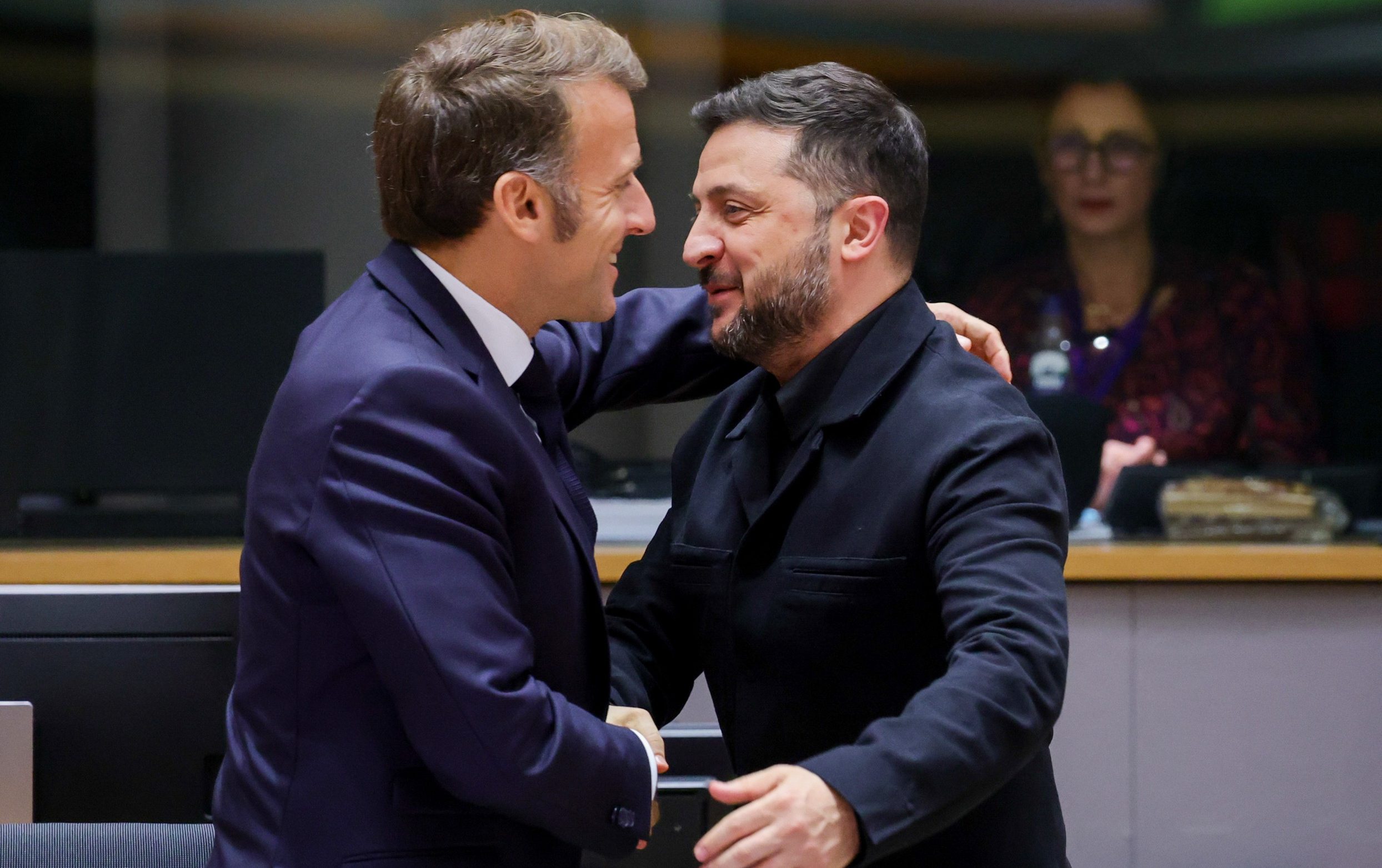
Volodymyr Zelensky, Ukraine’s president, praised the U.S. and EU measures at a summit of European leaders, discussing support for his war-torn country. He attributed the sanctions to his recent meeting with Trump, highlighting the outcomes of the discussions.
Challenges in Financing Ukraine Through Frozen Assets
Belgium threatened to block plans for the €140 billion loan to Ukraine using frozen Russian assets. Belgium’s prime minister, Bart de Wever, vowed to oppose the loan unless EU member states agreed to share the financial risk.
Most frozen Russian central bank assets in Europe are held by Euroclear, a Belgium-based clearing house. Belgium fears potential liability if the value of the seized assets must be repaid to Moscow.
At the summit, German Chancellor Friedrich Merz reiterated his confidence in moving forward with the scheme, despite sharing concerns with his Belgian counterpart. Yvette Cooper, the Foreign Secretary, welcomed the sanctions, emphasizing the need to cut off the oil and gas revenues fueling Putin’s illegal war.
Diplomatic Tensions and Future Meetings
Last Thursday, Trump announced plans to meet Putin in Hungary, sparking diplomatic activity. However, the meeting was canceled after Russia refused to accept an end to the war along the current front line.
In the Oval Office, Trump confirmed the summit had been canceled, expressing frustration over the lack of progress in talks with Putin. Marco Rubio, the Secretary of State, stated that the U.S. remains interested in a meeting with Russia.
Dmitry Peskov, the Kremlin’s spokesman, mentioned that plans for a summit are still being arranged.

Post a Comment for "Putin retaliates against Trump over 'unfriendly' sanctions"
Post a Comment