
She's an Environmental Toxicologist in an Amazing Van
The mRAPiD Van: A Mobile Solution for Air Quality Monitoring in Disaster Zones
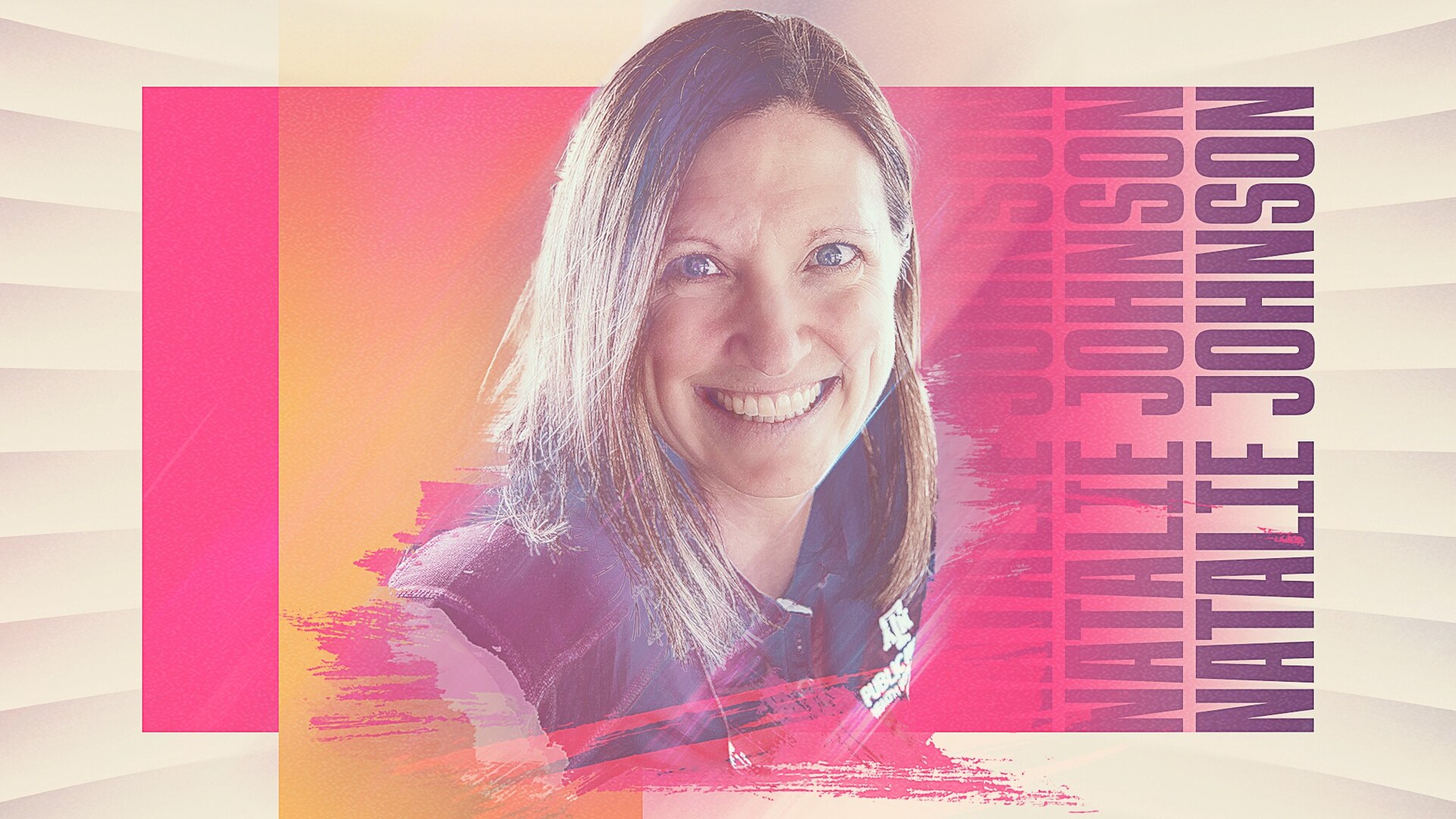
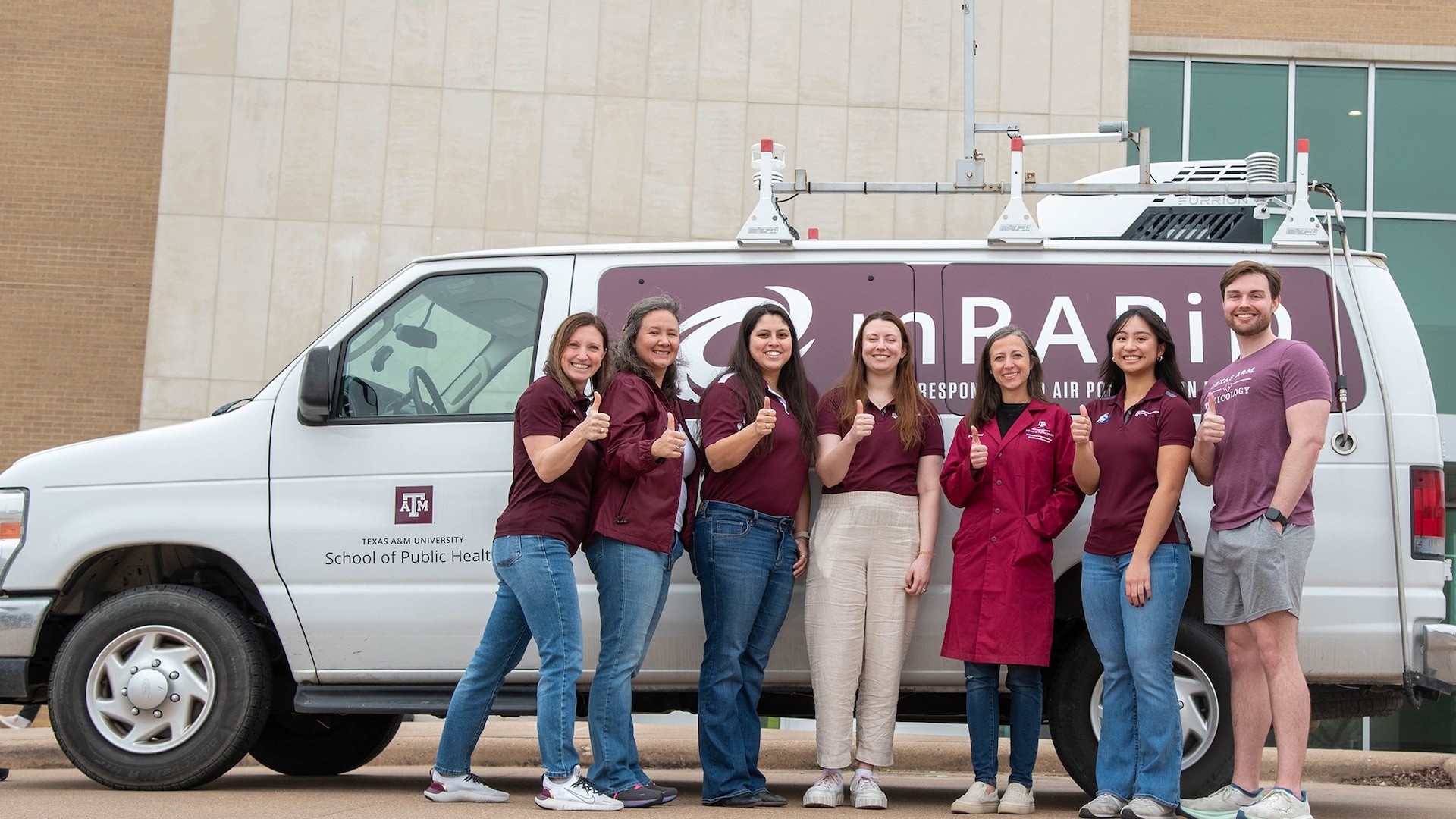
Natalie Johnson, an associate professor and chair of the toxicology interdisciplinary program at Texas A&M University, has taken a unique approach to addressing environmental health concerns. Her work involves using a specialized van equipped with a mass spectrometer to monitor air quality in disaster areas. This vehicle, known as the mRAPiD (Mobile Responding to Air Pollution in Disasters) van, is designed to collect real-time data on air pollutants, providing critical information that can help communities understand the risks they face.
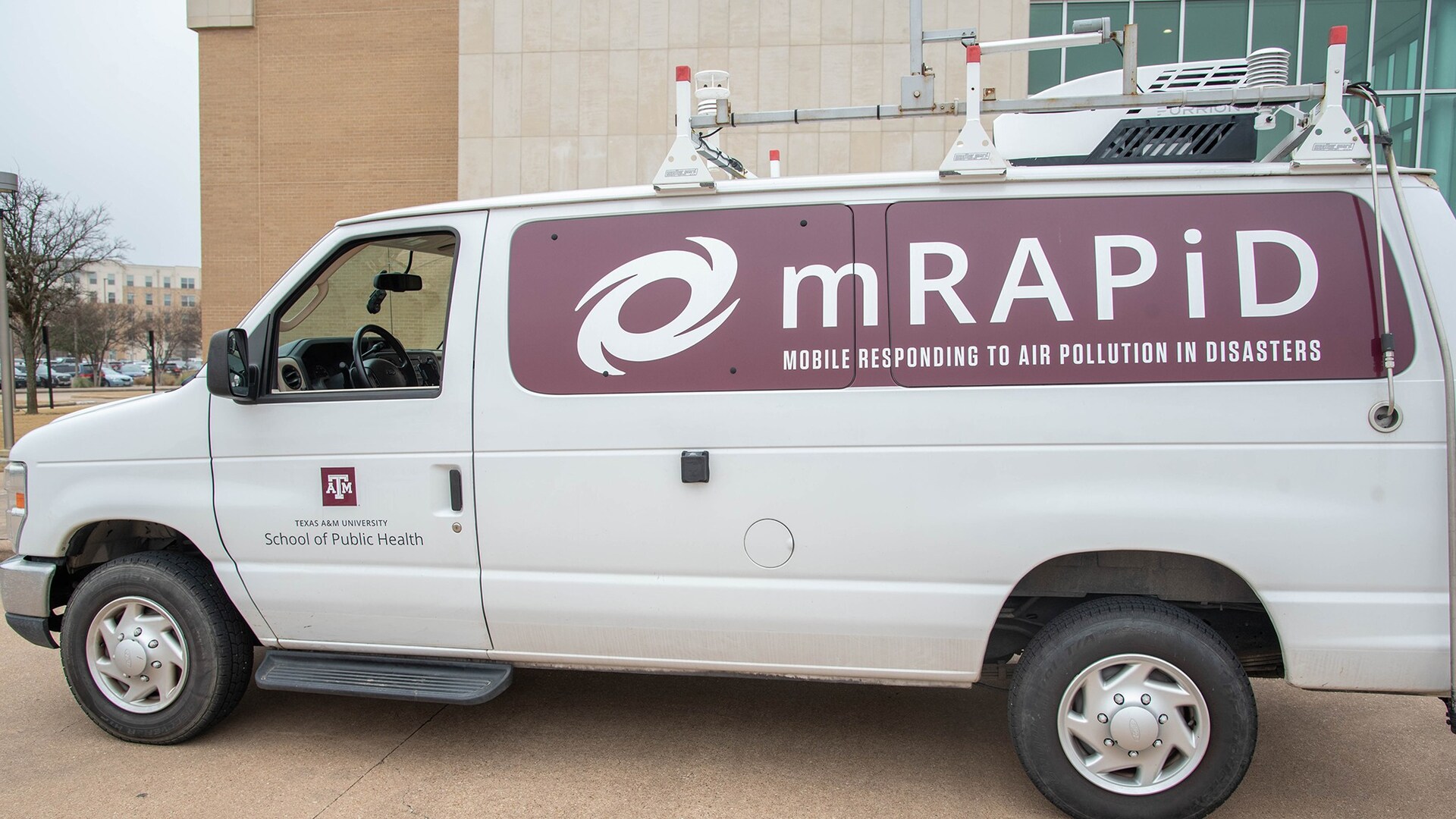
While mobile news broadcast vans chase stories and ice cream vans sell cones, Johnson’s van is focused on something more significant: the air we breathe. By equipping a Ford E-350 with a hypersensitive mass spectrometer, she has created a powerful tool for assessing environmental hazards. This innovative use of a van highlights its versatility and potential beyond traditional applications.
A Toxicologist and a Mom
Johnson’s passion for environmental health stems from her role as a mother and her professional background as a toxicologist. She has dedicated her career to studying the health effects of air pollutants, particularly on vulnerable populations such as pregnant individuals and children. As a mom, she noticed the increasing rates of childhood asthma and wanted to find ways to help kids manage their condition and avoid emergency room visits.
“I wanted to understand what was causing this rise,” Johnson explained. “You can’t turn on the news without seeing the impact of wildfires, hurricanes, and floods. These disasters pose a significant risk for short-term exposure, but what does that mean for long-term respiratory disease?”
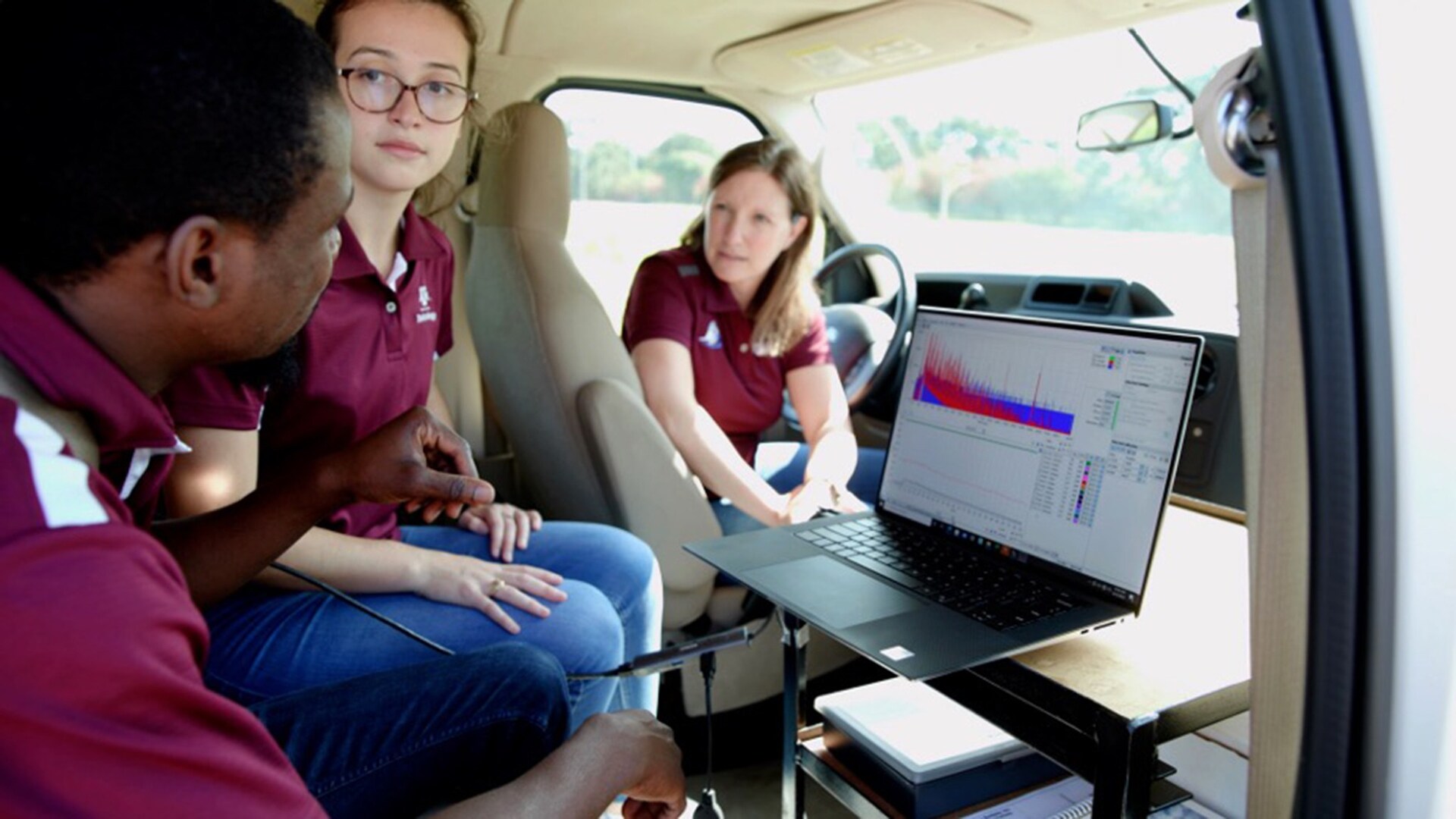
The frequency of these disasters has led Johnson and her team to develop mobile monitoring solutions. While there are collaborations with the EPA and state governments, the unpredictable nature of disasters makes stationary monitoring systems inadequate. For example, during a hurricane, equipment may need to be turned off or sheltered to prevent damage.
The mRAPiD Van: A Highly Specialized Tool
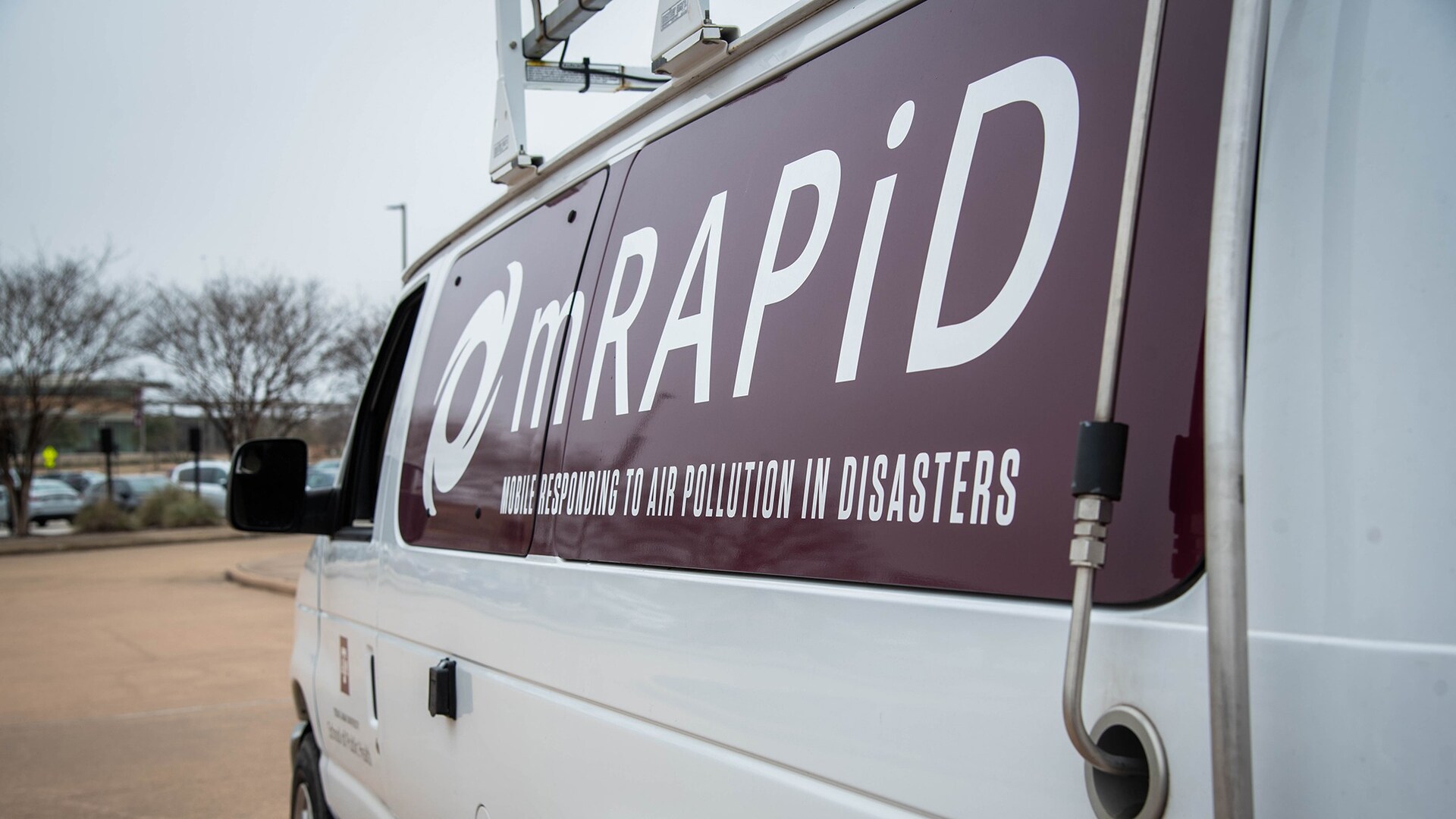
The mRAPiD van is a highly specialized piece of equipment that can detect chemical air pollutants in real time. It provides residents with hyperlocal information on air quality, which is often not available elsewhere. From the outside, the van looks like a white Ford E-350 with some extra rigging on its roof. The university acquired it from a nonprofit in the Houston area that had been conducting mobile monitoring but stopped during the COVID-19 pandemic.
To power the onboard equipment, the E-350 originally had a strengthened alternator, a power inverter, and two deep-cycle marine batteries. Over time, the team upgraded the system to include a dual alternator and lithium-ion phosphate batteries, allowing them to operate efficiently even when needed.
Eventually, Johnson hopes to transition to an electric vehicle. “This is our 1.0 getting into it. In the future, we're definitely going to expand, and we'd love to go all electric,” she said.
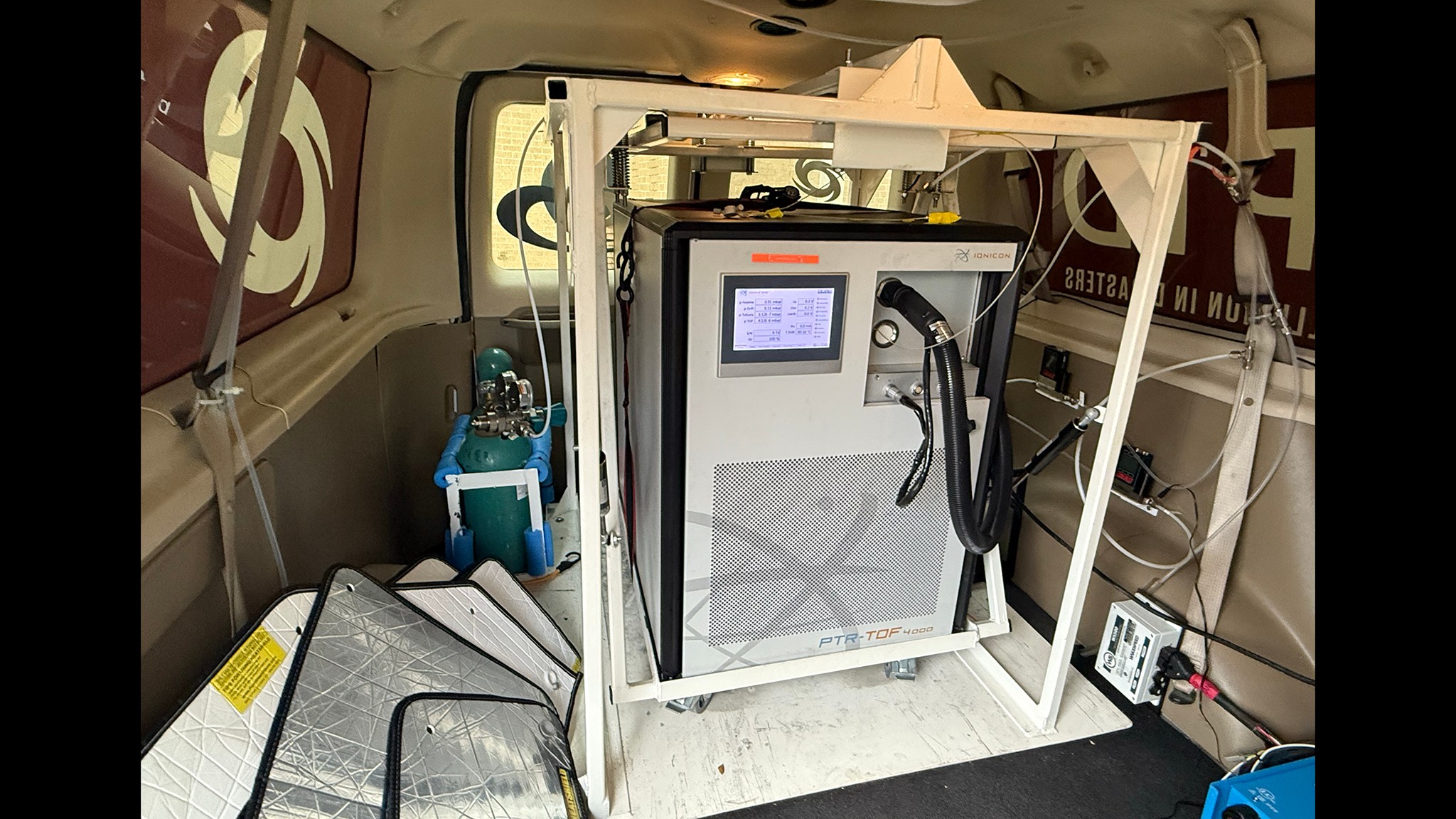
Inside the van, a proton transfer reaction mass spectrometer is cradled in a custom gimbal made by Johnson’s father. There’s also a Magellan weather sensor, GPS, a sampling boom on the roof, and a pump under the van that pulls in air. The van’s shocks were recently redone to protect the valuable equipment aboard.
Navada Harvey, a laboratory operations manager at Texas A&M and a member of Johnson’s “pit crew,” explained the careful approach taken when navigating rough roads. “We typically stay between 30 to 20 mph and are very mindful of bumps or rough roads,” she said. “However, many of our sampling areas are underserved, and the roads are just rough, unfortunately.”
The Van in Action
The mRAPiD van collects data in two main ways: by sitting stationary near evacuation zones or by moving through disaster areas to test air quality. This mobility allows the team to access places that larger vehicles cannot reach.
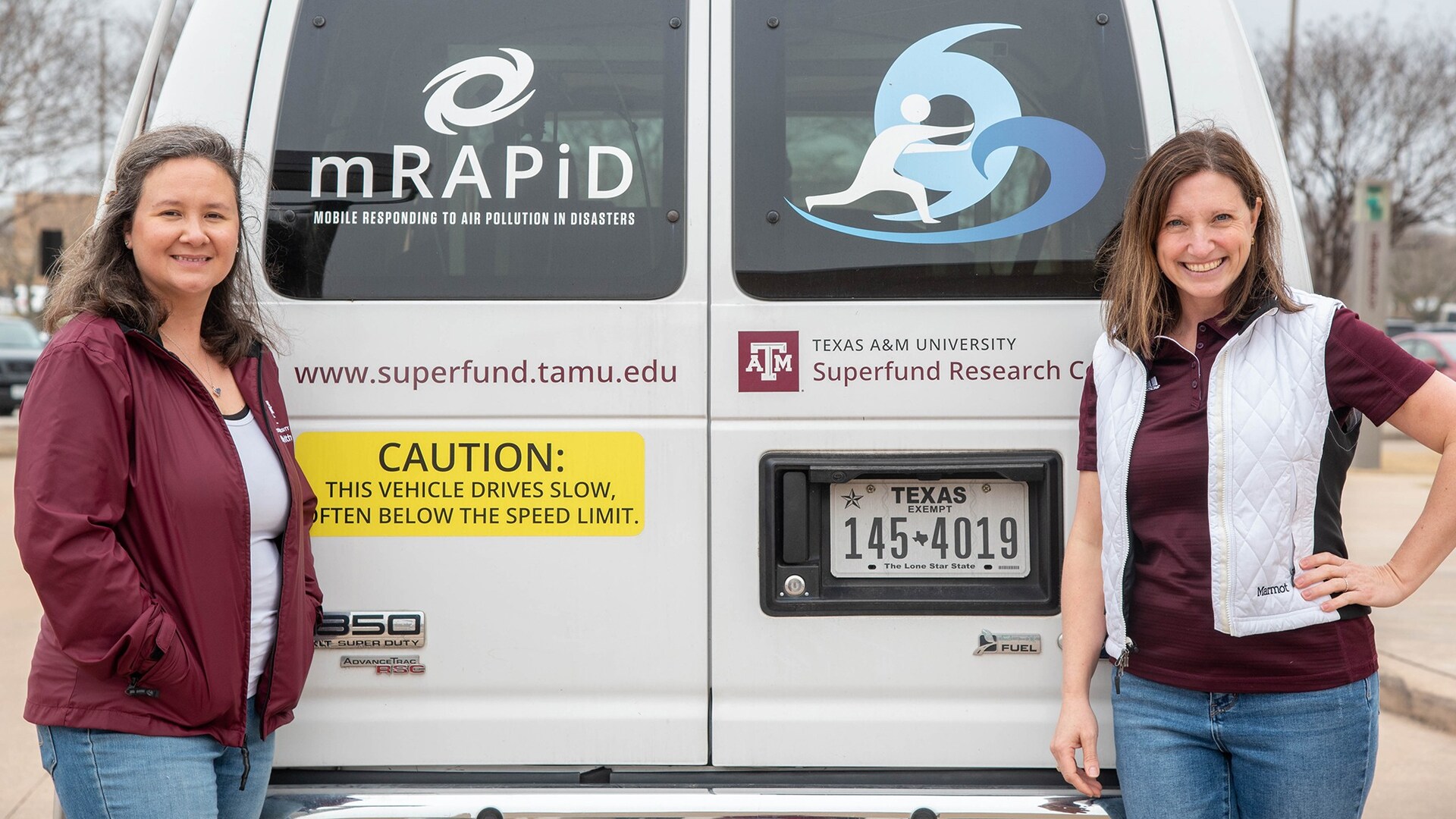
“We’re very cognizant of what people might think if you're seeing a white van driving around your neighborhood,” Johnson said. “Since putting together the video, we have new branding, updated paint, and we usually try and work with local organizations on talking about what we're doing there and then always reporting back.”
In addition to routine sampling in Houston and Dallas neighborhoods, the van has responded to disasters across the country. After the East Palestine, Ohio, train derailment in February 2023, Johnson and her team collected data to assist the EPA. Their findings were published in a study co-authored by Johnson.
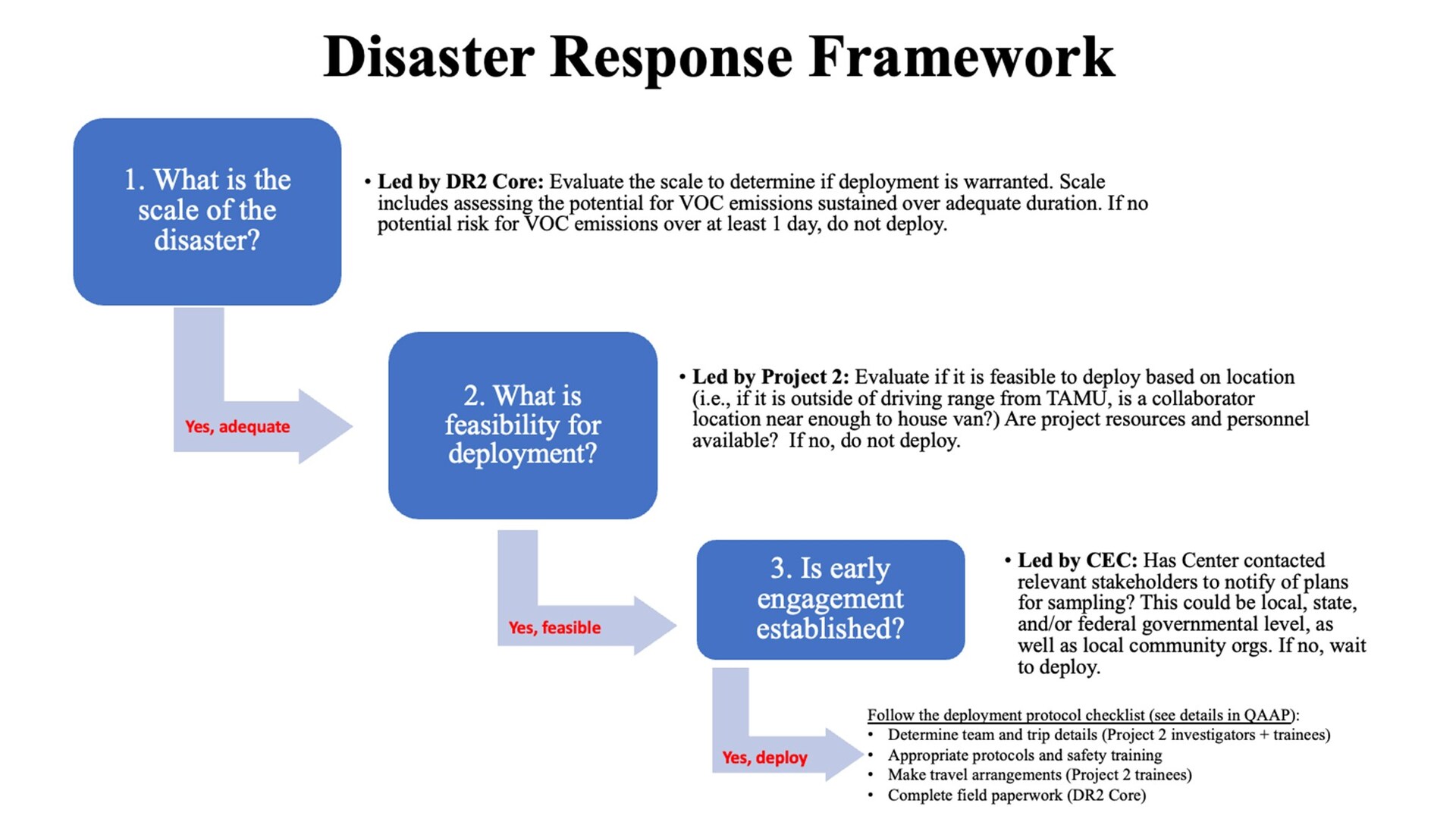
When deciding whether to deploy the van, the team follows a “go or no go” procedure. In the case of a fire at an Indiana plastics facility, the team relocated the van four hours away. “It was a training exercise for our students and an opportunity to respond to a community,” Johnson said. “They reached out to the National Institutes of Health Disaster Response Network, and that's how we got involved with doing some sampling there.”
Environmental Impact and Future Directions
As the world trends toward more electric vehicles (EVs), Johnson sees positive effects on public air quality. “I have done a lot of collaborative work with the Texas A&M Transportation Institute—they have a center that's focused on looking at the whole pipeline, energy and emissions,” she said. “Overall, I think we're seeing improvements in air quality as we move toward electrification.”
However, there are other aspects of EVs that need further study. “For instance,” Johnson continued, “with heavier vehicles, wear and tear, things like brake dust, and maybe potential specific metals that would be absorbed may be of concern.” As the team continues to explore non-tailpipe emissions, they remain committed to understanding the full impact of environmental changes on public health.
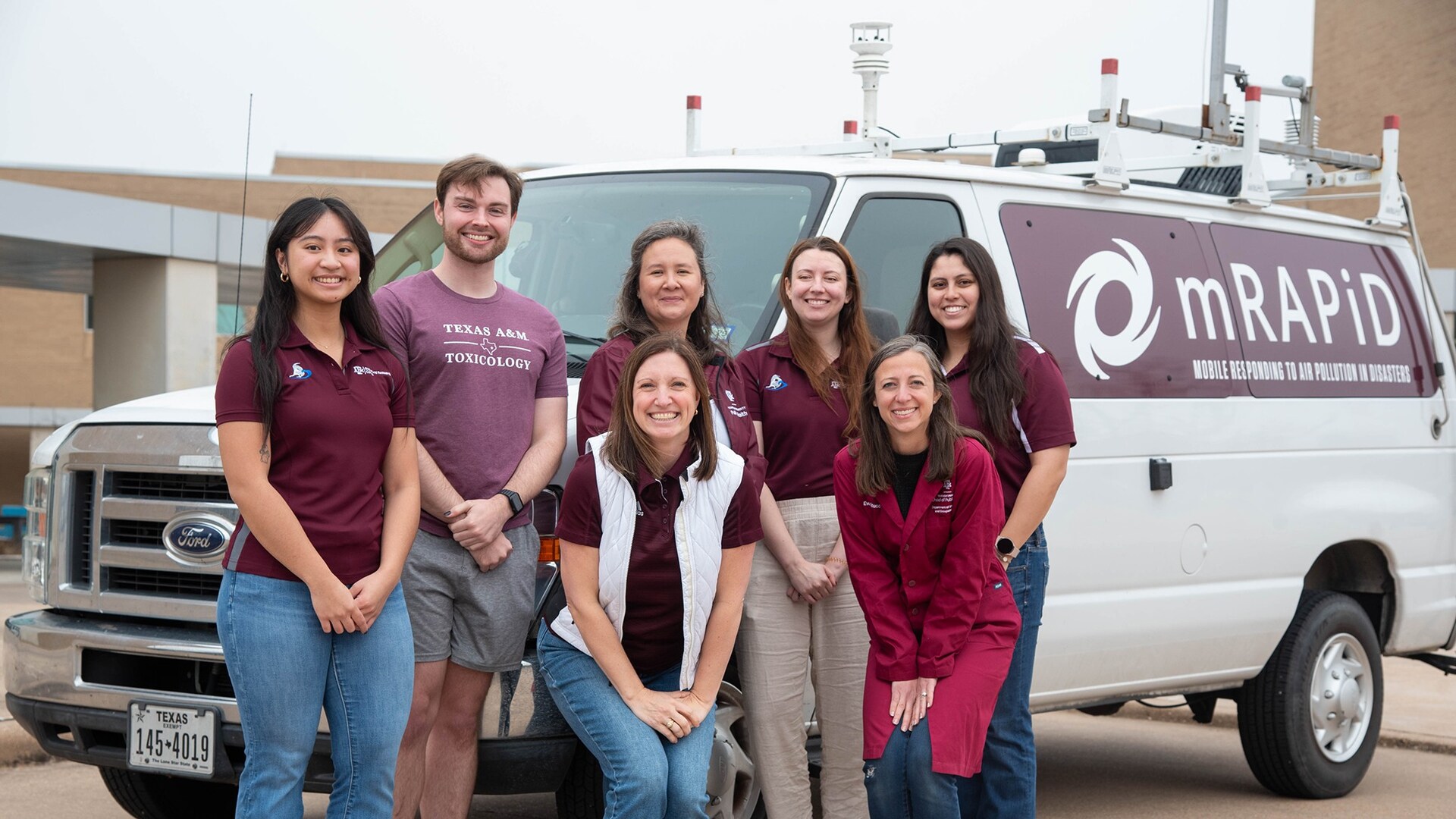
Environmental toxicology is a small but highly collaborative industry, and Johnson’s work exemplifies the importance of science in improving public health. As cool as the mRAPiD van is, a tool is only as good as its wielder. We’re all lucky to have Natalie Johnson and her dedicated team at the literal and figurative wheel.

Post a Comment for "She's an Environmental Toxicologist in an Amazing Van"
Post a Comment