
States sue to force SNAP payments during shutdown
The Legal Battle Over SNAP Funding
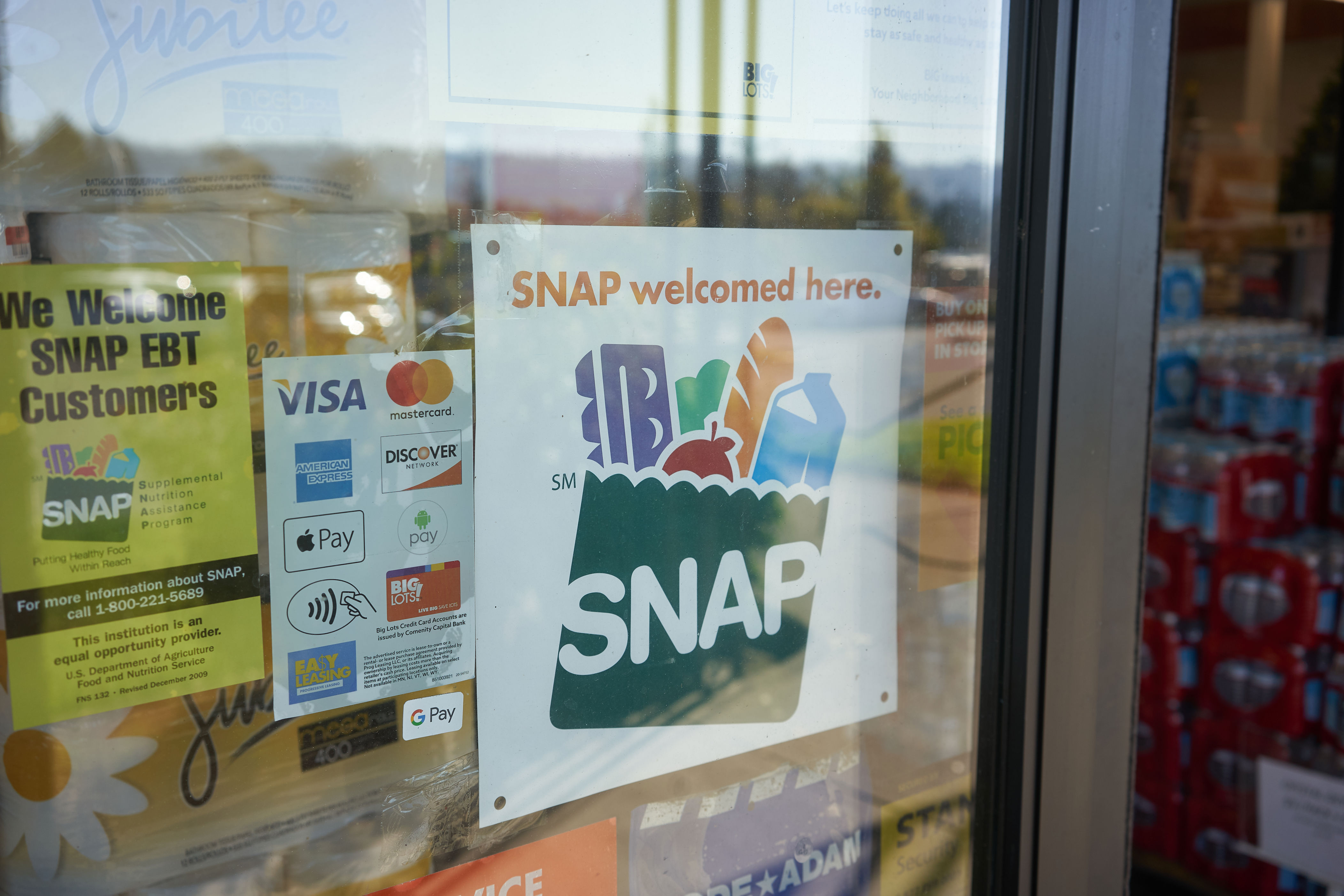
With the nation’s primary anti-hunger program on the verge of running out of money, more than two dozen states and the District of Columbia have taken legal action against the Agriculture Department. Their goal is to force the agency to release billions of dollars in contingency funds to ensure that vulnerable individuals and families continue to receive food assistance.
The Supplemental Nutrition Assistance Program (SNAP), commonly known as food stamps, requires $9.2 billion to cover benefits for November. However, due to the ongoing government shutdown that began on October 1, the Trump administration claims there is no funding available for the following month. Despite this, the USDA has $5.5 billion in contingency funds set aside for the program, which could cover more than half of the month's costs. Yet, the administration has refused to release these funds, citing their intended use for natural disasters or other emergencies rather than routine operations.
The states involved argue that withholding the contingency funds violates federal spending laws and that the administration should be compelled to disburse the money, even if it only covers partial payments. A hearing on the lawsuit has been scheduled for Thursday at 11 a.m., with officials seeking a temporary restraining order to release the funds.
The Impact on Millions of Americans
Approximately 42 million people rely on SNAP benefits each month, with an average benefit of $332 per household. This makes the potential lapse in funding particularly concerning, as it would mark the first time in the program's 60-year history that the federal government fails to make food-assistance payments due to a pause in appropriations.
New York Attorney General Letitia James emphasized the gravity of the situation, stating that millions of Americans are at risk of going hungry because the federal government is withholding food assistance it is legally obligated to provide. She called on the federal government to fulfill its responsibility to protect families who depend on SNAP as a lifeline.
The federal government fully funds SNAP benefits, meaning states do not bear the financial burden of the program. However, if benefits are suspended, it would create a significant disruption for those relying on the program.
The Controversy Over Contingency Funds
USDA officials have argued that contingency funds are not legally available to cover regular benefits, claiming they are meant for emergencies rather than routine operations. A senior administration official stated that the funds have never been used to complement benefits, emphasizing that the current situation is unprecedented.
However, during previous shutdowns, including the longest one from December 2018 to January 2019, the administration allowed states to use contingency funds to pay for SNAP benefits. At that time, USDA memos directed states to access the funds to ensure continued support for recipients.
Despite this precedent, the current administration maintains that the contingency funds cannot be used for regular benefits. A USDA spokesperson, speaking anonymously, attributed the crisis to Democrats, suggesting that Senate Democrats are responsible for the looming shortfall.
State-Level Responses and Legislative Efforts
In response to the potential funding gap, some states have taken proactive measures to ensure that food assistance continues. For example, New York Governor Kathy Hochul allocated $30 million for food aid and $11 million for food banks and pantries as a stopgap effort. California Governor Gavin Newsom has also pledged support for food banks, while Virginia Governor Glenn Youngkin declared a state of emergency and announced plans to use surplus funds to cover SNAP payments through November.
However, not all states have presented a clear plan to address the issue. Lawmakers from both parties have raised concerns about the potential impact of the funding cuts. Senator Josh Hawley (R-Missouri) introduced legislation to keep SNAP funded next month, with bipartisan support. Hawley criticized Democrats for refusing to fund the government and urged the reopening of federal agencies to resolve the crisis.
Senate Majority Leader John Thune (R-South Dakota) has not committed to bringing Hawley’s bill or other related legislation to the floor for a vote. Instead, Republicans continue to push Democrats to approve a funding bill that would reopen the entire federal government.
Political Blame and Public Concern
Democrats have accused Republicans and former President Donald Trump of holding food stamps hostage, pointing to the administration’s allocation of tens of billions of dollars to political allies in Argentina and other initiatives. Senator Ben Ray Luján (D-New Mexico) criticized the administration for prioritizing political interests over feeding American citizens.
Advocates and experts have also expressed skepticism about the legality of the USDA memo blocking access to contingency funds. Gina Plata-Nino, interim SNAP director at the Food Research and Action Center, argued that Congress has not withdrawn the funds, and the agency cannot block states from accessing them. She described the memo as “more like a political memo” rather than a policy document.
As the situation unfolds, the fate of millions of Americans depends on whether the legal battle will result in the release of contingency funds and the resolution of the government shutdown.

Post a Comment for "States sue to force SNAP payments during shutdown"
Post a Comment