
The unavoidable cost of legal sports betting arrives
The Normalization of Sports Gambling
For the last seven years, anyone who cares about sports has been conditioned to accept that gambling goes hand-in-hand with the activity of watching a game. We turn on a podcast, we get an offer code from a betting app. We read a story, we get the pop-up ad directing us to check out the odds. Even when we go to an arena in certain markets, you walk right past the sports book before getting to your seat.
Since the Supreme Court struck down the Professional and Amateur Sports Protection Act (PASPA) in 2018, allowing states to legalize sports gambling if they chose to, the industry behind it hasn’t merely presented itself as an option. Instead, it’s been a machine brazenly conditioning our brains to accept all of it as part of the game simply because it’s legal. And everyone who feeds off its advertising dollars — the sports leagues, team owners, even the media — kept shoving it in everyone’s faces, buoyed by the idea that it’s better to have a gambling ecosystem operating with oversight rather than in the shadows.
That may still be true. And yet today, for all the sports leagues that have been nursing from the teat of easy gambling company cash, the justification doesn’t matter. The inevitable bill has come due.
In the wake of Thursday’s wave of gambling-related arrests, including Portland Trail Blazers head coach Chauncey Billups and Miami Heat guard Terry Rozier, the predictable response from most sports executives will be exactly what we’d expect from people who are in too deep to truly contemplate what they’ve done to their industry by rolling out the welcome for sports books.
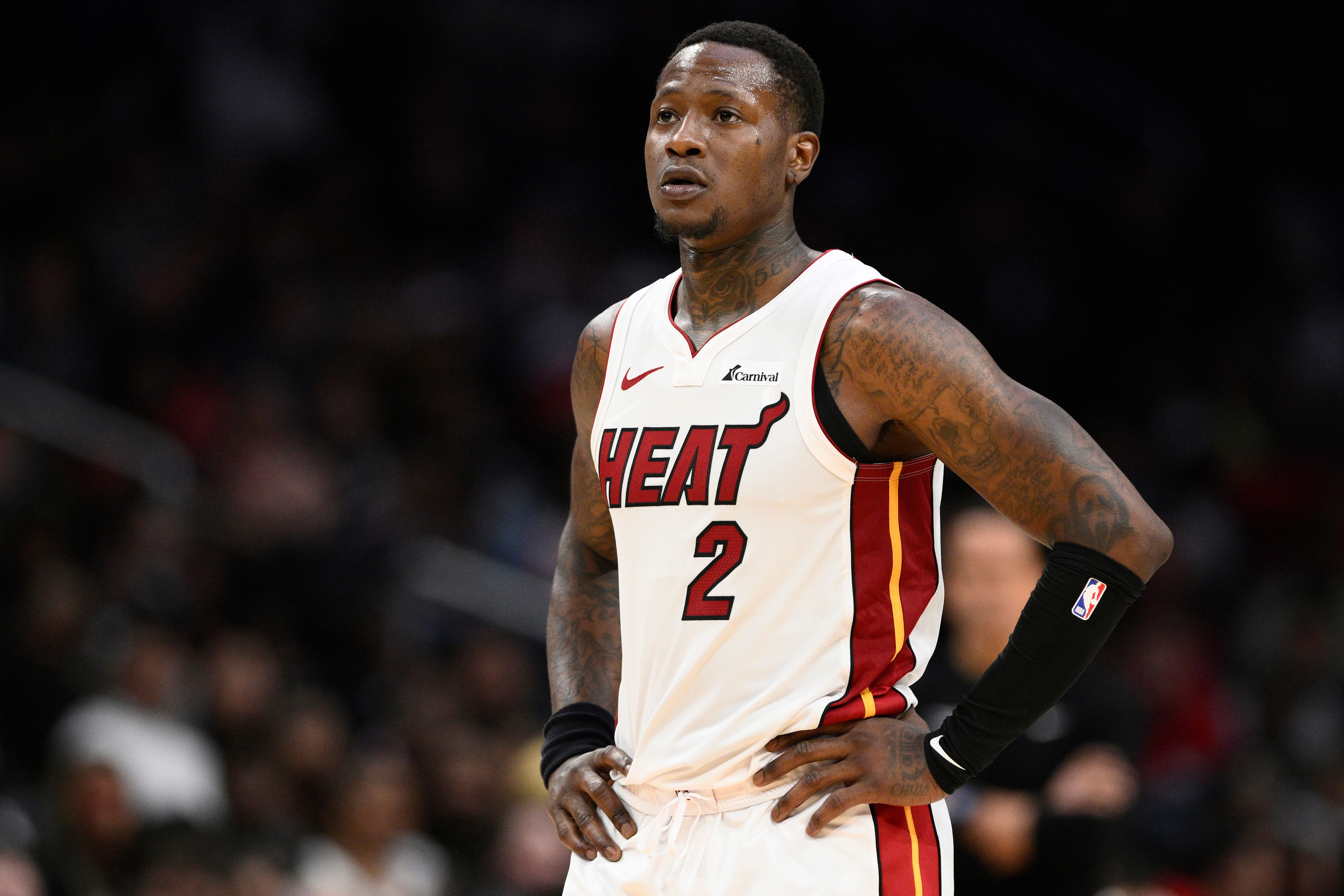
They’ll frame it as an isolated situation where individuals, not a problematic culture, are at fault. They’ll go through the laundry list of famous sports betting scandals before it was legalized and try to blur the lines between then and now. They’ll praise the authorities for detecting wrongdoing and helping them root out bad actors. They’ll promise to double down on education and rehabilitation and maybe add a few words to those disclaimers you see in small print on the bottom of the parlay ticket. But they won’t stop taking the cash. And they certainly won’t take seriously the threat that this all ends in a massive backlash against their athletes, their product and their leagues.
Though the downsides of a cultural sea change to normalize sports gambling have become apparent in drips and drabs, Thursday’s developments mark the first time since the end of PASPA where mainstream fans have legitimate reason to wonder if what they’re watching is on the up and up. And none of us — including the NBA, NFL and executives of other leagues — know where that leads and how it might change the relationship between fans and sports.
A Shift in Perception
Sure, we’ve seen a handful of integrity-of-the-game issues pop up in the past couple years. Many of them have revolved around basketball players in college or the NBA taking part in schemes to manipulate individual prop bets on themselves. In 2023, Alabama’s baseball coach was fired for sharing injury information with a gambler before it was public. Most of the time, the reaction falls along two lines. The first is to laugh and point at the individuals about how stupid these schemes generally are, particularly given the sophisticated detection techniques that sports books and law enforcement officials are able to employ. The second is to call the leagues hypocritical for tacitly endorsing sports gambling. Then everyone moves on.
This time feels different. It’s different because it could very well take down a sitting NBA head coach. It’s different because there’s now a headline linking former NBA player and assistant coach Damon Jones to co-conspirators who were allegedly betting based on injury information he shared, including about LeBron James. It’s different because there are links between an allegedly rigged poker game and organized crime.
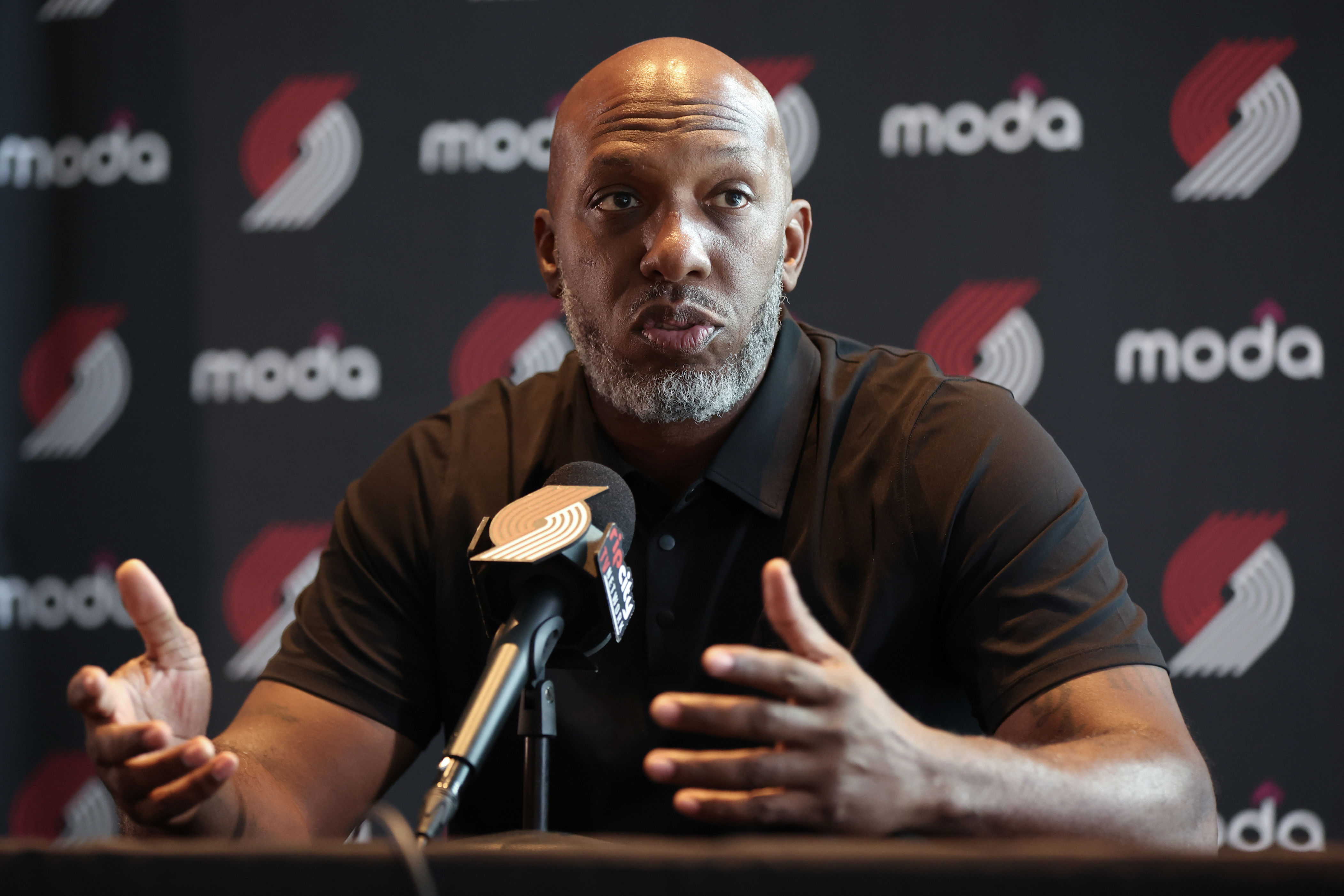
In some ways, the details don’t even matter. Do you think Joe Fan is going to read through the pages of an indictment or carefully sift through evidence as they weigh whether to invest their time and money in a product that might now be tainted to a degree none of us previously considered?
The delicate relationship between pro sports and gambling was never going to hinge on facts, the guardrails or even the law. It’s about how people feel. And it’s hard to make them feel good if they’re suspicious that the athletes they root for are in cahoots with degenerate gamblers.
It’s one thing if a fringe NBA player like Jontay Porter is getting in a game and playing badly on purpose so he and his partners can cash in on a prop bet. You can even kind of wrap your mind around the idea of an NBA ref like Tim Donaghy getting sucked into the gambling world and going down a dark path. But when prominent and ostensibly wealthy people like Billups, who made nearly $107 million playing the game, or Rozier and his $96 million contract put themselves at risk, the rational response is not to cast them as outliers. It’s to ask if the problem has taken root much deeper than we currently know — not just in the NBA, but in every league.
The Broader Implications
After all, those sports book advertisements do not discriminate. They’re targeting the disposable income of multi-millionaires just as much as yours and mine. And when prominent athletes and coaches are falling into some of these schemes that directly chip away at the integrity of the game — whether it’s financial need or simple thrill-seeking — what chance do colleges have trying to prevent their athletes from problematic gambling once they get some NIL money in their pockets?
It was just Wednesday, after all, that the NCAA approved a new rule allowing athletes and staff members to bet on pro sports. They did so largely because they don’t want to use their limited investigative resources digging into whether some program's quarterback placed a bet on an NFL game that would be legal in any other context. Great timing, guys.
Of course, some of those college athletes will eventually turn pro. So in essence, you’re telling that quarterback it’s OK to bet on an NFL game when they’re playing for State U. But the moment they put on an NFL jersey, they’re supposed to suddenly stop that behavior. Surely that’s not cause for concern, right? Right?
Look, it’s all gravy for the leagues that take in all those gambling sponsorship dollars — up until the point their customers can’t distinguish between the sport and the impact of what’s being bet on it and by whom. That day is coming. And when it arrives, it will be entirely self-inflicted because the leagues have allowed it to be such an in-your-face part of the experience of watching and attending games over the past several years.
The original idea behind the legalization of sports gambling was that if a consumer had access to the activity in Nevada, it should have access in New Jersey. The Supreme Court agreed. But even those of us who agreed in principle didn’t necessarily understand how sports gambling would explode into every aspect of our lives as fans, nor how it would alter a relationship that had been fundamentally built on fandom. Now, for many, it will be built on suspicion. Was a bad night just a bad night? Is an injury really an injury? Is a player sitting on the bench because a coach has been sitting at the wrong poker table?
For most, it won’t be fair. But Thursday’s arrests will undoubtedly move those concerns to the front of mind for many fans. That’s the cost for all those sponsorship dollars teams and leagues have been raking in. For the first time since sports gambling logos got inside their arenas, it’s time to wonder if those profits are worth it.

Post a Comment for "The unavoidable cost of legal sports betting arrives"
Post a Comment