
Top Cities for Remote Workers Under $1,500
The American labor market has undergone a dramatic transformation in recent years, with changes that were once unimaginable. Approximately 32 million Americans, or 22% of the workforce, now work remotely. This shift has had a ripple effect on how people choose where to live, leading to a quiet but significant change in residential patterns.
Remote workers who are no longer tied to expensive coastal cities have discovered that their income stretches much further in places that offer a true quality of life without the burden of exorbitant rent. For those seeking balance, a monthly rent of $1,500 has become an attractive benchmark. It provides enough flexibility to afford decent housing in numerous American cities while still leaving room for entertainment, savings, and occasional indulgences.
Finding affordable cities is not the challenge; rather, it’s about identifying the ones that meet all the necessary criteria—reliable internet, active communities, and infrastructure that supports remote work. Here are some standout destinations where your rent check won’t require a small loan.
Tulsa, Oklahoma
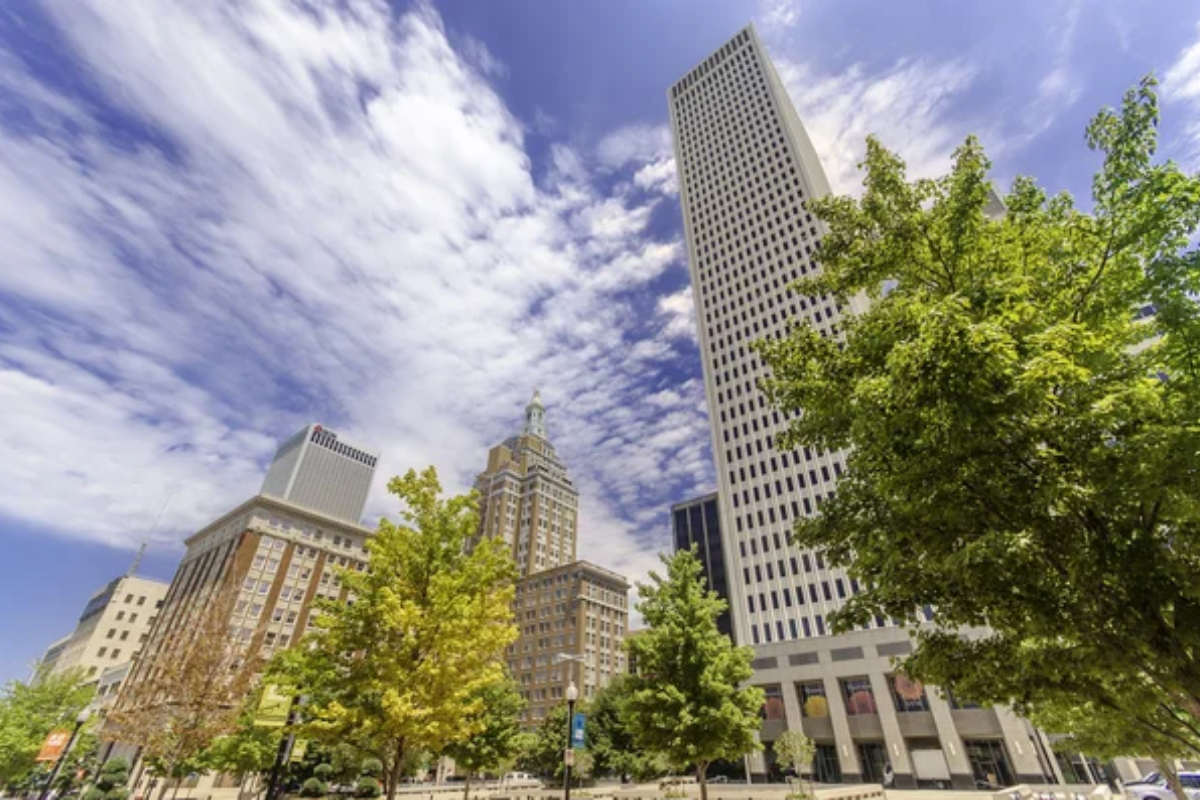
Tulsa has gained a reputation in remote work circles, and for good reason. The city’s Tulsa Remote program offers eligible workers a $10,000 relocation grant, which has attracted thousands of professionals looking for both financial incentives and affordable living. Monthly rent for a one-bedroom apartment typically hovers around $1,000, well within the $1,500 threshold.
Tulsa earned its “Gig City” nickname through investments in ultra-high-speed internet, ensuring that video calls don’t freeze and file uploads happen quickly. Beyond the practical benefits, the city offers a vibrant arts scene, a revitalized downtown, and a community of transplants that have created a tight-knit network. Remote work culture here isn’t just tolerated—it’s celebrated.
Des Moines, Iowa
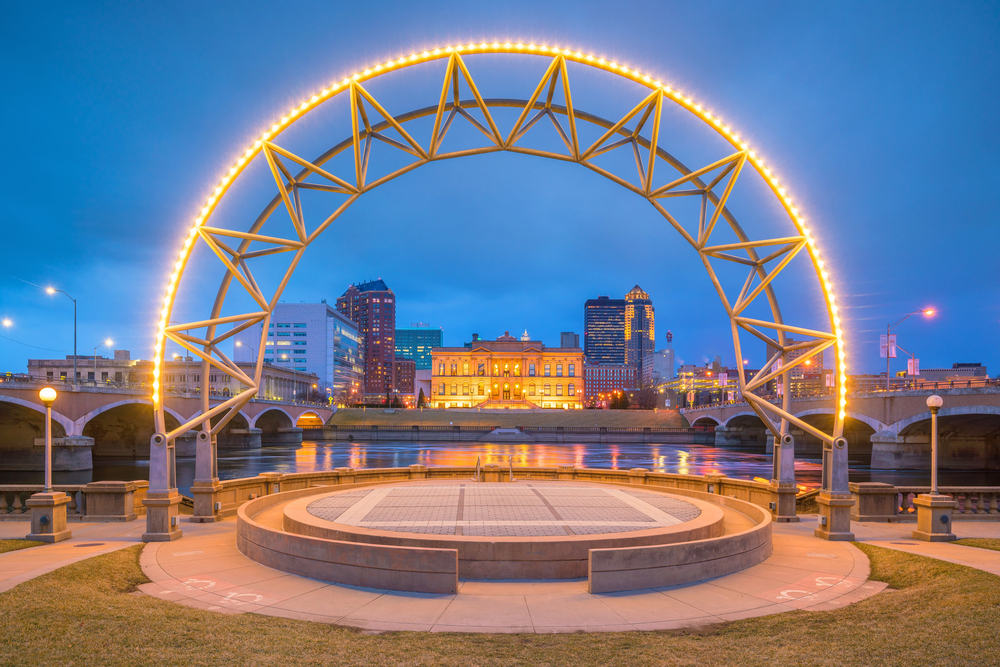
Des Moines may fly under the radar, but that’s exactly what makes it appealing. With average rent around $992 per month, it’s 39% below the national average. Despite this affordability, the city consistently ranks among the Midwest’s best places to live.
Des Moines has built a strong job market in financial services and publishing, which translates into excellent coworking spaces and a professional ecosystem that understands remote work dynamics. Its stability—low crime rates, solid schools, and a genuine sense of community—creates an environment where remote workers can focus on their careers without the constant chaos of urban life. The restaurant and coffee scene has also evolved into something worth experiencing regularly.
Chattanooga, Tennessee
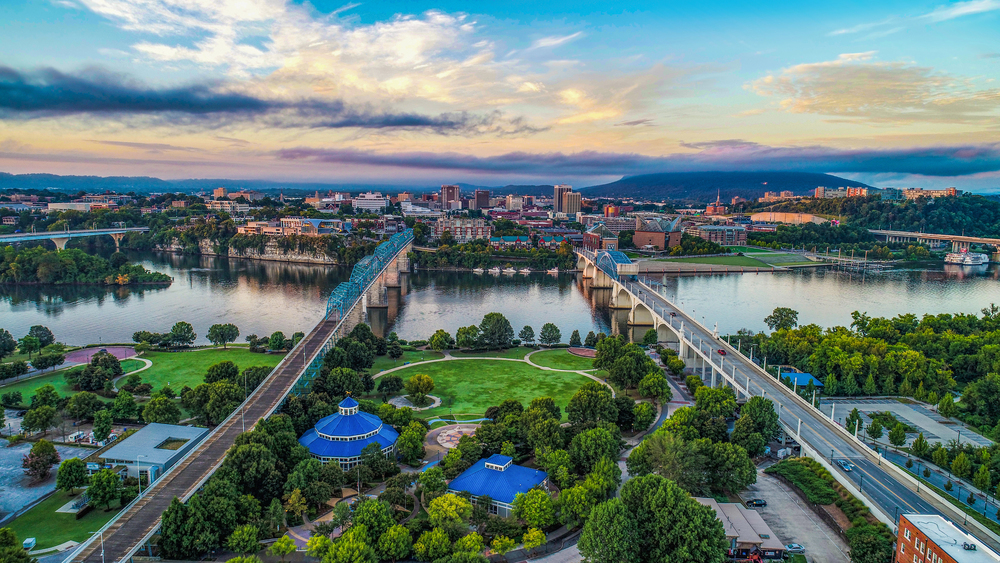
Chattanooga made a calculated bet on becoming a tech haven long before remote work became mainstream, and that foresight paid off. The city invested heavily in fiber optic infrastructure, creating some of the fastest residential internet speeds in the country.
For remote workers who rely on seamless connectivity, this is a major advantage. Rent in Chattanooga remains reasonable, often falling well within the $1,500 range even for quality apartments. The city sits in the Tennessee Valley, offering immediate access to hiking, climbing, and other outdoor activities that provide a perfect counterbalance to screen-heavy workdays. The downtown area has transformed into a vibrant hub filled with breweries, restaurants, and coworking spaces.
Fort Wayne, Indiana
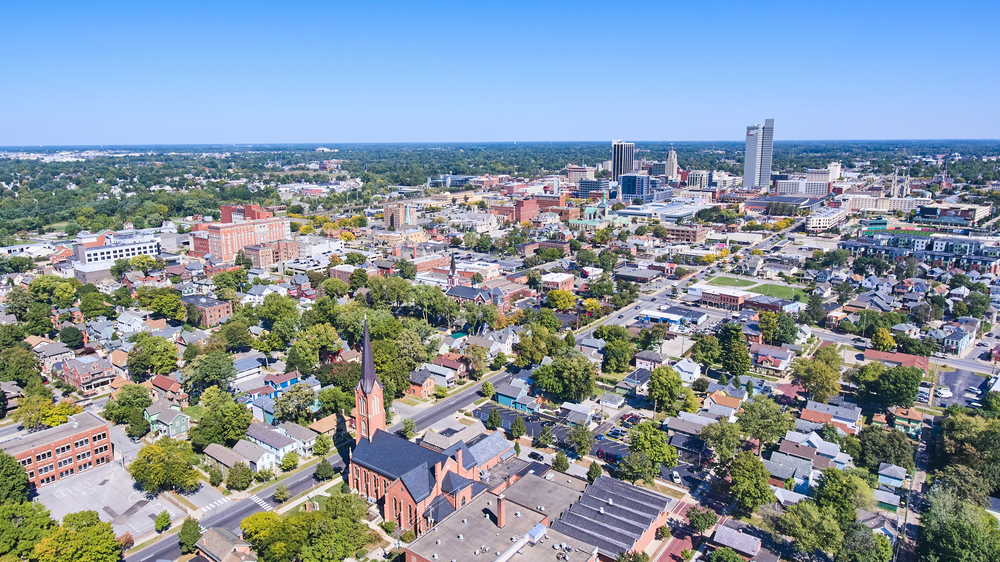
Fort Wayne represents the quiet achiever category of affordable cities. Average rent sits at just $953 per month, a full 41% below the national average. That kind of affordability creates breathing room in monthly budgets that’s increasingly rare in American cities.
The savings aren’t theoretical—they’re the difference between paycheck-to-paycheck living and building an actual financial cushion. The city has invested in its downtown core, creating family-friendly neighborhoods alongside a growing business district. Remote workers, particularly those with families, appreciate the combination of solid schools, low crime rates, and community events that make a place feel like home.
San Antonio, Texas
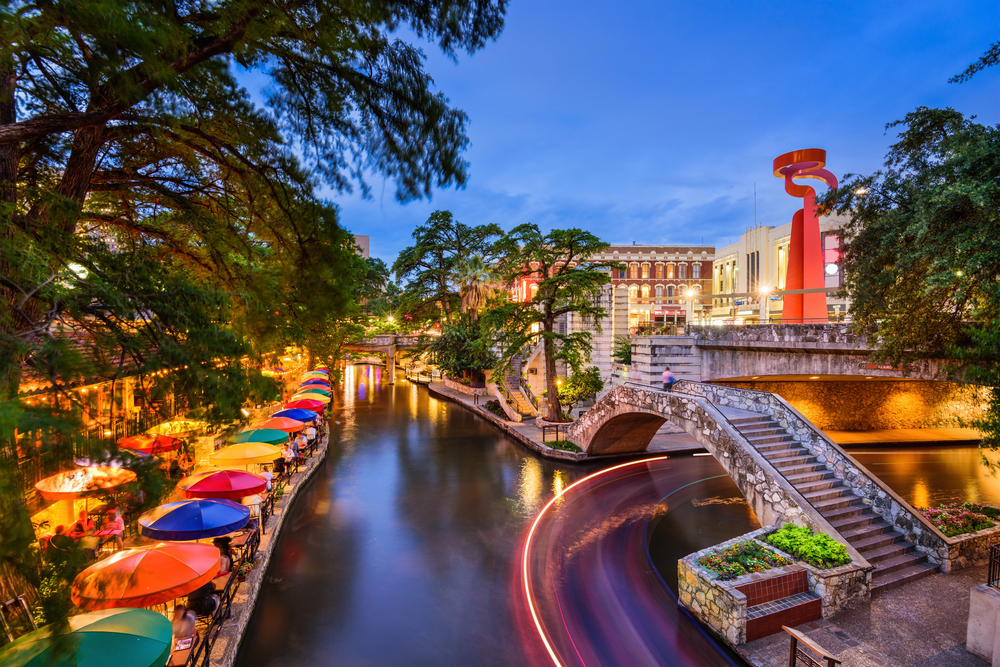
San Antonio brings something different to the table: affordability within a major metropolitan area. The city’s rich cultural history and diverse population create an environment where remote workers can find their tribe, whether they’re part of the tech community, creative professionals, or entrepreneurs building side projects.
Monthly rent varies by neighborhood but consistently remains accessible under $1,500. Texas’ lack of state income tax amplifies the affordability factor, making each paycheck more valuable. The city’s restaurant scene ranges from food trucks to fine dining, and the River Walk provides a scenic break between meetings. The weather means outdoor activities remain viable year-round.
Cleveland, Ohio
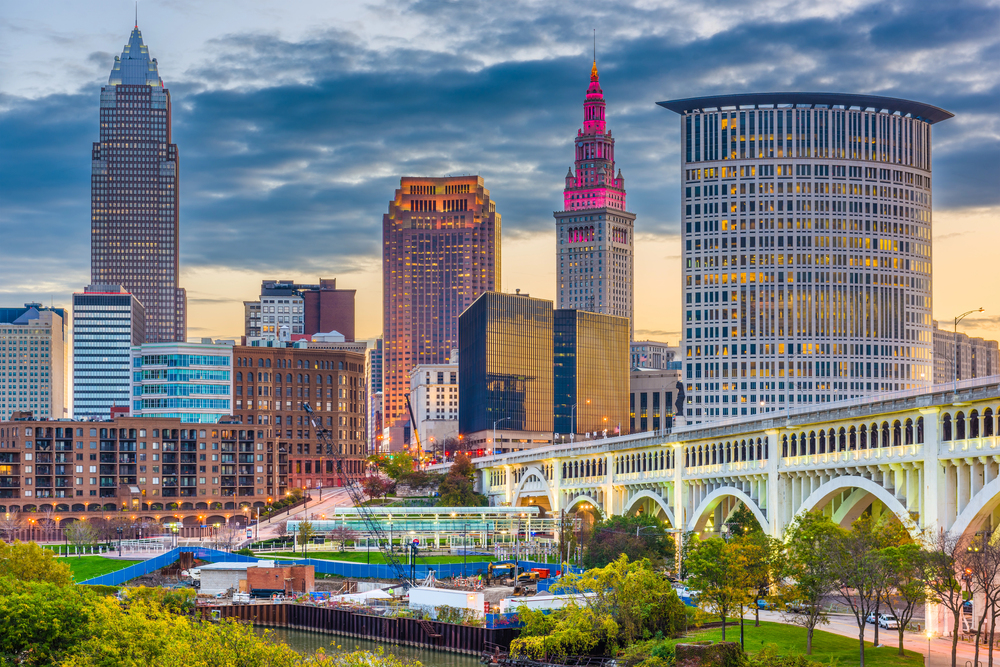
Cleveland has shed its rust belt reputation through deliberate reinvention. The city now offers an impressive arts scene, professional sports teams, and housing costs that make coastal residents weep with envy. Rent averages well below $1,500, even for apartments in desirable neighborhoods.
The city’s coworking scene has matured alongside its remote worker population. You’ll find dedicated spaces throughout Cleveland that cater specifically to digital professionals, complete with high-speed internet and collaborative atmospheres. The Carnegie Museums, thriving theater district, and revitalized waterfront provide plenty of options for life outside work hours.
Boise, Idaho
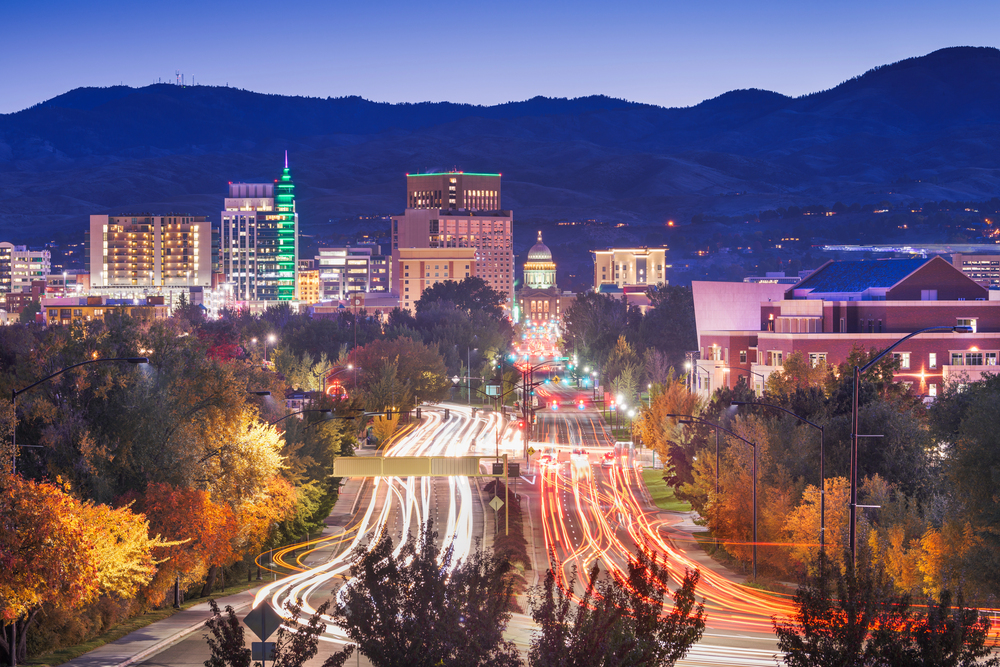
Boise has become a darling of remote workers fleeing pricier West Coast cities, though it’s starting to experience the success-driven price creep that popularity brings. Still, monthly rent for many apartments remains under the $1,500 threshold, especially if you’re willing to look slightly outside the most central neighborhoods.
The appeal here is obvious: immediate access to outdoor recreation that includes skiing, hiking, and river activities. The city has cultivated a creative community alongside its natural attractions, with local coffee shops and breweries serving as unofficial remote worker headquarters.
Jacksonville, Florida
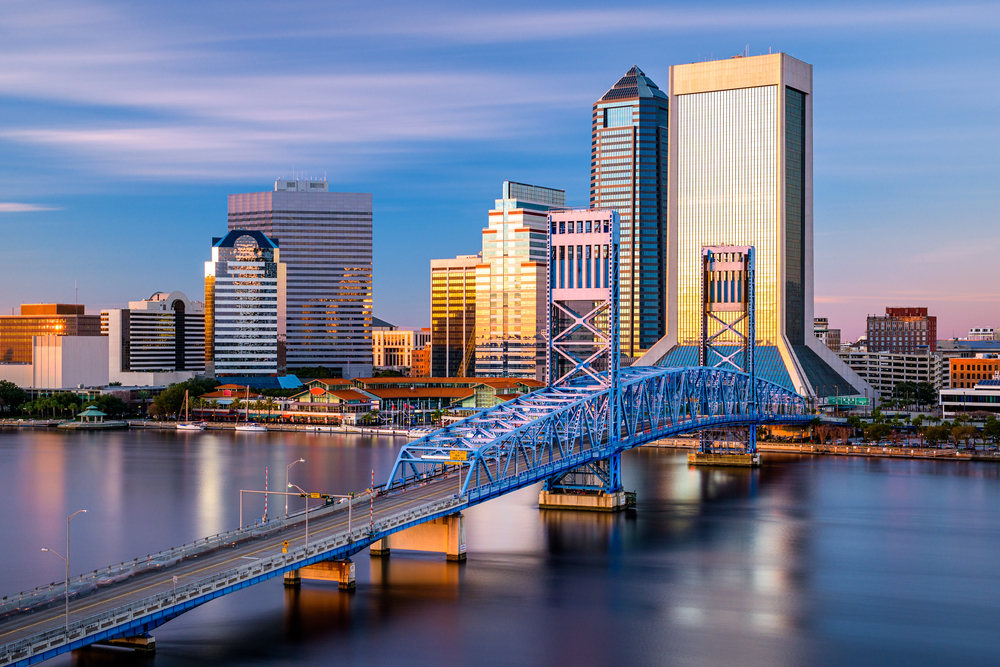
Jacksonville brings year-round sunshine and beaches to the affordability conversation, a combination that’s increasingly hard to find. As one of Florida’s major cities, it offers big-city infrastructure, job opportunities, and cultural amenities while maintaining housing costs that won’t trigger financial anxiety.
The city’s growth in technology, healthcare, and finance sectors means the professional ecosystem understands and supports remote work. The art scene has flourished in recent years, and the beach access provides an ideal reset button after long workdays.
Memphis, Tennessee
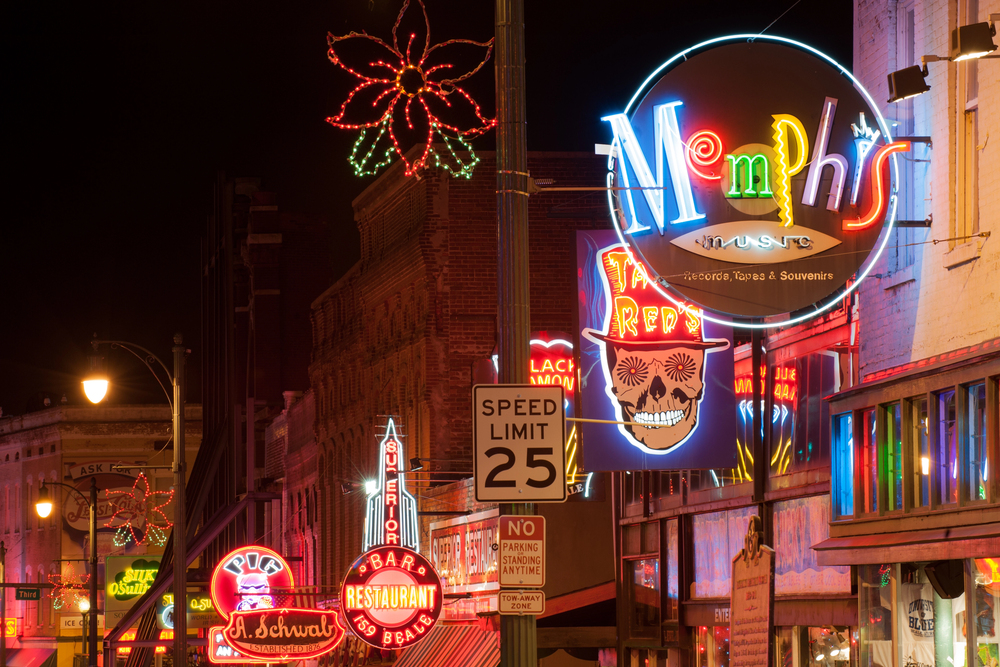
Memphis ranks among the most affordable large metros in the country, with rent consistently staying under $1,500 even for comfortable apartments. The city has focused on housing equity and renter protections, creating a more stable environment for people who aren’t ready or able to buy.
The cultural history here runs deep, from music legends to civil rights landmarks. Remote workers who value living somewhere with genuine soul rather than manufactured charm tend to gravitate toward Memphis. The food scene alone justifies consideration, and the city’s position on the Mississippi River creates a sense of place that’s hard to replicate.
The Bigger Picture

Remote work has fundamentally altered the American housing market in ways we’re still processing. Cities that used to struggle to keep young professionals are now actively pursuing them with quality-of-life investments, incentive programs, and better infrastructure.
The $1,500 rent threshold, which is the conventional standard for sustainable housing costs, is not arbitrary—it is approximately 30% of the income of a typical remote worker. What’s emerged is a new map of opportunity. Southern and Midwestern cities dominate the affordability rankings not through accident but through deliberate choice. These places watched coastal cities price out their own residents and decided to compete on value. They’ve invested in fiber optic networks, created coworking ecosystems, and built communities that welcome rather than merely tolerate remote workers.
More from Travel Pug

Underrated Italian Towns That Beat the Tourist Crowds
Las Vegas Tourist Traps to Skip
Prettiest Towns in Every US State
18 passport-free countries for Americans
Signs Your Cruise Is Not Worth The Cost
Like Travel Pug’s content? Follow us on MSN.

Post a Comment for "Top Cities for Remote Workers Under $1,500"
Post a Comment