
Top Doctor-Approved Drink for When You're Sick
The Simplest Sip Is Also the Smartest
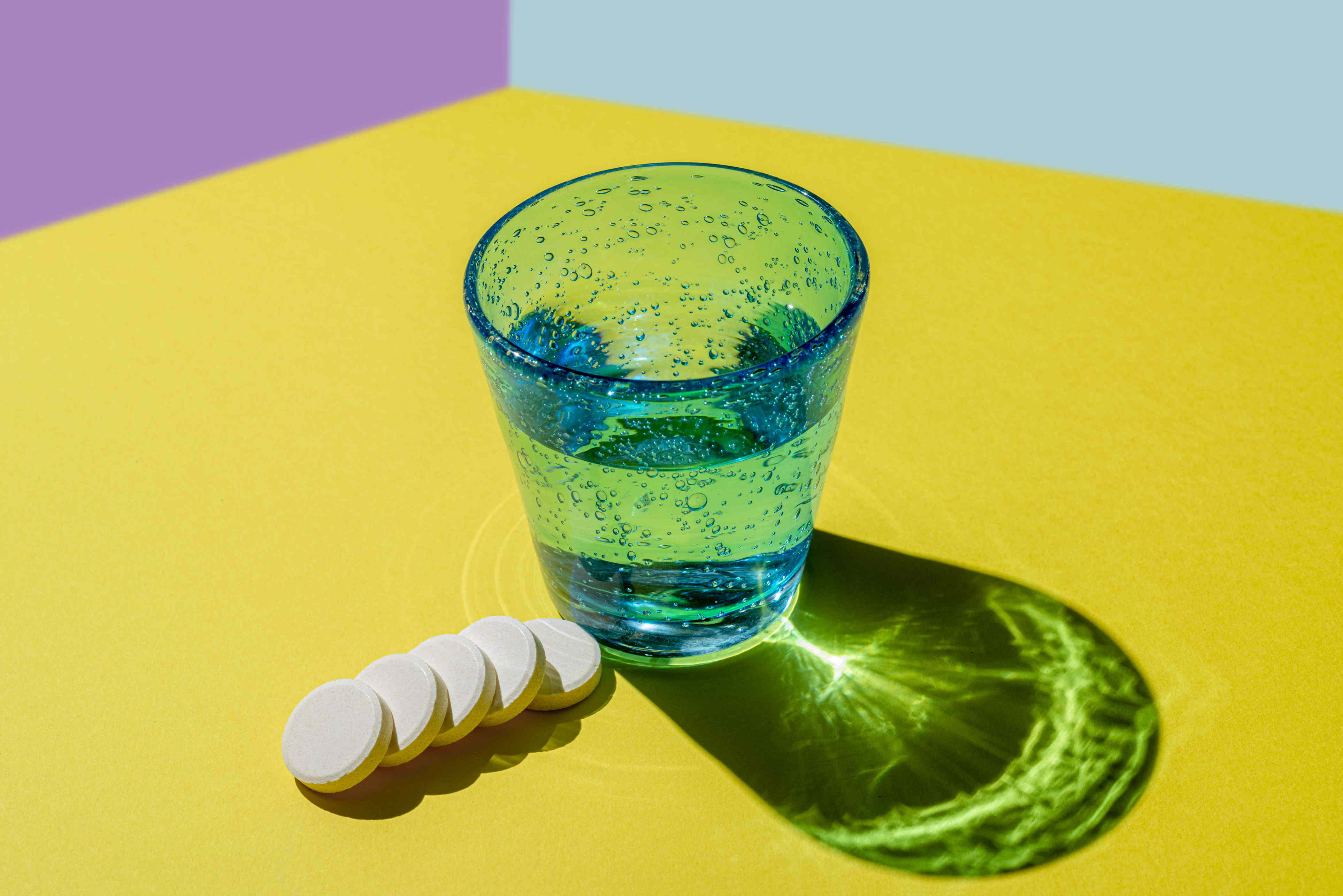
When you're curled up on the couch with tissues stuffed in your nose or lying in bed huddled over a bucket, the last thing you're usually thinking about is what you should be drinking. Yet conventional wisdom suggests that the fluids you consume can have an impact on how quickly you’re able to bounce back.
Plenty of healthy options come to mind: ginger tea, orange juice, and maybe even some neon-colored Gatorade. But we wanted to know for sure, so we asked health experts what’s the one drink you should chug when you’re sick that outshines them all. (Spoiler: They both said the same thing, and it’s as easy as turning on the tap.)
Meet the Experts
Dr. Mariam Zakhary, DO, sports medicine physician and clinical advisor at Ikon Recovery Center
Dr. Matthew Heller, DO, practicing family medicine physician and associate professor at the New York Institute of Technology College of Osteopathic Medicine
Why Water Is the Best Drink When You’re Sick
“I believe that the most important thing to drink when you’re sick is water,” says Dr. Mariam Zakhary, DO, sports medicine physician and the clinical advisor at Ikon Recovery Center. “When you’re sick, whether it be from a cold, the flu, allergies, or a different infection, your body experiences severe fluid loss and has an increased metabolic demand to fight off the illness. Staying hydrated is essential since it prevents dehydration, which can have a negative impact on recovery.”
Zakhary pointed to symptoms like sweating, fever, vomiting, and diarrhea, which can all cause fluid and electrolyte loss, leading to dehydration. “Dehydration can thicken mucus and impair circulation, making it harder for your immune cells to reach infection sites and clear any bacteria or viruses that may be causing infection," she says.
The message is clear: Water is the foundation of recovery, and another physician we spoke to echoed this point. “Although many different fluids can offer help to the specific symptoms an individual is experiencing, one of the most important fluids to drink when sick is water,” says Dr. Matthew Heller, DO, practicing family medicine physician and associate professor at the New York Institute of Technology College of Osteopathic Medicine. “Water is important for everyday health and can help prevent dehydration when the body’s immune system is put to action to fight off an infection.”
Heller says the amount of water required by individuals will vary, but for all, being sick can increase the water requirements needed, “especially if your body is losing fluids from sweating, diarrhea, or vomiting.”
Health Benefits of Drinking Water When You’re Sick
“There are many other benefits of drinking water in addition to replacing fluids lost when sick,” Heller says. Here’s a closer look at what that glass of water is doing for you when you’re not feeling your best.
Stabilizes Blood Volume
Staying on top of your fluid intake helps your body function at a cellular level, and Zakhary says that proper hydration could potentially decrease recovery time during illness. But what does water do exactly? “Keeping hydrated can help maintain blood volume and can ensure that enough oxygen, nutrients, electrolytes, and immune cells are delivered to tissues,” she explains. This steady circulation allows your body to deliver defenses where they are needed most.
Supports the Immune System
Drinking enough water is closely linked to how your body mounts a defense against illness. Zakhary pointed to research that explained how hydration interacts with the immune system: One study in The Journal of Applied Physiology found that dehydration can raise cortisol levels, which Zakhary says can “suppress the immune system functions to fight infection.” Another study in iScience found that restricting your water intake disrupted the balance of the gut microbiota and reduced immune cell numbers, two factors that play a key role in how the body responds to infection. When hydration was adequate, the gut environment stayed more stable and immune defenses functioned more effectively.
Regulates Body Temperature and Lymphatic Flow
Water supports your body on multiple fronts, helping everything from circulation to temperature control. “Drinking water helps maintain lymphatic flow, which is essential for immune cell transport,” Zakhary says. “It helps the kidneys to flush out waste and inflammatory byproducts from the blood that are produced during infection.”
Staying hydrated can also help regulate your body temperature and energy metabolism, which are often disrupted when you are sick. “During a fever, water replenishes lost fluids and supports temperature regulation, which is important for cellular metabolism and immune response,” Zakhary adds.
Prevents Muscle Cramps and Constipation
The last thing you want when you’re feeling ill is to tack on extra symptoms of dehydration. According to Heller, drinking water keeps the colon hydrated, which can prevent constipation. That extra glass of water can also “keep the muscles hydrated to prevent cramping, and keep the kidneys hydrated to prevent kidney stones and infection.”
Improves Your Mood
Keeping a water pitcher at your side during an illness might also help you feel less groggy overall. “Staying hydrated can improve your cognitive function and mood,” Zakhary says. “It’s been shown that even mild dehydration can impair your short-term memory, your ability to focus, alertness, and mood regulation.”
Easy Ways to Make Water More Appetizing When You’re Sick
Drinking more water when you are sick is important, but it doesn’t always quench your thirst when your stomach or throat hurts. To make it go down easier with a sore throat, try a quick squeeze of lemon and honey. The honey coats your throat, and the lemon adds flavor that makes each sip more palatable (plus, you’ll get a little vitamin C).
If you're dealing with nausea, add a few cucumber slices or pieces of ginger. Either add-in can make water easier to tolerate, especially when your appetite is low. Cucumber has a refreshing, cooling taste that may feel soothing, while ginger is known to ease digestive upset.
Anecdotally, warmer water may feel better with a cold, and cooler (but not ice-cold) water may be easier to get down when you have a stomach bug. In either case, take small, frequent sips instead of large gulps, so you don’t overwhelm a sore throat or sensitive stomach.

Post a Comment for "Top Doctor-Approved Drink for When You're Sick"
Post a Comment