
Top Health Issues in Pet Cats and Effective Management Tips
Understanding Common Health Issues in Cats
Cats are known for their independent nature, and one of the most notable traits is their tendency to hide when they are unwell. This instinct, inherited from their wild ancestors, can make it difficult for pet owners to detect early signs of illness. As cats age, they become more susceptible to various health challenges, some of which may be minor while others require immediate attention. Regular veterinary check-ups are essential to identify and manage these issues before they escalate.
The Most Common Health Issues Cats Face
According to Dr. Grant Little, a veterinary expert, several health conditions commonly affect cats. These include:
- Chronic kidney disease
- Inflammatory bowel syndrome
- Diabetes
- Hyperthyroidism
- Urinary tract issues
- Obesity
- Dental disease
Dr. Little emphasizes that chronic kidney disease, stress bladder, and intestinal diseases such as inflammatory bowel disease and lymphoma are among the most frequently encountered issues. These conditions can affect both indoor and outdoor cats, though outdoor cats often face additional risks due to shorter lifespans and exposure to trauma.

Outdoor cats also have a higher risk of feline leukemia, a chronic disease that is prevalent among stray and feral cat populations. While indoor cats can still contract the disease, it is less common. Feline leukemia significantly reduces a cat’s life expectancy, typically to two to four years.
Obesity: A Growing Concern
Obesity is another significant health issue affecting cats. According to recent data, 61% of cats in the United States are overweight or obese. This condition can lead to various complications, including diabetes, joint problems, and heart disease.
Dr. Little notes that modern cats are more sedentary and often fed diets high in carbohydrates, which differ from their natural prey-based diet. Overfeeding and the psychological aspect of feeding can contribute to weight gain, making it challenging for cats to maintain a healthy weight.

Urinary Tract Infections and Stress Cystitis
While urinary tract infections (UTIs) were once commonly diagnosed in older cats, advances in veterinary medicine have revealed that many cases are actually stress cystitis rather than UTIs. Stress cystitis is a painful condition caused by stress, leading to inflammation of the bladder lining.
Symptoms of stress cystitis include bloody urine, frequent urination, and straining to urinate. Unlike UTIs, stress cystitis cannot be diagnosed through standard tests but is identified after ruling out other causes.
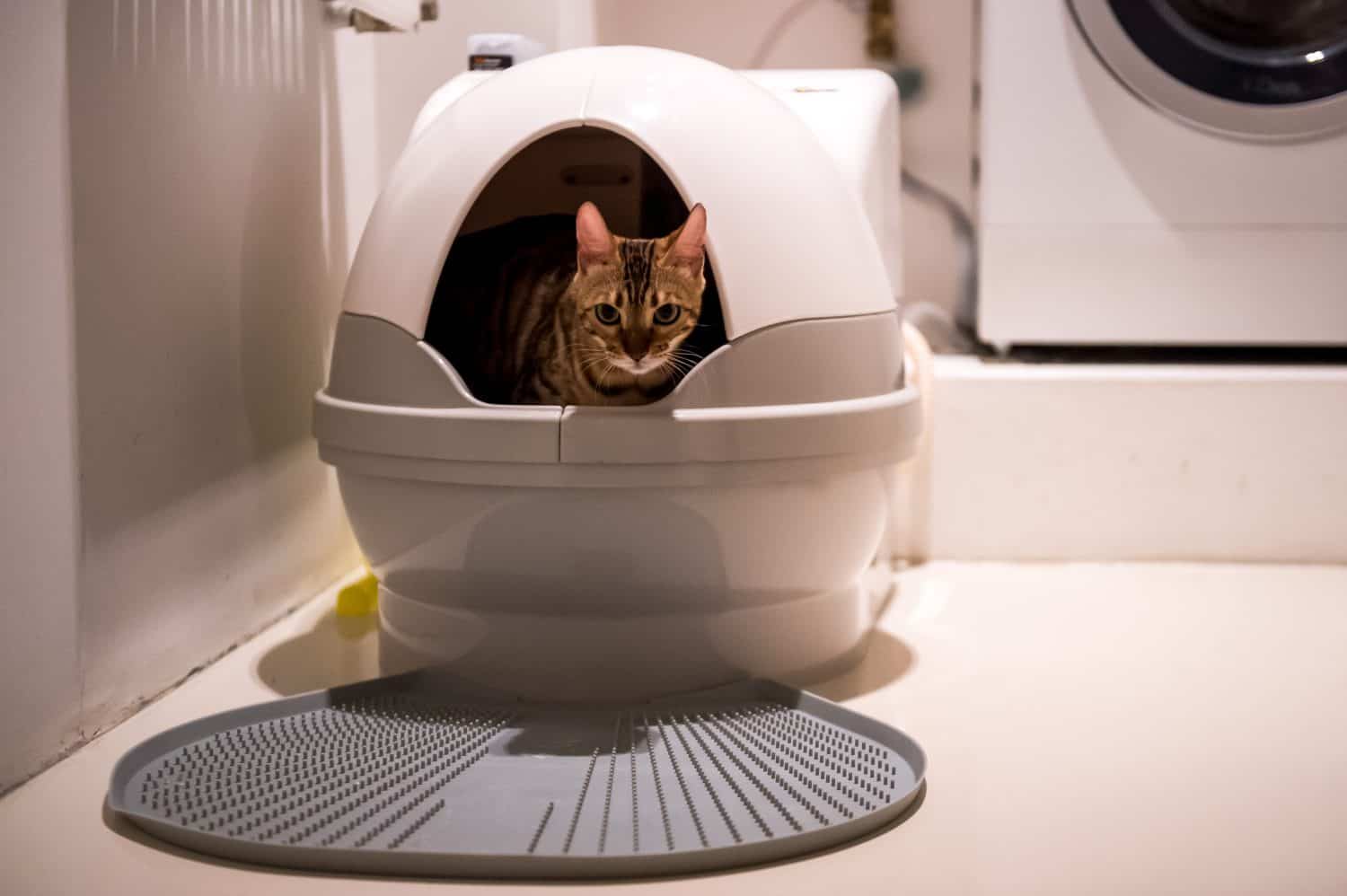
Stress cystitis can be triggered by various factors, such as moving to a new home, adding a new pet, or changes in the household. Managing stress through environmental enrichment and addressing underlying causes is crucial for recovery.
Purebred Cats and Health Risks
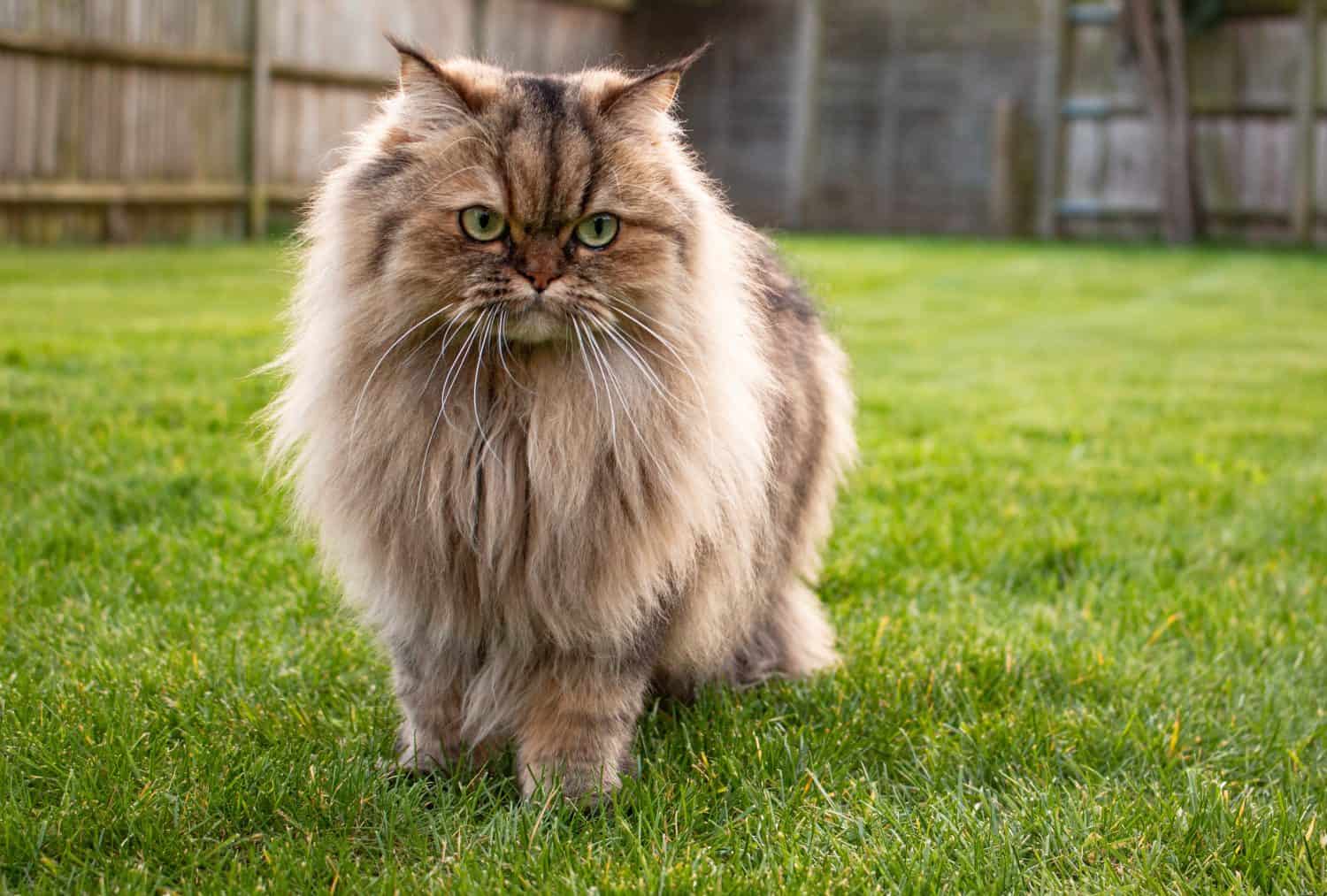
Purebred cats are more prone to certain health issues compared to mixed-breed cats. Breeds like Persians, Sphynx, and Maine Coons are at higher risk for conditions such as feline hypertrophic cardiomyopathy (HCM), a type of heart disease.
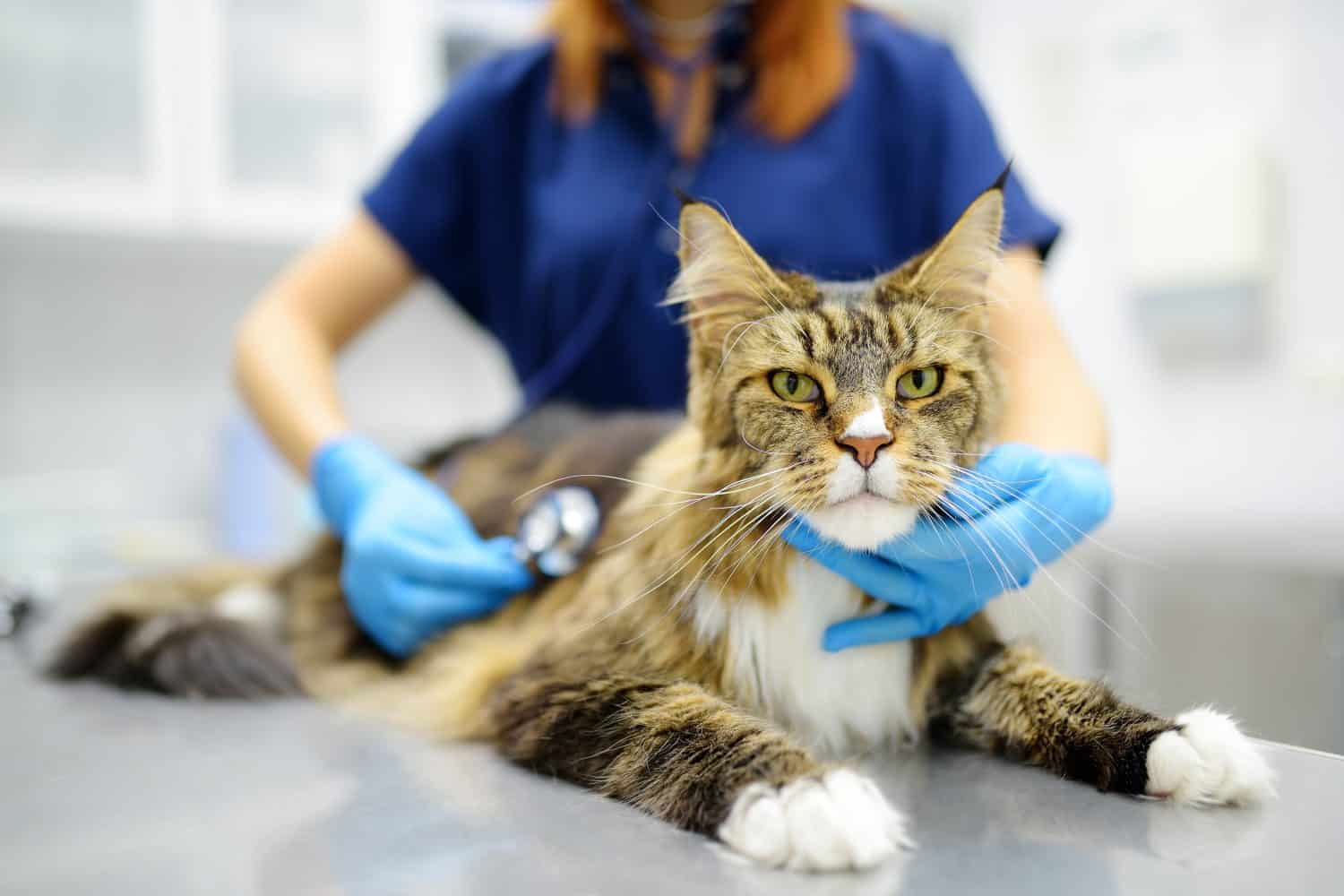
HCM can lead to severe complications, including fluid buildup in the lungs and breathing difficulties. While there is no cure, medications can help manage symptoms. Early detection and regular check-ups are vital for cats with HCM.
Preventing Health Issues in Cats
Preventing health issues in cats involves proactive care and attention to their needs. Maintaining a healthy weight, providing a balanced diet, and monitoring for signs of illness are essential steps. For outdoor cats, routine testing for feline leukemia is recommended.
Regular vaccinations, dental checkups, and preventive treatments can also reduce the risk of many health problems. Dr. Little emphasizes that an ounce of prevention is worth a pound of cure, highlighting the importance of early intervention.
Planning for the Future
As cats age, they may develop health issues that require ongoing care. Dr. Little advises cat owners to save money for potential medical expenses, ensuring that treatment is accessible without financial strain. This preparation allows for timely care and better outcomes for aging cats.


Post a Comment for "Top Health Issues in Pet Cats and Effective Management Tips"
Post a Comment