
Trump Admin Deploys Army Reserve and National Guard for Immigration Judges
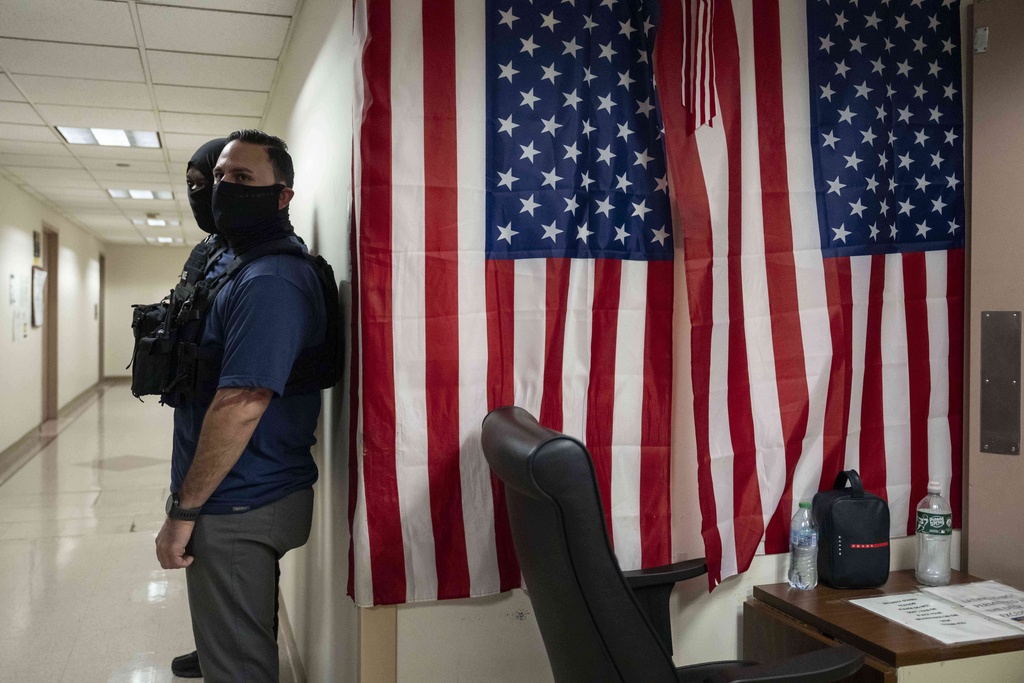
The Trump Administration’s Plan to Use Military Lawyers in Immigration Courts
The Trump administration has taken a controversial step by employing National Guard and Army Reserve lawyers as temporary immigration judges. This move comes after the firing of dozens of existing judges, raising concerns among experts about its impact on both the immigration courts and the military justice system.
Training for the first group of Army lawyers is set to begin on Monday, with the second group expected to start their training in the spring. According to former and current military reserve lawyers, approximately 100 Army Reserve lawyers are anticipated to participate, with 50 starting a nearly six-month assignment immediately following their training. This information was shared in a September 3 email sent to an Army Reserve attorney and reviewed by The Associated Press.
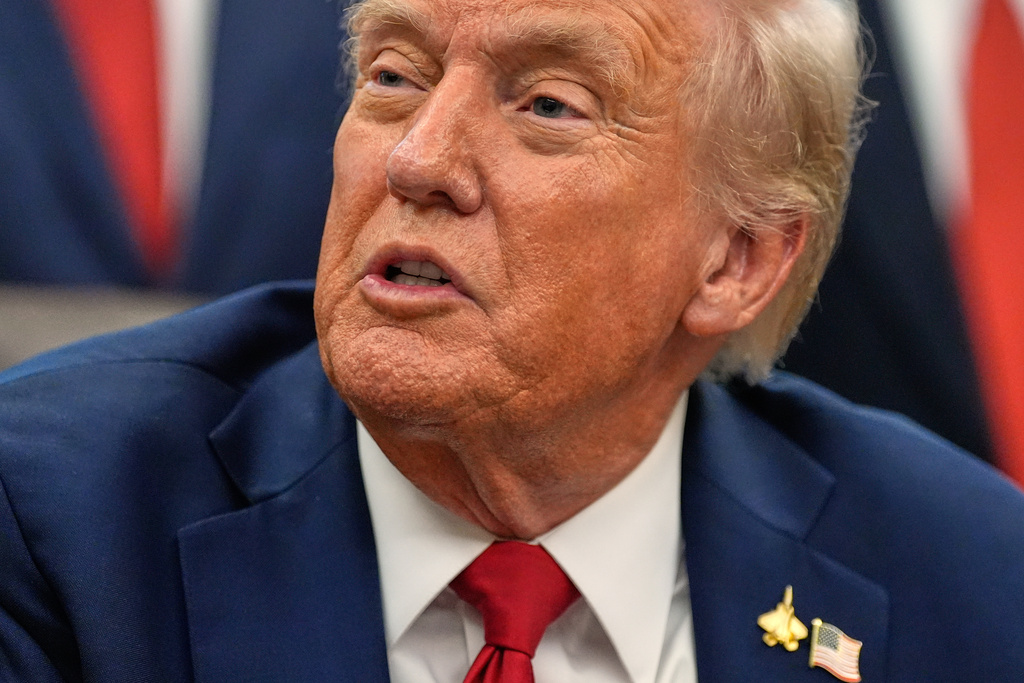
The administration aims to bring in up to 600 military-trained attorneys to assist in making decisions regarding which immigrants can remain in the country. Advocates have expressed alarm over this decision, particularly as the Trump administration intensifies its immigration enforcement efforts.

Immigration courts have long faced significant backlogs, with the number of pending cases more than doubling over the past four years to reach 3.4 million. Both the Army and National Guard have stated that they hope to fill these assignments with volunteers.
“This assignment provides the opportunity to gain judicial experience in a high tempo, nationally significant setting,” an email from the Army’s Reserve Legal Command noted, adding that specific locations and details will be released later.
A volunteer notification sent on September 6 to active-duty and reserve National Guard members emphasized the need for candidates with experience in administrative law, immigration law, or service as a military judge. Applicants were also required to demonstrate sound judgment, impartiality, and a suitable temperament for the role.
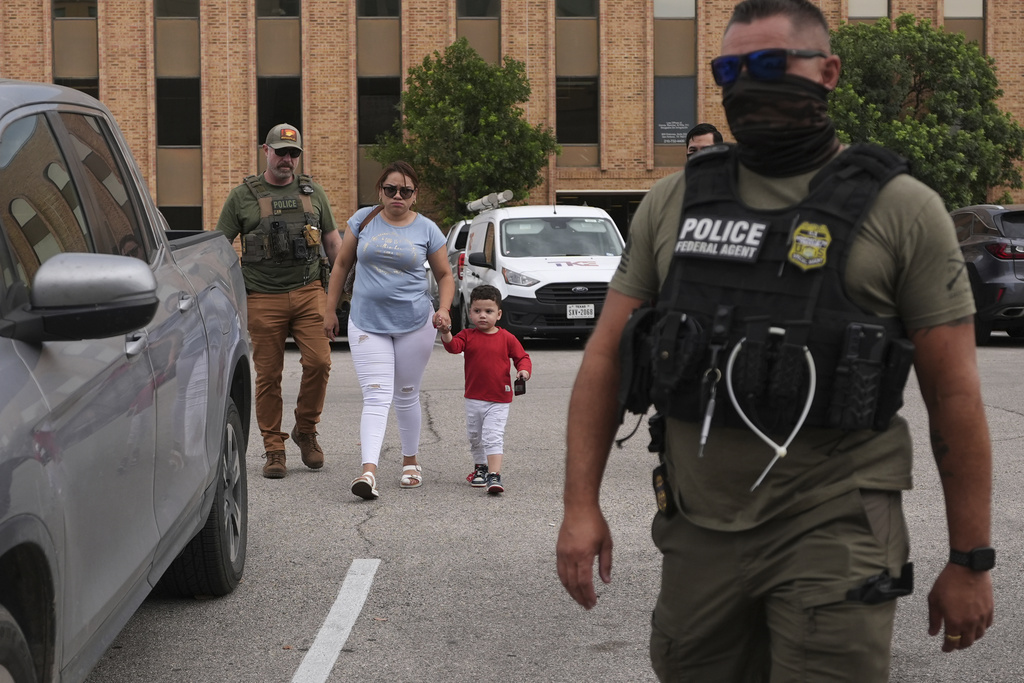
The Trump administration has increasingly relied on the military to support its immigration crackdown. This includes border patrols, National Guard deployments in U.S. cities, housing individuals awaiting deportation on military bases, and using military aircraft for deportations.
Concerns Over Training and Experience
Immigration judges handle hundreds or even thousands of cases, determining who receives asylum or green cards. Their decisions significantly impact immigrant families and the success of the administration’s policies.
Some immigration and military law experts worry that reservists may not receive adequate training or experience before taking on these roles, especially after over 100 immigration judges were fired or left. With only around 600 immigration judges remaining, the Pentagon’s plan would double their numbers. While the new tax and spending law allocated $170 billion for immigration enforcement, it limits the number of permanent immigration judges to 800.
Margaret Stock, a retired Army lieutenant colonel and immigration lawyer, criticized the move, stating that experienced judges are being terminated without notice while the administration claims a shortage. She pointed out that the administration is no longer requiring experience in administrative law or immigration law, which she said is a major concern.
Stock, who has taught seminars on immigration law at West Point, explained that military lawyers typically learn only a minimal amount of immigration law to assist fellow service members with visas for spouses or children. “Immigration law is super technical and complicated,” she said. “It’s worse than tax law, and it’s constantly changing. And it has its own terminology, its own rules that don’t make any sense.”
Changes in Hiring Practices
Previously, immigration judges needed seven years of experience before undergoing a lengthy hiring process, followed by six weeks of training and a two-year probation period. Until now, temporary judges were required to have 10 years of legal experience in immigration, often being retired immigration judges.
The Executive Office for Immigration Review, which oversees the immigration courts, declined to comment. However, the agency’s rule stated that many successful immigration judges had little experience in immigration law before taking the job. “Immigration law experience is not always a strong predictor of success,” the rule said.
In the military, attorneys are known as judge advocates general (JAGs). They attend accredited law schools, pass the bar exam, and undergo a two-month military law program. They sometimes work as special assistants to U.S. attorneys and gather evidence to prosecute criminal cases, similar to civilian prosecutors, according to Mark Nevitt, a former Navy JAG and associate professor at Emory University School of Law.
“They are some of the greatest lawyers you’ll meet in the national security world,” he said, but added that they would need to quickly become familiar with a complex body of law and then adjudicate matters as judges.
Criticisms and Legal Concerns
Matt Biggs, president of a federal employee union representing immigration judges, warned that using lawyers with little or no immigration experience could lead to more appeals, increased backlogs, and inefficiencies. He called the plan “an inefficient and costly endeavor” and a dangerous precedent for due process protections.
Gregory Chen of the American Immigration Lawyers Association criticized the Justice Department for lowering the qualifications of those making life-or-death decisions. He also expressed concern about the administration’s potential influence over the temporary hires, noting that permanent judges have civil service protections.
Democrats have questioned the legality of the plan, citing concerns about the Posse Comitatus Act, which prohibits service members from performing law enforcement duties. Some senators sent a letter to military lawyers asking about the source of the 600 lawyers and the legal analysis conducted.
A Pentagon memo stated that appointments should last no longer than six months and that the Justice Department would ensure military lawyers do not violate the Posse Comitatus Act. While this could be legal if the lawyers serve under civilian personnel, the situation remains unclear.
Some immigrant advocates believe the administration assumes military lawyers will be more likely to deny cases to meet deportation goals. However, Greg Rinckey, a former Army lawyer, argued that this assumption is incorrect, noting that most military lawyers have served as defense counsel and are not simply government hacks.
Many of his friends who are Army Reserve JAGs have signed up because they are interested in immigration law and want to address a national need. “It’s also a way to put something else on your resume — that you served as a judge,” he said.

Post a Comment for "Trump Admin Deploys Army Reserve and National Guard for Immigration Judges"
Post a Comment