
Trump and Netanyahu Unveil Gaza Peace Plan as Hamas Reviews Terms
A New Approach to the Gaza Conflict
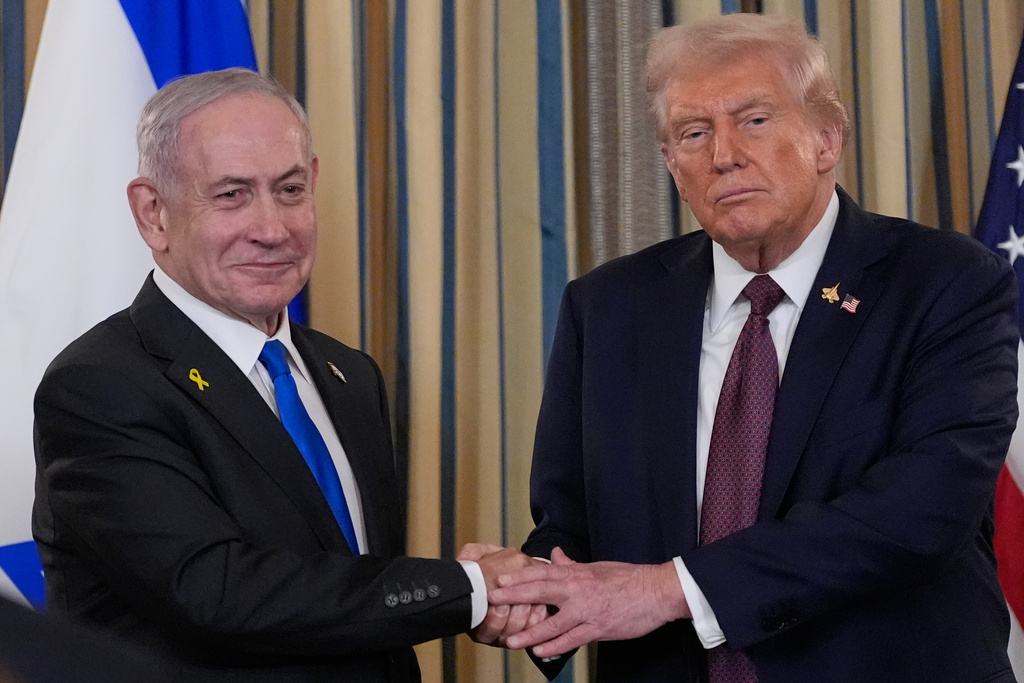
President Donald Trump has introduced a 20-point proposal, backed by Israeli Prime Minister Benjamin Netanyahu, aimed at ending the conflict in Gaza and securing the release of remaining hostages. This plan places significant emphasis on conditions that Hamas has previously refused to accept, signaling a shift in strategy from previous efforts.
Trump, who has grown increasingly frustrated with the ongoing violence, appears to be betting that Hamas is now so weakened that it will have no choice but to accept what he and Netanyahu are presenting as a final, viable solution. The U.S. president’s approach suggests a willingness to take a more assertive stance if Hamas does not comply.
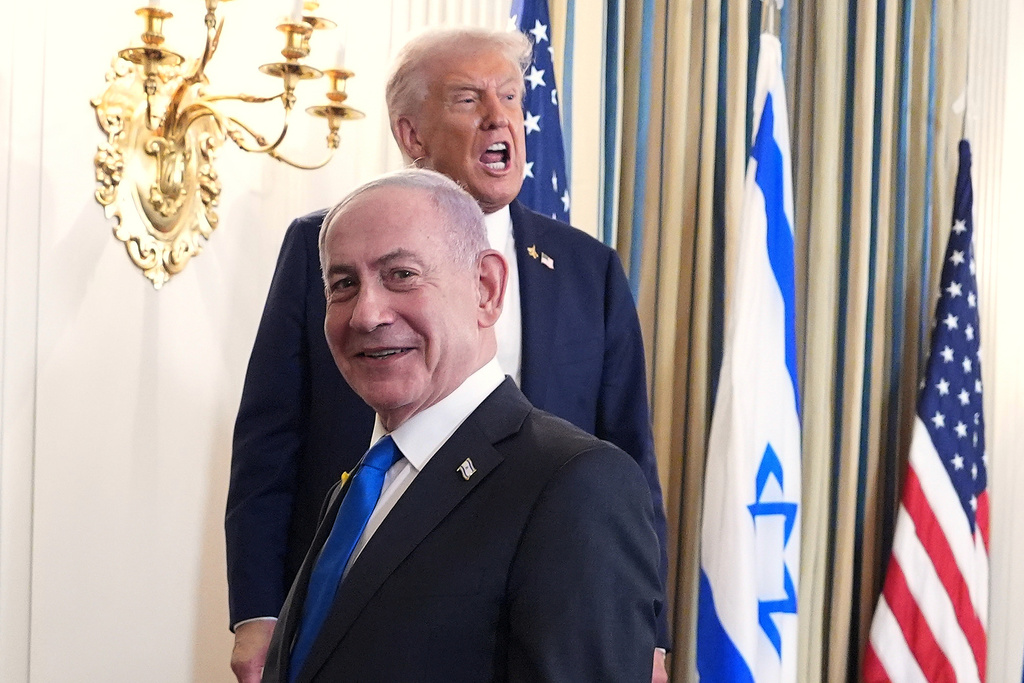
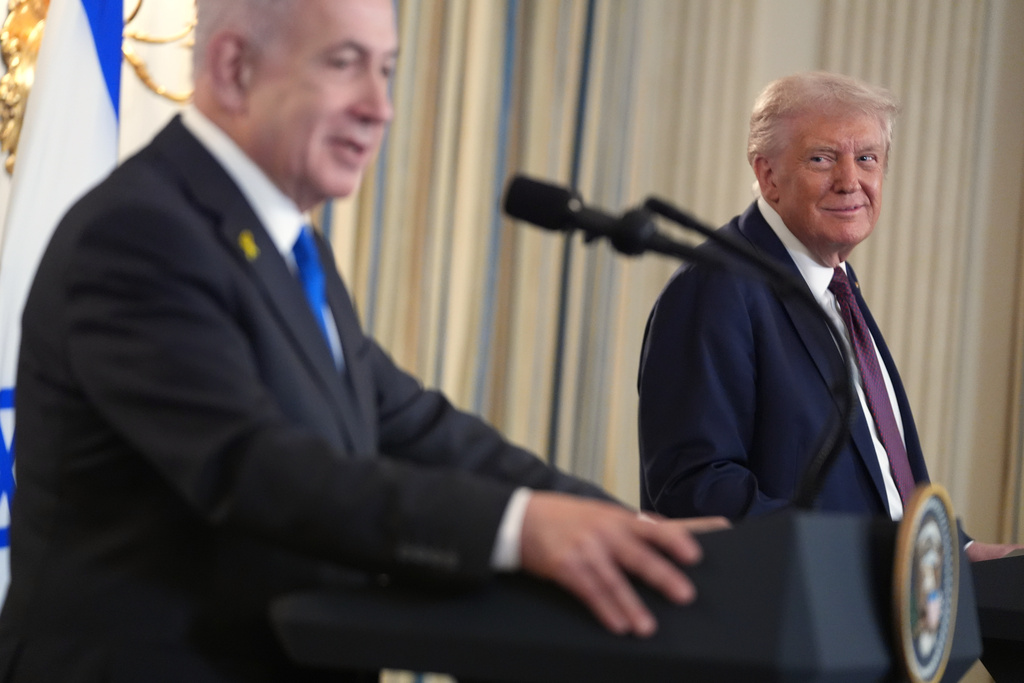
Netanyahu emphasized this point during a meeting with Trump at the White House, stating, “If Hamas rejects your plan, Mr. President, or if they supposedly accept it and then do everything to counter it, then Israel will finish the job by itself.” He added, “This can be done the easy way or it can be done the hard way, but it will be done.”
Qatar’s prime minister and Egypt’s intelligence chief have presented Trump’s proposal to Hamas negotiators, who are reportedly reviewing it in "good faith." However, the details of the discussions remain confidential, and the person speaking about the matter requested anonymity.
The Palestinian government in the occupied West Bank has welcomed Trump’s plan, pledging to implement the reforms outlined in the proposal. Additionally, several countries, including Egypt, Jordan, Indonesia, Pakistan, Turkey, Qatar, Saudi Arabia, and the United Arab Emirates, have issued a joint statement supporting the initiative.
Despite these developments, the prospects for a resolution to the conflict, which is approaching its third year, remain uncertain. Many key issues still need to be addressed.
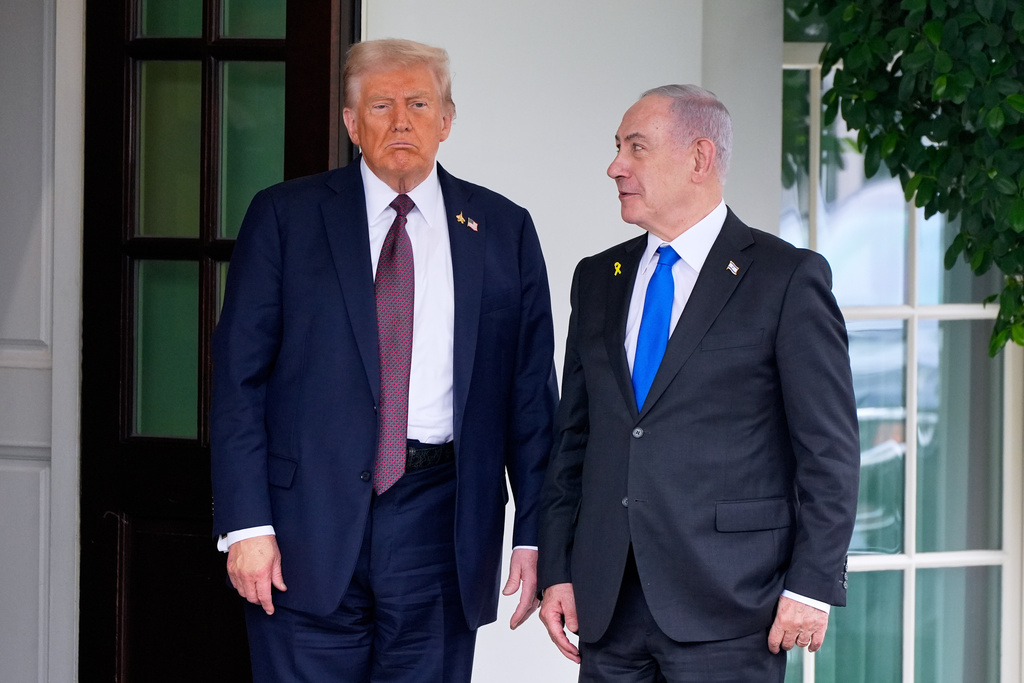
One of the major concerns is the lack of mention regarding the establishment of a Palestinian state, a goal that many in the region and beyond consider essential for long-term peace. The proposal also sidelines the Palestinian Authority until it completes extensive reforms. Furthermore, the requirement for Hamas to disarm has been viewed as unrealistic in past negotiations.
Trump’s plan includes the formation of a temporary governing committee led by himself and featuring former British Prime Minister Tony Blair. A Palestinian committee of technocrats would oversee civilian affairs, with power eventually handed over to a reformed Palestinian Authority.
Notably, the plan does not require people to leave the Gaza Strip, a provision that was part of an earlier proposal rejected by Palestinians and regional leaders. It does, however, call for all remaining hostages to be released by Hamas within 72 hours of Israel accepting the plan. A senior Trump administration official stated that the 72-hour period begins when Hamas accepts the proposal.
Hundreds of Palestinians, including those serving life sentences, would also be released by Israel under the plan. Trump expressed optimism about the situation, saying, “I think we are beyond very close. We're not quite finished. We have to get Hamas.”
Hamas has previously indicated that it might agree to step back from governing Gaza, but it has consistently refused to disarm, a demand that Netanyahu has long insisted on as part of any lasting truce.
Trump pledged to support Netanyahu's administration in further weakening Hamas if the group does not accept the proposal. He claimed, “This is a different Hamas. Their leadership has been killed three times over. So you’re really dealing with different people.”
Mending Fences with Qatar
In addition to his efforts to resolve the conflict, Netanyahu also sought to mend relations with Qatar, a key mediator between Israel and Hamas. During a call with Qatar’s prime minister, Sheikh Mohammed bin Abdulrahman Al Thani, Netanyahu expressed regret over a recent military strike targeting Hamas officials in Qatar.
The strike, which resulted in the death of a Qatari serviceman, caused outrage among Arab leaders and drew rare criticism from the U.S. against Israel. Netanyahu described the call as a “heart-to-heart” conversation, emphasizing that Israel would not conduct similar attacks in the future.
The White House statement noted that Netanyahu expressed deep regret for the unintended killing and acknowledged the violation of Qatari sovereignty. It also affirmed that Israel would not repeat such actions.
While the apology was welcomed by Qatar, some Israeli officials, including far-right national security minister Itamar Ben-Gvir, defended the attack, calling it “an important, just and ethical attack.”
A Delicate Moment for Netanyahu
Netanyahu’s decision to apologize comes at a critical time. Israel is facing increasing international isolation, and his governing coalition is showing signs of fragility. Meanwhile, the White House is displaying growing impatience with the situation.
The Trump plan outlines that Hamas members who commit to peaceful co-existence and disarmament would receive amnesty. Those wishing to leave Gaza would be provided safe passage to other countries.
Trump has become increasingly frustrated with the ongoing conflict, and his relationship with Netanyahu has seen both cooperation and tension. The president supported Netanyahu during his corruption trial, calling it a “witch hunt,” but has also expressed concern over certain policies.
Last week, Trump vowed to prevent Israel from annexing the West Bank, a move that some of Netanyahu’s hard-line allies had promoted. The international community opposes annexation, arguing that it would undermine the possibility of a Palestinian state.
Hamas is believed to be holding 48 hostages, 20 of whom are thought to be alive. The group has previously demanded that Israel withdraw from all of Gaza as part of any permanent ceasefire.
During a meeting with Arab and Islamic leaders in New York, Trump hailed the potential breakthrough of the proposal, describing it as a moment that could usher in lasting peace and prosperity in the Middle East.
“I challenge the Palestinians to take responsibility for their destiny because that’s what we’re giving them. We’re giving them responsibility for their destiny,” he said.

Post a Comment for "Trump and Netanyahu Unveil Gaza Peace Plan as Hamas Reviews Terms"
Post a Comment