
Trump Calls US War on Drugs an 'Armed Conflict' with Caribbean Cartels
The United States and the War on Drug Cartels
The United States is currently involved in an "armed conflict" with drug cartels, as per a confidential notice provided to members of Congress. This notice, obtained by a news outlet, was delivered to congressional national security committees and has sparked significant debate.
According to the notice, the Trump administration has labeled these groups as "unlawful combatants." This designation allows for the use of extraordinary wartime powers, which have been used to justify a series of strikes against alleged drug traffickers in the Caribbean Sea. These actions have drawn legal scrutiny and accusations that the administration and defense officials may have committed extrajudicial killings.
The administration claims that the "presidentially-directed" strikes were conducted in defense of national security and are consistent with the law of armed conflict. They argue that lethal force was justified against targets allegedly smuggling drugs for cartels designated as foreign terrorist organizations.
Legal Justifications and Controversies
The notice states that the president has determined that these cartels are "nonstate armed groups" whose actions constitute an armed attack against the United States. This has led to the classification of the conflict as a "noninternational armed conflict" — a war with a non-state actor.
The administration references a statute that requires reports to lawmakers about conflicts involving U.S. military personnel. A White House official confirmed that the administration is complying with requirements under the National Defense Authorization Act to inform Congress of any attack involving armed forces.
The report was initially issued to Congress on September 15 and the official stated that it does not convey any new information. The notice emphasizes that the President directed these actions in line with his responsibility to protect Americans and U.S. interests abroad, citing his constitutional authority as Commander in Chief and Chief Executive to conduct foreign relations.
Recent Strikes and Casualties
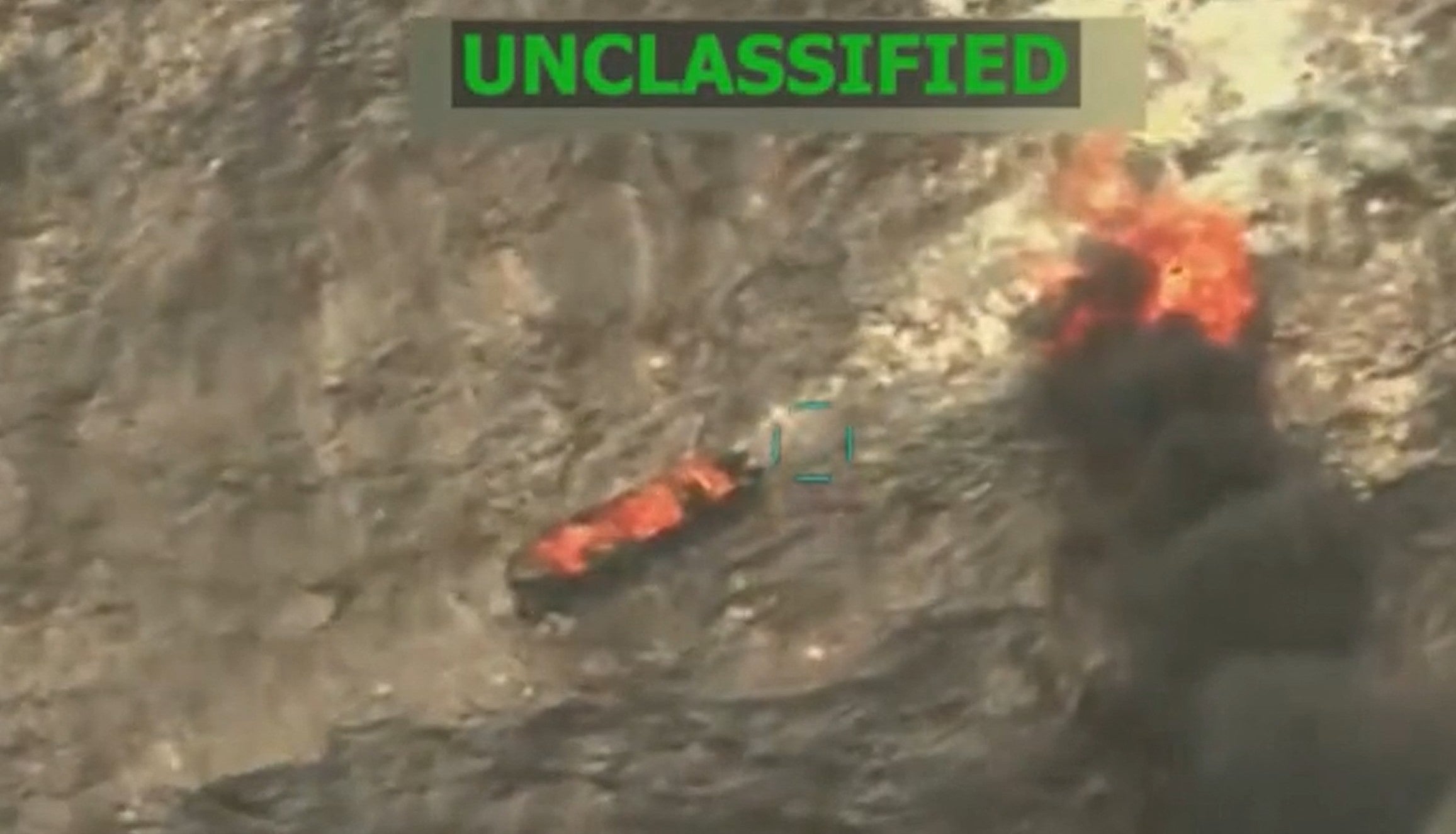
Recent targeted strikes on vessels in the Caribbean have resulted in at least 17 deaths. On September 2, Trump announced on Truth Social that military assets had killed "Tren de Aragua Narcoterrorists" operating under the control of Nicolas Maduro, Venezuela’s president, who were smuggling drugs into the United States. According to Trump, 11 people were killed on board, but Venezuelan authorities claim those killed were not connected to the Tren de Aragua gang, which the Trump administration has labeled a foreign terrorist group.
A second strike on September 15 targeted another vessel allegedly carrying narcotics, killing three "terrorists" on board. A third strike on September 19 claimed that a vessel was trafficking illicit narcotics and transiting along a known narcotrafficking passage en route to poison Americans, resulting in at least three deaths.
Legal and Ethical Concerns
It remains unclear what evidence the United States has collected to justify these attacks. The White House and defense officials have declined to share additional information, citing national security concerns. Legal experts and former national security officials have disputed the president's legal authority to launch extrajudicial killings against suspected drug traffickers, raising questions about the administration's growing conflict with Venezuela and its anti-immigration agenda.
In January, Trump issued an executive order designating Tren de Aragua as a foreign terrorist organization, which paved the way for his order invoking the Alien Enemies Act to deport suspected gang members. However, neither the Alien Enemies Act nor "foreign terrorist organization" designations allow for lethal force.
Deploying lethal force on suspicion of illegal activity violates international standards and U.S. regulations for maritime operations against civilian vessels in international waters, according to the Washington Office on Latin America, a human rights advocacy organization.
Political and Policy Implications
The administration's escalation of an international so-called "war on drugs" follows significant reductions in law enforcement resources to combat the flow of illegal drugs in the United States. Thousands of federal law enforcement offices, including more than 2,000 Drug Enforcement Administration agents, have been diverted to support immigration enforcement.
This shift has significantly slowed down prosecutions of alleged drug traffickers, as the number of people charged with breaking federal drug laws has dropped to the lowest level in decades, according to a Reuters analysis. The Department of Justice is also planning to close the Organized Crime Drug Enforcement Task Forces as part of an agency-wide reorganization plan that would cut roughly 275 positions and reassign or eliminate roles for another 140 employees.

Post a Comment for "Trump Calls US War on Drugs an 'Armed Conflict' with Caribbean Cartels"
Post a Comment